

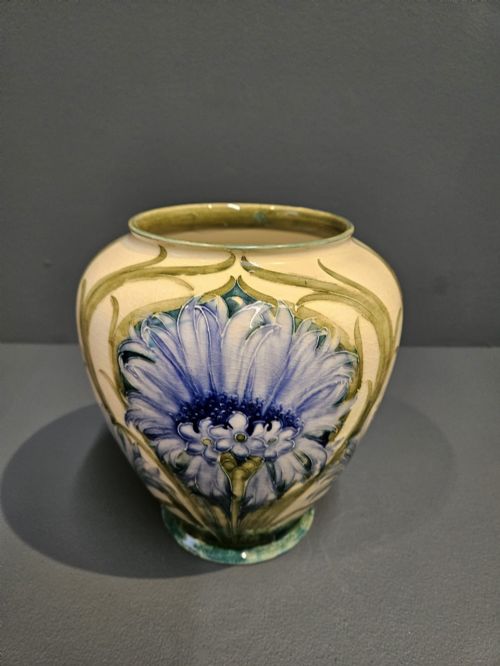
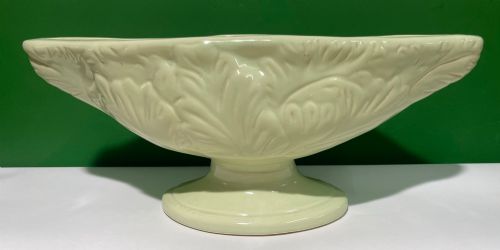
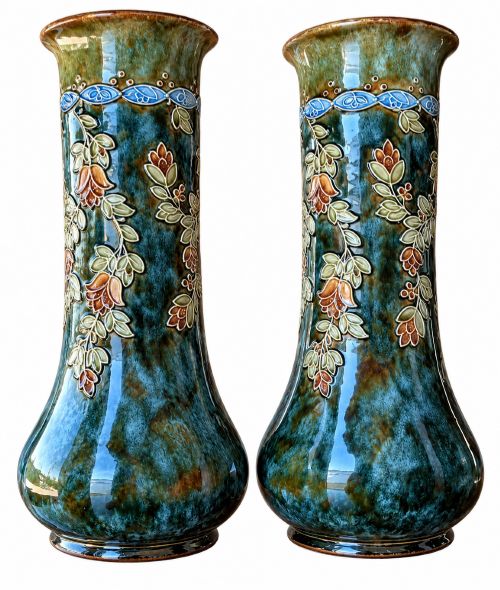
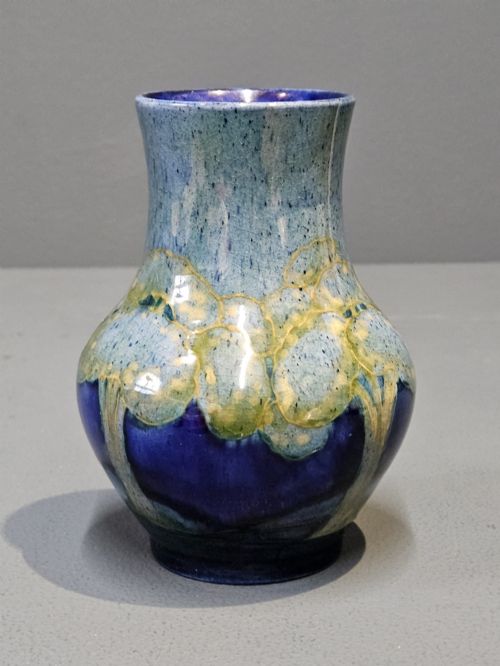


Green Ceramic Vase
A green ceramic vase brings botanical depth to a room, ranging from fluid Art Nouveau stoneware to earthy Victorian earthenware.
Green Ceramic Vase
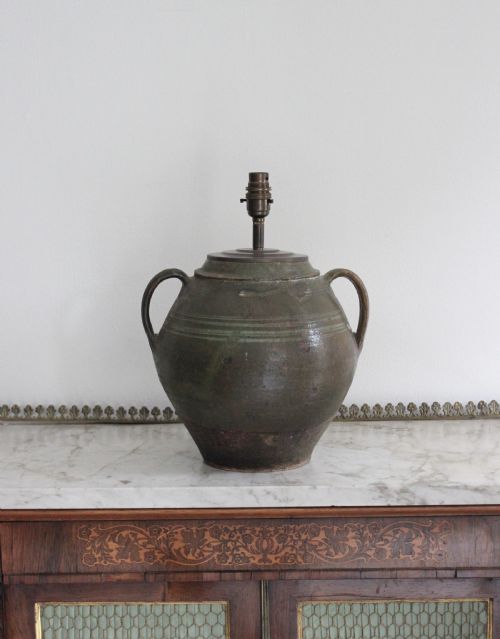
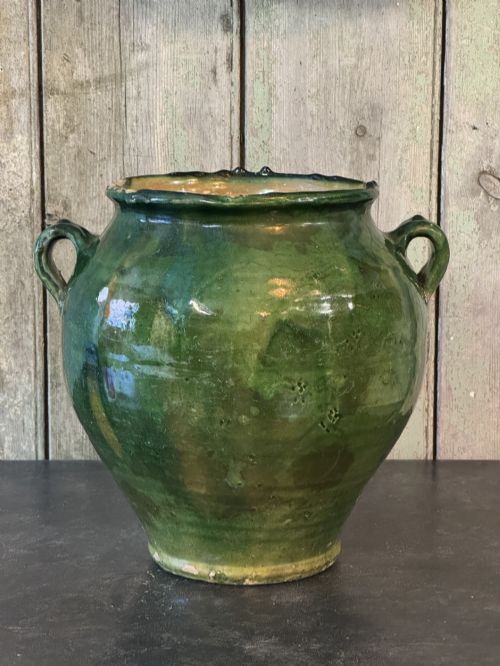
When you search for a green ceramic vase, you encounter a diverse array of forms spanning the nineteenth and early twentieth centuries. These vessels include sculptural spill vases, baluster shapes, ginger jars, and confit pots intended for both display and utility.
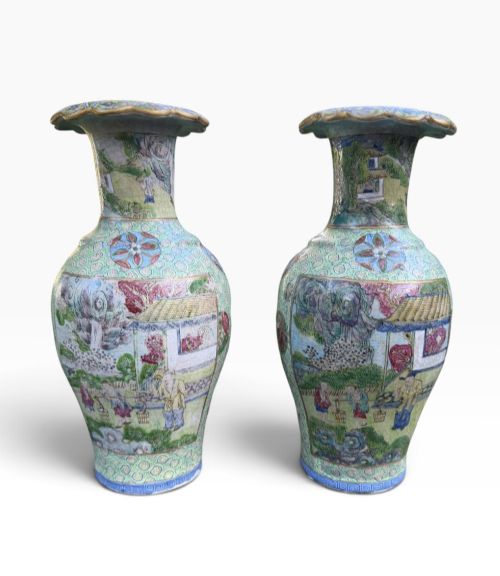
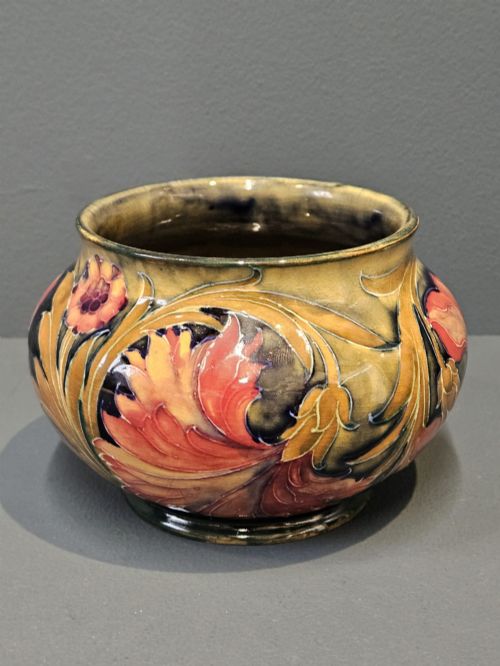
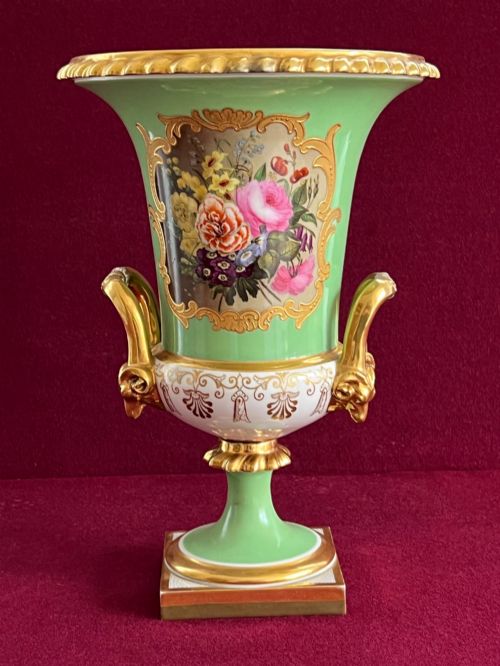
The selection on this page draws heavily from Victorian and Edwardian British potteries, continental European majolica and faience, and Asian export porcelain. Pieces frequently reflect distinct regional movements such as Art Nouveau, Arts and Crafts, and Meiji period aesthetics.
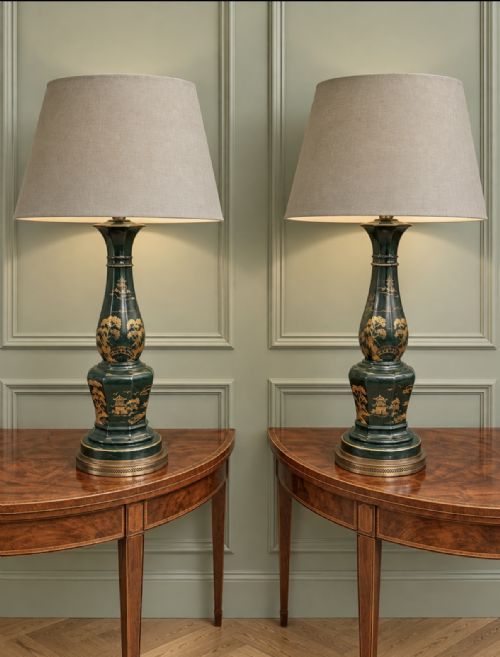
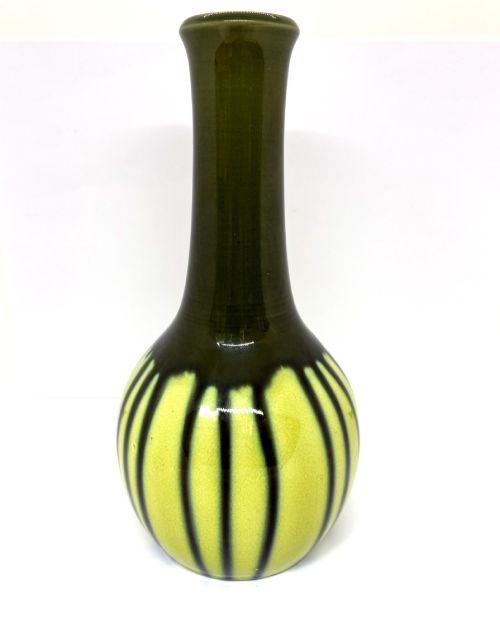
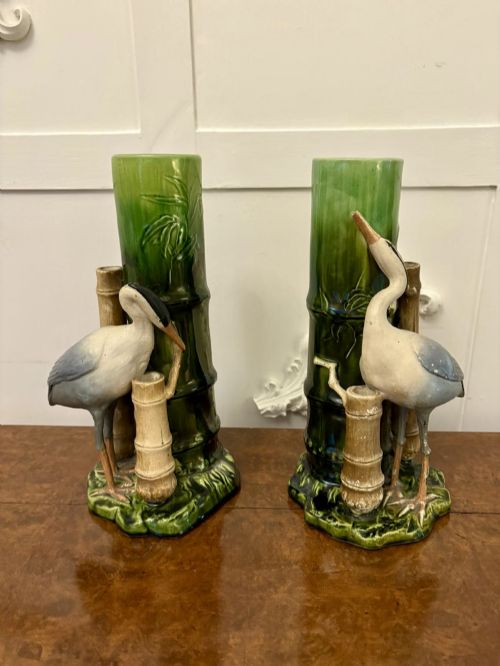
Makers utilise a broad spectrum of green hues, from pale celadon and mottled olive to deep teal and vibrant turquoise glazes. Buyers often find pairs suited for mantelpieces alongside individual studio pottery creations.
How they were made
Potters formed these items using earthenware, stoneware, terracotta, and porcelain bodies, often shaping them on the wheel or casting them in moulds. Artisans then applied liquid clay slips or metallic oxide glazes to achieve the characteristic green colouration.
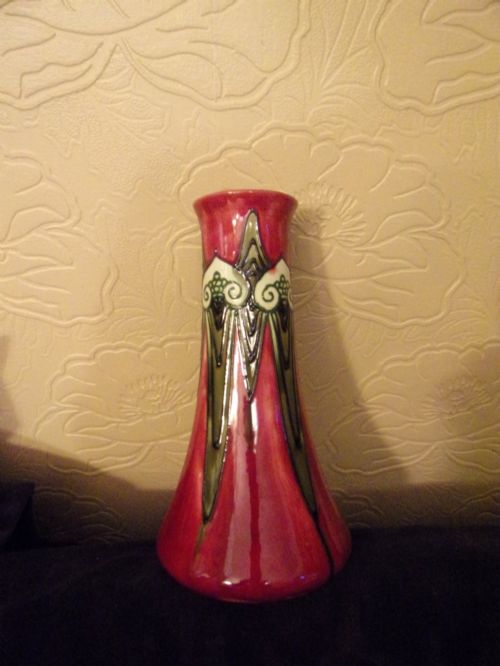
Techniques such as tube-lining, where raised clay outlines separate glazes, and pâte-sur-pâte, involving layered slip painting, add tactile dimension to the surface. Firing took place in kilns that could render glazes smooth, crackled, or mottled depending on the temperature and composition.
Green Ceramic Vase Retail Price Guide 2026
Typical asking prices for green ceramic vase among the pieces listed under this phrase on Sellingantiques today, from the lower quarter to the upper quarter. They describe what is for sale here now, not the wider market.
Listings feature earthenware, stoneware, porcelain, terracotta, and faience bodies finished in glazes ranging from celadon to mottled green.
What varies in quality
Quality rests in the crispness of the moulded or thrown form and the depth of the glaze. Hand-painted details, deliberate tube-lined designs, and signed studio works demonstrate superior artistry compared to mass-produced output.
The integrity of the ceramic body and the uniformity of the fired glaze distinguish master potteries from standard workshops. Pieces retaining original stands, lids, or matching pairs command greater attention from collectors.
Royal Doulton Lambeth·Moorcroft·Burmantoft's Pottery·Zsolnay Pecs·Makuzu Kozan·Sir Edmund Harry Elton
The Green Ceramic Vase Glossary
- Earthenware
- Porous pottery fired at lower temperatures, typically requiring a glaze to hold liquids. It forms the body of many nineteenth-century spill vases and figures.
- Celadon
- A transparent green glaze, often showing subtle crackles, developed originally in China and later imitated by European potteries. It highlights carved or fluted patterns beneath the surface.
- Stoneware
- A dense, impermeable ceramic fired at high temperatures until vitrified. It provides a durable canvas for heavy glazes and Art Nouveau relief decoration.
- Spill vase
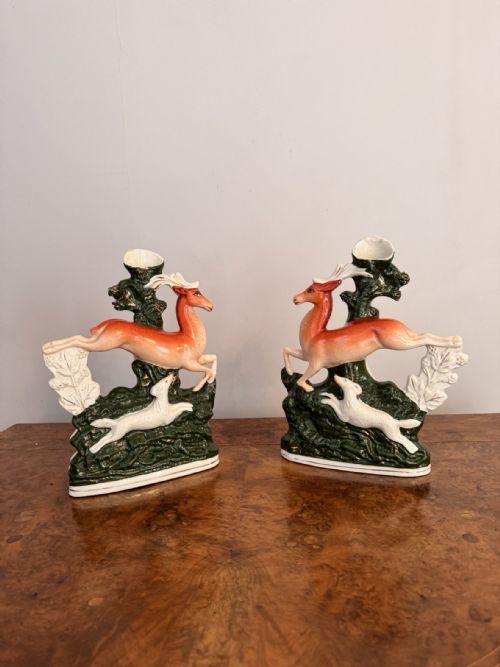
- A small cylindrical holder designed to keep wooden tapers near a fireplace for lighting candles. Staffordshire makers frequently modelled these with animal figures.
- Majolica
- Tin-glazed earthenware decorated with brightly coloured metallic oxide paints. European workshops utilised this technique to produce vibrant nineteenth-century vessels.
Green Ceramic Vase: Frequently Asked Questions
How do I clean an antique ceramic vase?
Dust the surface gently with a soft, dry cloth to prevent accumulation. Avoid abrasive cleaners or soaking, as older glazes and earthenware bodies can absorb moisture or suffer damage.
For unglazed or porous areas, consult a professional restorer before attempting wet cleaning. Harsh chemicals will strip fragile enamels and metallic lustre finishes.
What is a spill vase?
A spill vase is a small receptacle historically kept on mantelpieces to hold wooden splints or spills. These items transported a flame from the hearth to lamps and candles before the invention of safety matches.
Victorian examples often incorporated figures of animals, such as sheep or deer, beside the main tubular holder.
How can I tell Art Nouveau from Victorian pieces?
Art Nouveau items feature organic, asymmetrical lines inspired by natural forms like stems, flowers, and tendrils. They often display matte or mottled green glazes developed around the turn of the twentieth century.
Victorian pieces tend to rely on more formal symmetry, historic revival styles, and brighter tin-glazed or enamelled surfaces.
Are these vases waterproof?
Many nineteenth-century earthenware and terracotta vessels are porous and may seep moisture if filled directly with water. Placing a small glass or plastic liner inside protects the interior.
Stoneware and porcelain items are typically vitrified and hold water safely, though antique pieces still warrant careful handling.