
Antique Majolica Pottery
Antique majolica pottery unites vibrant tin-glazed earthenware and coloured lead-glazed pieces spanning the eighteenth to early twentieth centuries.
Antique Majolica Pottery
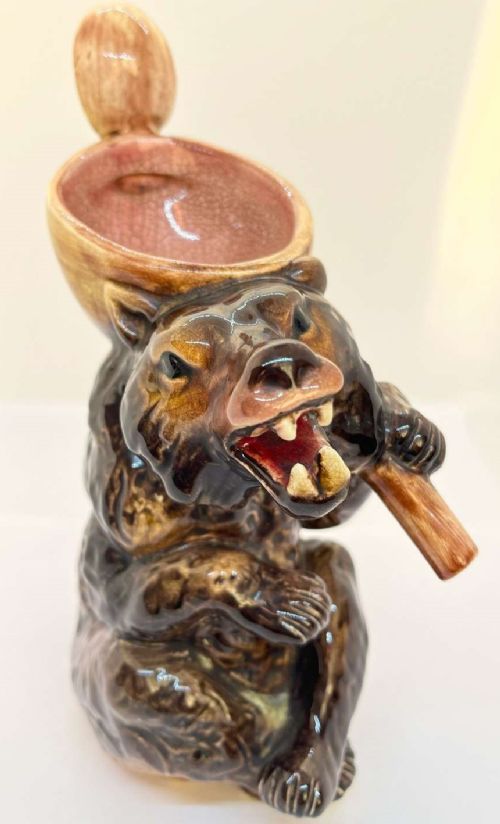
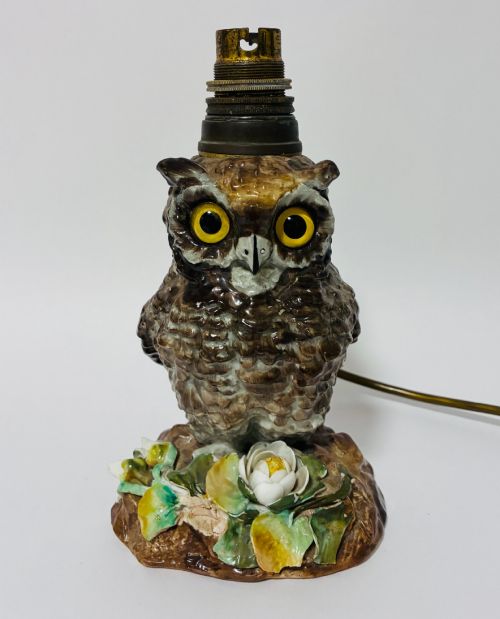
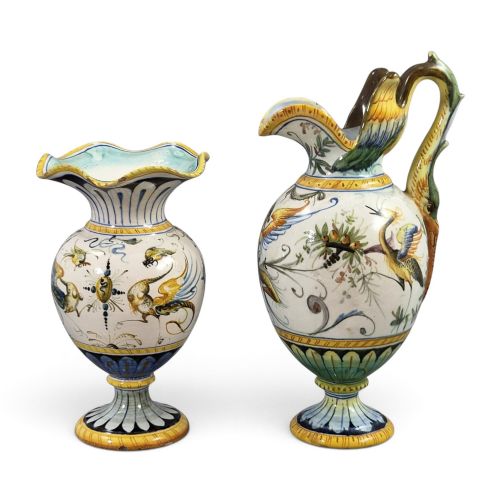
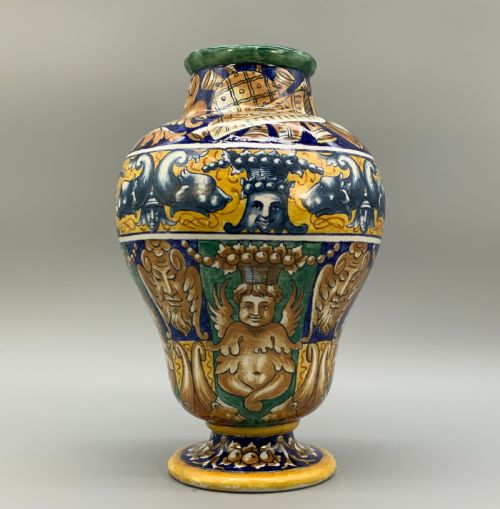
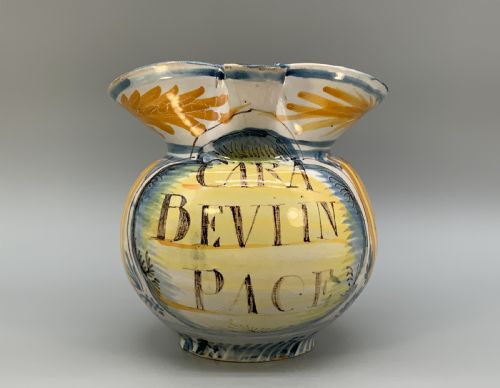
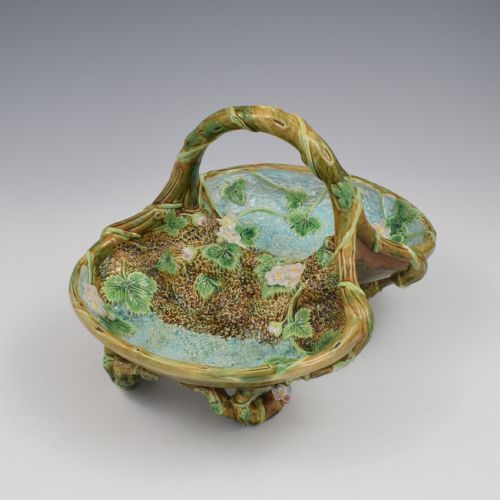
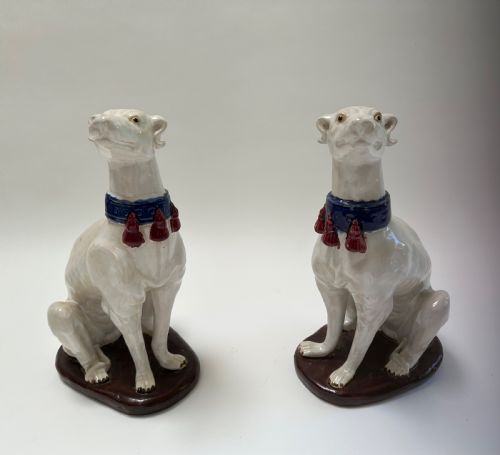
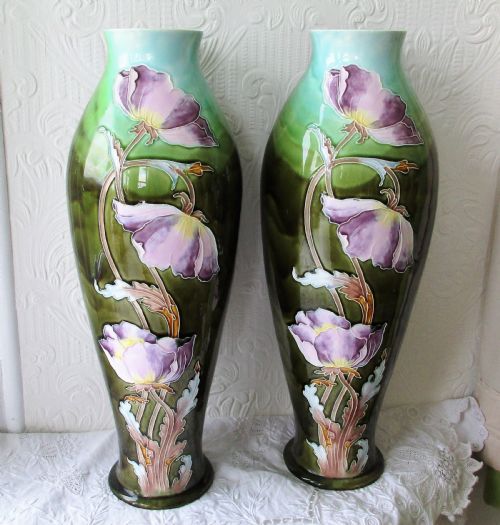
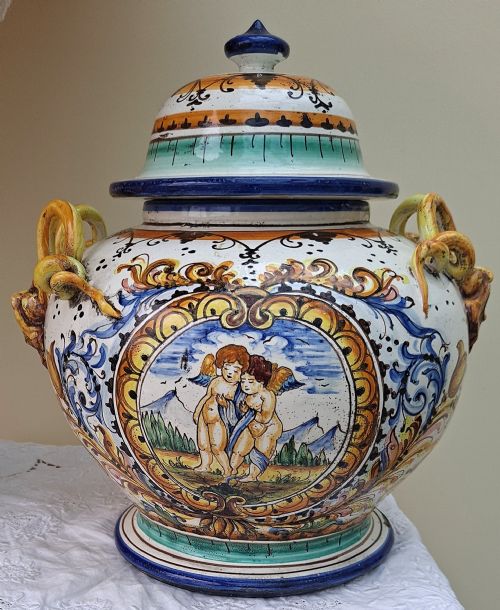
The forms vary widely from apothecary jars, albarelli and pharmacy jugs to garden planters, jardinieres, cheese domes and figural ornaments such as owls and bears. Italian workshops and English factories like Minton and George Jones dominate the forms seen on this page.
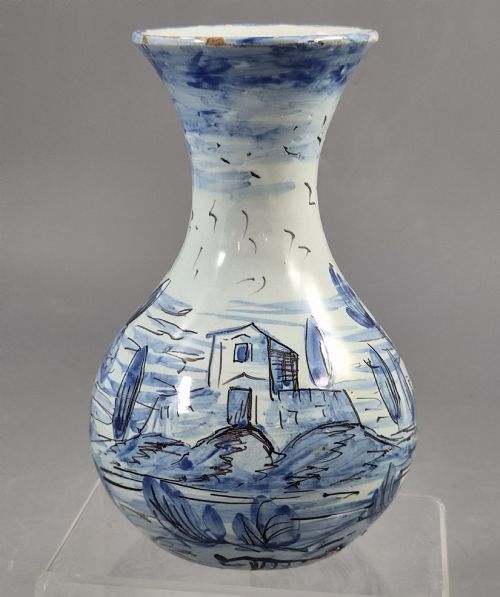
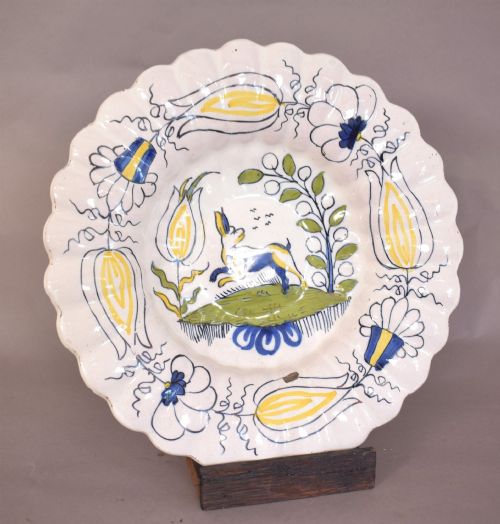
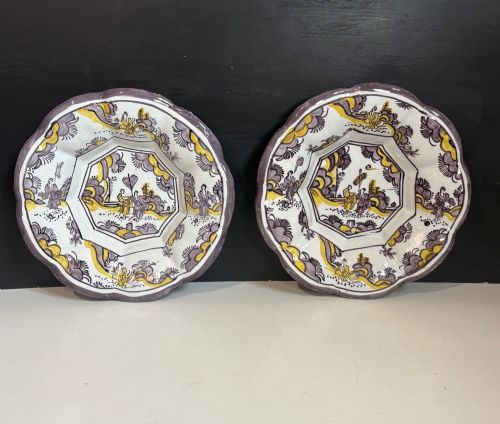
Continental faience and French pieces also appear regularly, offering buyers traditional chargers, plates, ewers and water pitchers decorated with polychrome pigments or blue and white motifs.
Materials and Techniques
Makers shaped these pieces using earthenware or ceramic bodies, which were then coated in tin glaze or lead glaze to provide a smooth surface for painting. Tin-glazed earthenware allowed artisans to apply opaque white grounds that supported intricate blue and white or polychrome designs.
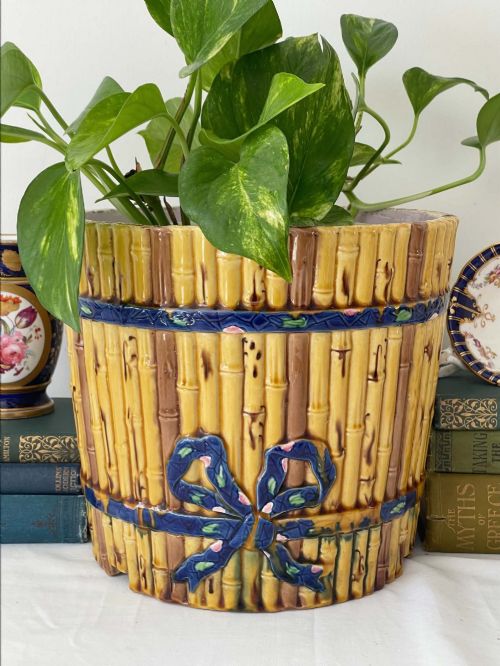
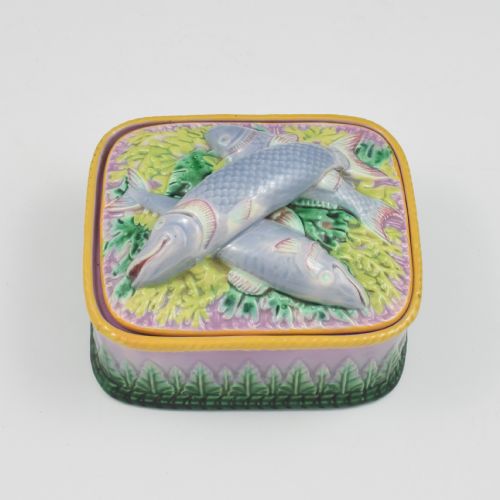
Victorian majolica utilised colourful lead glazes applied directly over moulded reliefs, creating rich, glossy surfaces that accentuated naturalistic botanical and animal forms. Firing techniques required precise control in kilns to achieve the vibrant colour palettes characteristic of Renaissance revival and nineteenth-century production.
A pottery gnome proudly holds his ground among the grand Italian urns and pharmacy jars.
Assessment of Quality
The distinction between standard commercial output and superior majolica lies in the crispness of the modelling and the depth of the glaze application. Pieces featuring sharp relief, well-defined hand-painted details and harmonious colour blending stand apart from simpler utilitarian wares.
Makers' marks, date ciphers and registration numbers often indicate provenance from esteemed factories like Minton or Cantagalli, adding historical substance to the physical construction of the ceramic body.
Holdcroft·Cantagalli·Minton·George Jones·Burmantofts·Gien
The Antique Majolica Pottery Glossary
- Majolica
- A type of pottery covered with an opaque tin glaze or colourful lead glazes over an earthenware body. The term encompasses both traditional Italian tin-glazed wares and nineteenth-century British polychrome lead-glazed ceramics.
- Albarello
- A cylindrical earthenware jar used by apothecaries and pharmacists for storing drugs and ointments. These jars frequently feature painted botanical or heraldic decoration.
- Faience
- European tin-glazed earthenware produced in France, Germany and Spain. It shares technical similarities with Italian majolica and English delftware.
- Charger
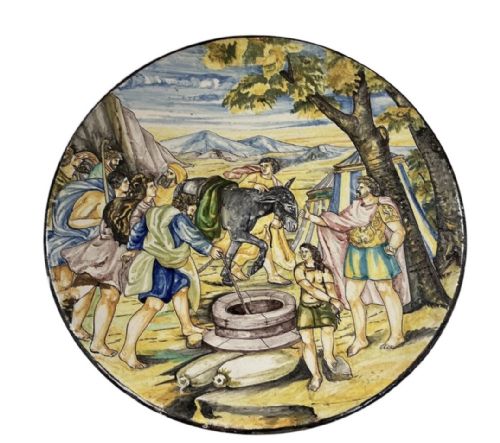
- A large decorative plate intended for display on a wall or sideboard rather than for dining use. Eighteenth-century examples often display intricate polychrome historical or floral scenes.
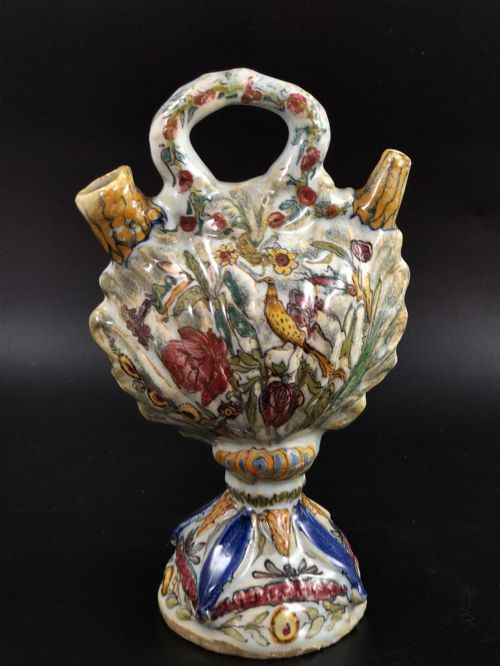
- Pilgrim Flask
- A flattened globular vessel with side lugs for suspension during travel, adapted in majolica as an ornamental showpiece. They frequently incorporate Renaissance revival shell and scroll motifs.
Antique Majolica Pottery: Frequently Asked Questions
What is antique majolica pottery?
Antique majolica pottery refers to tin-glazed and lead-glazed earthenware pieces produced primarily in Europe from the eighteenth century through the early twentieth century. The category includes both Italian revival wares and brightly coloured Victorian designs.
These ceramics encompass a broad spectrum of domestic and decorative items, ranging from pharmaceutical jars and tableware to large garden planters and figural sculptures.
How do I identify a Victorian majolica piece?
Victorian majolica is typically identified by its heavy earthenware body covered in vibrant, glossy lead-based coloured glazes. Moulded naturalistic motifs such as leaves, animals, and mythological figures are especially common.
Many pieces from this era bear factory marks, shape numbers, or diamond registration stamps on the underside that reveal the exact period of manufacture.
How were apothecary jars used?
Apothecary jars and albarelli held dry drugs, syrups, and herbal ointments in historical pharmacies and dispensaries. Their wide mouths allowed easy access to contents while being securely covered.
Over time, these utilitarian containers transitioned into decorative display items prized for their painted labels and historical provenance.
How should I clean my majolica?
Majolica pottery requires gentle cleaning with a soft, dry cloth or a slightly damp sponge to remove dust. Harsh chemical cleaners and abrasive scouring pads can damage the fragile lead or tin glazes.
Displaying pieces away from direct sunlight helps preserve the intensity of the nineteenth-century polychrome colours.