

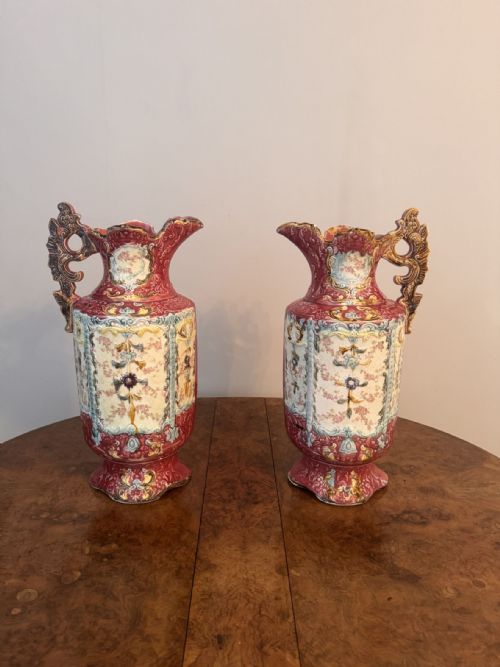
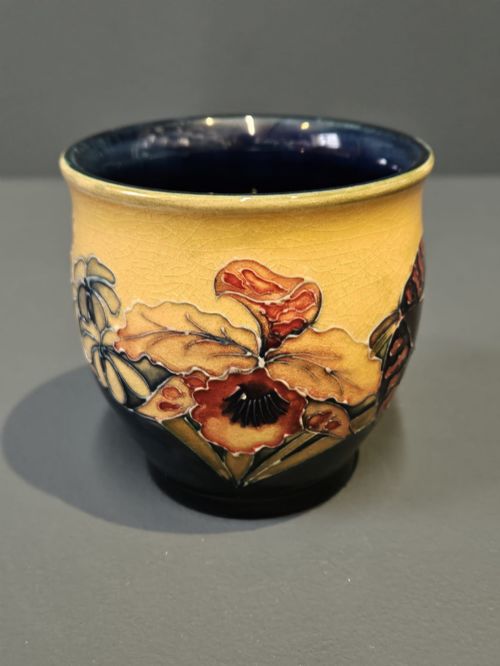
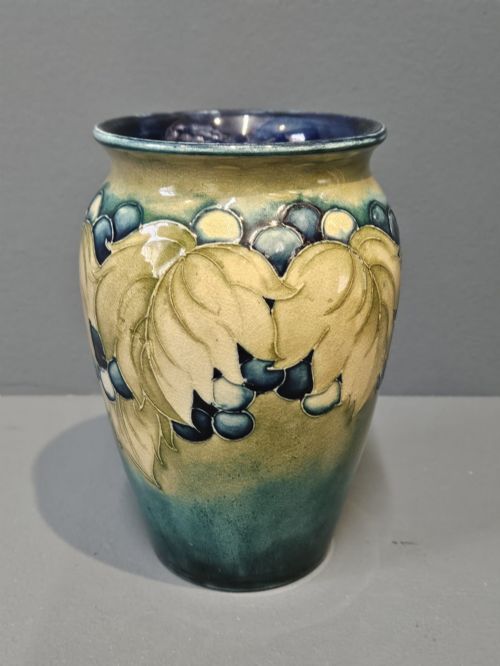
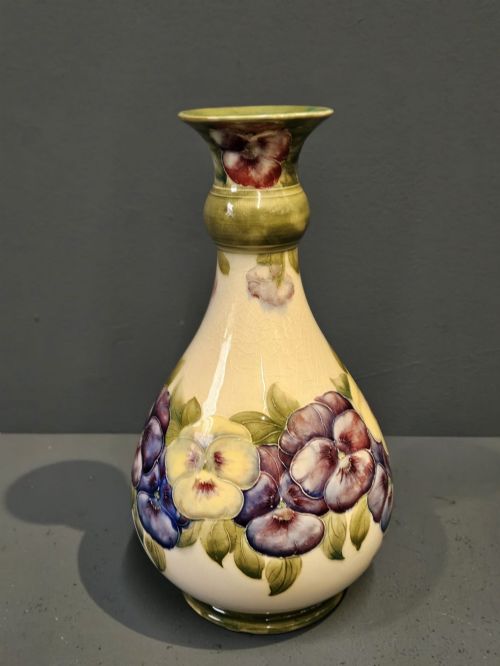
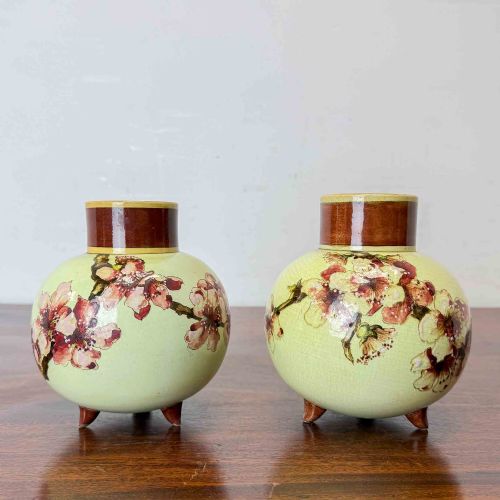


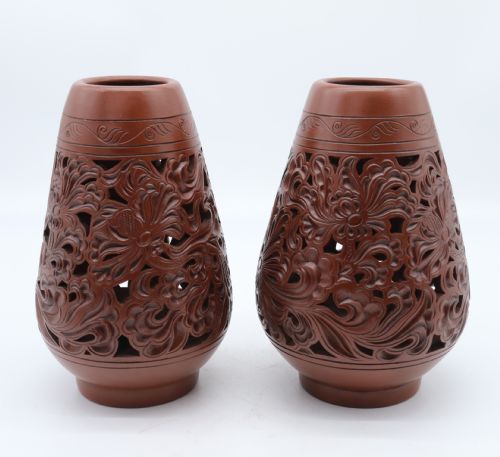
Earthenware Floral Vase
An earthenware floral vase brings rich colour and tactile texture into a room, offering the collector a distinct piece of ceramic history.
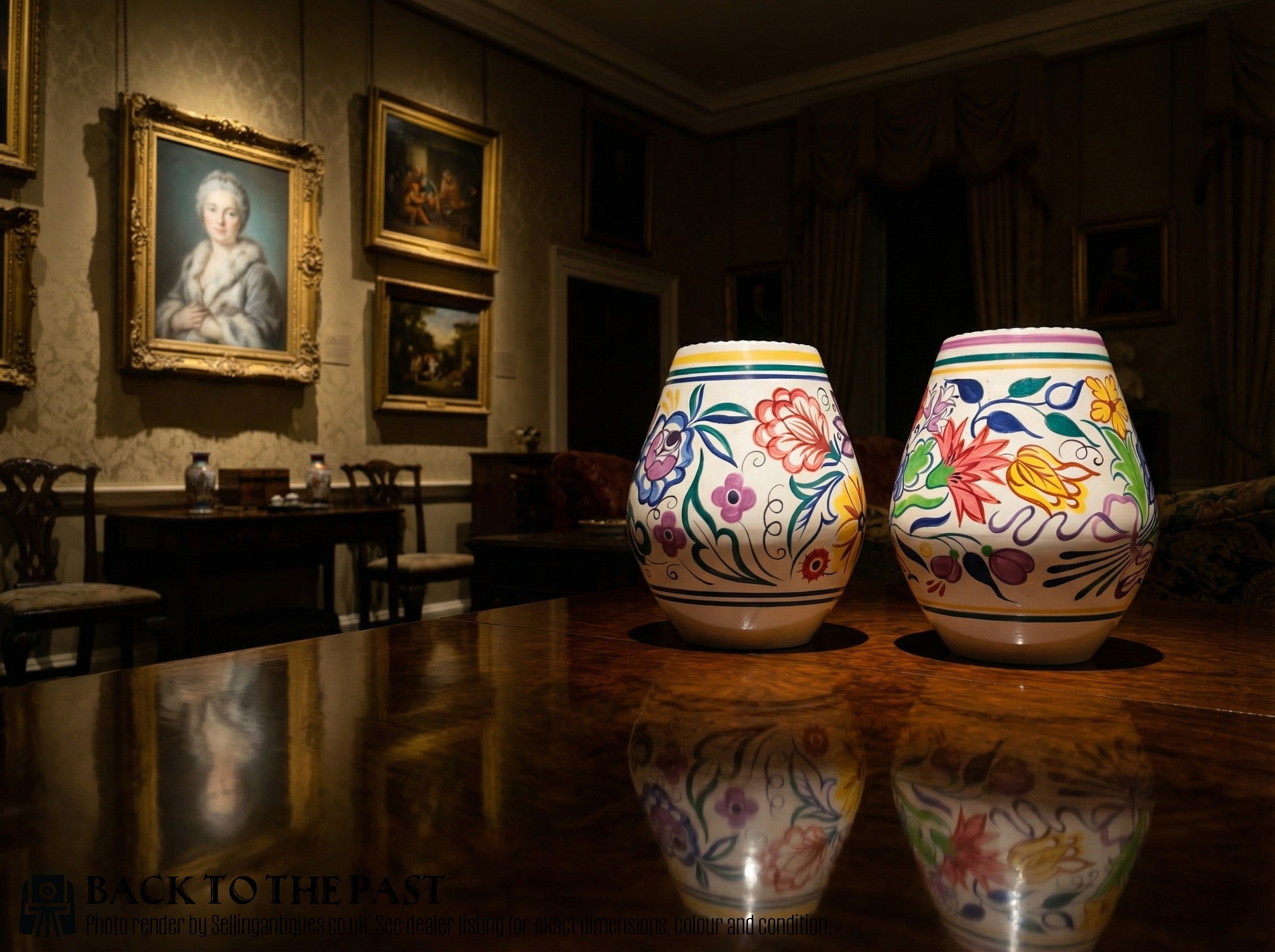
What these pieces are
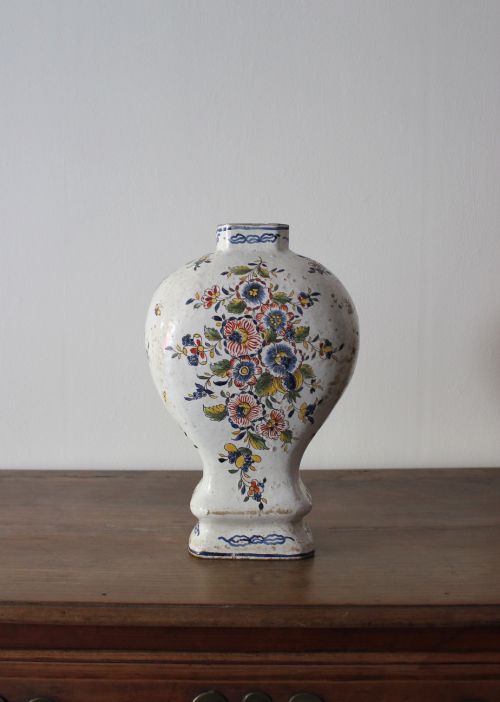
An earthenware floral vase is a decorative vessel shaped from porous clay and finished with plant or botanical motifs. These pieces span the early twentieth century, drawing on specific design movements from the nineteen-twenties and nineteen-thirties.
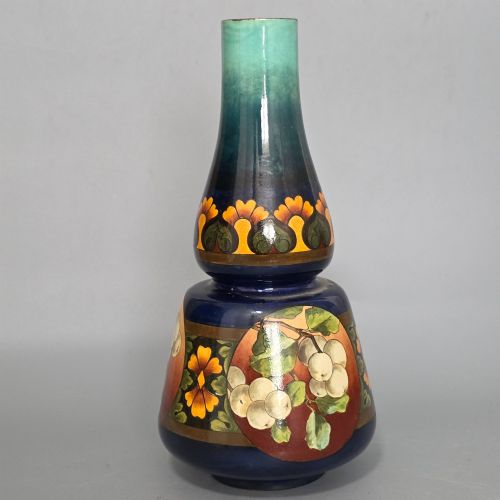
The versions most frequently met on this page belong to the Arts and Crafts, Art Deco, and English Country traditions. Makers of this era turned to organic patterns, translating leaves, berries, and floral arrangements onto the curved surfaces of their pots.
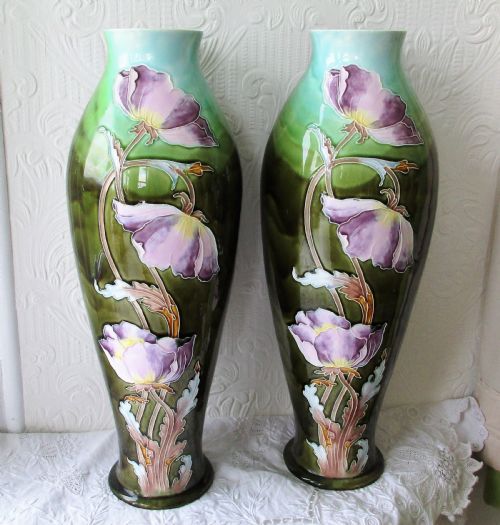
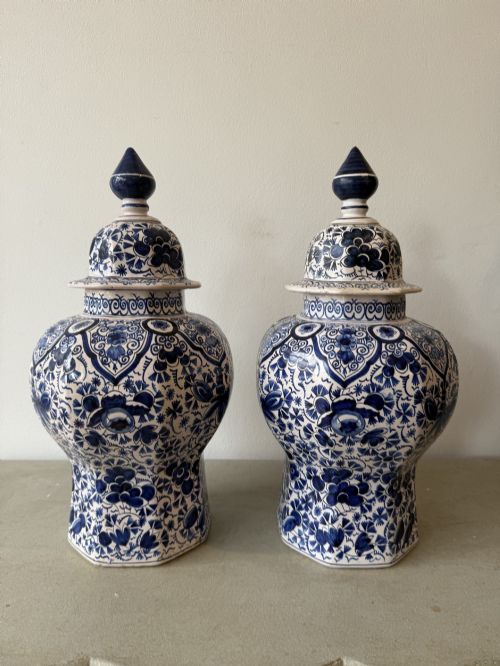
Buyers encounter standard forms alongside larger pairs, demonstrating the varied output of British potteries during the interwar decades. Each item reflects the distinctive aesthetic choices of its period, from stylised foliage to deep celadon glazes.
How they were made
These vessels start as earthenware clay, shaped on the potter's wheel or formed in moulds before drying and firing. Potters then apply ceramic glaze over the body, often building up coloured slips to create rich, textured surfaces.
Glazing techniques determine the final finish, ranging from smooth, uniform sheens to layered colours that pool in the recesses of the floral decoration. The interaction between the earthenware base and the applied glaze produces the characteristic depth seen in these ceramics.
Retail Price Guide 2026
Typical UK retail prices for earthenware floral vase, calculated from the Sellingantiques database of over a million retail prices indexed since 2003. This retail price guide relies exclusively on Sellingantiques data; no external sources or auction records are used, so the figures do not describe the wider market.
Current listings feature earthenware vases from the nineteen-twenties and nineteen-thirties, spanning Art Deco, Arts and Crafts, and English Country styles.
What varies in quality
Quality rests in the confidence of the form and the precision of the glazed botanical decoration. Pieces that show a sure hand in the modelling and a rich saturation of colour stand apart from simpler commercial outputs.
The harmony between the shape of the vase and its applied floral motif dictates the visual success of the piece. Superior examples display careful attention to surface texture and glaze depth, elevating standard earthenware into a work of art.
William Moorcroft·Poole Pottery·Carter Stabler Adams
The Earthenware Floral Vase Glossary
- Earthenware
- Porous pottery fired at lower temperatures, requiring a glaze to hold liquids. It forms the structural base for many decorative vessels.
- Glaze
- A glassy coating fused to ceramic pottery by heat, sealing the porous earthenware body. It provides both colour and protection.
- Celadon
- A pale grey-green glaze associated with subtle oriental aesthetics, adopted by twentieth-century British makers. It highlights carved or raised surface details.
- Art Deco
- A design style from the nineteen-twenties and thirties favouring clean lines and stylised motifs. It heavily influenced contemporary ceramics and vase shapes.
- Arts and Crafts
- A movement valuing traditional craftsmanship and natural motifs over mass production. Many floral vases borrow directly from its philosophy.
Frequently Asked Questions
What is an earthenware floral vase?
An earthenware floral vase is a glazed ceramic vessel decorated with plant motifs, produced primarily during the early twentieth century by notable British potteries.
These pieces combine porous clay bodies with botanical designs, reflecting the prevailing artistic movements of their time.
How do I date these vases?
Dating relies on stylistic markers from periods like the nineteen-twenties and thirties, alongside specific maker marks stamped on the base.
Examining the glaze type and the nature of the floral decoration also helps place the vessel in its correct era.
Where were these ceramics made?
These decorative vessels originate from established British potteries operating during the interwar period. Studios in regions known for ceramic manufacturing produced the majority of these pieces.
Makers ranged from large pottery firms to specialised workshops focused on artisanal design.
How should I display my vase?
Place the vessel in a well-lit space where natural light can catch the nuances of the glaze and the relief of the floral design.
Keep them away from damp areas and direct heat sources to preserve the integrity of the earthenware and its surface finish.