
Art Pottery Vase
An art pottery vase brings distinctive studio craftsmanship and experimental ceramic glazing directly into modern interiors.
Defining the art pottery vase
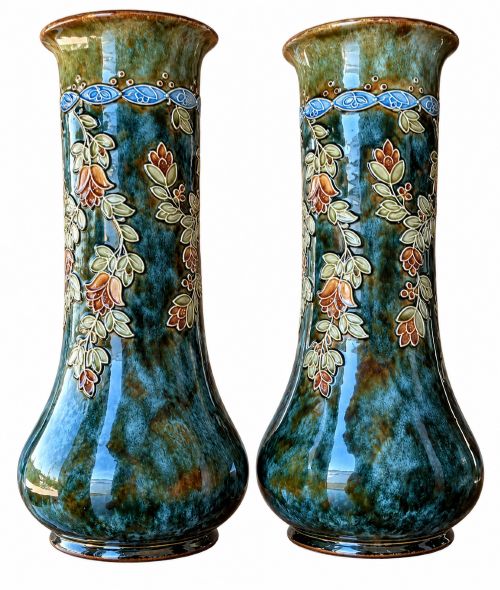
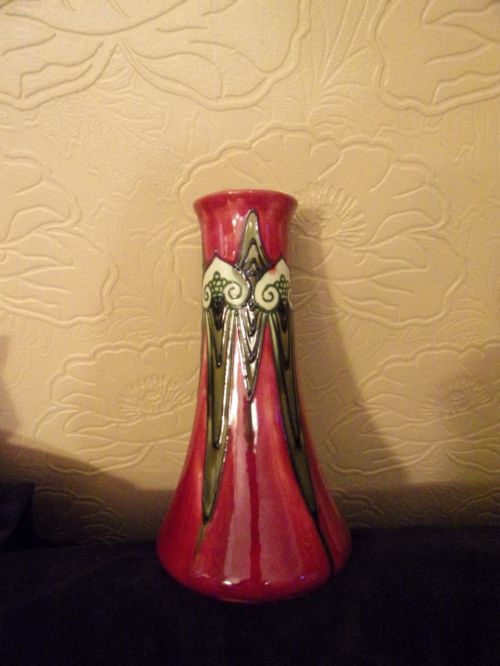
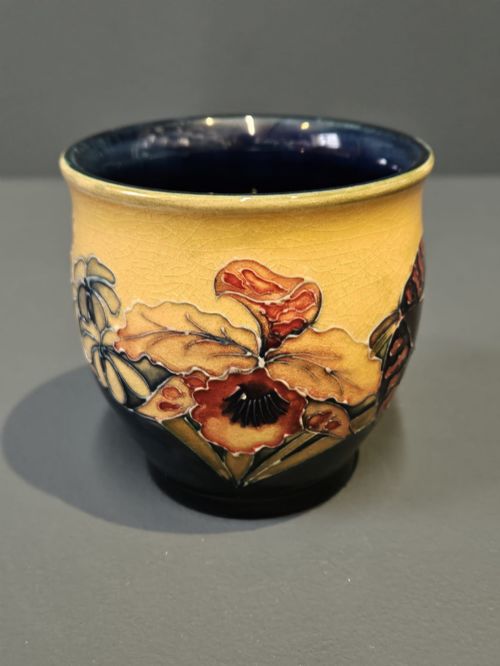
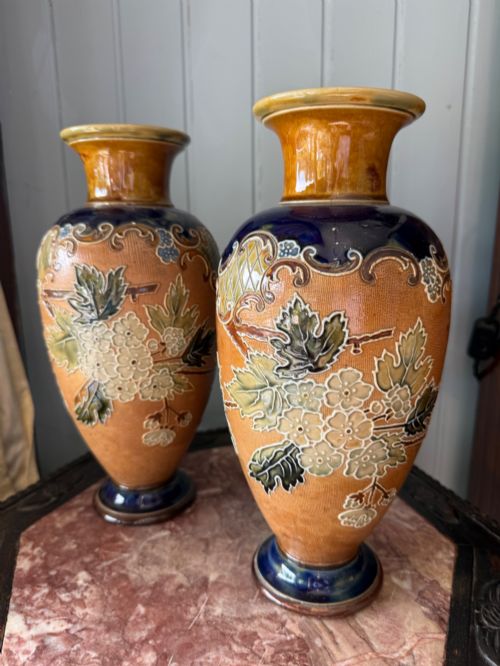
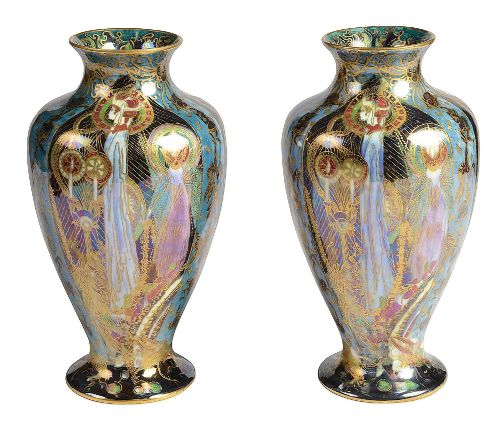
An art pottery vase represents a tangible shift away from mass-produced factory ceramics towards individual studio and workshop creation. Pieces bearing this description span the late nineteenth century through to the mid-twentieth century, capturing pivotal design movements such as Arts and Crafts, Art Nouveau, and Art Deco. The examples most frequently encountered on this page date from around nineteen hundred and the nineteen twenties.
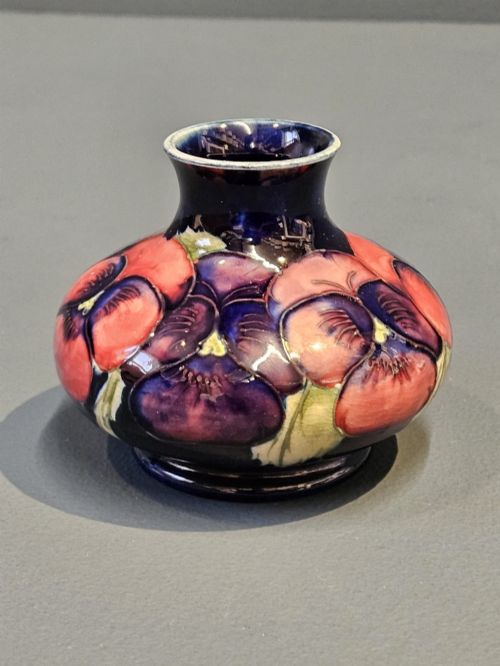
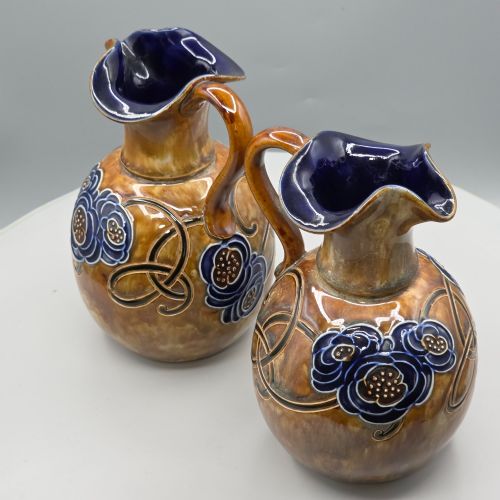
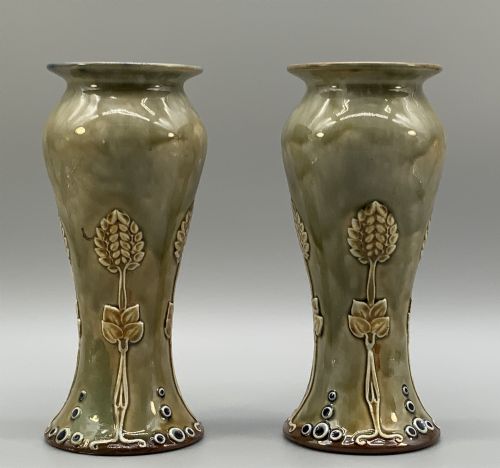
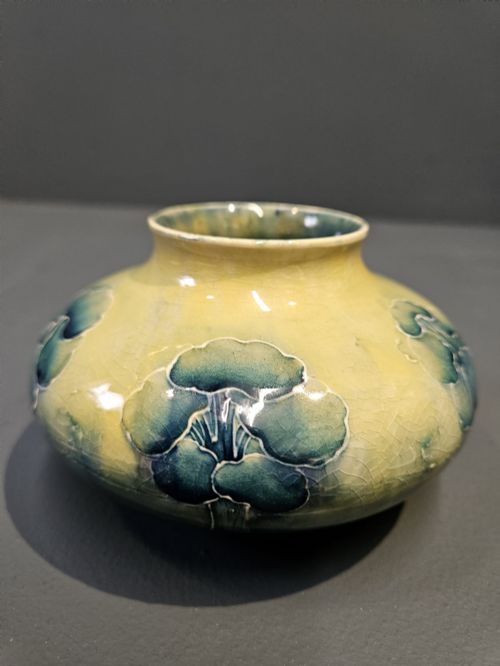
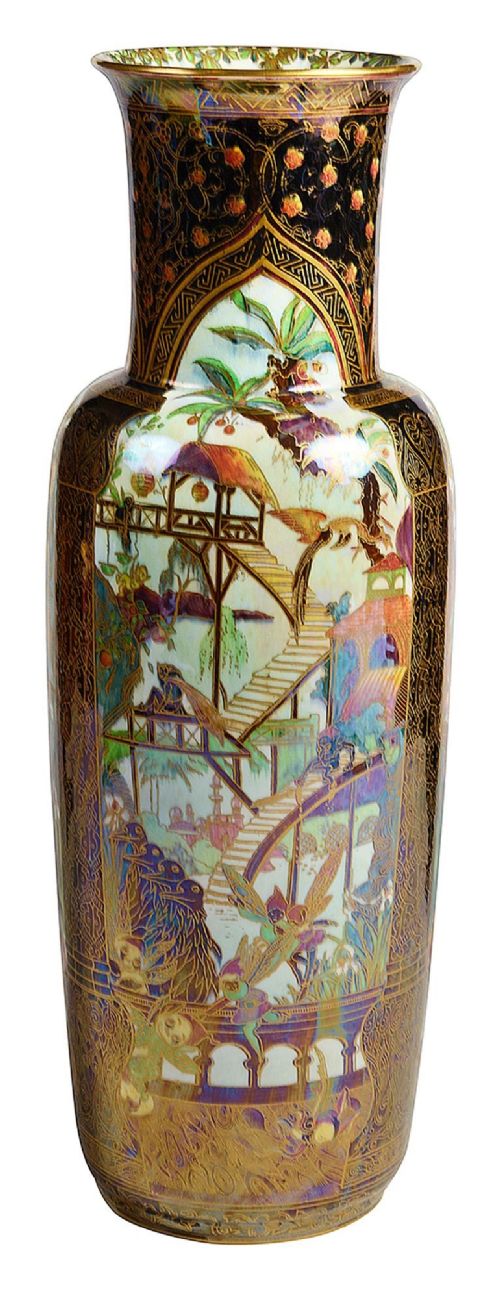
Forms vary considerably, moving from straightforward cylindrical vessels to bulbous shapes, flattened squat jugs, pedestals, and double-handled models. Workshops across Britain, France, Germany, and the Netherlands experimented constantly with form, resulting in distinctive regional interpretations. Buyers encounter everything from modest cabinet pieces to large, imposing display items designed as focal points.
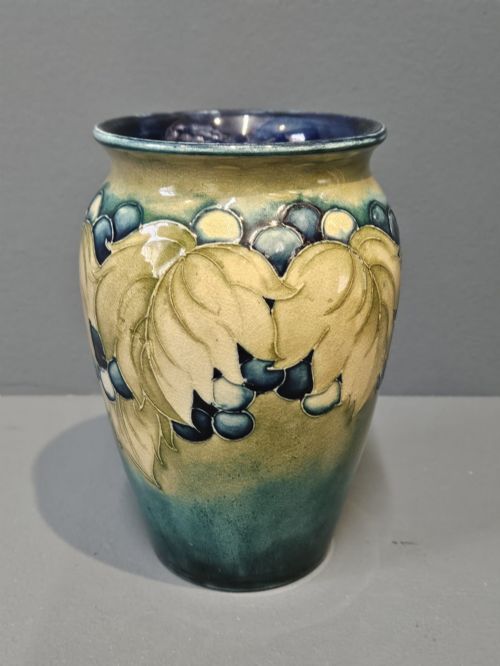
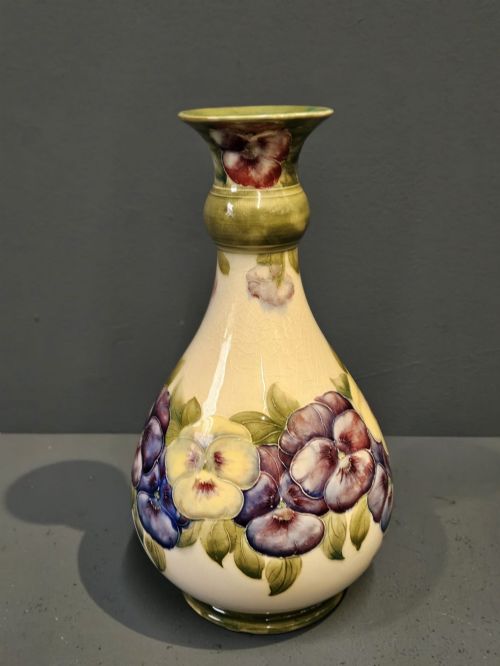
The decorative vocabulary is equally diverse, drawing upon natural motifs, Japanese influences, impasto floral painting, and geometric styling. Makers ranged from prominent commercial potteries with dedicated art departments to small independent studios. Each surviving vessel reflects the specific aesthetic priorities and technical capabilities of its maker and period.
Materials and technique
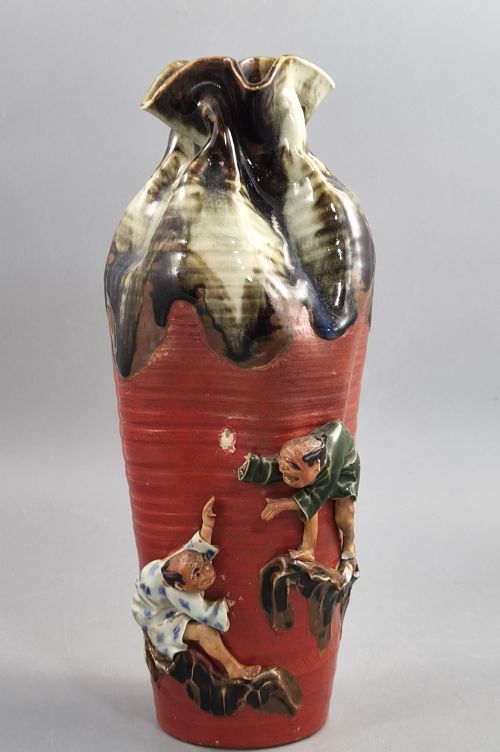
Makers utilised ceramic bodies including earthenware and glazed earthenware, shaping vessels either on the potter's wheel or by casting into moulds. Artisans applied surface decoration through hand-painting, impasto techniques, and applied modelled elements such as demon faces or bird motifs. The underlying clay body provided the structural foundation for subsequent chemical transformations in the kiln.
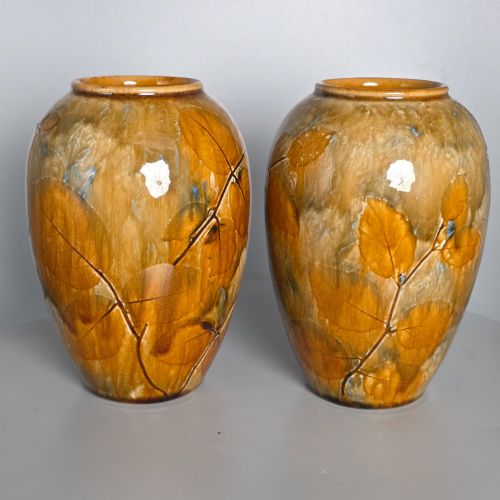
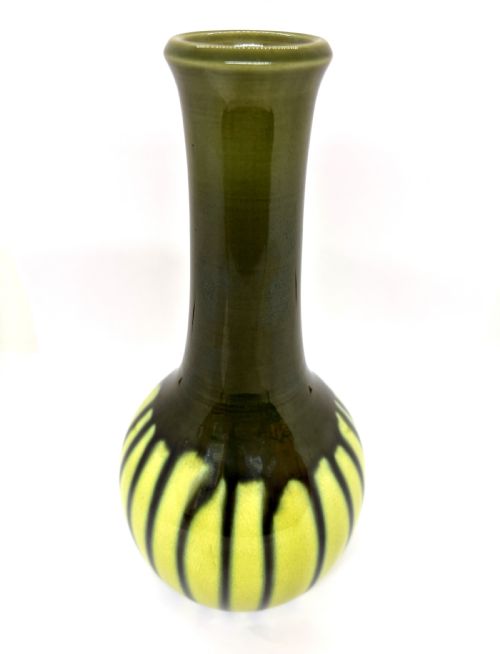
The defining characteristic of these pieces lies in their glaze chemistry, which includes drip glazes and crystalline finishes. Potters manipulated kiln temperatures and mineral oxides to achieve unpredictable, variegated surface effects that could not be replicated identically twice. Specialist marks pressed or painted into the base frequently record the studio, decorator, or specific model number.
Some nineteenth-century potters modeled fierce demon faces directly onto vases, ensuring your flowers are guarded by very grumpy ceramic spirits.
Judging quality and execution
The hierarchy of quality rests primarily on the ambition of the design and the sophistication of the glaze work. Pieces at the upper end display deliberate, confident handling of clay and chemicals, achieving complex crystalline patterns or rich impasto depth rather than flat, uniform colour. Successful integration of form and ornament separates superior artistic output from standard commercial production.
Provenance and documented authorship also influence distinction, particularly when specific designers or named decorators are associated with the work. The crispness of moulded details, the intentional control of runny drip glazes, and the balance of the overall silhouette demonstrate the maker's technical discipline. Condition and originality of the surface finish remain paramount to the integrity of each vessel.
William Moorcroft·Pierrefonds·Paul Dachsel·Eskaf·Royal Bonn·Bretby·Gerbing and Stephan·Wilhelm Schiller and Sons·Ruskin Pottery·Amphora·Poole Pottery·Baron Barnstaple·Royal Doulton·Frederick H Rhead·Liberty and Co
The Art Pottery Vase Glossary
- Drip glaze
- A ceramic finish where liquefied glaze runs down the sides of the vessel during firing. This technique produces random, organic patterns and pooling effects.
- Impasto
- A paint or slip application technique where the medium is laid on the ceramic surface in very thick layers. This creates a tactile, three-dimensional texture that catches the light.
- Crystalline glaze
- A specialist finish containing chemical compounds that form visible mineral crystals during the cooling cycle of the kiln. Each resulting pattern is entirely unique to that firing.
- Majolica
- A type of earthenware coated with an opaque tin-glaze and painted with metallic oxide colours. It was widely used during the nineteenth century for brightly coloured, decorative wares.
- Arts and Crafts
- A design movement valuing traditional craftsmanship, vernacular materials, and reform against industrial mechanisation. It strongly influenced studio pottery production around nineteen hundred.
Frequently Asked Questions
What is an art pottery vase?
An art pottery vase is a decorative ceramic vessel produced by studios, potteries, or individual artists rather than standard commercial factories. These pieces emphasise creative design, experimental glazing, and handcraftsmanship over mass reproduction.
They emerged strongly in the late nineteenth century and continued evolving through twentieth-century design periods. Collectors value them for their artistic expression and connection to historical craft movements.
How were drip glazes created?
Potters formulated glazes with specific viscosities and melting points so they would become highly fluid inside the kiln. As the temperature peaked, gravity pulled the molten minerals downward over the body of the vase.
The final appearance depended entirely on kiln placement, temperature fluctuations, and chemical composition. This made precise control difficult and ensured every fired result was distinct.
How should I display these vases at home?
Displaying an art pottery vase involves placing it where natural light can accentuate its glaze variations and surface texture. Because many examples feature intricate crystalline or drip finishes, unobstructed placement allows the full silhouette to be appreciated.
They function well as standalone decorative objects on stable surfaces away from heavy household traffic. Pairing them with complementary period interiors enhances their historic aesthetic context.