
Hand Painted Ceramic Urn
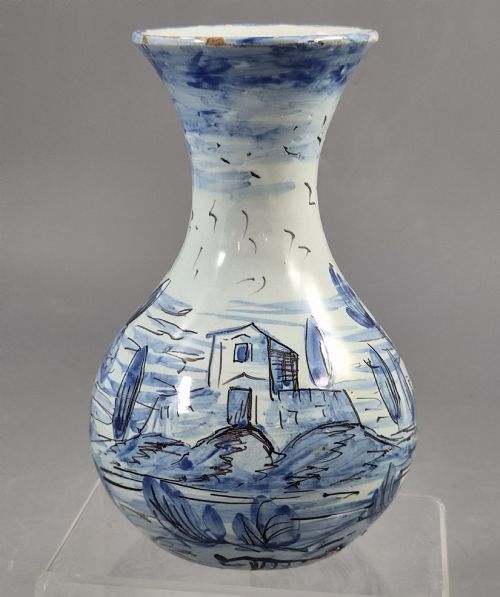
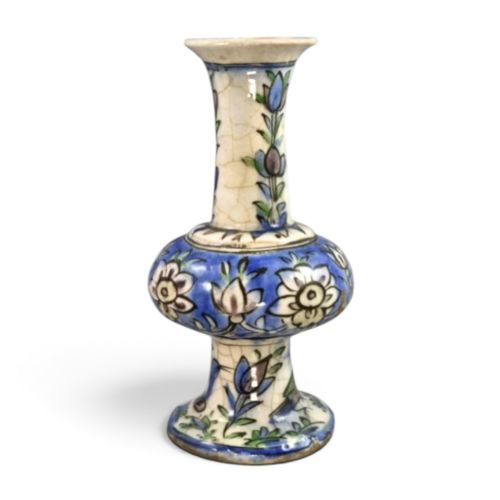
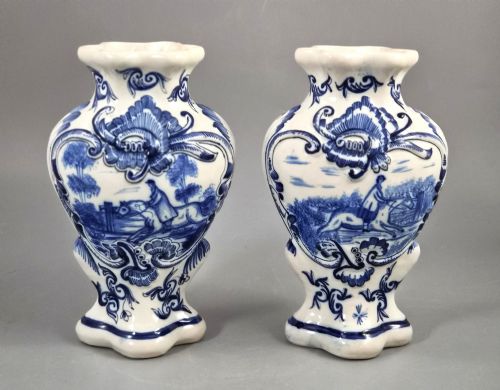
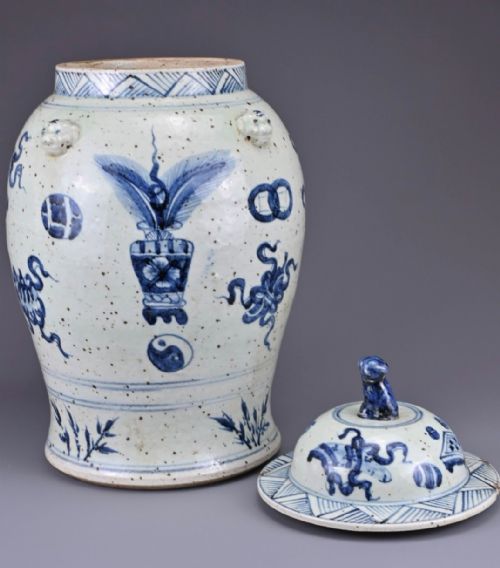
When you search for a hand painted ceramic urn, you seek a decorative vessel that unites pigment with clay from centuries past.

Hand Painted Ceramic Urn
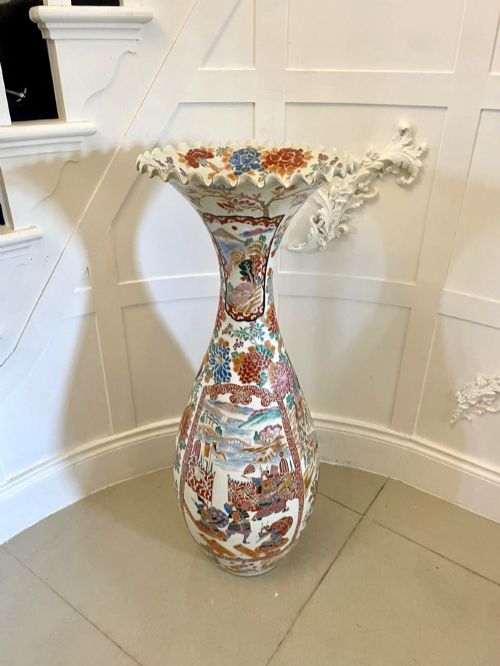
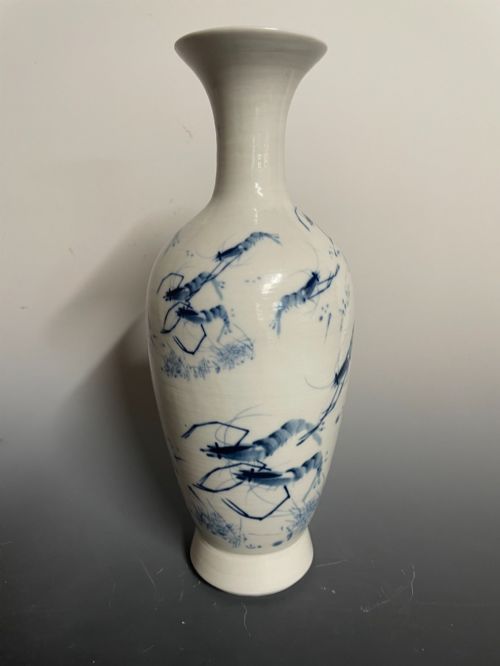
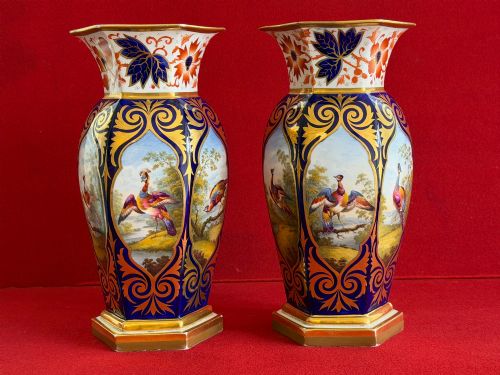
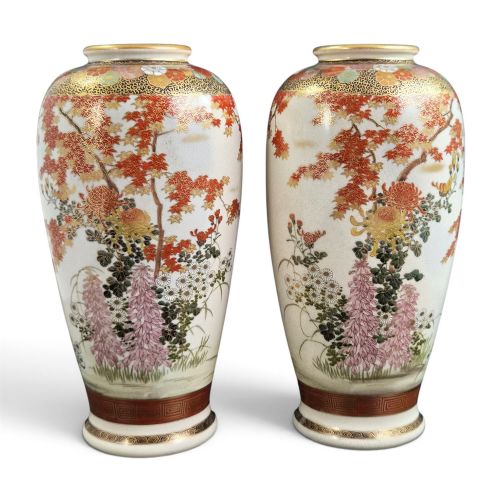
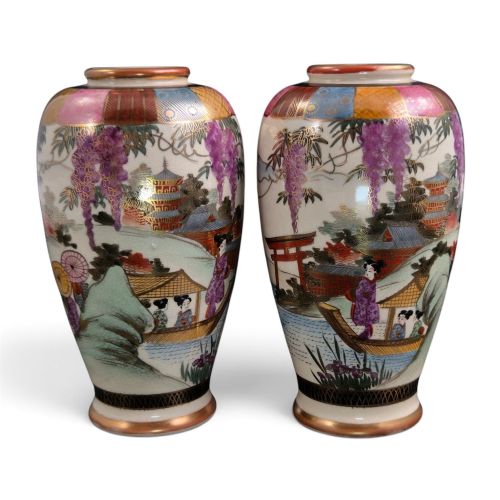
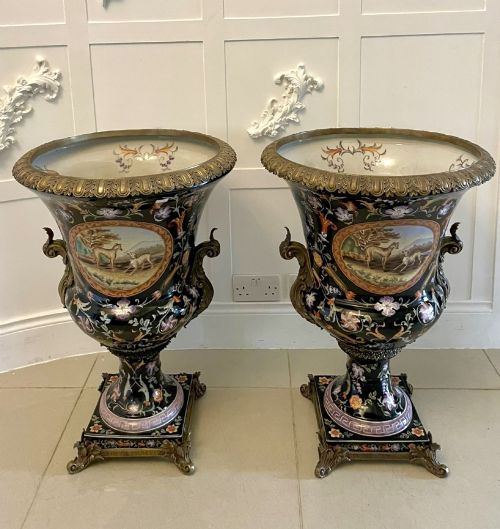
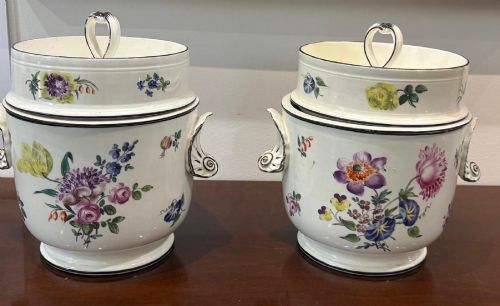
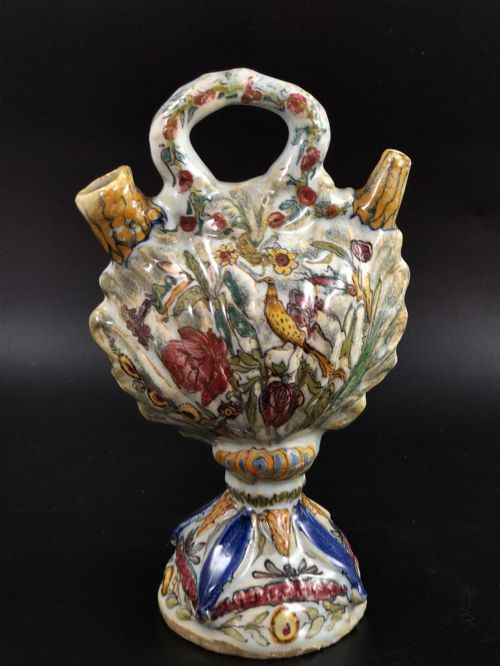
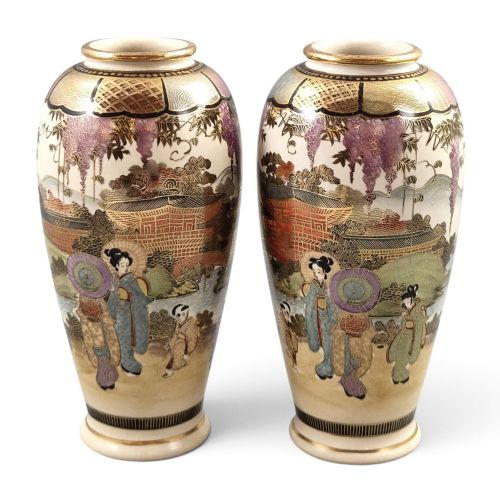
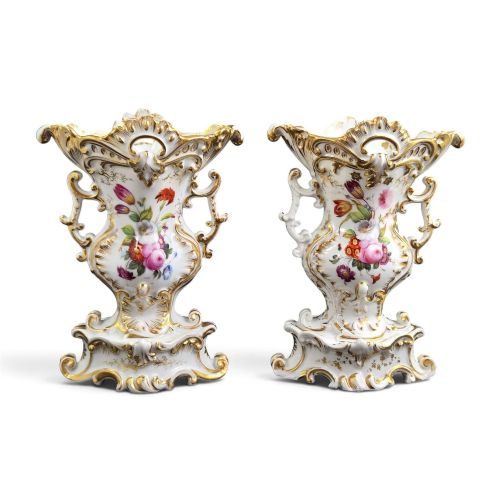
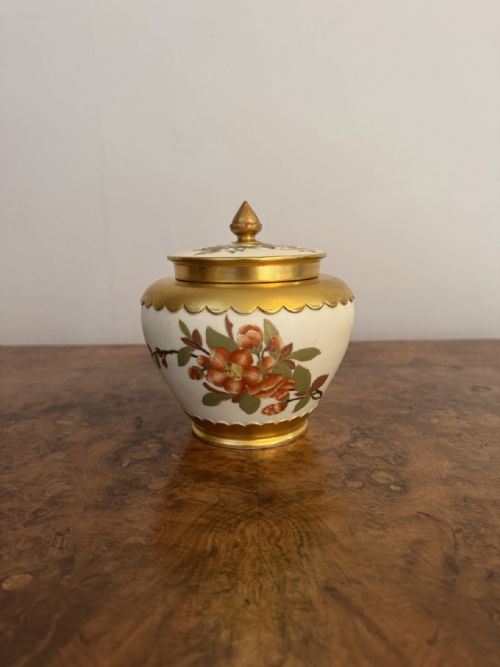
A hand painted ceramic urn represents a diverse group of vessels designed for display, originating from various international traditions and periods. Collectors encountering these pieces on this page will find objects ranging from English porcelain and earthenware to Japanese Satsuma and Chinese export wares. The forms encompass lidded jars, floor vases, table lamps, and traditional urns created across the eighteenth, nineteenth, and early twentieth centuries.
The aesthetic vocabulary spans French Rococo Revival, Japanese Imari, and classical Regency styles, reflecting the tastes of distinct eras. Pieces from English factories like Worcester sit alongside continental majolica, faience, and Asian export ceramics. Each item serves primarily as a decorative focal point, utilising polychrome glazes, enamel, and hand-applied motifs to catch the eye.
Materials and construction techniques
Makers shaped these vessels from refined ceramic bodies including porcelain, earthenware, and creamware, often throwing them on a potter's wheel or casting them in moulds. Artisans then applied pigments by hand, utilising underglaze blue, enamel colours, and detailed polychrome washes to render botanical, figural, and landscape scenes.
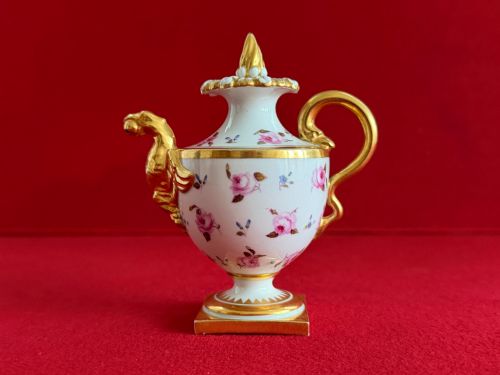
Many examples incorporate metallic enrichment, such as gold leaf and delicate gilding applied to rims, handles, and raised relief elements. Final firings in kilns set the glazes and fixed the metallic accents, occasionally supplemented by brass mounts or bronze fittings added to support the ceramic body.
Hand Painted Ceramic Urn Retail Price Guide 2026
Typical asking prices for hand painted ceramic urn among the pieces listed under this phrase on Sellingantiques today, from the lower quarter to the upper quarter. They describe what is for sale here now, not the wider market.
Listings feature porcelain, earthenware, and creamware vessels adorned with enamel, gilding, and gold leaf.
Quality factors in painted ceramics
The standard of a hand painted ceramic urn depends heavily on the precision and fluency of the brushwork applied to the surface. Master painters achieved greater depth, finer detail, and more harmonious colour palettes than lesser workshops, elevating the visual impact of floral sprays or figural narratives.
The purity of the ceramic body and the control demonstrated during the kiln firing process also separate ordinary production from superior examples. Evenness of glaze, crispness of moulded relief, and the intact preservation of fragile gilding indicate the care taken during original manufacture.
Flight Barr And Barr·Royal Worcester·Jacob Petit·Cantagalli·Sitzendorf·Doulton Lambeth
The Hand Painted Ceramic Urn Glossary
- Majolica
- Opaque tin-glazed earthenware decorated with brightly coloured metal oxides, widely produced in Italy and across Europe.
- Imari
- Japanese export porcelain distinguished by a palette of underglaze blue, iron red, and supplementary gold.
- Satsuma
- Japanese earthenware featuring a crackled cream-coloured glaze and dense polychrome enamel painting enriched with gold.
- Faience
- European tin-glazed pottery, encompassing various regional styles from French and English traditions.
- Gilding
- The application of gold leaf or powdered gold to ceramic surfaces, often fired for permanence.
- Polychrome
- Decoration employing multiple distinct colours across the painted design of the vessel.
Hand Painted Ceramic Urn: Frequently Asked Questions
How do I care for antique painted ceramics?
Protect these pieces by keeping them away from direct sunlight to prevent the hand-painted enamels and delicate gilding from fading over time.
Dust them gently with a soft, dry brush and avoid using water or chemical cleaners, particularly on unglazed surfaces or areas with exposed gold leaf.
Were these vessels used for flowers?
Many forms, such as garniture vases and jardinières, were specifically produced to hold botanical displays or cut flowers within domestic interiors.
Other objects, including lidded potpourri pots and large floor jars, served to perfume rooms or functioned strictly as architectural ornaments for mantelpieces and tables.
How can I identify the period of a ceramic piece?
Examine the underglaze factory marks, painted signatures, and the specific composition of the ceramic body, which changed noticeably from the eighteenth to the twentieth century.
Stylistic cues such as Rococo Revival scrollwork or Meiji period motifs also provide reliable clues to the exact decade of manufacture.