
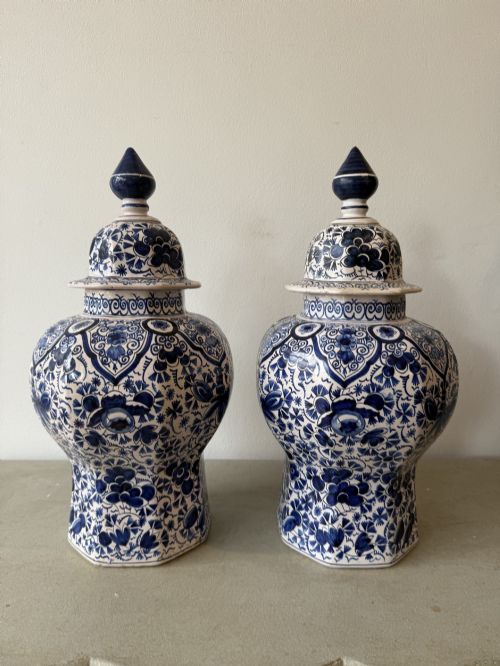


Tin Glazed Earthenware Vase
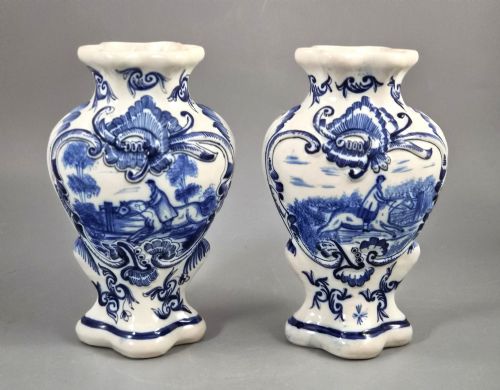
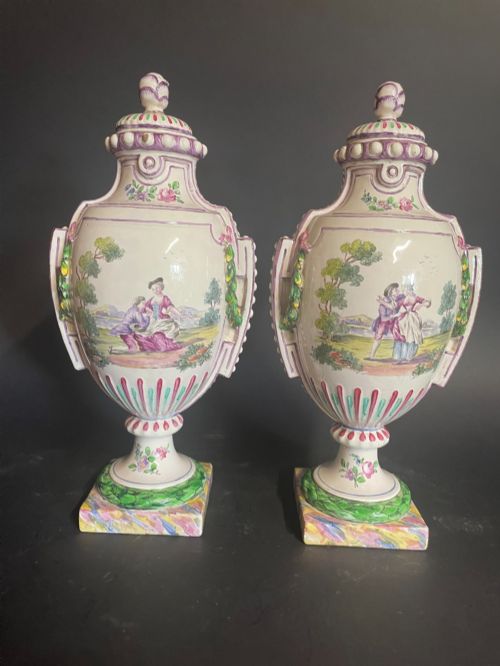
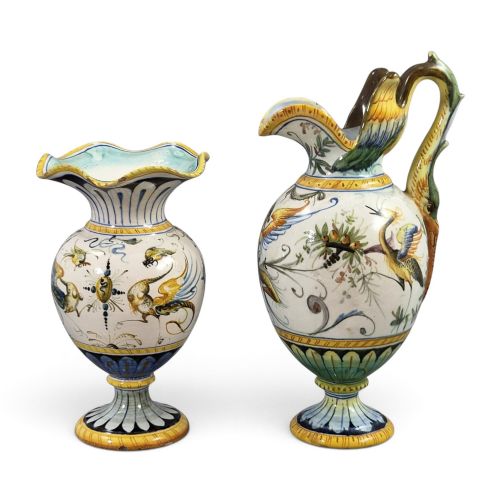
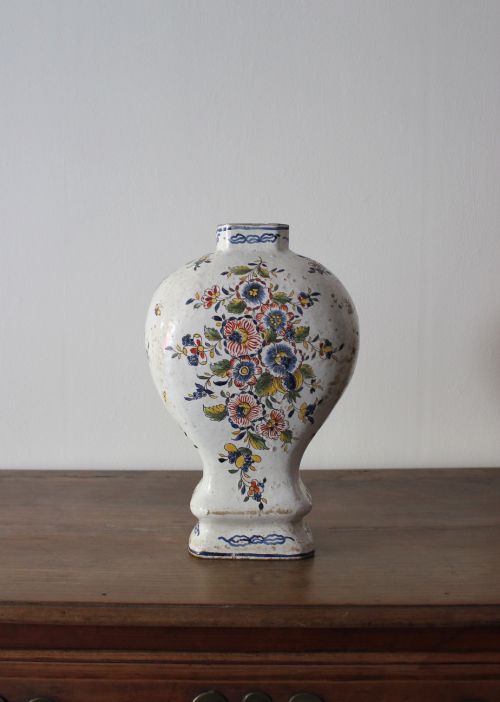
These tin glazed earthenware vase examples bring vibrant regional palettes and historical ceramic forms directly into modern interiors.
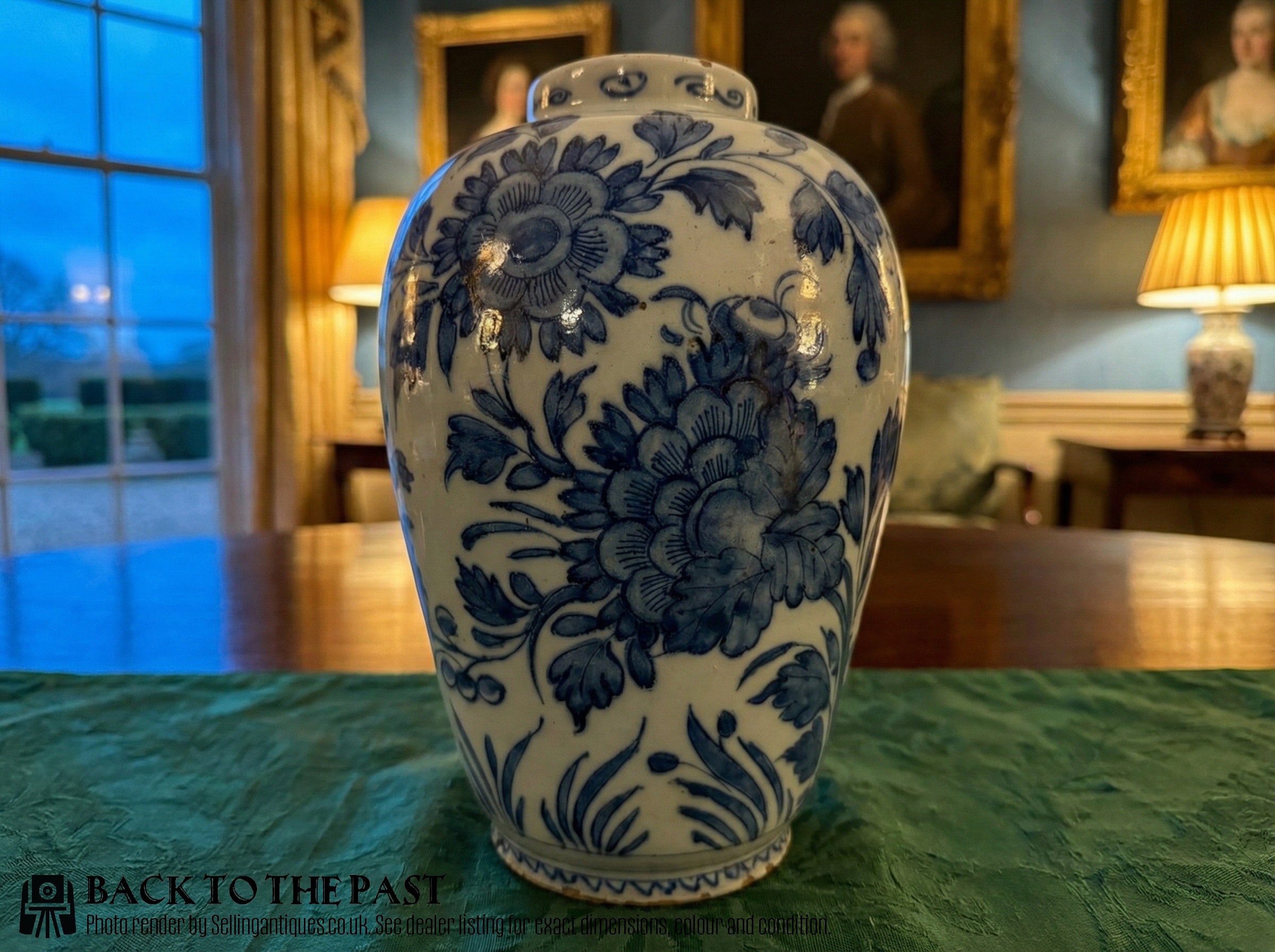
Tin Glazed Earthenware Vase
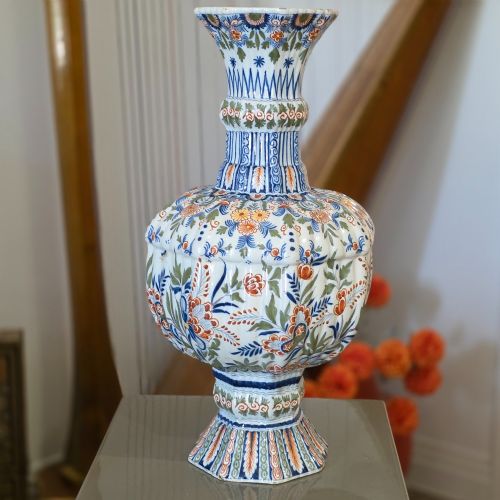
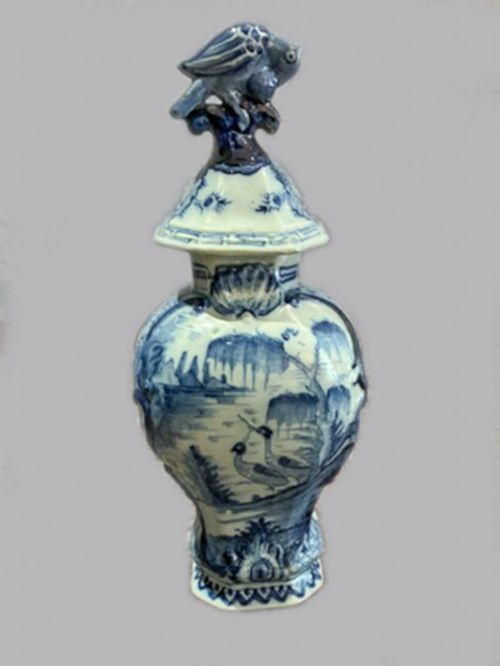
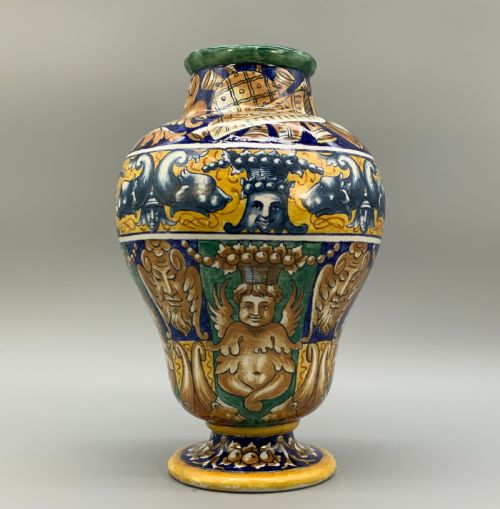
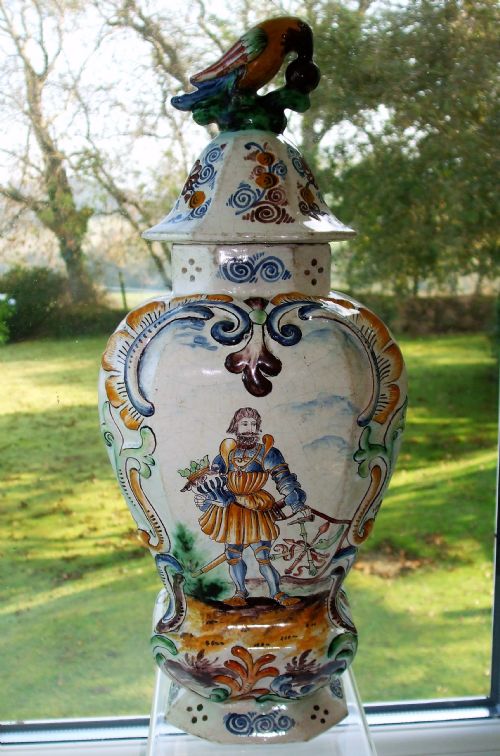
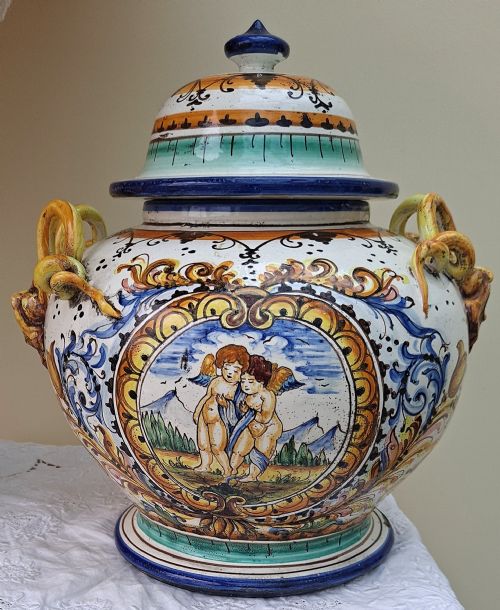
A tin glazed earthenware vase combines absorbent earthenware clay bodies with an opaque, tin-opacified white glaze that serves as a canvas for painted decoration. Buyers encounter numerous regional traditions here, ranging from seventeenth-century Dutch Delftware and eighteenth-century Italian majolica to nineteenth-century French faience revivals.
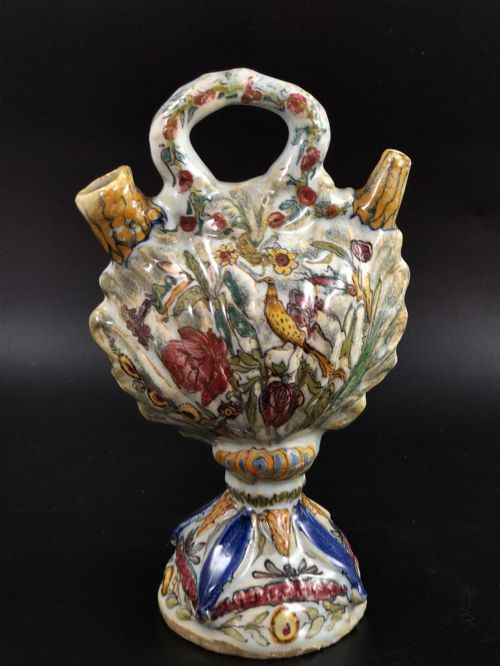
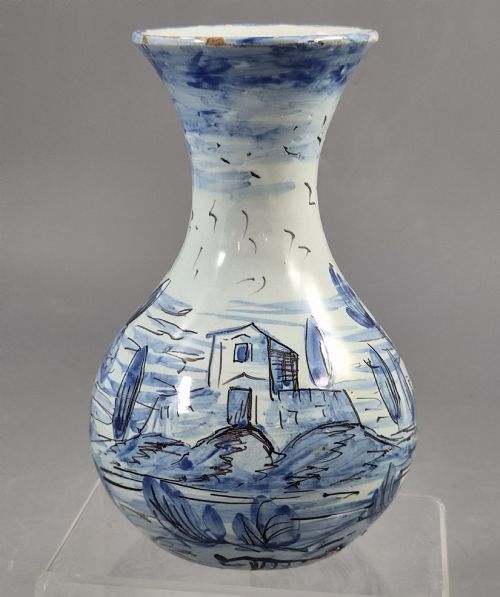
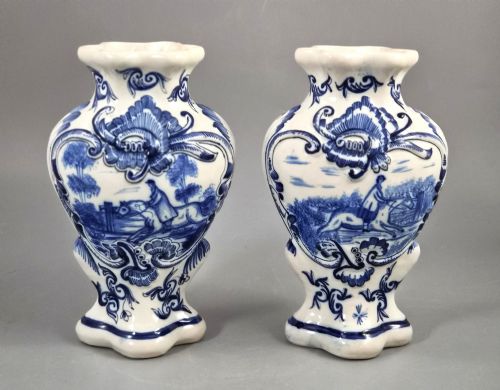
Forms span standard baluster vessels, lidded jars, apothecary albarelli, and sculptural pilgrim flasks. Many pieces display traditional blue and white painting, while others utilise polychrome palettes including manganese, orange, and green.
The selection encompasses both original period production and nineteenth-century revival pieces modelled after earlier Renaissance and Baroque aesthetics. Domestic and Continental European potteries dominate the origins recorded across the listings.

Materials and production methods
Potters shape local earthenware clays on the wheel or press them into moulds to create bodies for these vessels, before firing them to a biscuit state. This porous fired clay then receives a liquid glaze containing tin oxide, which dries into a chalky white coating ready to absorb pigments.
Painters apply metallic oxides directly onto the unfired glaze surface, where the porous coating draws in the cobalt, copper, or antimony pigments instantly. A final high-temperature kiln firing vitrifies the glaze and fuses the painted decoration into a smooth, glossy finish.
Tin Glazed Earthenware Vase Retail Price Guide 2026
Typical asking prices for tin glazed earthenware vase among the pieces listed under this phrase on Sellingantiques today, from the lower quarter to the upper quarter. They describe what is for sale here now, not the wider market.
Listings feature tin glazed earthenware pieces spanning from the seventeenth century through to nineteenth-century revival movements.
Understanding quality differences
Quality rests upon the crispness of the painted brushwork and the stability of the tin glaze over the earthenware body. Master painters execute fluid, confident botanical or Chinoiserie motifs, whereas lesser examples show hesitation or mechanical stiffness in the line.
The density and uniformity of the white tin glaze also separate standard production from superior work. A smooth, well-fitted glaze without excessive crawling or pooling allows the underlying form and painted detail to read clearly.

Cantagalli·Fourmaintraux Courquin·Sceaux Faience·Drie klokken Factory·Lambeth Pottery
The Tin Glazed Earthenware Vase Glossary
- Majolica
- Tin-glazed earthenware produced in Italy, typically featuring colourful painted ornamentation influenced by Renaissance aesthetics.
- Faience
- The French and general European term for tin-glazed earthenware, often produced in workshops across regions like Desvres and Sceaux.
- Albarello
- A cylindrical earthenware jar used by apothecaries to store drugs and ointments, frequently decorated with painted strapwork or floral panels.
- Chinoiserie
- European decorative motifs imitating Chinese artistic styles, commonly rendered in blue and white on seventeenth and eighteenth-century ceramics.
- Baluster
- A vertical architectural form characterised by a swelling lower body tapering to a narrow neck, frequently used for vase shapes.
Tin Glazed Earthenware Vase: Frequently Asked Questions
Can I use these vases for fresh flowers?
Most antique tin glazed earthenware vessels are best kept dry due to the porous nature of the underlying clay body. Water seepage through historical glaze fractures can cause staining or weaken the ceramic structure over time.
Display them empty or utilise a discreet, watertight interior vessel if holding botanical arrangements. This protects the historic fabric from moisture damage.
What is the difference between delft and majolica?
Delft generally refers to tin-glazed earthenware made in the Netherlands, traditionally known for blue and white or polychrome maritime and floral designs. Majolica is the traditional term for Italian tin-glazed pottery noted for rich Renaissance polychromy.
Both employ similar fundamental techniques of earthenware bodies and tin opacified glazes. Regional painting styles and palette preferences distinguish their origins.
How can I date a tin glazed earthenware vase?
Dating relies on examining the characteristics of the earthenware body, glaze opacity, and stylistic painting conventions. Eighteenth-century pieces often display thinner potting and specific pigment tones, while nineteenth-century revival items show different kiln support marks and standardised forms.
Factory marks, where present, help pinpoint specific workshops and production decades. Comparing decorative motifs with established historical examples provides further chronological context.