


Antique Dutch Earthenware
These pieces of antique dutch earthenware bring centuries of tin-glazed artistry and hand-painted blue and white decoration straight into a room.
Antique Dutch Earthenware
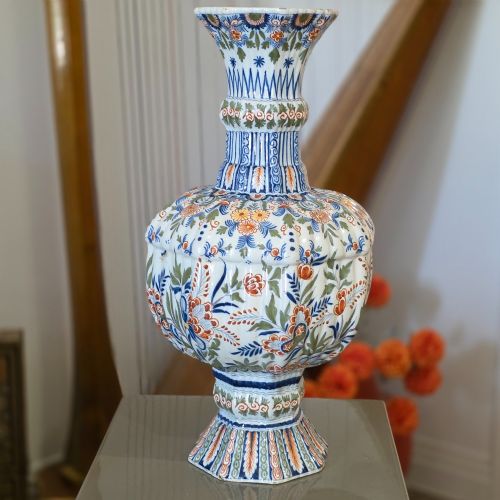
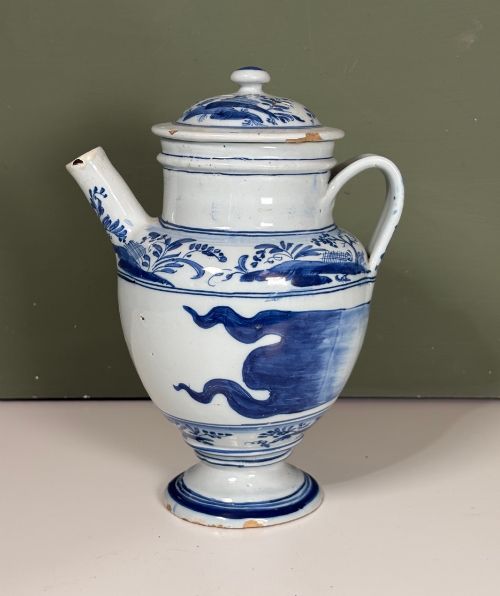
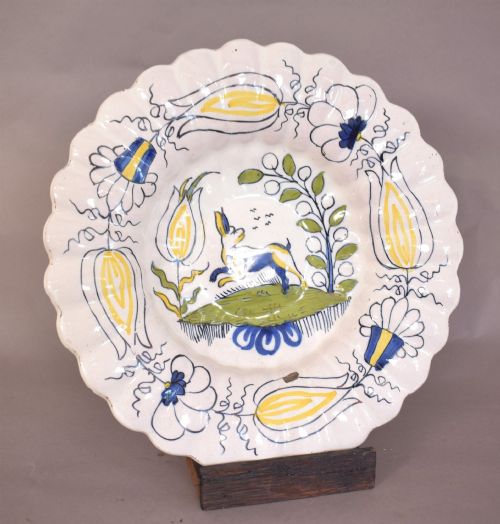
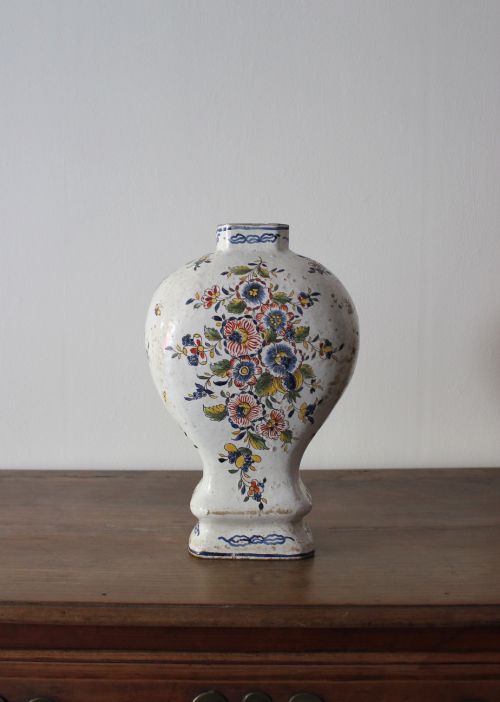
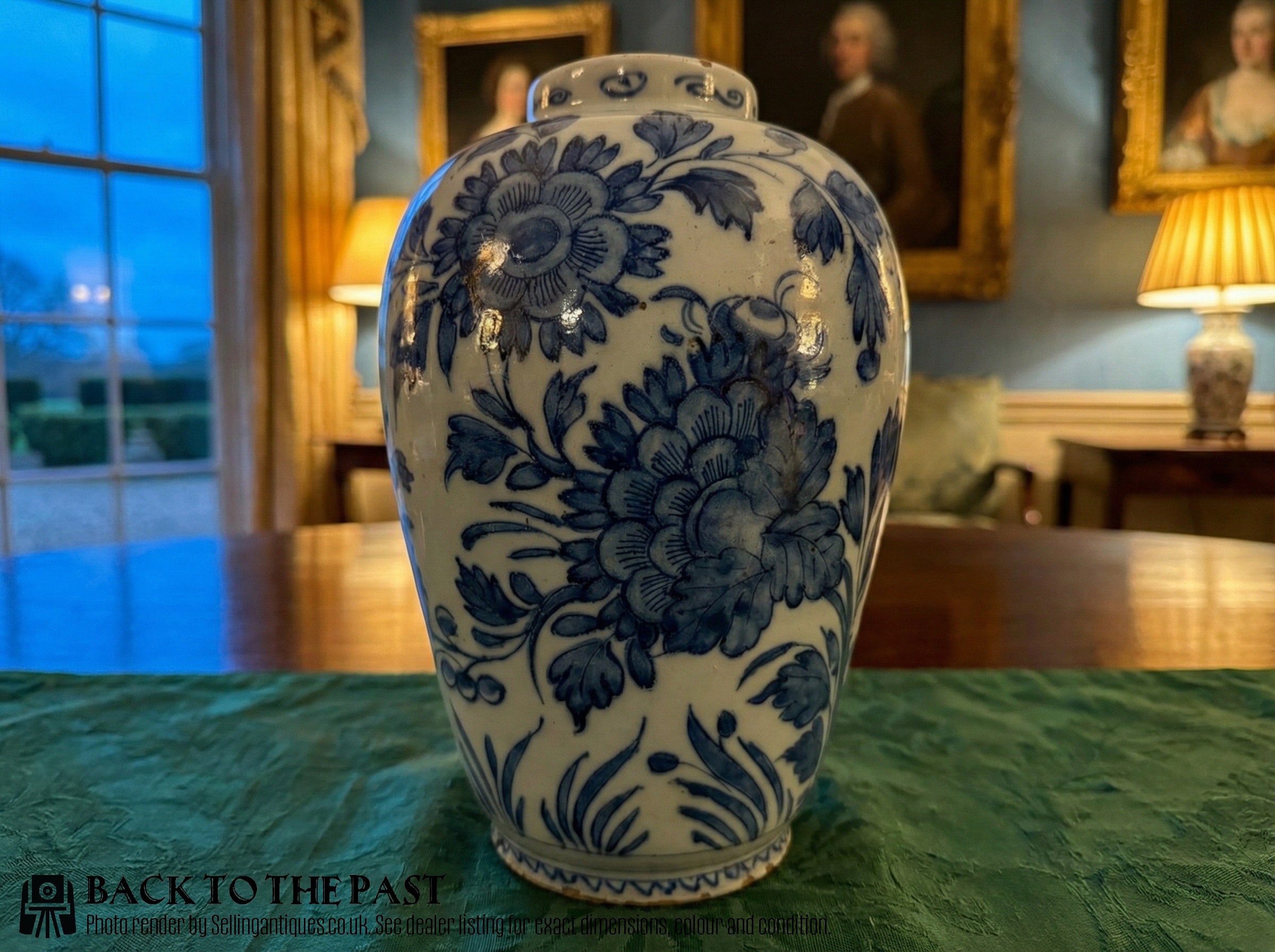
When you search for antique dutch earthenware, you encounter centuries of pottery traditions originating from the Netherlands, primarily associated with Delftware production. The selection spans the seventeenth, eighteenth, and nineteenth centuries, taking forms such as chargers, large vases, apothecary jars, tiles, and puzzle jugs. Blue and white schemes dominate, alongside occasional polychrome and manganese examples.
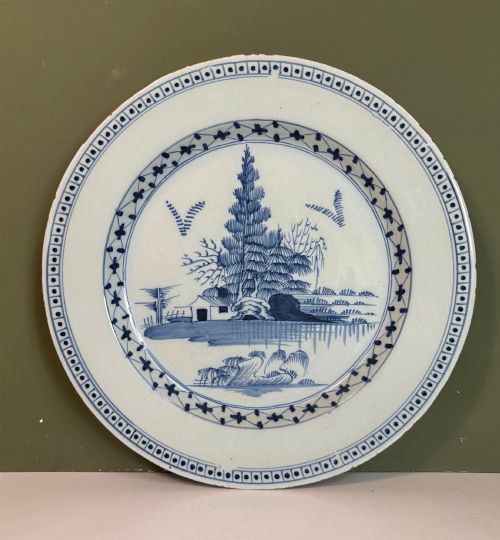
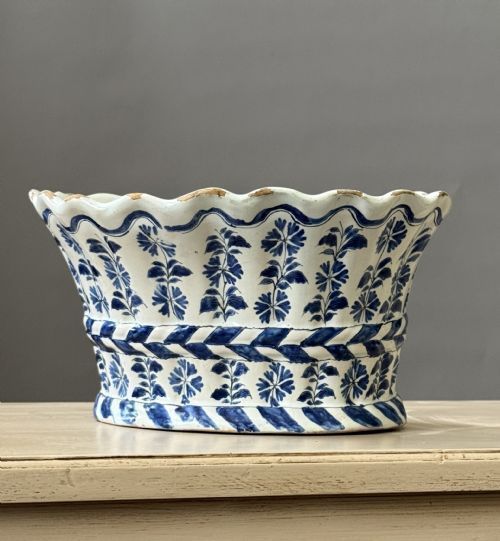
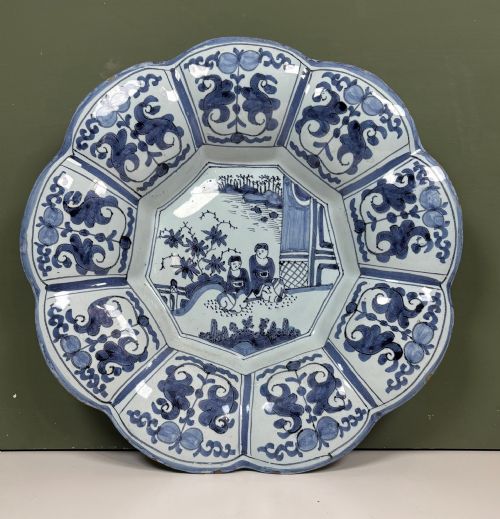
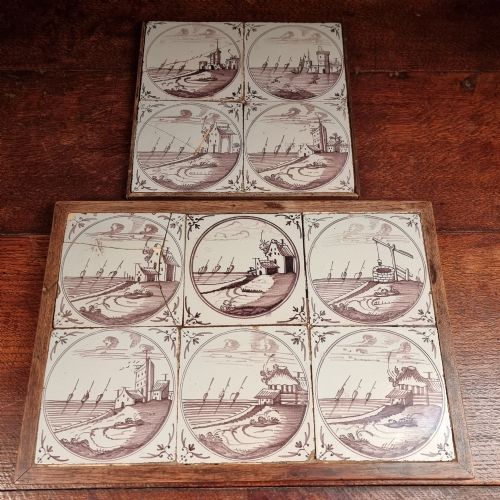
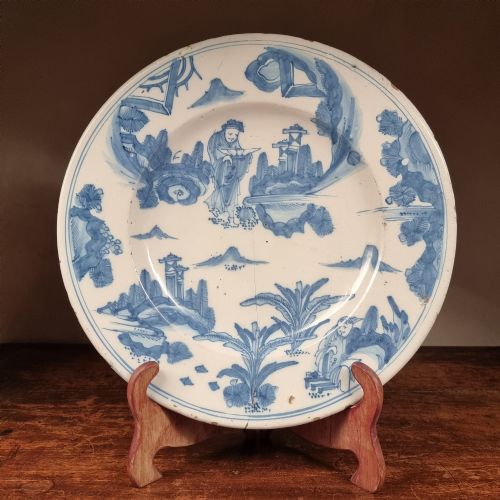
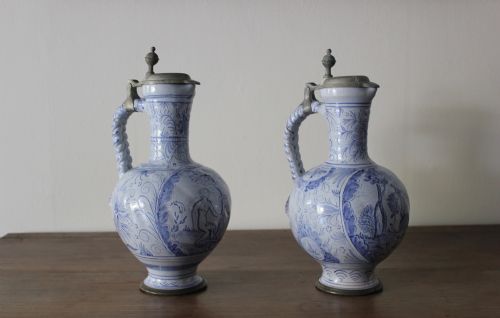
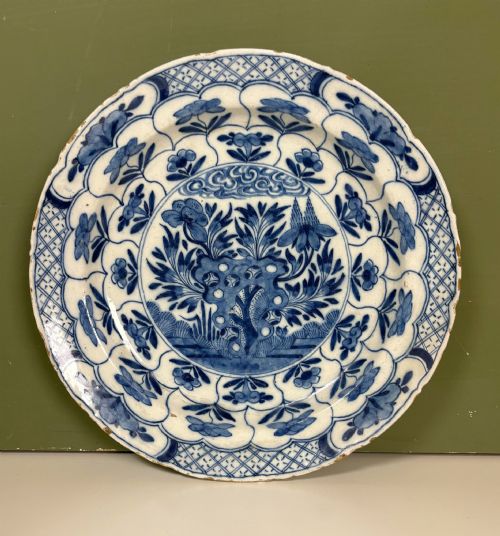
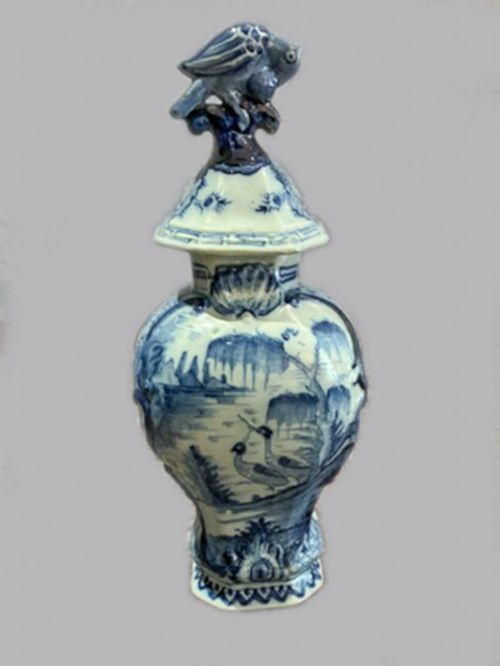
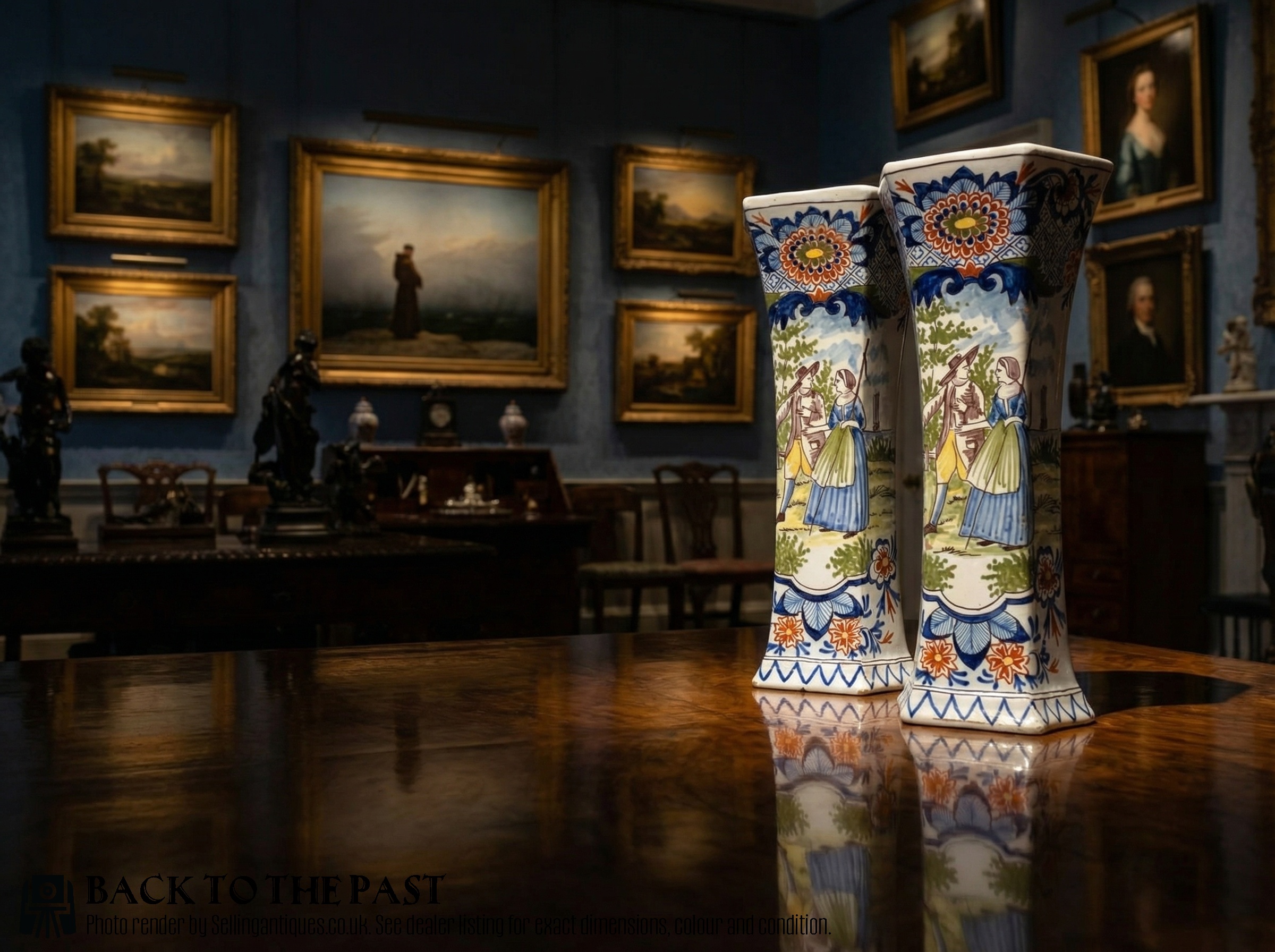
Plates and chargers form a significant portion of what meets the eye, often featuring traditional Chinoiserie or floral motifs. Vases and garden urns represent the larger decorative end of the scale, while smaller items like snuff boxes and barber's bowls show the breadth of everyday utility objects made in this ceramic tradition. Pieces range from matched pairs of lidded vessels down to individual tiles painted with animal motifs.
Originating largely from Dutch workshops, these ceramics bridge the gap between functional household items and high decorative art. The forms reflect the shifting tastes of collectors across different eras, maintaining a distinct earthenware body beneath the white tin glaze. Hand-painted details unite the various types, from marriage plates to posset pots.
Materials and production methods
The primary material foundation of these ceramics is earthenware, coated in a tin glaze that provides a smooth white surface for subsequent painting. Artisans applied cobalt pigment or cobalt oxide to create the characteristic blue decoration directly onto the unfired or slightly fired glaze. Some pieces incorporate additional metallic oxides to achieve polychrome colour palettes.
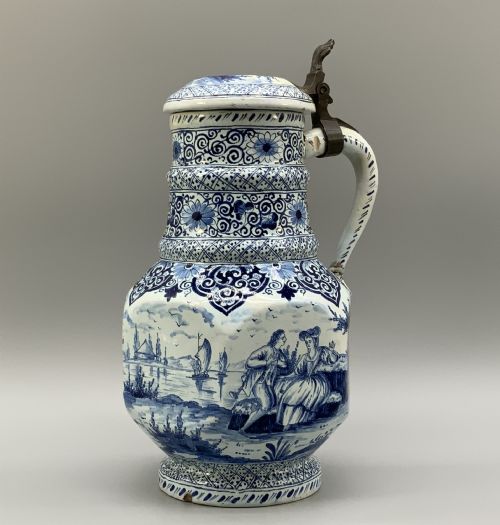
Firing took place in traditional kilns, where the application of the tin glaze required considerable skill to prevent running or cracking. Certain vessels also integrated secondary elements, such as pewter lids fitted to jugs and pitchers during later periods. Hand-painting ensured that each charger, tile, and vase received individual brushwork.
Antique Dutch Earthenware Retail Price Guide 2026
Typical asking prices for dutch earthenware among the pieces listed under this phrase on Sellingantiques today, from the lower quarter to the upper quarter. They describe what is for sale here now, not the wider market.
Listings for antique dutch earthenware span the seventeenth, eighteenth, and nineteenth centuries, featuring tin-glazed earthenware bodies decorated with cobalt pigment.
Judging the quality of the glaze and brushwork
Quality rests heavily upon the crispness of the hand-painted brushwork and the stability of the tin glaze across the earthenware body. Superior examples display confident, fluid lines in the cobalt pigment, whereas lesser pieces show muddied pigments or pooling in the glaze. The harmony between the white tin ground and the painted motif dictates visual success.
The complexity of the vessel shape and the survival of original lids on jars, urns, and vases also separate standard examples from finer items. Chargers and large dishes with well-balanced compositions, such as detailed Chinoiserie scenes or historical plaques, hold greater visual presence than simpler utilitarian bowls. Condition plays a role, though minor glaze flakes often accompany ceramics of this age.
The Antique Dutch Earthenware Glossary
- Tin-Glazed Earthenware
- Pottery fired from common clay and coated with a glaze containing tin oxide to produce an opaque white surface. This white ground served as the canvas for painted decoration.
- Cobalt Pigment
- A metallic colourant used to produce the deep blue hues seen on the majority of these Dutch ceramics. It withstands high kiln temperatures without losing intensity.
- Charger
- A large decorative plate intended primarily for display on a wall or dresser rather than for dining use. Many eighteenth-century examples feature painted floral or figural centres.
- Bough Pot
- A specialised ceramic vessel designed to hold cut branches or flowers for interior decoration. These often feature pierced lids to keep stems in place.
- Chinoiserie
- European artistic styles reflecting Chinese motifs and landscapes, frequently hand-painted onto seventeenth and eighteenth-century ceramics. This style heavily influenced Dutch blue and white pottery design.
Antique Dutch Earthenware: Frequently Asked Questions
What is tin-glazed earthenware?
Tin-glazed earthenware is pottery made from a basic clay body covered in an opaque white glaze containing tin oxide. This coating creates a smooth background suitable for hand-painted cobalt decoration.
The technique formed the basis of traditional Dutch Delftware production across the seventeenth and eighteenth centuries.
How were chargers used?
Chargers were large decorative plates primarily hung on walls or displayed on dressers in prosperous households. Their substantial surface area made them ideal canvases for detailed painted scenes and floral borders.
While technically capable of holding food, their primary role was visual display rather than daily dining.
What is a puzzle jug?
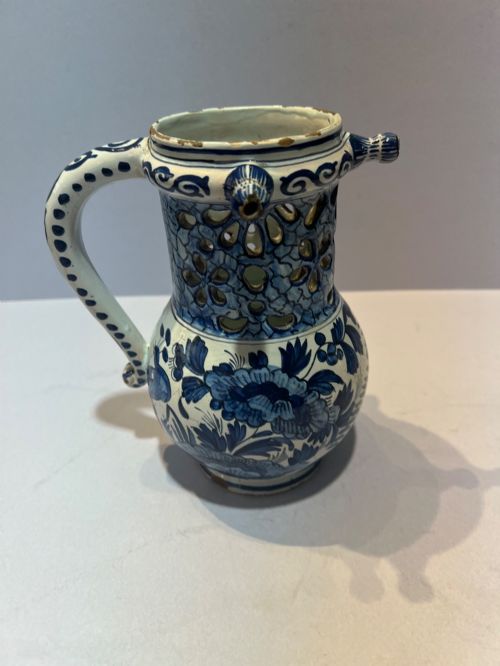
A puzzle jug is a specialised drinking vessel featuring a pierced neck that appears to make drinking impossible without spilling. Users had to figure out the hidden tubular pathway through the handle and rim to drink successfully.
These entertaining earthenware objects were popular in taverns and social gatherings during earlier centuries.
How do you date Dutch Delftware?
Dating relies on examining the painting style, palette, glaze characteristics, and the physical form of the earthenware body. Shifts from seventeenth-century Kraak influences to later floral and pictorial designs help establish a chronological window.
Records of kiln marks and comparative examples further assist in narrowing down the period of manufacture.