





Antique Porcelain Platter
An antique porcelain platter brings centuries of artistry to the table, offering versatile serving space and hand-painted detail from English, European and Asian kilns.

Antique Porcelain Platter
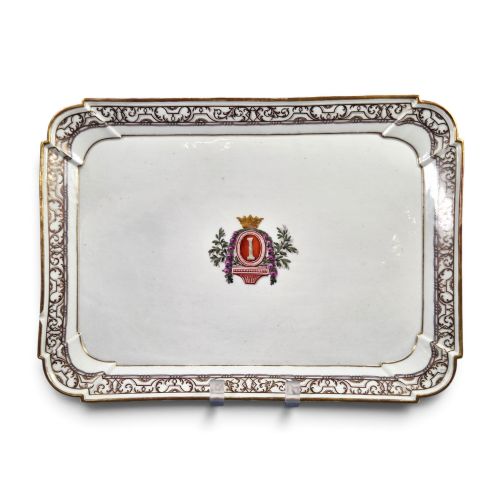
When you search for an antique porcelain platter, you encounter a diverse range of serving dishes, chargers, and decorative plates spanning from the seventeenth century through the early twentieth century. These pieces originate from historic English factories, continental European kilns, and Asian export traditions.
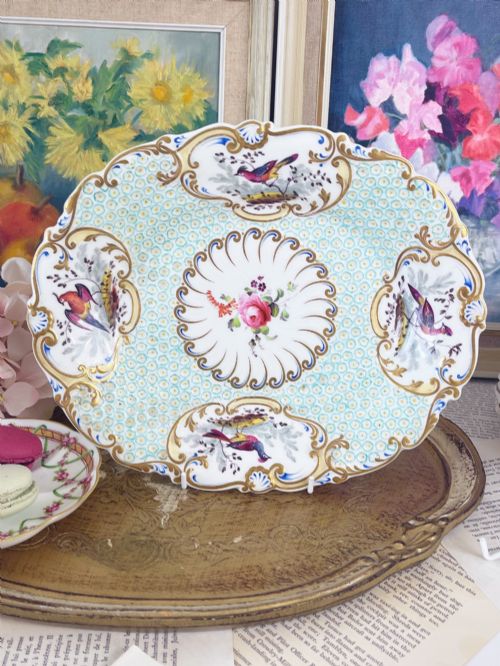
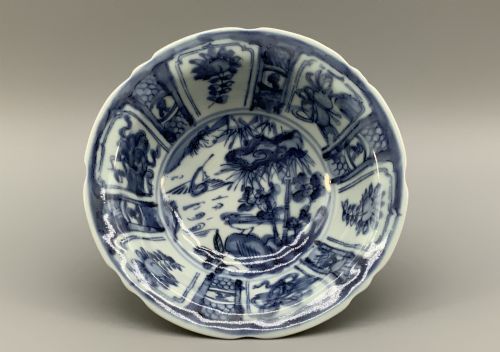
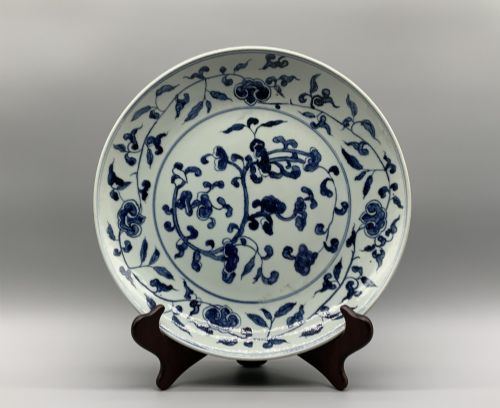
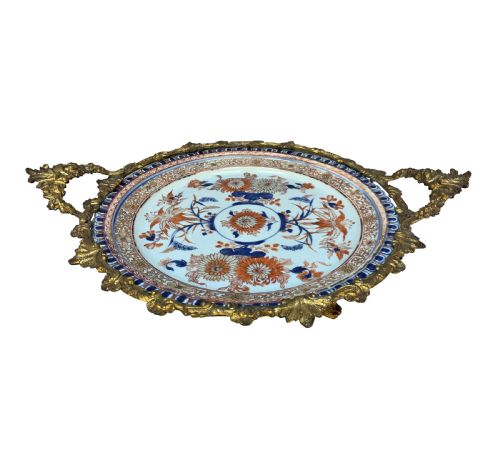
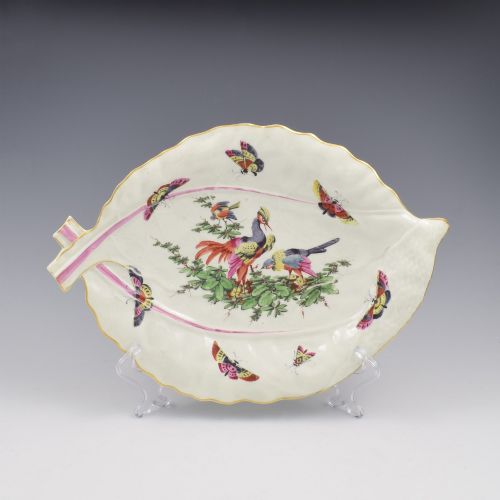
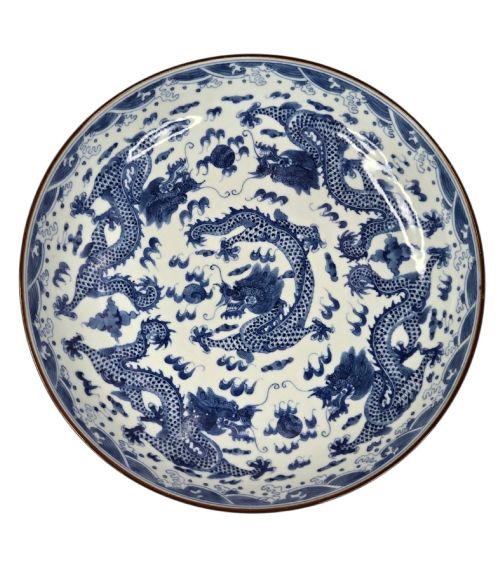
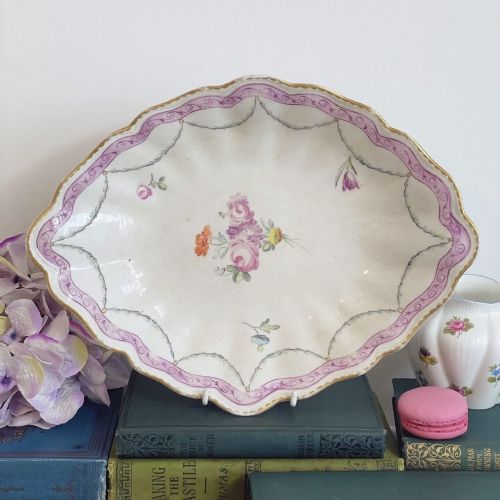
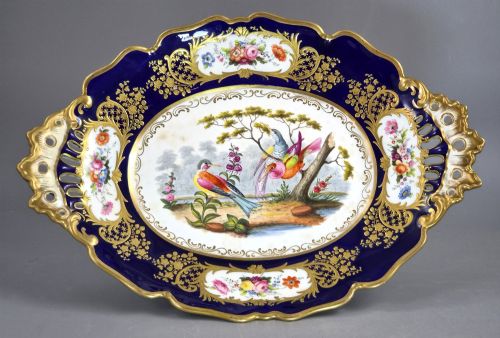
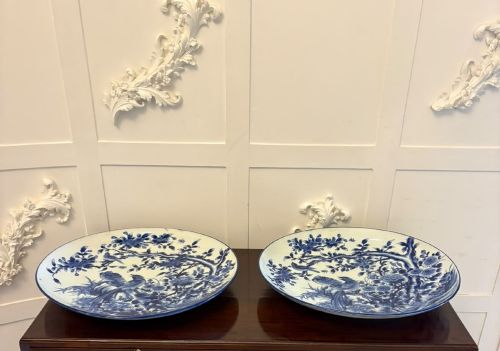
The selections available include large blue and white chargers, hand-painted oval serving trays, lobed dishes, and shaped plates decorated with botanical scenes, birds, and intricate dragons. Many examples reflect specific historical periods such as the Georgian era, Victorian period, and the Japanese Meiji period.
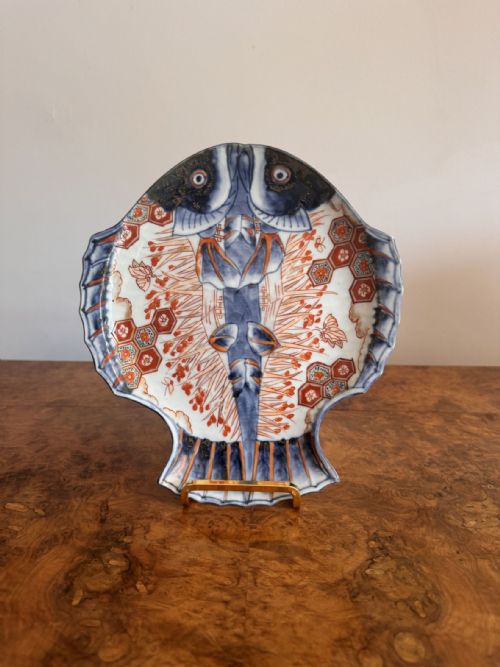
Buyers often find specialised forms like fish-shaped plates, square serving dishes, and elaborate portrait chargers. Whether produced in Chinese export workshops or English potteries like Worcester and Derby, these items served functional dining roles before becoming decorative display objects.

How they were made
Potters shaped fine ceramic materials, porcelain, and earthenware on the wheel or pressed them into moulds to create large chargers and serving trays. Artisans then applied intricate hand-painted designs using cobalt blue, polychrome enamels, and delicate glaze layers before firing.
Many high-grade examples incorporated rich gilding, gold leaf, and specialised ormolu mounts to accent the borders and handles. Specialised techniques like moriage relief work and transfer printing further defined the surface decoration across different historic periods.
Antique Porcelain Platter Retail Price Guide 2026
Typical asking prices for porcelain platter among the pieces listed under this phrase on Sellingantiques today, from the lower quarter to the upper quarter. They describe what is for sale here now, not the wider market.
Fish-shaped plates swim through the inventory alongside dragons and fancy birds.
What varies in quality
The distinction between standard utility wares and exceptional pieces rests upon the precision of the hand-painting and the complexity of the glaze work. Fine brushwork depicting detailed birds, figures, or five-clawed dragons elevates a platter far above simple transfer-printed tableware.
Origin and attribution also drive the evaluation, with documented works from notable factories, specific periods like Kangxi, or recognised artists commanding greater attention. The crispness of moulded shapes, such as lobed rims and fish forms, demonstrates the maker's technical mastery.
H & R Daniel·Ludwigsburg Porcelain·Coalport·Chamberlains Worcester·Hicks & Meigh·Wedgwood·Royal Worcester·Royal Doulton·John Davenport of Longport·Copeland & Garrett·Joseph-Gaspard Robert
The Antique Porcelain Platter Glossary
- Charger
- A large ornamental or serving plate, typically measuring well over twelve inches across. These prominent dishes were frequently displayed on sideboards or used for grand table service.
- Imari
- A decorative style originating in Japan and widely copied in Europe, characterised by a palette of underglaze blue, iron red, and gilt highlights. The patterns often incorporate floral and botanical motifs.
- Moriage
- A Japanese ceramic technique using raised clay trailing to create textured, three-dimensional decorative effects. It is commonly found on Meiji period wares alongside detailed enamel painting.
- Kraak Style
- A Chinese export porcelain aesthetic featuring paneled borders and central motifs of birds, flowers, or landscapes. This style heavily influenced seventeenth-century European delftware production.
- Polychrome
- Multicolored hand-painted decoration utilising a range of enamel pigments. This technique allowed eighteenth and nineteenth-century artists to render vivid floral sprays and pictorial scenes.
Antique Porcelain Platter: Frequently Asked Questions
How were antique porcelain platters used originally?
These large dishes served grand dining tables for presenting meats, fish, and desserts during formal meals. Large chargers were frequently stood upright on sideboards or dressers to display wealth and artistic taste.
Over time, many of these utilitarian serving pieces transitioned into pure wall decoration or cabinet displays. Their sturdy ceramic construction allowed them to survive centuries of household use.
Can I use an antique platter for serving food?
Most antique porcelain and earthenware platters can safely hold dry foods or fruit, provided they do not have active damage or unstable metal mounts. Hand washing is essential to preserve fragile overglaze enamels and historic gilding.
Historic glazes from earlier centuries may contain trace elements, so many collectors prefer to limit these pieces to display use. Assessing the interior surface condition helps determine its suitability for modern dining.
How do I date an antique porcelain platter?
Dating relies on examining the factory mark, the style of the hand-painted decoration, and the composition of the ceramic body. Blue underglaze marks and impressed cyphers often point to specific decades of production.
Stylistic cues, such as Rococo Revival curves or Meiji period motifs, narrow down the manufacturing window. Comparing the glaze texture and wear patterns against dated reference pieces confirms the period.
What is the difference between a charger and a platter?
A charger is typically a very large plate designed primarily for ornamental display or as an under-plate for other courses. Platters are generally more oblong or oval in shape and tailored specifically for serving meats and main dishes.
In historic listings, these terms sometimes overlap depending on the regional terminology used by the maker. Both forms provide expansive surfaces for detailed hand-painted artistry.