




Blue Porcelain Dish
A blue porcelain dish brings centuries of ceramic artistry into your home, offering both historic utility and striking display potential.

Identifying your blue porcelain dish
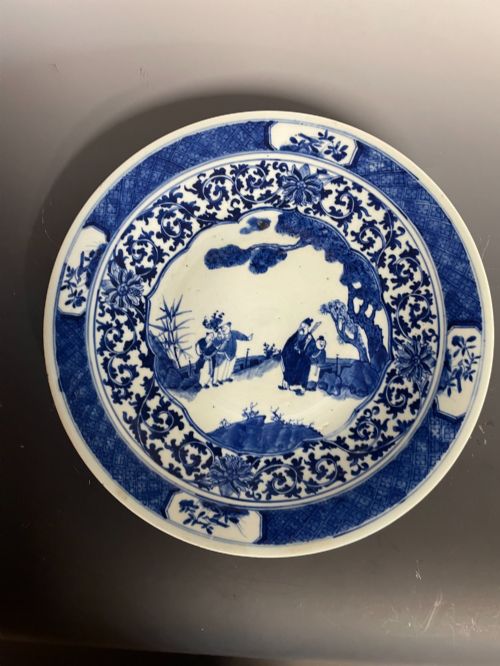
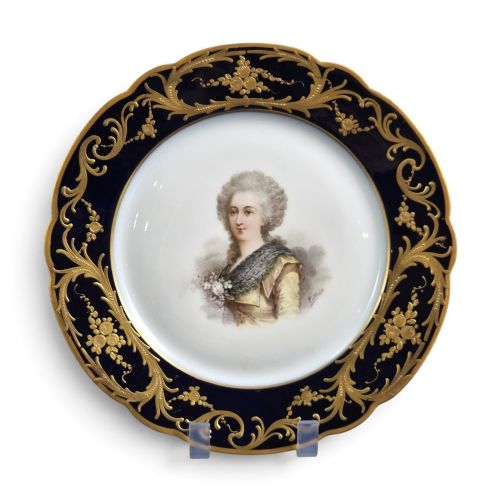
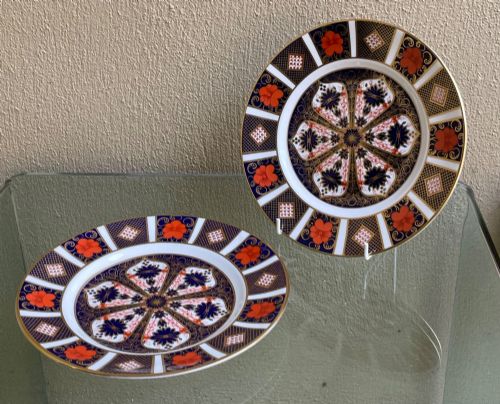
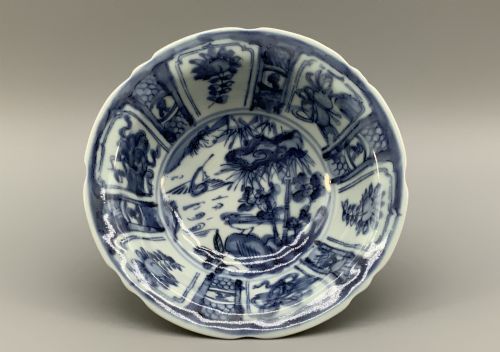
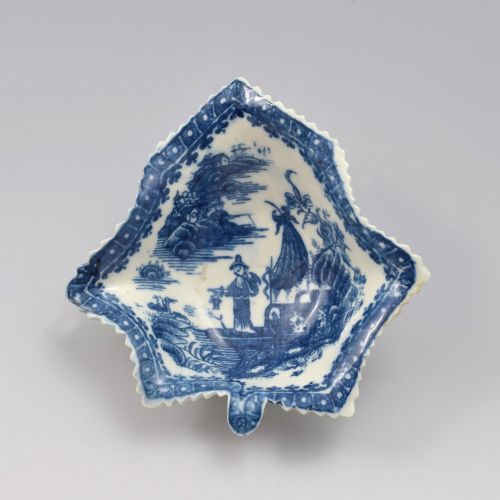
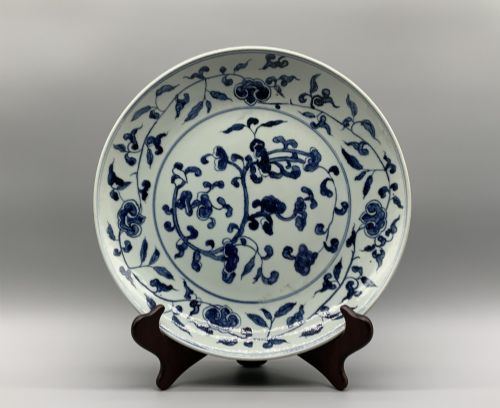
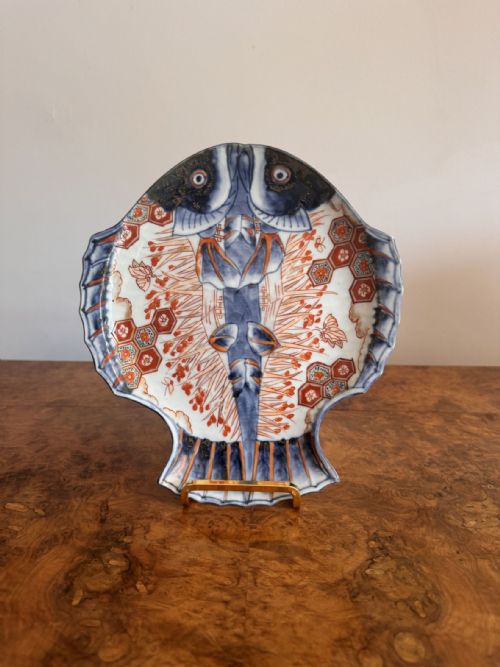
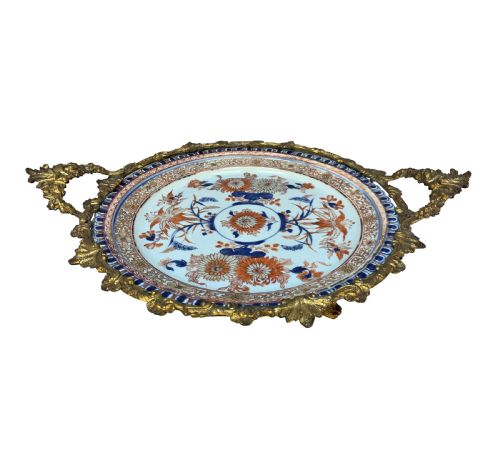
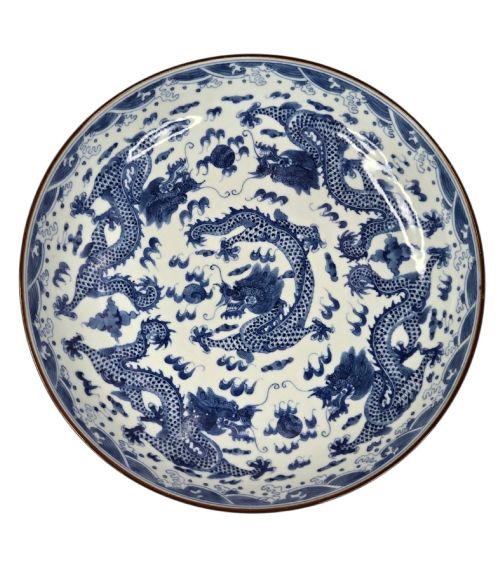
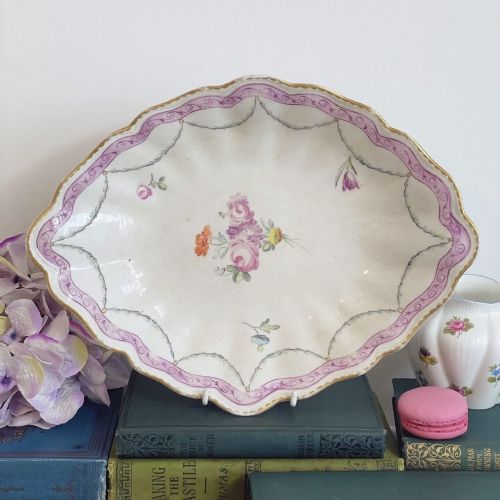
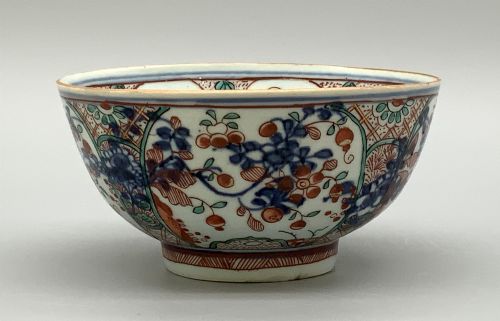
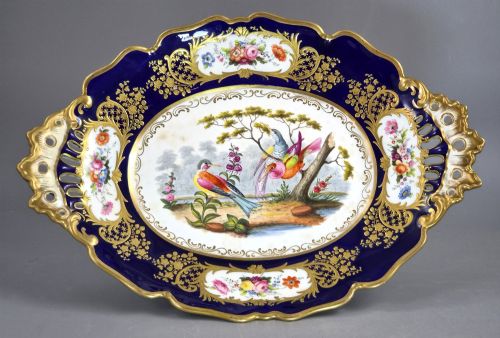
When you search for a blue porcelain dish, you encounter an array of forms spanning several centuries, from eighteenth-century English factories to sixteenth-century Chinese kilns and nineteenth-century European manufactories. The pieces recorded in our listings and archives include dessert dishes, cabinet plates, serving dishes, junket dishes, pickle dishes, and charger bowls.
You are most likely to meet eighteenth-century English factory wares featuring blue scale grounds and floral or landscape painting, alongside nineteenth-century European decorative pieces and earlier Chinese blue and white porcelain.
The styles range across Georgian, Rococo Revival, Chinese Ming Dynasty, Taisho Period, and Imperial Russian designs, showing how diverse the interpretations of this form have been across world ceramic history.
Materials and methods
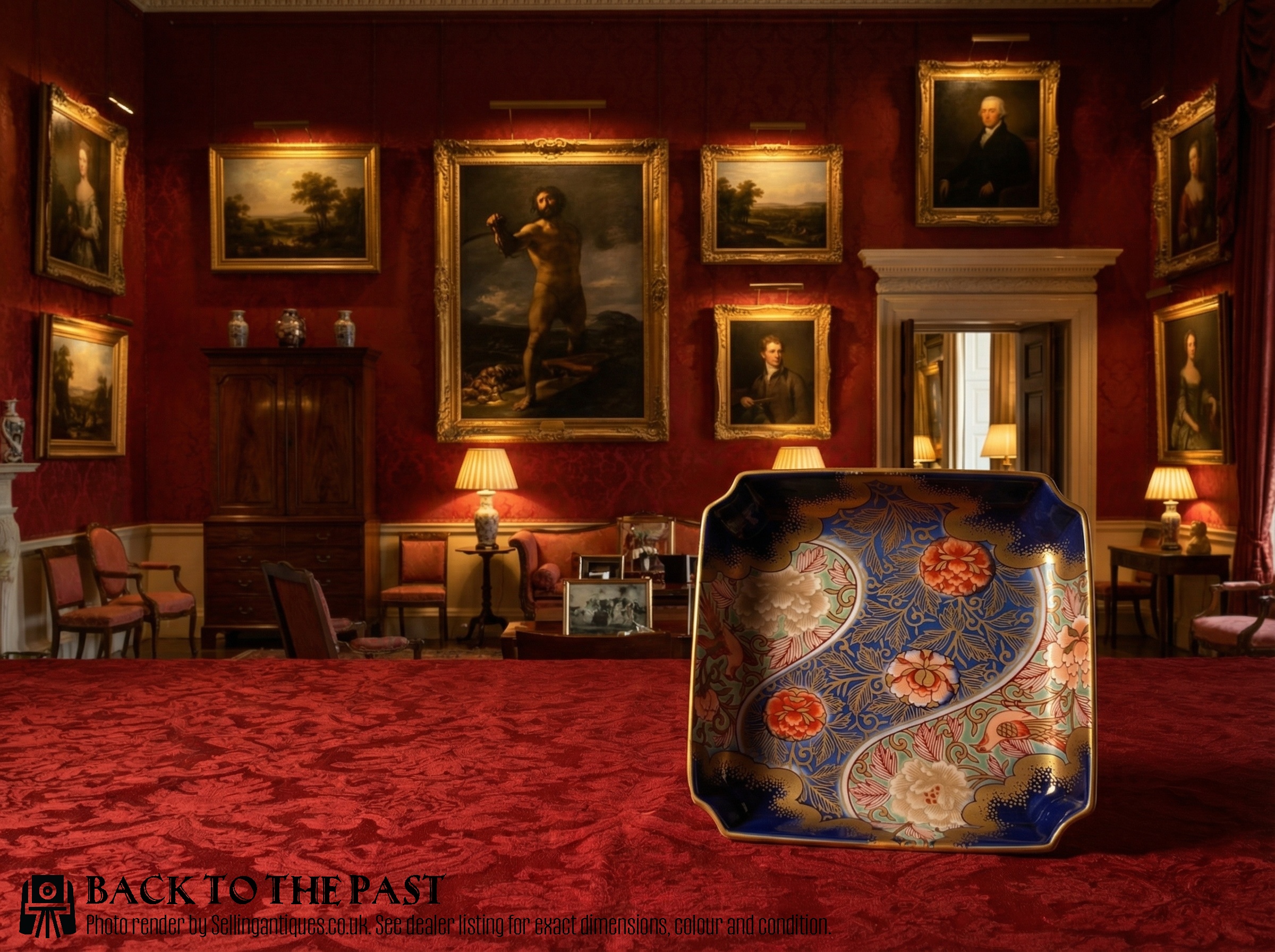
The objects recorded utilise standard porcelain alongside soft-paste porcelain and soapstone variations, shaped into plates, bowls, and shallow vessels. Cobalt glaze provides the foundational blue pigment, applied either beneath the glaze for crisp painterly effects or over it as part of enamelling schemes.
Decoration relies on hand-painted motifs, enamel work, and gilding with gold leaf or gilt highlights. Potters shaped these materials into specialised forms such as vine leaf pickle dishes, foliate rimmed shallow dishes, and divided dishes on stands.
Retail Price Guide 2026
Typical UK retail prices for blue porcelain dish, calculated from the Sellingantiques database of over a million retail prices indexed since 2003. This retail price guide relies exclusively on Sellingantiques data; no external sources or auction records are used, so the figures do not describe the wider market.
Materials recorded across these listings include standard porcelain, soft-paste porcelain, enamel, cobalt glaze, soapstone, gilding, and gold leaf.
Assessing quality
Quality separates simple utility wares from high-end cabinet pieces through the precision of the hand-painted brushwork, the depth and clarity of the cobalt glaze, and the refinement of the porcelain body itself. Early English porcelain bodies show variations in translucency and glaze pooling, while Chinese and Imperial Russian pieces display exceptional control over pigment application.
The presence of secondary decorative elements, such as intricate gilding, gold leaf accents, or complex moulded forms like blue scale grounds and foliate rims, elevates a piece within its historical group.
Royal Worcester·Russian Imperial Porcelain·Derby Porcelain·Bow Porcelain·Helena Wolfsohn·Fukagawa
The Blue Porcelain Dish Glossary
- Cobalt glaze
- A metallic oxide pigment applied to ceramics before firing to produce a durable, intense blue colour under a transparent glaze.
- Soft-paste porcelain
- A ceramic composition containing glass frit and white clay, fired at lower temperatures than true hard-paste porcelain, common in eighteenth-century English factories.
- Junket dish
- A shallow vessel traditionally used for serving junket, a curd-based dessert, often featuring a lobed or scalloped rim.
- Pickle dish
- A small, specialised nineteenth- or eighteenth-century tableware item shaped like a leaf or shell, used for serving pickles or relishes at the table.
- Blue scale
- A patterned underglaze blue ground resembling fish scales, popularized by English porcelain factories during the eighteenth century.
Frequently Asked Questions
How were these dishes used originally?
These dishes served practical dining functions, holding desserts, pickles, meats, or junket at formal tables.
Over time, many pieces transitioned from dining rooms to display cabinets as decorative plates and charger bowls.
How do I care for antique porcelain?
Wash porcelain gently by hand in lukewarm water using a mild detergent, avoiding harsh scrubbers that can damage enamel and gilding.
Keep pieces away from sudden temperature shifts and direct, prolonged sunlight to preserve the glazes.
How can I tell eighteenth-century pieces apart?
Eighteenth-century pieces often display specific factory traits, such as soft-paste bodies, underglaze blue scale grounds, or hand-painted botanical and landscape motifs.
Examining the foot ring, glaze texture, and any painted or impressed marks helps determine the specific period and origin.
What is the difference between soft-paste and porcelain?
Soft-paste porcelain is an artificial mixture containing glass and clay fired at lower temperatures, producing a warm tone under the glaze.
Standard porcelain relies on natural china clay and petuntse fired at higher heats for greater density and whiteness.