





Hand Painted Japanese Dish
A hand painted japanese dish brings rich ceramic tradition and intricate artistry straight to the table or cabinet.
What these pieces are
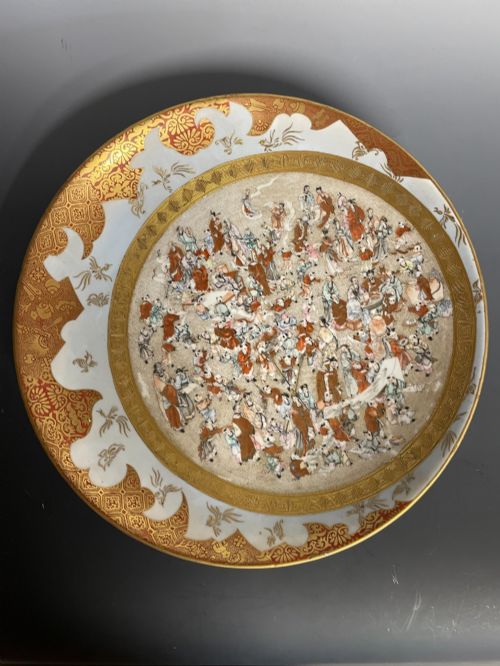
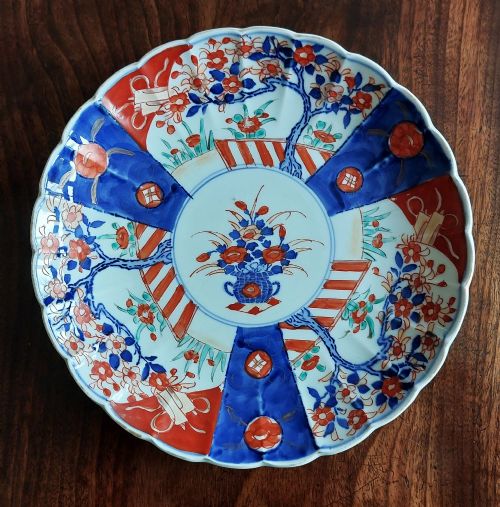
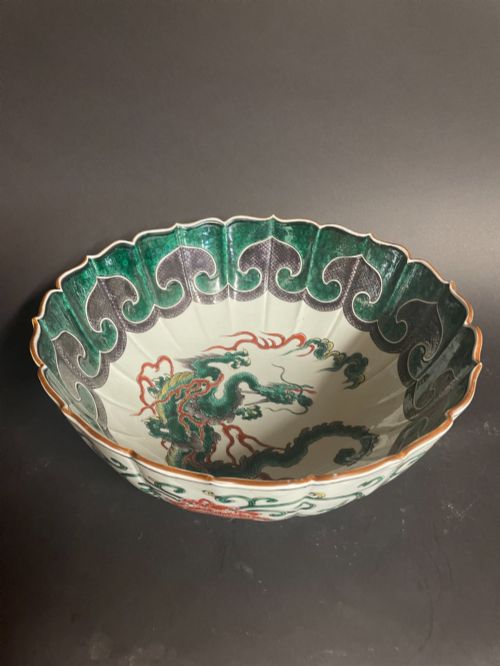
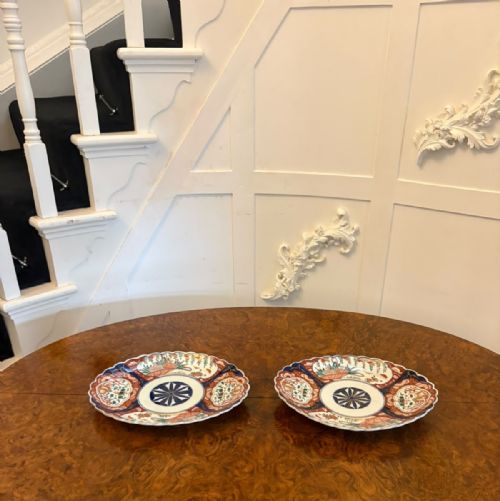
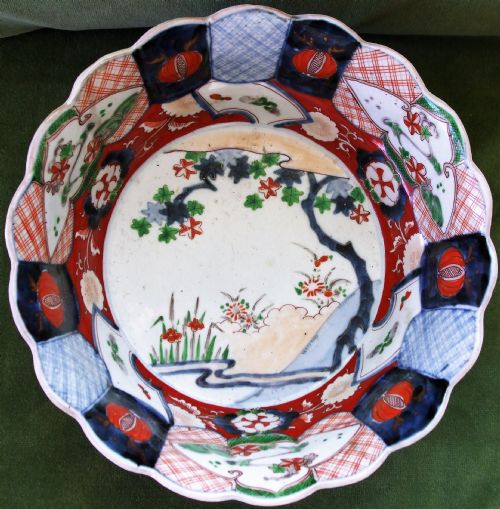
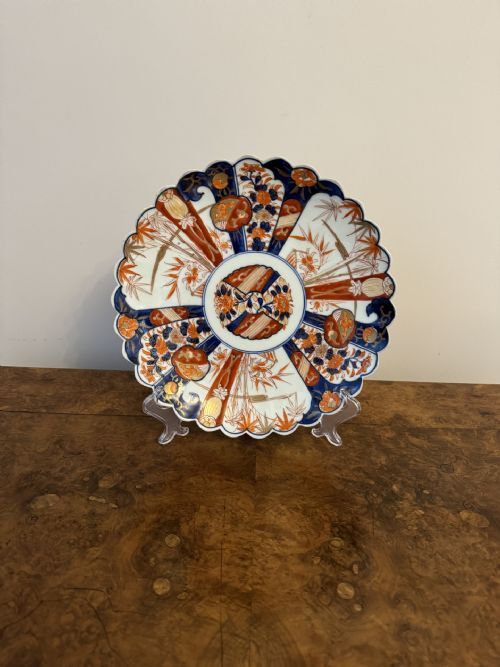
A hand painted japanese dish encompasses decorative plates and platters originating from various periods including the 18th century, 19th century, Meiji period, and Taisho period. Buyers searching this phrase typically encounter plates featuring traditional Japanese Imari styles and Arita porcelain forms.
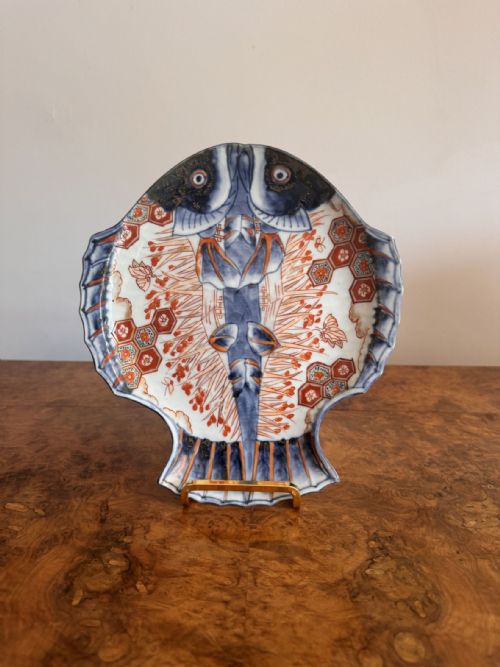
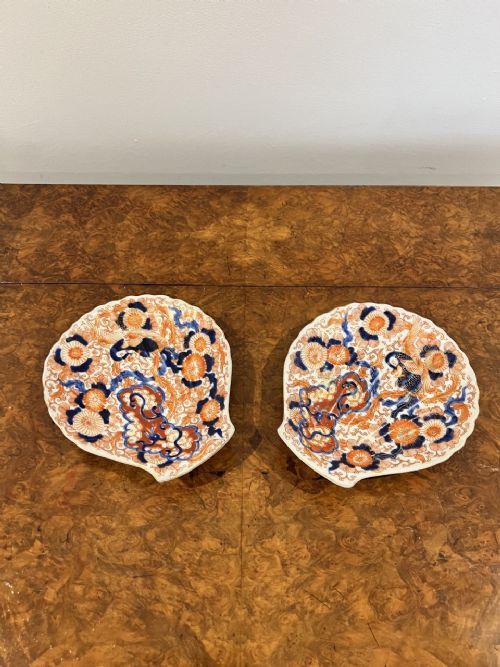
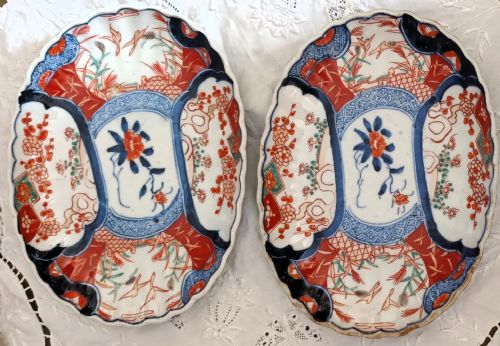
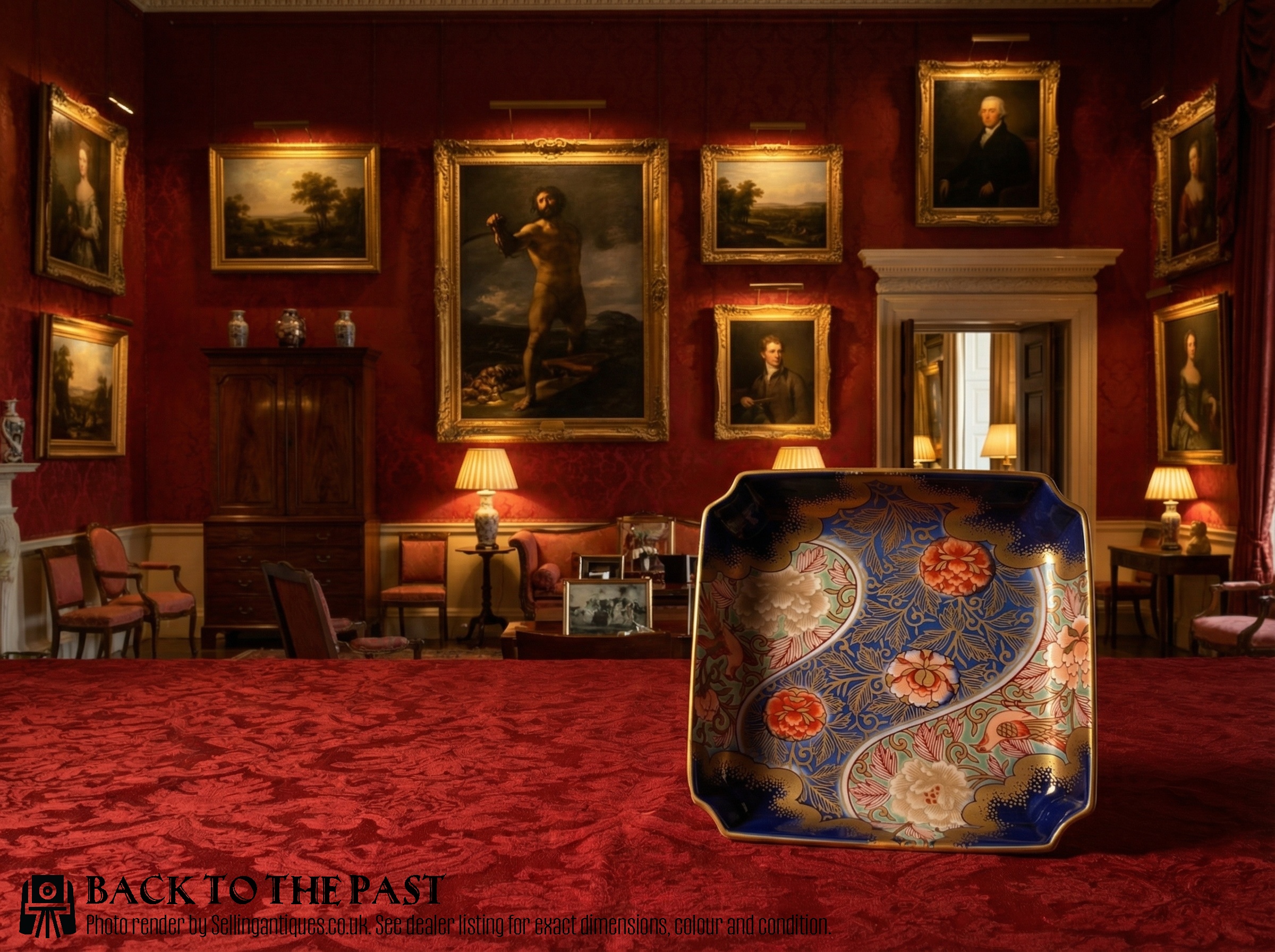
The selection frequently includes scalloped edge plates and oval plates alongside specific works like the Fukagawa dish. These items serve primarily as decorative plates, showcasing traditional motifs such as cranes and intricate patterns.
Origins span across distinct historical eras, most notably the Edo period and the subsequent Meiji and Taisho eras. Each piece reflects the specific aesthetic and kiln techniques of its time of production.
How they were made
Potters utilised fine ceramic materials and porcelain bases to shape these dishes, employing cobalt underglaze for deep blue hues. Enamel colours and gold leaf were then applied over the glaze to build up rich, multi-layered decorative schemes.
The painting process was entirely manual, requiring steady brushwork to render detailed scenes of cranes and floral borders. Firing techniques in traditional kilns set the cobalt and fixed the surface enamels permanently.
Retail Price Guide 2026
Typical UK retail prices for hand painted japanese dish, calculated from the Sellingantiques database of over a million retail prices indexed since 2003. This retail price guide relies exclusively on Sellingantiques data; no external sources or auction records are used, so the figures do not describe the wider market.
Listings include porcelain and ceramic pieces featuring enamel, gold leaf, glaze, and cobalt underglaze across the 18th century, 19th century, Meiji, and Taisho periods.
What varies in quality
The refinement of the painting distinguishes finer examples, where brushwork on the cranes and floral motifs shows exceptional control and precision. Superior porcelain bodies and balanced cobalt underglaze further elevate the visual depth of a piece.
The application of gold leaf and enamel colours dictates the richness of the finished surface, with more accomplished pieces displaying harmonious palettes and clean edges along scalloped forms.
Fukagawa
The Hand Painted Japanese Dish Glossary
- Imari
- A traditional style of Japanese porcelain featuring a distinct palette of cobalt blue, iron red, and gold leaf. It originated in the Edo period from the port of Imari.
- Arita porcelain
- Ceramic ware produced around the town of Arita in Hizen province, known for its fine white body and durability. It forms the foundation of many classical Japanese dishes.
- Cobalt underglaze
- A blue pigment applied to the raw ceramic body before glazing and firing, creating a permanent design beneath the glossy surface. This technique allows for sharp, enduring details.
- Meiji Period
- The era of Japanese history lasting from 1868 to 1912, characterised by opening trade and refined decorative arts. Pieces from this time often exhibit elaborate hand-painted patterns.
Frequently Asked Questions
What is a hand painted japanese dish?
A hand painted japanese dish is a ceramic plate or platter decorated by hand with traditional glazes and enamels.
These pieces range from 18th century Arita porcelain to Meiji period Imari wares, intended for decorative display.
How do I identify an Imari dish?
Imari dishes typically feature a combination of cobalt underglaze blue, iron red, and gold leaf highlights.
They often present intricate floral and avian motifs, such as cranes, set against patterned backgrounds.
Were these dishes used for dining?
While some historical ceramics served functional purposes, many surviving pieces function primarily as decorative plates and platters.
Their delicate enamels and gold leaf details suggest they were valued for visual display rather than daily service.
How do I care for antique porcelain?
Antique porcelain requires gentle handling and should be washed by hand in lukewarm water using mild soap.
Avoid abrasive sponges and harsh detergents to protect the overglaze enamels and gold leaf details.