


Underglaze Blue Porcelain Dish
An underglaze blue porcelain dish brings centuries of cobalt painting and high-fired ceramic tradition straight to your table.
What an underglaze blue porcelain dish is
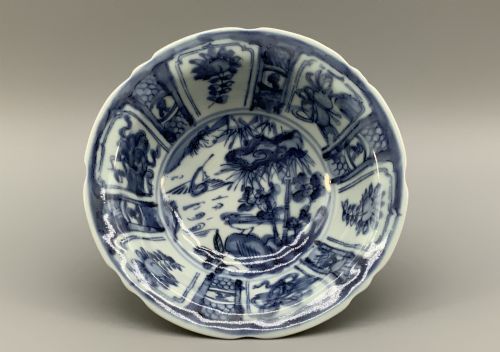
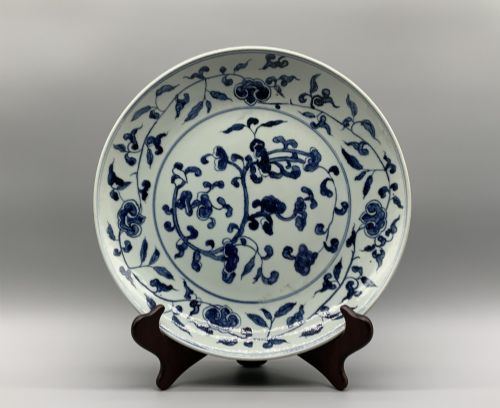
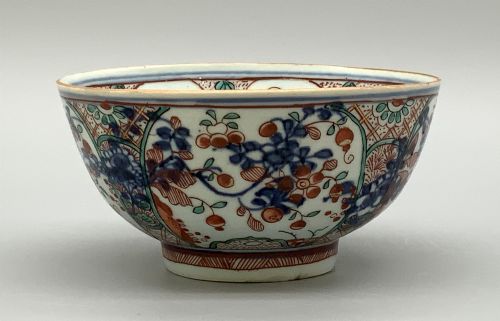
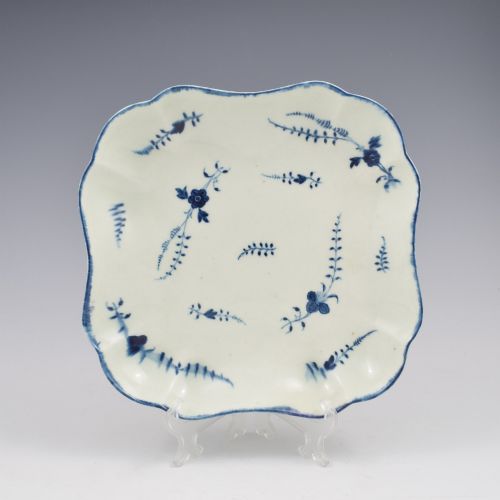
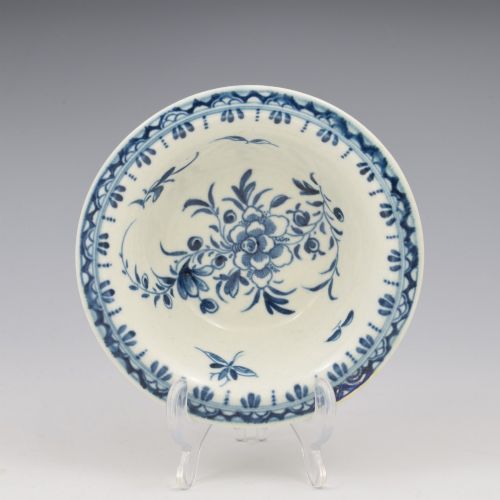
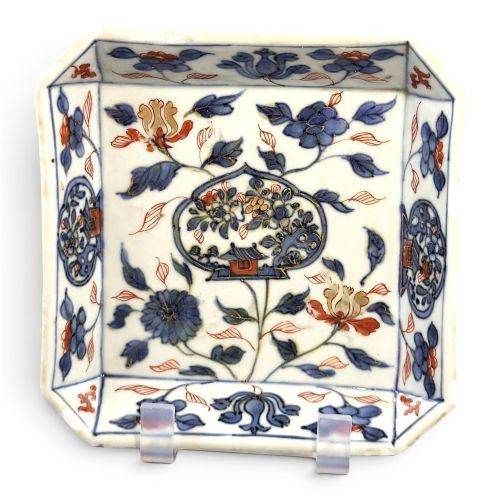
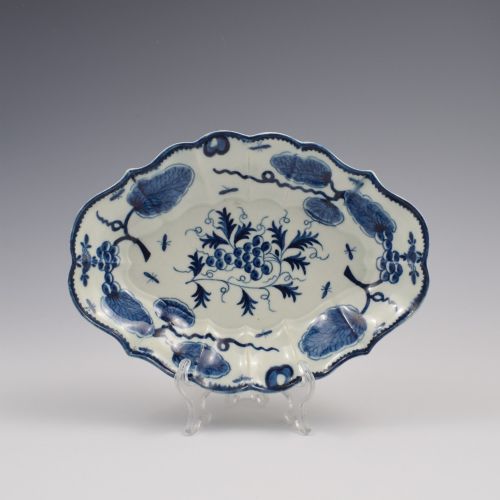
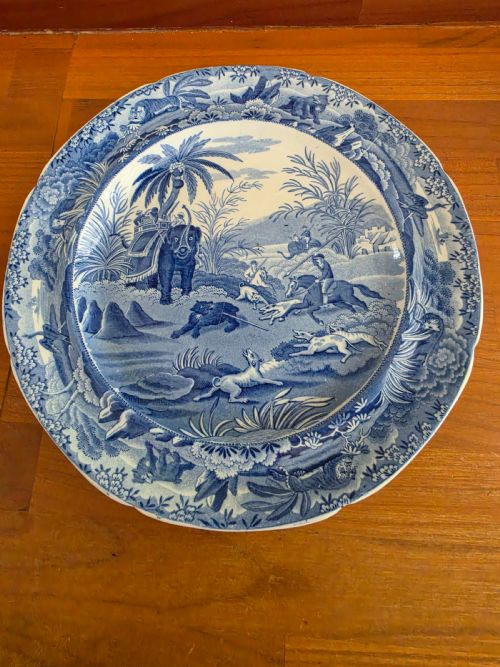
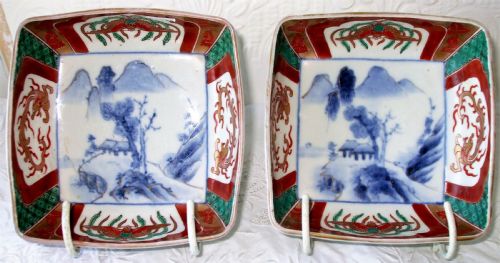
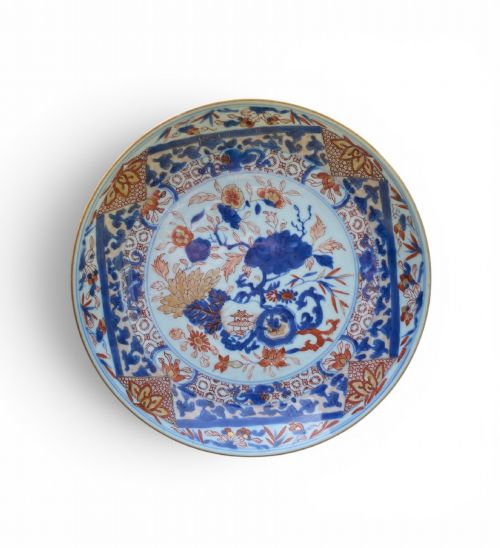
An underglaze blue porcelain dish covers pieces originating from diverse global traditions including eighteenth century English factories and East Asian kilns. You will encounter forms ranging from square dessert dishes to scalloped plates and hand painted round platters.
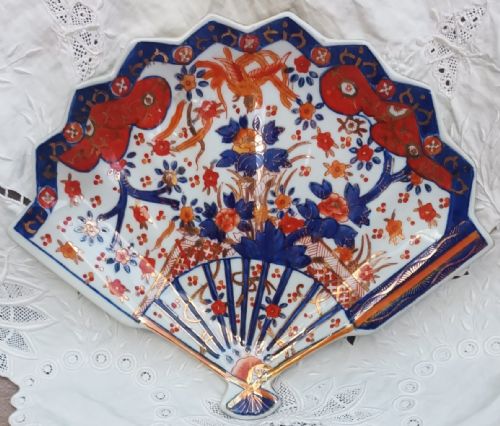
The pieces listed on this page bridge Georgian English factories and Asian traditions like Edo and Meiji Japanese imari and Qing Dynasty Chinese wares. These functional and decorative items showcase cobalt pigment applied directly to the body before glazing and firing.
How they were made
The foundational material across these pieces is fine porcelain or soft-paste porcelain, painted with cobalt before application of a cobalt glaze. Artisans sometimes incorporated enamel and gold leaf highlights over the glaze to enrich the decorative surface.
Traditional makers shaped these plates and dishes by hand or wheel before applying meticulous hand painted underglaze designs. High-temperature kiln firings then fused the cobalt pigment permanently beneath the glossy surface glaze.
Retail Price Guide 2026
Typical UK retail prices for underglaze blue porcelain dish, calculated from the Sellingantiques database of over a million retail prices indexed since 2003. This retail price guide relies exclusively on Sellingantiques data; no external sources or auction records are used, so the figures do not describe the wider market.
Listings feature porcelain, soft-paste porcelain, enamel, cobalt, gold leaf, and cobalt glaze across Georgian, Japanese Imari, and Qing Dynasty styles.
What varies in quality
Quality rests upon the precision of the hand painted brushwork and the clarity of the cobalt beneath the glaze. Finer examples display crisp botanical motifs and well-balanced compositions that reflect the skill of the painter.
The purity of the porcelain body and the smoothness of the glaze separate standard production wares from exceptional collector pieces. Secondary embellishments such as enamel and gold leaf require precise application to elevate the finished dish.
The Underglaze Blue Porcelain Dish Glossary
- Underglaze blue
- A decorative technique where cobalt pigment is applied to the raw ceramic body before glazing and firing at high temperatures. This method protects the blue design beneath a durable glassy surface.
- Soft-paste porcelain
- A ceramic composition containing glassy frit and white clay, fired at lower temperatures than hard-paste porcelain. Eighteenth-century English factories frequently utilised this formula.
- Imari
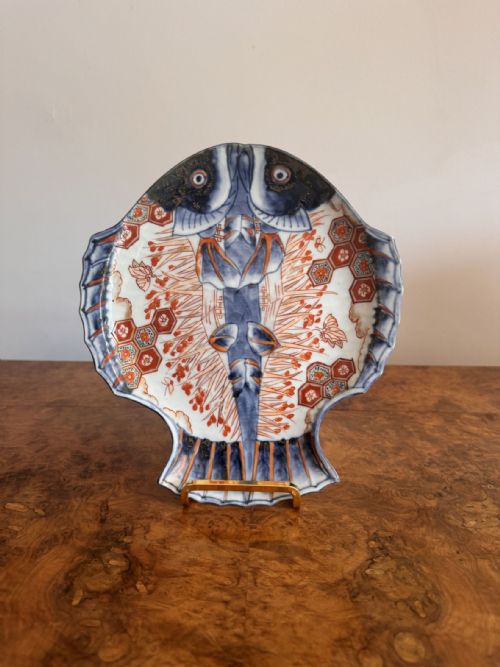
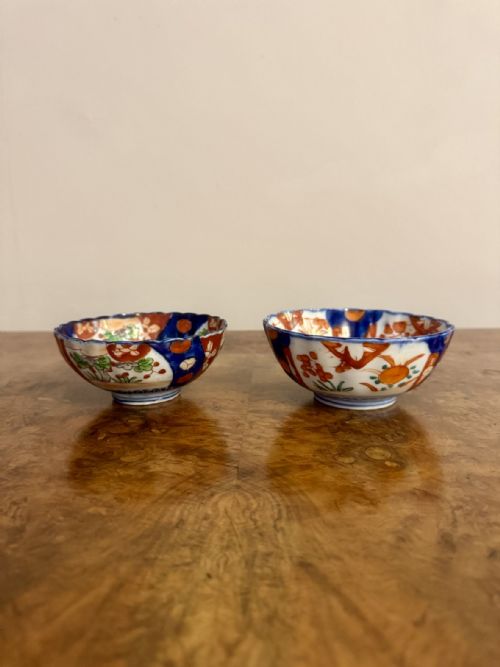
- A style of Japanese export porcelain characterised by a palette of underglaze blue, iron red, and gold. Makers produced these vibrant wares primarily during the Edo and Meiji periods.
- Chantilly sprigs
- A delicate floral pattern featuring scattered sprays of foliage, popular on eighteenth-century European tablewares. Worcester factories famously adopted this motif for square dessert dishes.
Frequently Asked Questions
Can I use these antique dishes for serving food?
Most collectors choose to display these pieces as decorative plates rather than using them for daily dining. Historic soft-paste porcelain and overglaze enamel decorations can wear down with frequent culinary use.
For occasional special dining, ensure the glaze remains intact and free from cracks. Hand washing immediately after use preserves the integrity of the cobalt painting.
How do I distinguish eighteenth century porcelain from later pieces?
Examine the weight, foot rim, and characteristics of the glaze under a magnifying glass. Eighteenth-century soft-paste porcelain often shows specific potting flaws and translucency variations unique to early European kilns.
Compare the cobalt hue and brushwork against documented examples from specific periods like the Georgian era or Qing Dynasty. Stylistic markers in the hand painted motifs also point toward specific manufacturing eras.
What is the difference between Chinese and Japanese export styles?
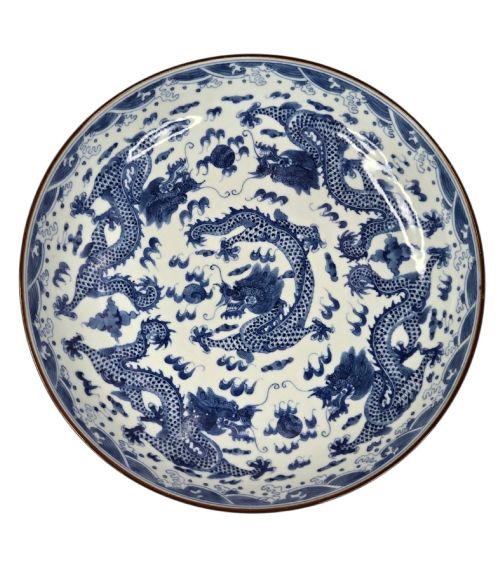
Chinese pieces often feature hand painted cobalt blue designs executed with flowing brushstrokes on bright white porcelain bodies. These reflect traditional forms adapted for both domestic use and international trade during periods like the Qing Dynasty.
Japanese imari wares incorporate distinctive colour palettes beyond cobalt, frequently combining iron red and gold leaf overglaze details. Scalloped shapes and dense decorative borders are common hallmarks of these Edo and Meiji period plates.