
Soft Paste Porcelain Dish
When you handle a soft paste porcelain dish, you hold an early ceramic body that relies on vitreous glass frits rather than hard Cornish stone.
Soft Paste Porcelain Dish
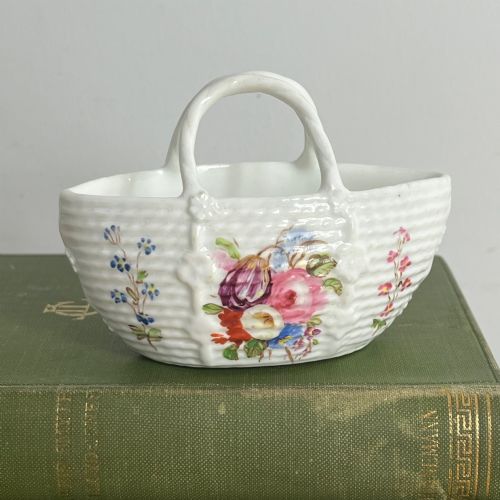
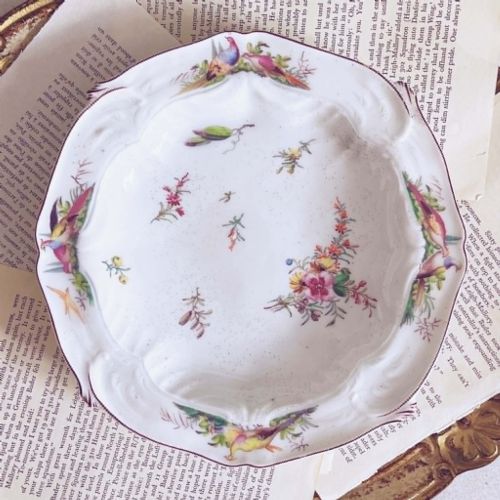
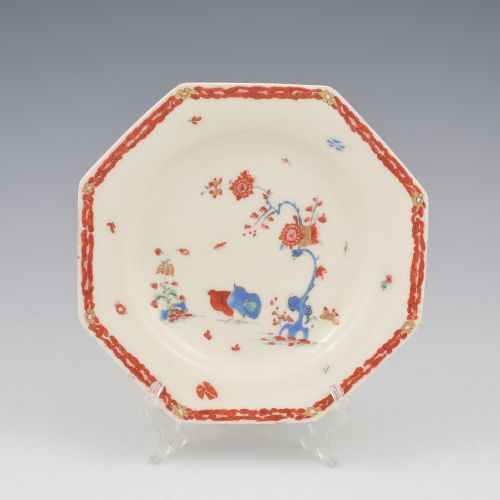
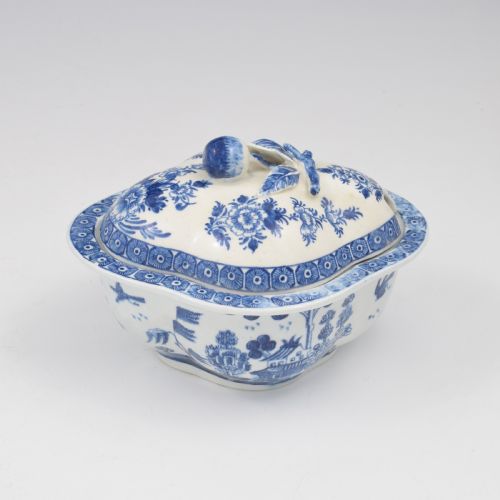
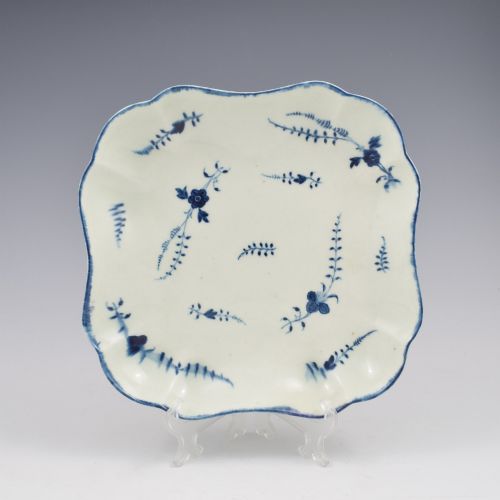
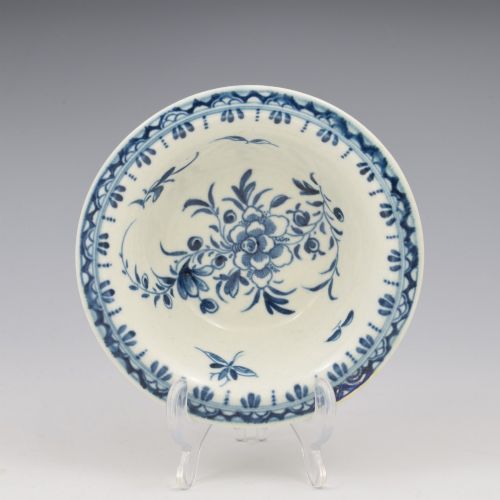
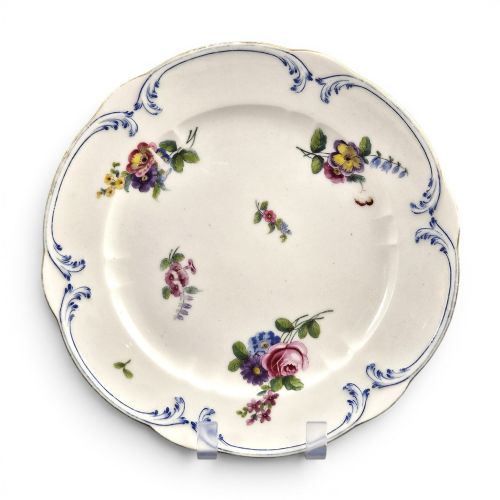
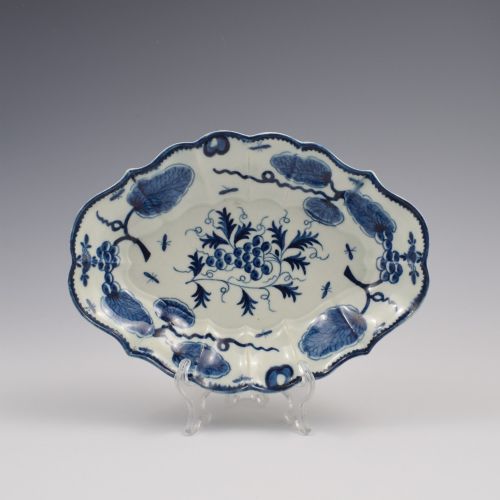
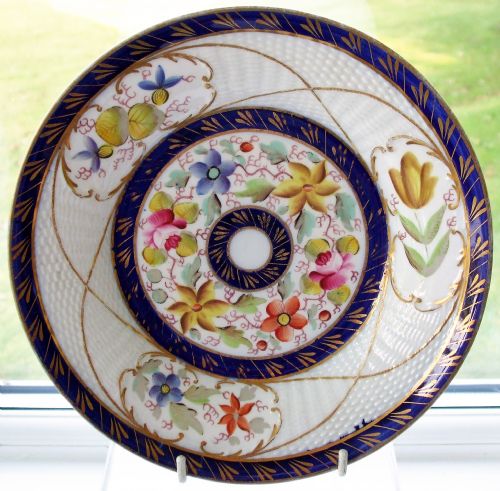
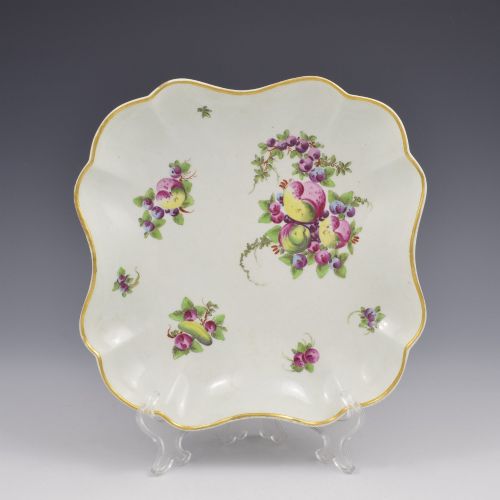
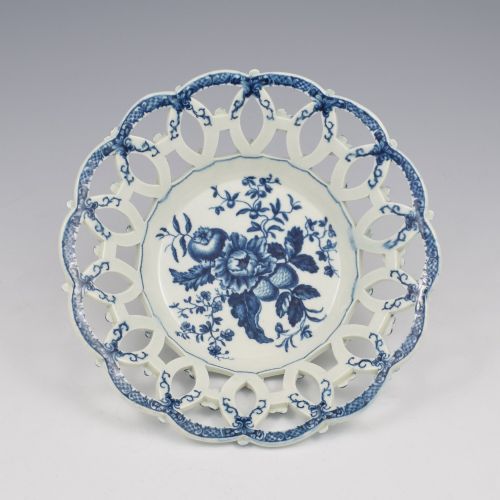
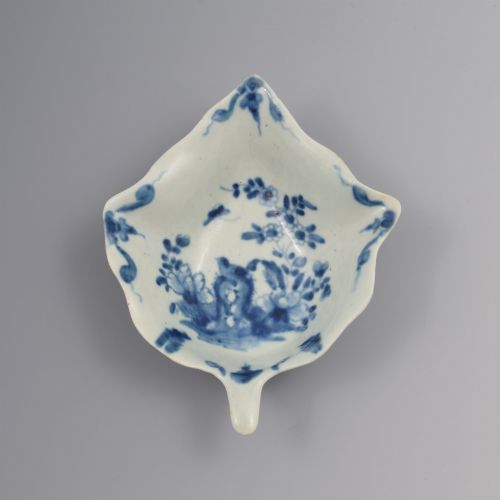
A soft paste porcelain dish sits at the intersection of practical table service and eighteenth-century decorative display, taking forms like pickle leaves, dessert plates, and sauce tureens. The pieces collected under this search phrase span the eighteenth and nineteenth centuries, with a strong concentration of 18th Century English and French factories.
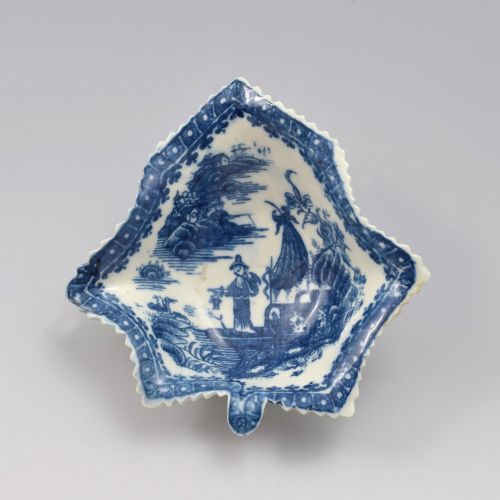
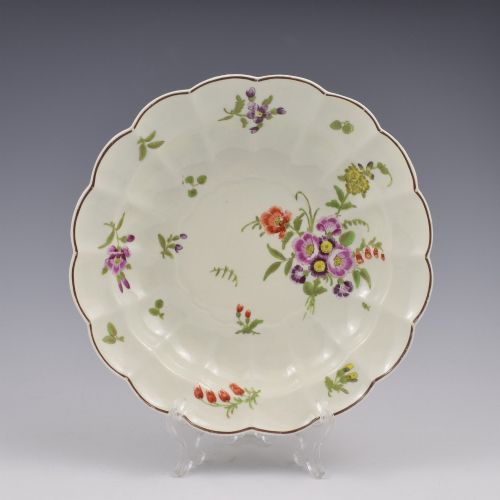
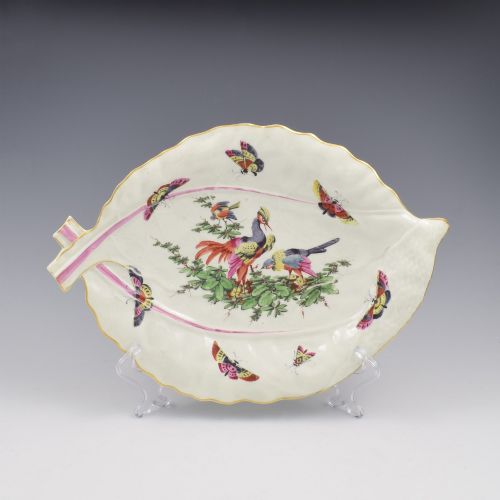
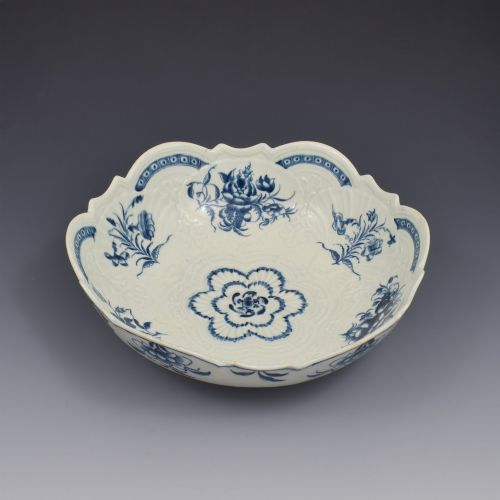
You meet leaf-shaped pickle dishes, square dessert dishes, and lobed soup plates most frequently on this page, often decorated with cobalt underglaze or handpainted polychrome enamels. Factories such as Worcester, Bow, Derby, and Sèvres dominate the selection, showing styles that range from Chinese-inspired Chinoiserie to Rococo moulding.
The objects demonstrate a direct lineage from early experimental English and continental kilns, functioning originally for dining, sweetmeats, or dessert courses. Today, collectors group them by their paste characteristics, factory marks, and painted patterns rather than strict utility.
Materials and manufacture
Makers compounded soft-paste porcelain from mixtures of white clays, glass frits, chalk, and marl, firing the body at lower temperatures than true hard-paste porcelain. This formula produced a creamy, translucent body that absorbed glaze differently, creating characteristic pooling and slight surface undulations.
Decorators applied cobalt underglaze before the final glaze firing, or painted polychrome enamels and gold leaf over the fired glaze before a second low-temperature fixation. Artisans shaped pieces by hand or pressed them into moulds, yielding naturalistic forms such as overlapping vine leaves, scallop shells, and lobed quatrefoils.
Soft Paste Porcelain Dish Retail Price Guide 2026
Typical asking prices for soft paste porcelain dish among the pieces listed under this phrase on Sellingantiques today, from the lower quarter to the upper quarter. They describe what is for sale here now, not the wider market.
Materials recorded across the inventory include soft-paste porcelain, cobalt underglaze, enamel, and gold leaf on moulded leaf and shell forms.
Separating the ordinary from the exceptional
Quality rests in the crispness of the moulded relief and the control demonstrated during the painting process, where freehand floral sprays or bird studies demand precise brushwork. Early experimental bodies from factories like Bow or Chelsea show distinct glaze thickness and kiln fritter marks that distinguish them from later standardised wares.
Bow Porcelain·Derby Porcelain·Caughley·Sèvres·New Hall·Nantgarw
The Soft Paste Porcelain Dish Glossary
- Soft-paste porcelain
- A ceramic body made from artificial glass frits mixed with white clay rather than natural kaolin and petuntse. It melts at lower temperatures and exhibits a warmer tone than hard paste.
- Pickle dish
- A small, specialised serving vessel shaped typically like a leaf or shell, intended for condiments at the dining table. Eighteenth-century examples frequently feature cobalt underglaze painting.
- Chinoiserie
- A European decorative style interpreting Chinese artistic motifs, popular on soft paste porcelain dishes during the mid eighteenth century. It employs fantastical landscapes, figures, and birds.
- Cobalt underglaze
- A blue pigment applied to the unfired ceramic body beneath the transparent glaze layer. It withstands high kiln temperatures without fading or running.
- Kakiemon
- A Japanese enamel style characterised by asymmetrical compositions of birds, quail, and flowering plants on a milky white ground. English factories copied these palettes extensively in the 1750s.
Soft Paste Porcelain Dish: Frequently Asked Questions
Were these dishes used for everyday dining?
Many eighteenth-century pieces served wealthy households during formal dessert courses, sweetmeat servings, or specialised pickle accompaniments. Their delicate nature meant they saw limited handling compared to sturdy earthenware.
Over time, many transitioned from functional dining items to decorative cabinet display pieces. Their fragile soft-paste body made them susceptible to thermal shock and chipping during use.
How can I tell hard paste from soft paste?
Hold the dish to a strong light source to observe translucency and body texture. Soft paste often displays a warmer, slightly creamy appearance with subtle glaze pooling, whereas hard paste appears colder and harder.
Look at the foot ring where the glaze meets the unglazed base. Soft paste biscuit often feels chalky or sandy, lacking the vitrified hardness of true oriental-style porcelain.
Why do some pieces show glaze crazing?
Crazing occurs when the glass glaze shrinks at a different rate than the underlying ceramic body during the cooling process in the kiln. This results in a fine network of microscopic cracks across the surface.
Temperature fluctuations over centuries can also induce or accentuate this network. It remains a common characteristic of early soft paste bodies rather than a modern defect.