
Georgian Soft Paste Porcelain
Georgian soft paste porcelain brings eighteenth-century tableware and figures together, offering collectors translucent bodies and handpainted botanical or Chinoiserie designs.
Georgian Soft Paste Porcelain
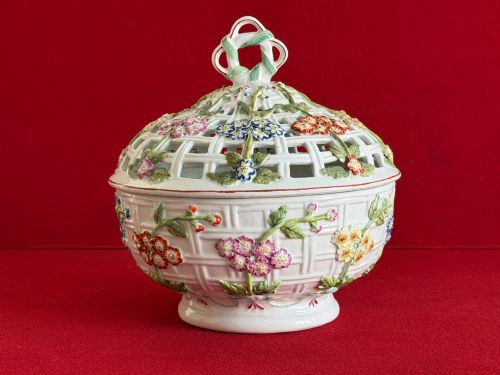
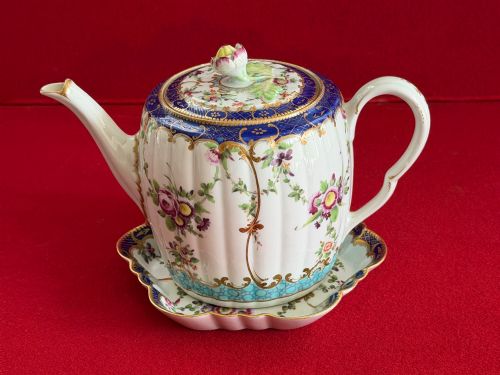
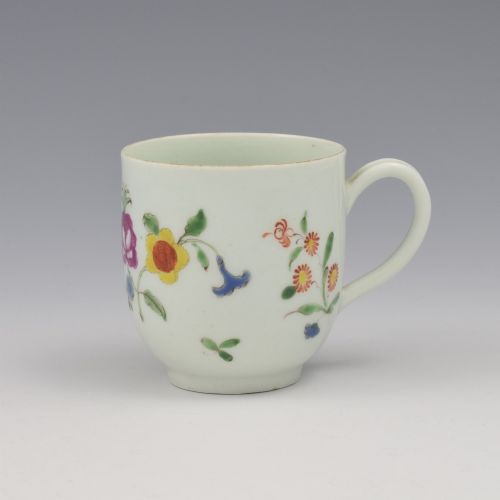
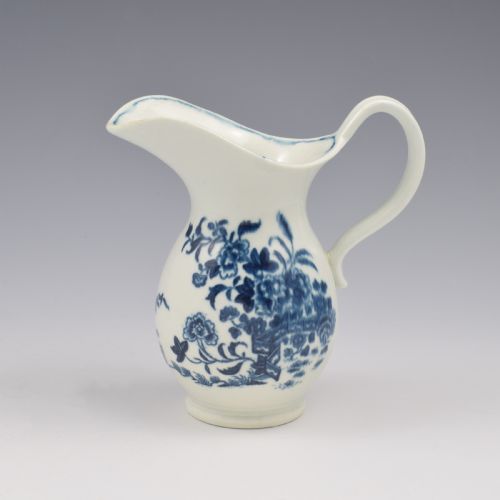
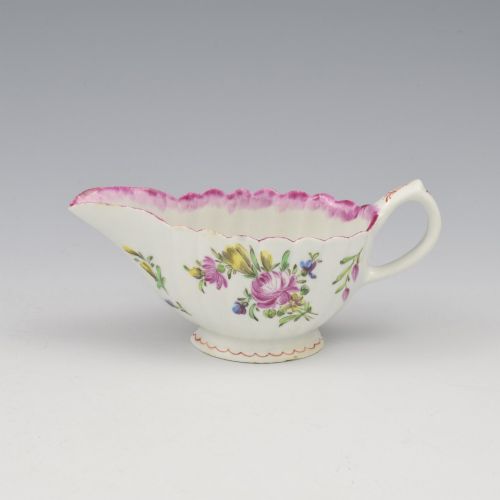
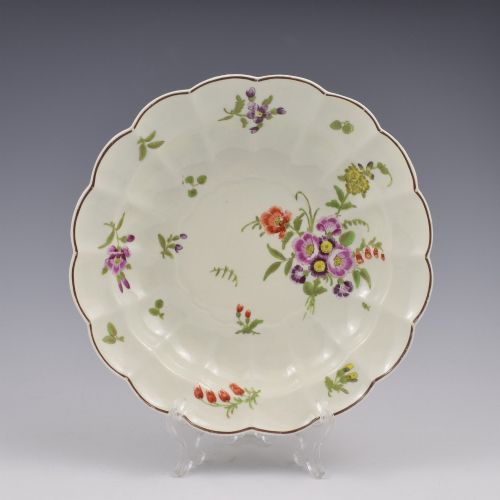
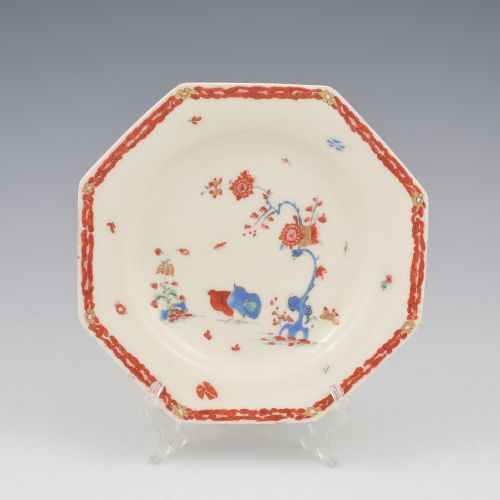
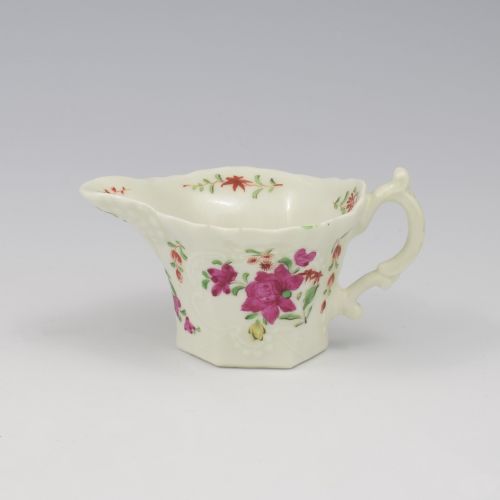
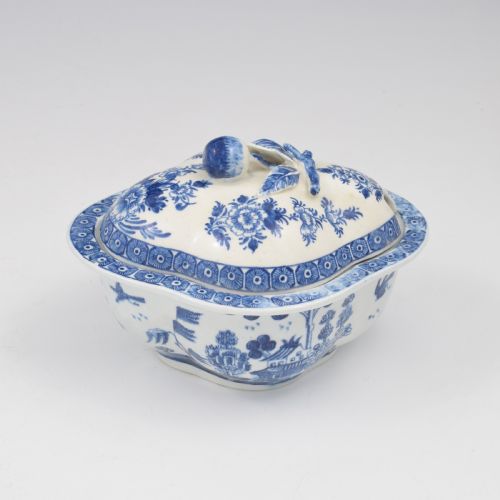
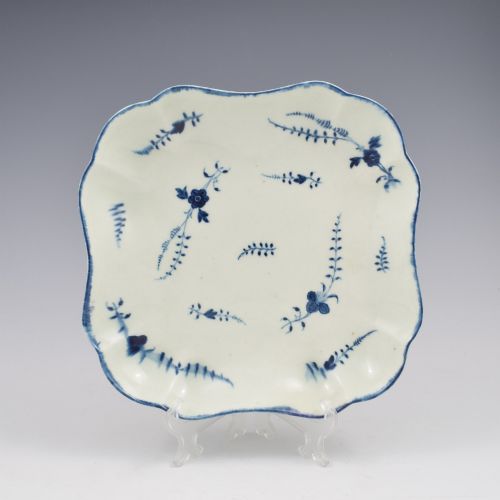
When you examine pieces matching georgian soft paste porcelain, you encounter domestic items and decorative figures created across the eighteenth century and into the early nineteenth century. The selection ranges from functional vessels like teapots, sauce boats and coffee cups to ornamental dessert dishes and figurative groups.
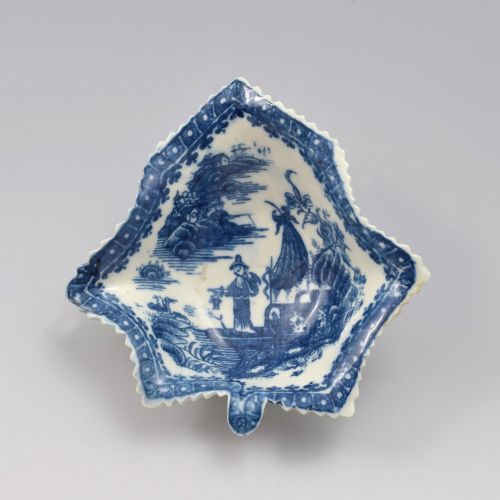
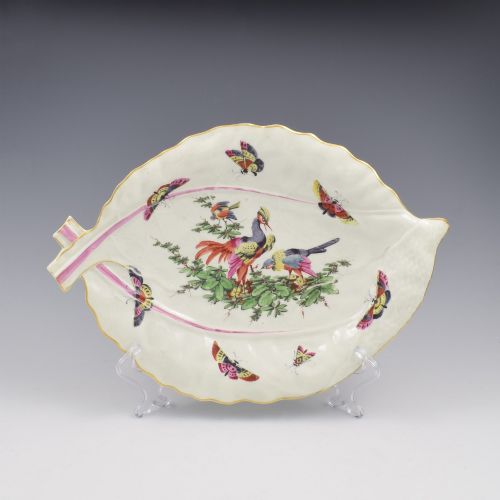
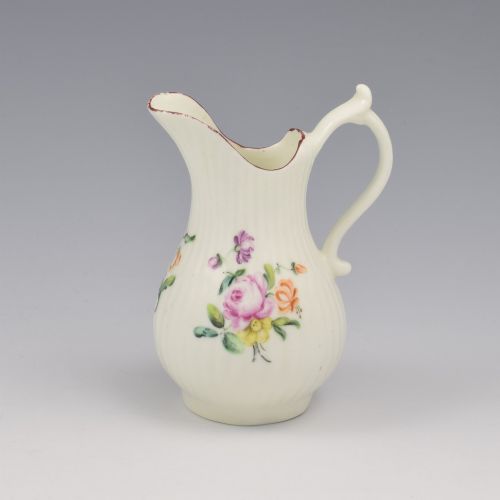
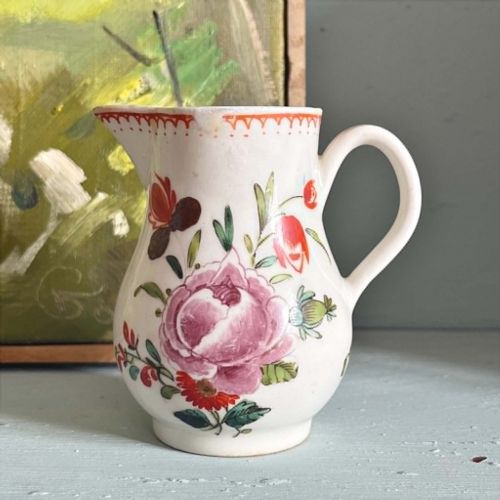
You are most likely to meet wares originating from prominent English factories such as Worcester, Derby, Bow and Caughley. These items reflect the periods spanning from mid-century productions through the Regency era, often displaying characteristic forms such as leaf dishes, fluted cream jugs and barrel-shaped teapots.
Materials and technique in early English ceramics
Makers utilised soft-paste porcelain body formulas composed of white clays, fritted glass and soapstone, which fired at lower temperatures than hard-paste porcelain and yielded a warmer, softer translucent body. Potters then coated these bodies with liquid glazes that pooled delicately in recessed mouldings and foot rims.
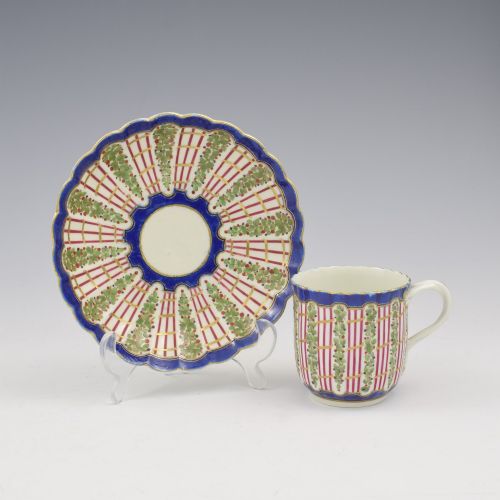
Decorators applied cobalt blue underglaze painting before the initial kiln firing, or added overglaze enamel colours, polychrome patterns and gold leaf gilding in subsequent low-temperature firing stages. Moulding techniques allowed workshops to produce relief decoration, such as wickerwork baskets, fluting and botanical leaf shapes.
Georgian Soft Paste Porcelain Retail Price Guide 2026
Typical asking prices for georgian soft paste porcelain among the pieces listed under this phrase on Sellingantiques today, from the lower quarter to the upper quarter. They describe what is for sale here now, not the wider market.
Putti representing the four seasons hold court alongside porcelain milkmen and children dressed as liberty and matrimony.
Variations in quality across the range
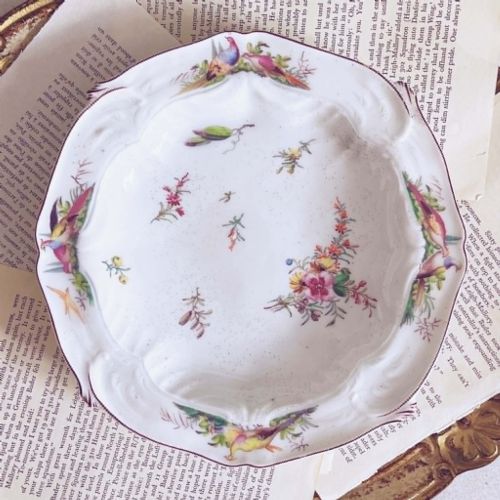
The standard of painting distinguishes the finest items, where handpainted polychrome birds, floral sprays and figures exhibit precise brushwork, nuanced shading and careful detail. Simpler blue and white transfer printed or freely brushed motifs occupy a different tier of artistic ambition.
Form and potting execution also mark the distinction between everyday domestic output and exhibition-grade pieces. Crisp moulding in relief items, well-balanced handles, expertly potted thin walls and minimal kiln distortion indicate superior craftsmanship in the finished object.
Richard Chaffers·Bow Porcelain·Derby Porcelain·Caughley Porcelain·Longton Hall·New Hall Porcelain·Chelsea
The Georgian Soft Paste Porcelain Glossary
- Soft-paste porcelain
- A glassy, artificial porcelain composition fired at moderate temperatures during the eighteenth century. It possesses a warm tone and interacts distinctively with transmitted light.
- Underglaze
- Pigment applied to the ceramic body before the glaze is applied and fired. This technique protects the painted design beneath a glassy coating.
- Enamel
- Opaque coloured glass fused to the surface of fired porcelain during a secondary, low-temperature kiln stage. It permits vibrant polychrome palettes.
- Bocage
- Applied ceramic foliage and floral background work surrounding figures. It forms a leafy arbour typical of mid-eighteenth-century porcelain sculpture.
- Chinoiserie
- European artistic interpretations of Chinese and East Asian motifs. Figures, landscapes and pagodas feature frequently on eighteenth-century tableware.
Georgian Soft Paste Porcelain: Frequently Asked Questions
What is soft paste porcelain?
Soft-paste porcelain is an artificial ceramic body developed in eighteenth-century England before the discovery of domestic hard-paste clay deposits. It combines white clays, glass and other ingredients to create a vitreous, translucent material.
This early body type accepts glazes and enamel colours with a characteristic softness and warmth. When held to the light, pieces often display a creamy translucency distinct from later hard-paste wares.
How were these pieces used?
These ceramics served functional roles in wealthy Georgian households for dining, tea service and social display. Teapots, coffee cups, cream jugs and sauce boats were standard table equipment for hot beverage and meal service.
Figurines, basketware and decorative dishes functioned as ornamental table centrepieces and parlour displays. They demonstrated the host's refined taste and engagement with contemporary artistic fashions.
How do I care for Georgian porcelain?
Living with these antique ceramics requires gentle handling and protection from modern mechanical dishwashers or harsh chemical detergents. Hand washing in warm water with mild soap preserves the delicate enamel decorations and gold leaf gilding.
Displaying pieces away from direct, harsh sunlight and unstable shelving prevents accidental damage or fading. Secure placement ensures these eighteenth-century objects remain stable in domestic environments.
How do I identify a period piece?
Identification relies on examining paste characteristics, glaze pooling, factory marks and stylistic conventions of the eighteenth century. Early soft-paste bodies often show kiln specks, unglazed foot rims and characteristic weight variations.
Comparing forms, such as Dr Wall Worcester shapes or Bow figure models, against documented historical examples confirms authenticity. Stylistic details like Rococo scrollwork and Chinoiserie painting provide further chronological context.