



Rococo Porcelain Statuette
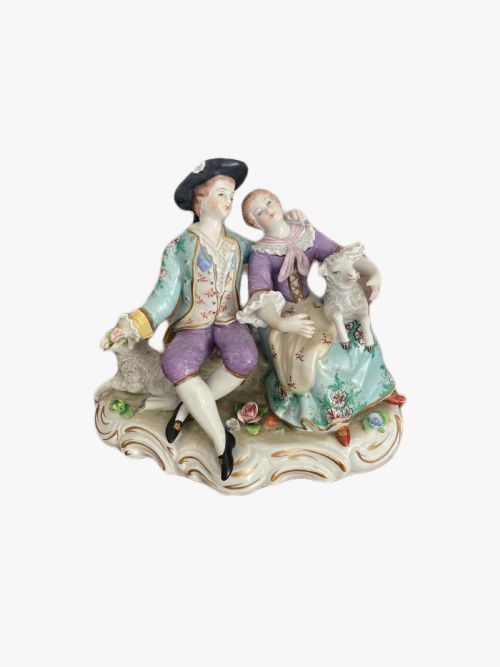
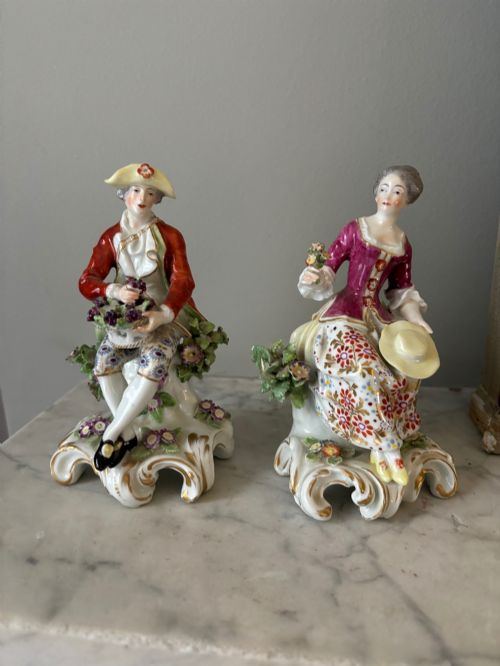
When you search for rococo porcelain statuette, you are looking at small, highly decorative ceramic figures modelled on 18th-century European court life, pastoral scenes and allegories.
Rococo Porcelain Statuette
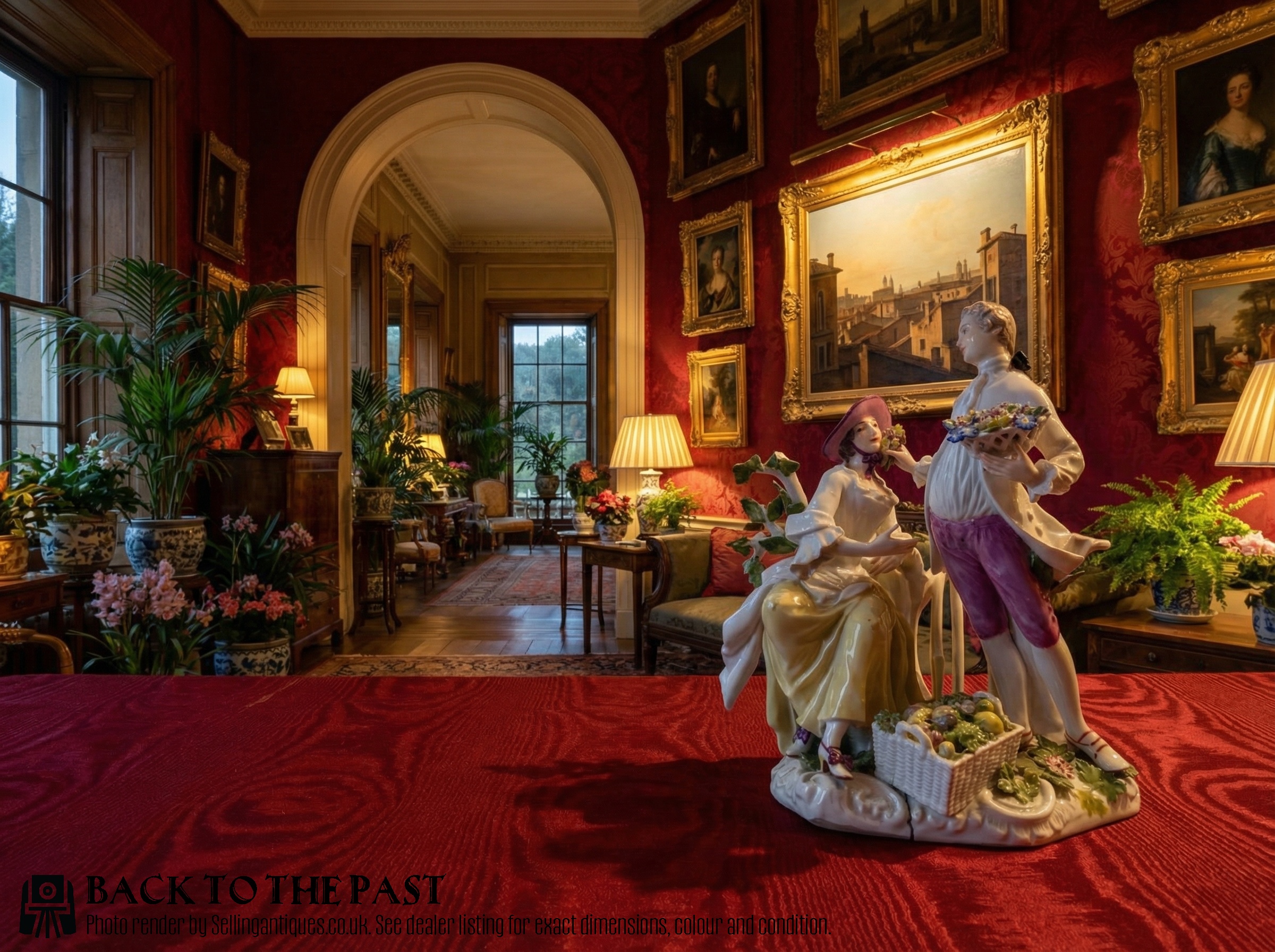
A rococo porcelain statuette depicts figures such as street traders, musicians, gardeners, mythological subjects and putti, styled with the asymmetry and theatricality typical of the mid-18th century. You will encounter both genuine 18th-century examples from factories like Meissen, Derby, Bow and Longton Hall, alongside 19th-century revival pieces produced by makers such as Samson in Paris and various German manufactories.
These decorative objects functioned as tabletop centrepieces and parlour ornaments for wealthy European interiors, reflecting an aristocratic taste for rustic charm and classical myth. The forms range from single figures like bagpipers and flower sellers to elaborate pairs and groups engaged in daily or allegorical pursuits.
The aesthetic bridges original eighteenth-century modelling and later nineteenth-century revivals that consciously copied the palette and spirit of earlier periods. Collectors meet both hard-paste and soft-paste porcelain bodies across these eras, dressed in enamels, gilding and occasionally left as plain white biscuit porcelain.

Materials and Manufacture
Manufacturers formed these figures using ceramic pastes, specifically utilising soft-paste porcelain in early English factories like Bow and Derby, and hard-paste porcelain in continental European centres like Meissen. Artisans cast the figures in moulds, often assembling multiple separately cast limbs, garments and base elements with liquid clay slip before firing.
Following the initial biscuit firing, painters applied polychrome enamel colours and gold leaf or liquid gilding by hand before a final kiln firing to fix the decoration. Details such as delicate lace frills and applied porcelain flowers were frequently sculpted separately and attached painstakingly by hand prior to glazing.
Rococo Porcelain Statuette Retail Price Guide 2026
Typical asking prices for rococo porcelain statuette among the pieces listed under this phrase on Sellingantiques today, from the lower quarter to the upper quarter. They describe what is for sale here now, not the wider market.
The documented forms span pastoral musicians, allegorical seasons, mythological deities, and children with animals across English and continental traditions.
Factors Determining Quality
The complexity of the original composition and the intricacy of applied elements like leaves and lacework dictate the maker's skill level. Early 18th-century factory pieces and meticulous 19th-century revival interpretations demonstrate superior kiln control and chemical composition compared to hastily cast commercial output.

Meissen·Derby·Bow·Samson·Volkstedt·Longton Hall
The Rococo Porcelain Statuette Glossary
- Soft-paste porcelain
- An artificial porcelain body composed of white clay, glass and ground minerals, fired at lower temperatures than hard-paste. This material absorbs enamels differently and often shows a warm, slightly translucent glaze.
- Hard-paste porcelain
- A true porcelain made from kaolin and petuntse, fired at high temperatures to create a dense, vitreous body. European factories like Meissen adopted this formula for its durability and bright white surface.
- Biscuit porcelain
- Unglazed ceramic fired only once, resulting in a matte, white, stone-like surface resembling marble. French factories frequently utilised this finish for classical and allegorical figures during the nineteenth century.
- Gilt
- A thin layer of gold applied to the porcelain surface as decoration, often highlighting garment edges, rococo scrolls and bases. This can be burnished to a bright metallic shine or left matte.
- Enamel
- Coloured vitreous paints fused to the porcelain surface during a secondary low-temperature kiln firing. These pigments provide the vibrant palette characteristic of mid-eighteenth-century figures.
Rococo Porcelain Statuette: Frequently Asked Questions
How do I clean antique porcelain figures?
Use a soft, dry artist's brush to gently remove dust from crevices and delicate applied floral elements without applying pressure. Avoid running antique porcelain under water or using chemical cleaning agents, particularly on pieces with cold-painted decoration or delicate gilding.
Water can seep into unglazed areas or historic repairs, potentially destabilising fragile adhesives used in past restorations. Regular, gentle dry dusting is sufficient to maintain the surface without risking damage to the glaze.
Are 19th-century copies valuable?
Nineteenth-century revival pieces, particularly high-quality interpretations by Parisian makers like Samson or major German factories, hold significant collector interest and value in their own right. These makers often reproduced 18th-century styles and marks with exceptional technical skill.
While they differ in age from original 18th-century productions, their artistic merit and quality of execution command respect in the antiques market. Understanding the specific factory and period helps establish the correct context for each piece.
What is a gold anchor mark?
The gold anchor mark is a famous factory sign associated with the Chelsea porcelain manufactory during its golden period, indicating high-quality soft-paste production. However, this mark was also frequently copied or utilised by later revivalists like Edme Samson in the 19th century to denote style rather than original provenance.
Examining the paste, glaze characteristics, and painting style alongside the mark is essential for determining the actual date of manufacture. Many fine 19th-century pieces proudly bear pseudo-marks paying homage to these earlier foundations.
Why are some figures unglazed underneath?
Makers left the bases of porcelain figures unglazed, known as the foot rim, so the piece would not stick to the kiln furniture during high-temperature firing. This exposed hard-paste or soft-paste body provides a crucial diagnostic area for collectors to examine the texture, colour, and age of the ceramic material.
An unglazed base often reveals firing scars, pinholes, or historic factory marks stamped or painted into the paste. Inspecting this raw surface helps verify the manufacturing era and regional origin.