
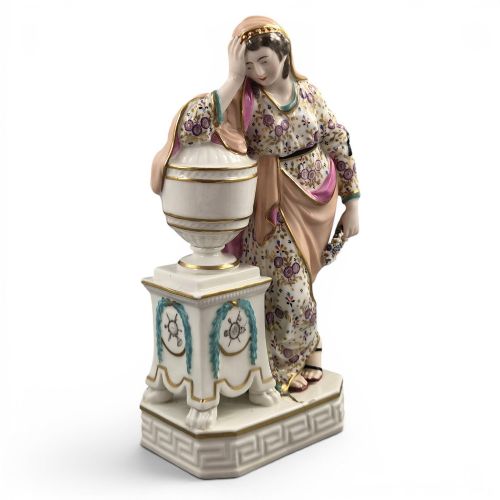


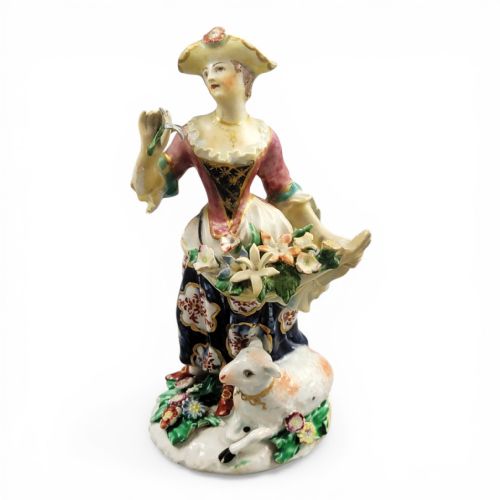


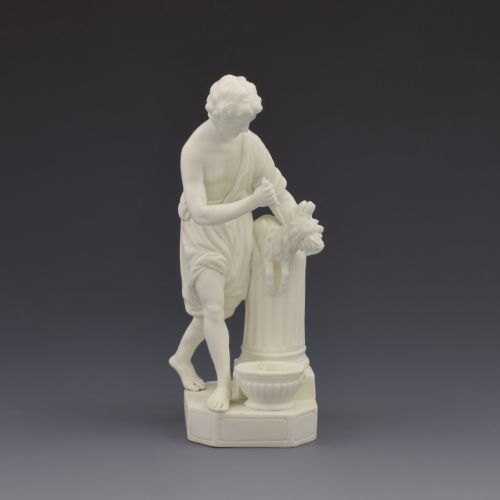


Georgian Porcelain Statuette
A georgian porcelain statuette brings cabinet-sized mythology, pastoral theatre and theatrical portraiture straight from eighteenth-century kilns into modern rooms.
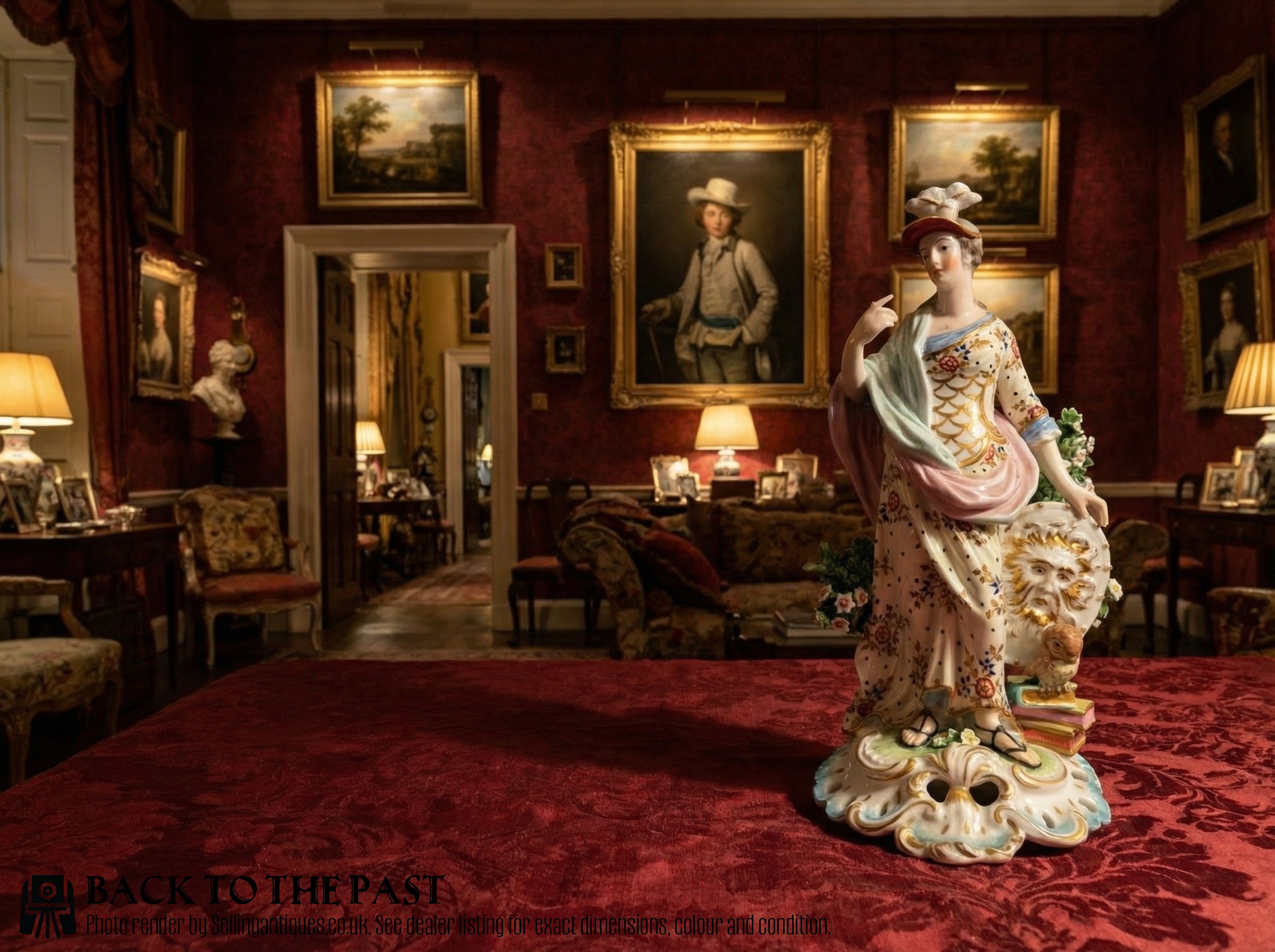
Understanding a Georgian porcelain statuette
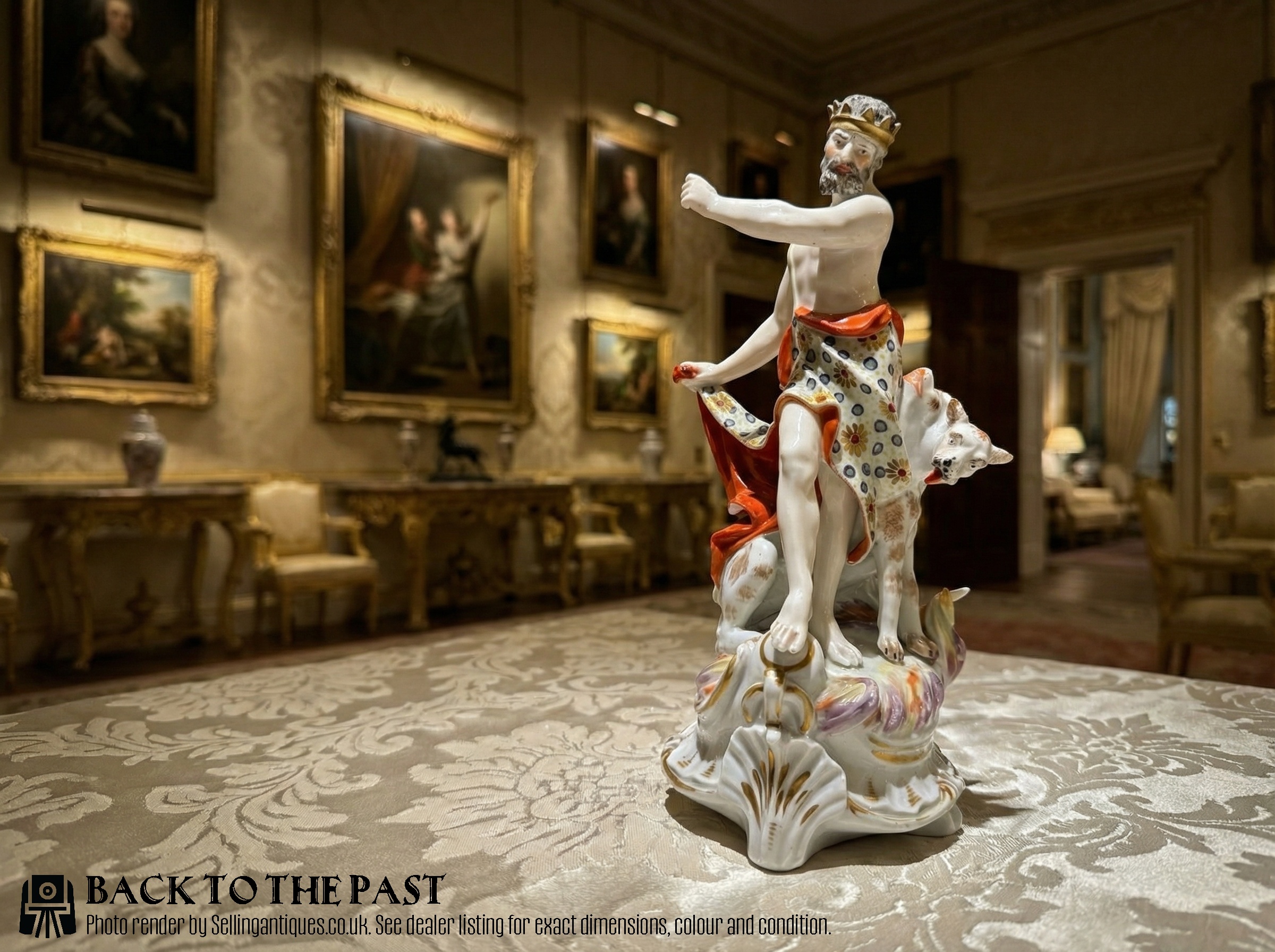
A georgian porcelain statuette captures figures from classical mythology, seasonal allegory and the contemporary stage in small, freestanding sculptures. These pieces range from solitary allegorical figures like winter rustics to theatrical portraits and mythological figure groups.
The examples gathered here date primarily from the eighteenth century, drawing from notable factories operating during the Georgian and Regency periods. Collectors encounter works depicting recognisable actors, classical deities and pastoral characters complete with lambs and floral attributes.
Moulded and modelled forms dominate the selection, showing how eighteenth-century makers translated grand sculptural themes into cabinet-sized ceramic ornaments. Each piece reflects the aesthetic priorities of Georgian Rococo design, balancing lively movement with delicate pastoral charm.

Assessing quality and execution
The dexterity of the enamel painting and the generous application of gold leaf and gilt dictate the visual impact of the finished object. Master painters achieved subtle shading on skin and textiles, whereas lesser examples rely on heavier, unshaded blocks of colour.
Retail Price Guide 2026
Typical UK retail prices for georgian porcelain statuette, calculated from the Sellingantiques database of over a million retail prices indexed since 2003. This retail price guide relies exclusively on Sellingantiques data; no external sources or auction records are used, so the figures do not describe the wider market.
Materials recorded across current inventory include gold leaf, gilt highlights, enamel colours and both standard and soft-paste porcelain.
Bow Porcelain·Derby Porcelain·Longton Hall
The Georgian Porcelain Statuette Glossary
- Soft-paste porcelain
- An artificial ceramic compound containing glass frit and white clay, fired at lower temperatures than hard-paste porcelain. It yields a warm, slightly creamy surface texture highly favoured by eighteenth-century English factories.
- Enamel
- Vitreous pigments applied over the glaze and fixed in a muff kiln. These paints provide the rich palette of reds, blues and yellows seen on costumes and naturalistic bases.
- Gilt
- A thin layer of gold applied to surface details and borders for decorative emphasis. In finer pieces, this gold leaf is burnished to catch the light.
- Rococo
- An artistic style characterised by asymmetry, scrollwork and lively ornamentation. This aesthetic influences the swirling bases and dynamic postures typical of mid-eighteenth-century figures.
Frequently Asked Questions
What subjects do these figures show?
These ceramic sculptures depict a wide variety of subjects drawn from classical mythology, theatrical performances and pastoral life. Common themes include allegorical representations of the seasons, literary characters and classical deities accompanied by symbolic attributes.
Craftsmen also modelled contemporary stage actors in famous roles, bringing popular eighteenth-century entertainment into domestic interiors. Each piece functions as a miniature narrative frozen in glazed ceramic.
Where were these statuettes made?
English factories such as Bow, Derby and Longton Hall produced these delicate sculptures during the eighteenth century. Each pottery developed distinct clay bodies, enamel palettes and modelling styles that help identify their origin.
Regional variations in kiln technology and painterly traditions mean that pieces from different manufactories possess unique visual characteristics. Understanding these factory traits helps collectors distinguish between competing eighteenth-century workshops.
How should I display a porcelain figure?
Display these delicate sculptures within secure, enclosed cabinets away from direct sunlight and heavy foot traffic. Because soft-paste porcelain and enamel decorations are sensitive to environmental shifts, stable indoor conditions preserve their surfaces.
Positioning figures at eye level allows viewers to appreciate the intricate hand-painted details and subtle facial expressions. Adequate lighting from within a cabinet enhances the gilt highlights and soft translucency of the ceramic.
How do I identify the period?
Dating relies on examining the characteristics of the paste, the style of the modelling and the nature of the unglazed base. Eighteenth-century pieces often display characteristic potting flaws, tool marks and hand-mixed enamel colours typical of early production methods.
Stylistic cues such as Rococo scrollwork and contemporary costume details further narrow down the decade of manufacture. Comparing piece anatomy with documented factory archetypes confirms the historical era.