
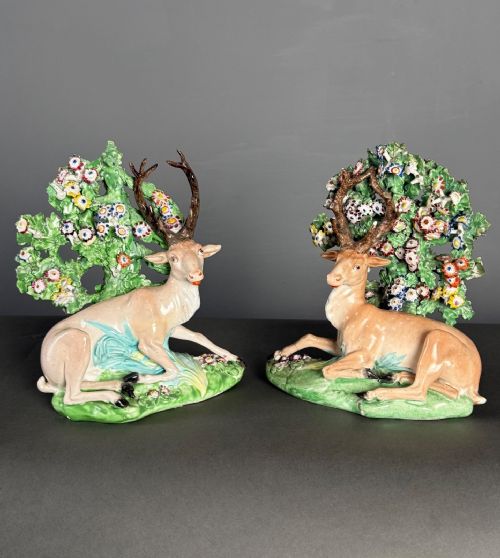
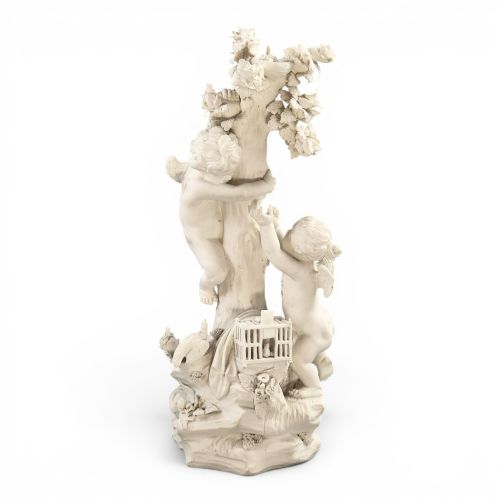
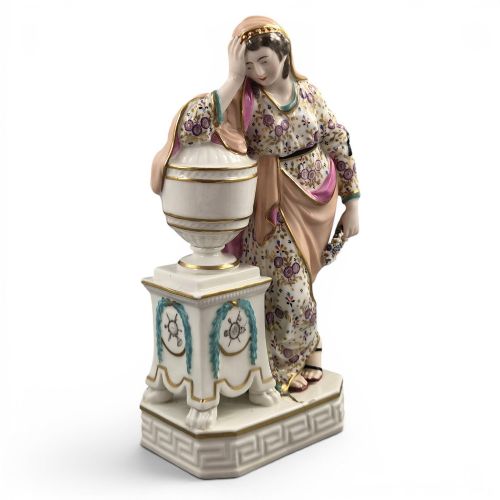


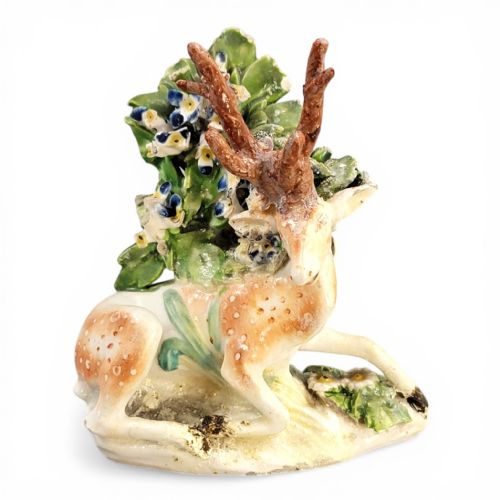


Derby Porcelain Figurine
These derby porcelain figurine examples offer wonderful sculptural charm, bringing eighteenth and nineteenth-century ceramic artistry straight into your collection.
What They Are
A derby porcelain figurine represents a sculptural ceramic form shaped by skilled hands during the eighteenth and nineteenth centuries, spanning Georgian and Regency eras. Buyers searching for a derby porcelain figurine will encounter subjects ranging from classical deities like Diana and Neptune to pastoral figures such as shepherds, flower sellers, and allegorical representations of the seasons.
The objects seen here appear as individual figures or paired sets, capturing human and mythological action in miniature form. Most examples on this page date from the Georgian period through to the early nineteenth-century Bloor period, reflecting the changing aesthetic preferences of British makers over decades.
How They Were Made
Craftsmen shaped these pieces using soft-paste porcelain and bisque porcelain, materials that allowed for fine detail in drapery and facial expressions. Once fired, the figures received hand-applied enamel colours, gilding, and gold leaf to highlight clothing, accessories, and natural bases.
Makers utilised multipart moulds to cast complex compositions before finishing the surfaces by hand with painting and glazing. The resulting objects combined ceramic bodies with meticulous enamel work, creating the tactile surfaces characteristic of the period.
Retail Price Guide 2026
Typical UK retail prices for derby porcelain figurine, calculated from the Sellingantiques database of over a million retail prices indexed since 2003. This retail price guide relies exclusively on Sellingantiques data; no external sources or auction records are used, so the figures do not describe the wider market.
Court hairdressers and hunting deities share shelf space with flower sellers and dancing pairs.
What Varies in Quality
The success of the firing process and the preservation of the original soft-paste body or bisque surface heavily influence the overall character of each piece. Later or hurried production often shows softer details in the modelling and simpler application of decorative pigments.
William Duesbury Co·Crown Derby·Chelsea Derby
The Derby Porcelain Figurine Glossary
- Soft-paste porcelain
- A glassy ceramic composition fired at lower temperatures than hard-paste, used extensively in early English figures to achieve creamy body tones.
- Bisque porcelain
- Unglazed porcelain fired to a matte, tactile finish resembling marble, favoured for neoclassical subjects and detailed sculptural work.
- Patch mark
- A small unglazed blemish on the underside of early figures caused by kiln supports during firing.
- Bloor period
- The era of production under Robert Bloor during the early nineteenth century, known for vibrant enamelling and robust forms.
- Gilding
- The application of gold leaf or gold paint to decorate edges, clothing details, and bases.
Frequently Asked Questions
What is a patch mark on an old figure?
A patch mark is a small unglazed spot left on the base from the ceramic props used inside the kiln during firing.
These marks help identify pieces from the earlier production periods when specific kiln furniture was standard practice.
How do I spot soft-paste porcelain?
Soft-paste porcelain generally feels warmer to the touch and displays a softer, creamier translucency when held to the light.
It differs from later hard-paste bodies by lacking the stark, icy whiteness found in nineteenth-century mass production.
What is bisque porcelain?
Bisque porcelain is fired without a glaze, leaving a matte surface that resembles carved marble and highlights fine sculptural details.
This finish was particularly popular for classical subjects and allegorical figures during the eighteenth century.
How were these figures displayed?
Georgian owners typically placed these porcelain pieces on mantelpieces, side tables, or within decorative cabinet displays.
They served as conversational ornaments reflecting classical education, pastoral ideals, or seasonal allegories.
When was the Bloor period?
The Bloor period refers to the nineteenth-century operational phase under Robert Bloor, noted for rich colours and varied subjects.
Pieces from this time often exhibit heavier gilding and bolder enamelling than their eighteenth-century predecessors.