


White Ceramic Figurine
A white ceramic figurine brings crisp form and historic character to a room, offering tactile detail across centuries of modelling tradition.
Identifying white ceramic figurine pieces
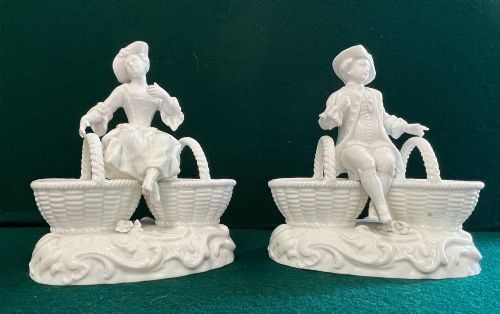
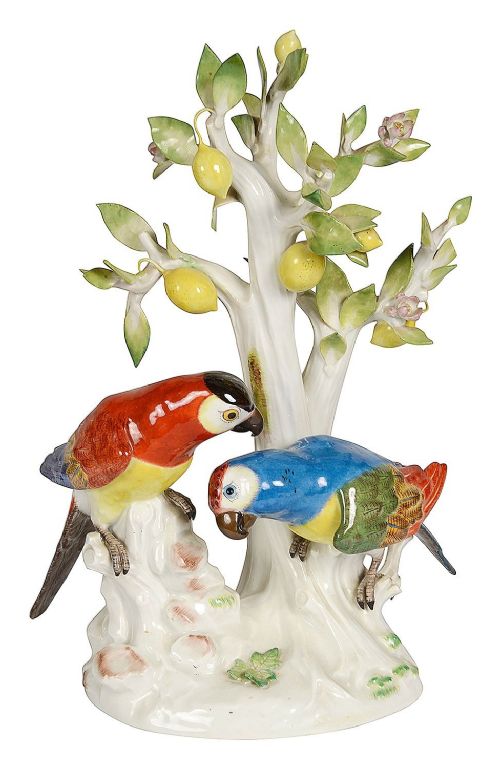
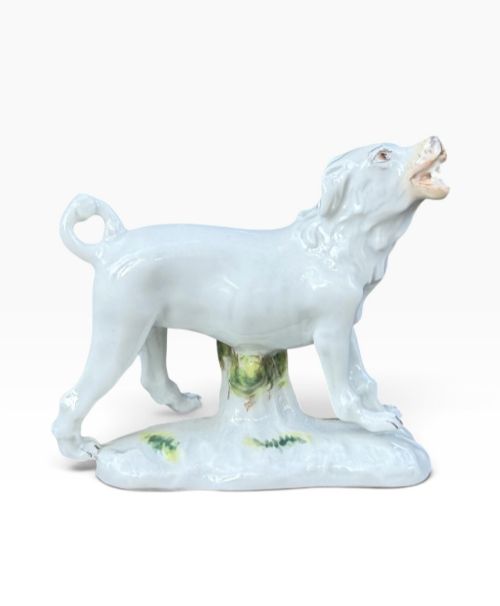
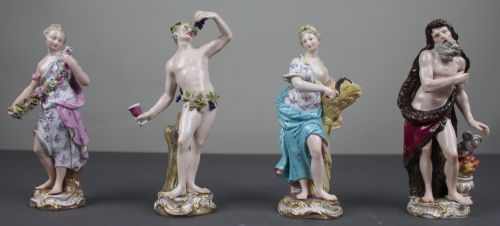
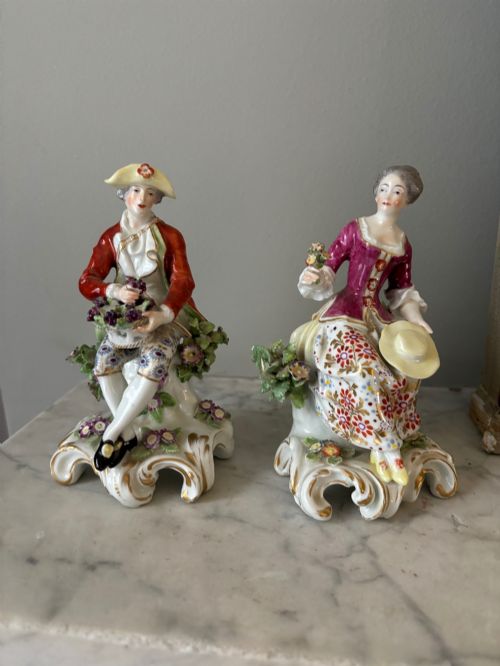
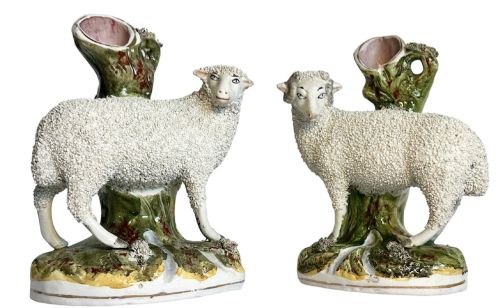
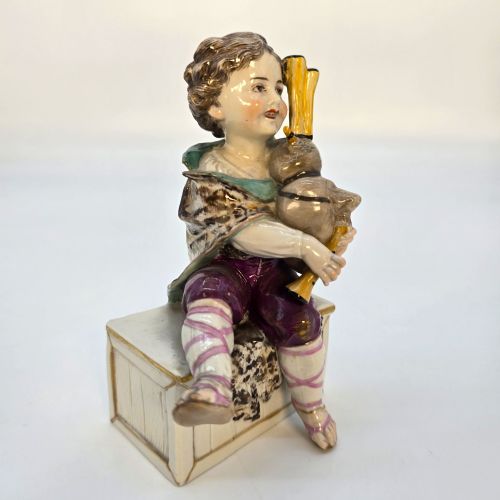
A white ceramic figurine spans centuries of sculptural output, ranging from eighteenth-century soft-paste porcelain to nineteenth-century earthenware and twentieth-century porcelain. These objects take the form of human portraits, literary figures, dancers, animals, and spill vases.
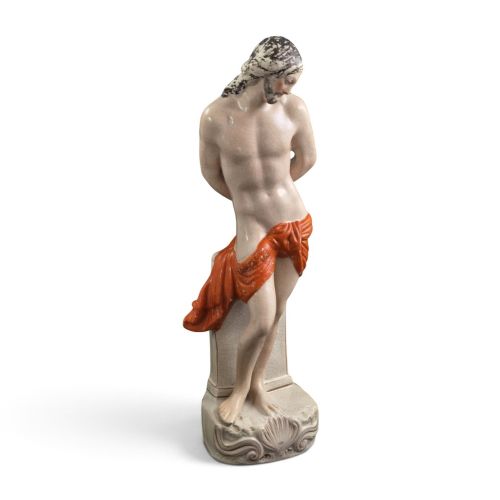
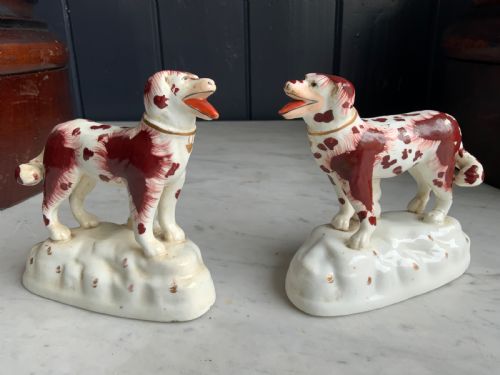
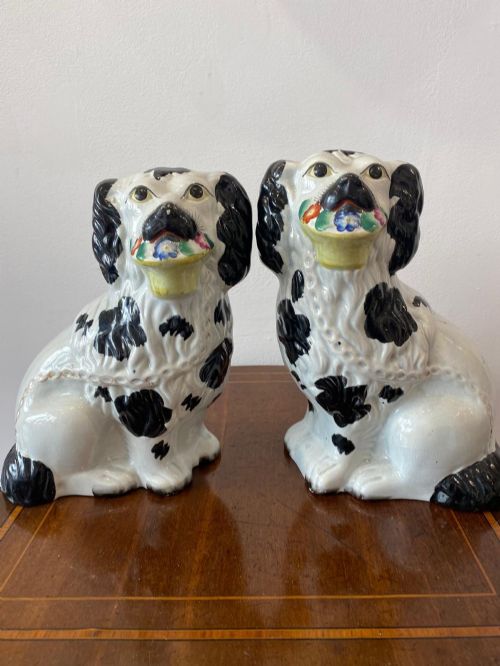
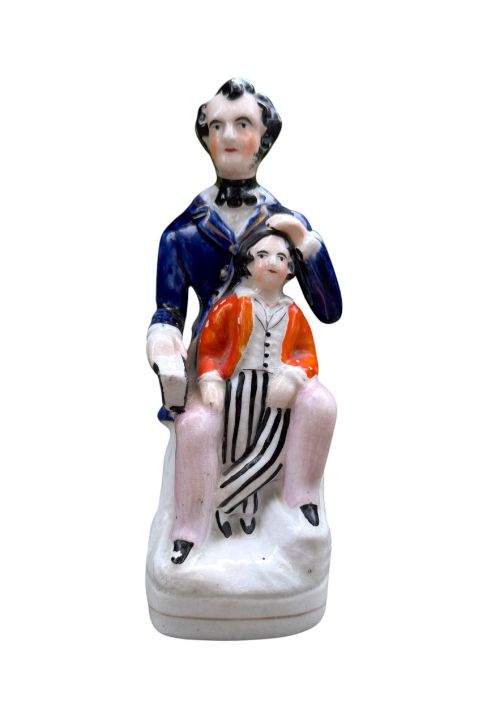
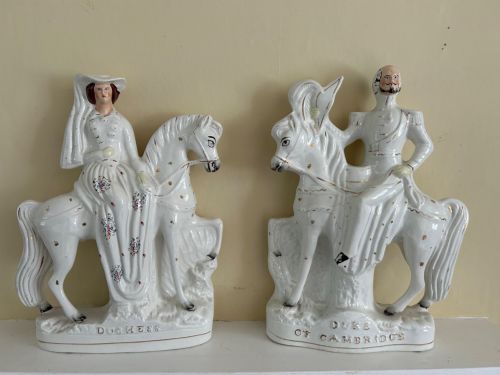
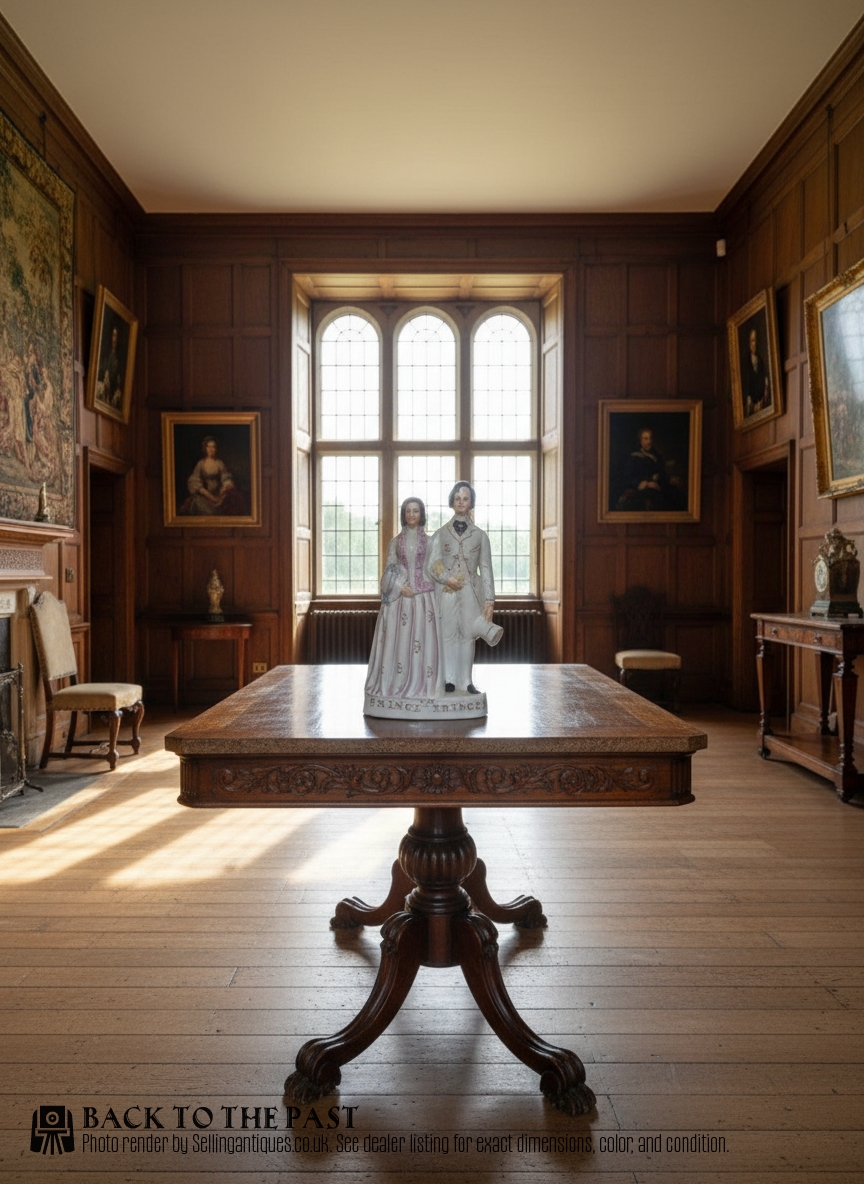
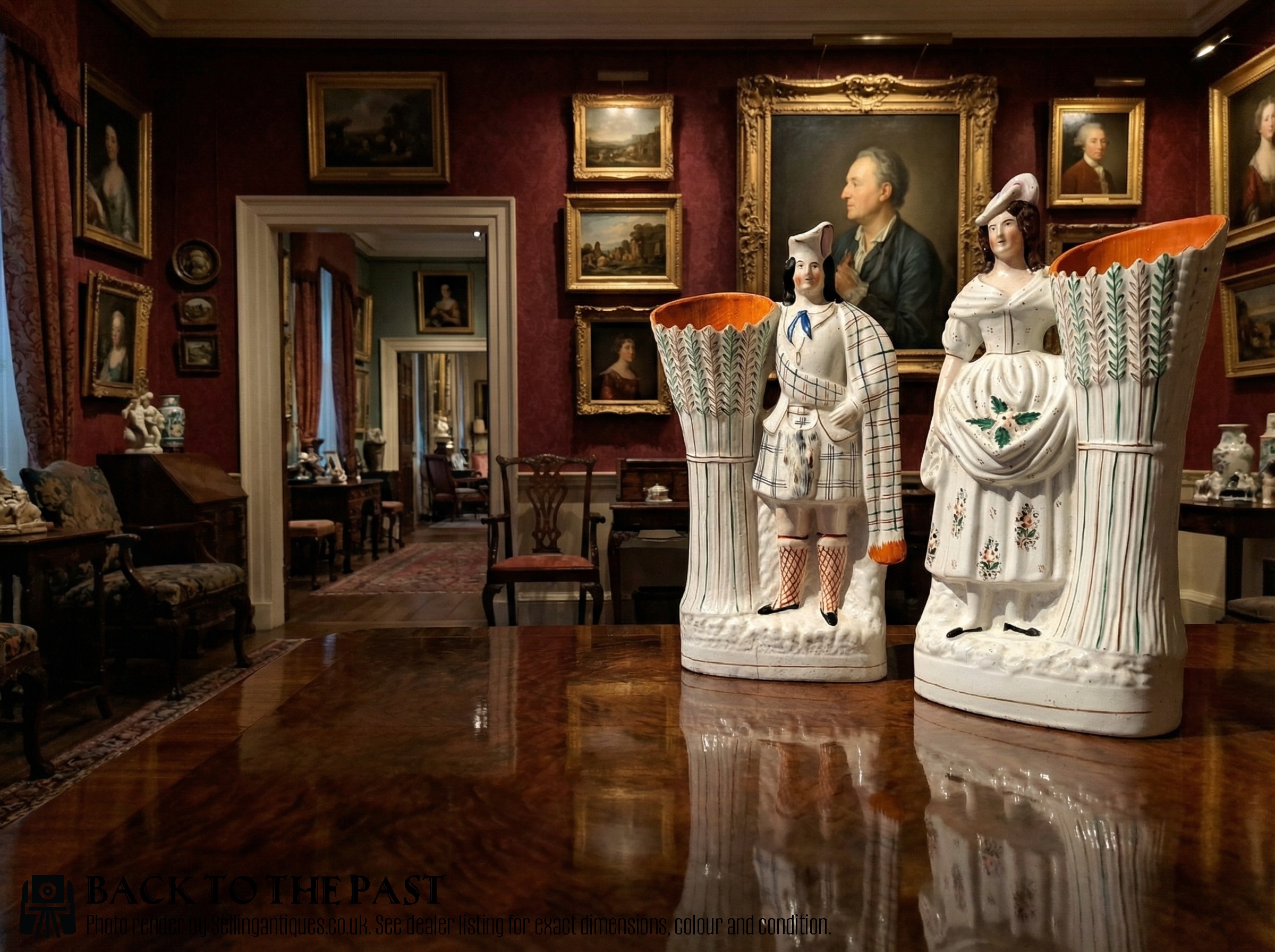
The Victorian era is heavily represented through Staffordshire pottery figures, including royal portraits, literary scenes, and country harvesters. Alongside these regional British works, eighteenth-century porcelain factories and Japanese kilns contribute international diversity to the form.
Moulded and modelled figures vary from simple flatback chimney ornaments to elaborate glazed and gilded groups. Each piece reflects the aesthetic of its period, moving from neoclassical and rococo elegance to Victorian narrative and Art Deco motion.
Materials and construction
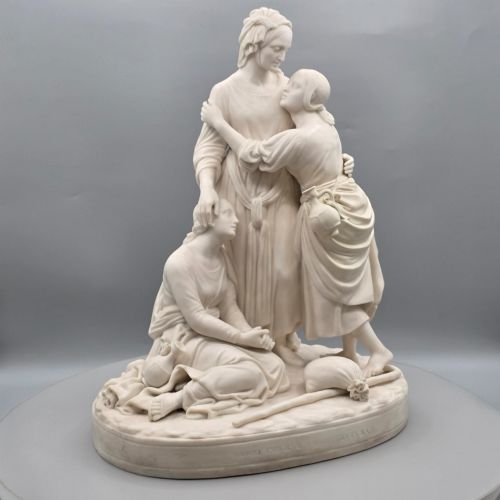
Makers shaped these pieces from varied ceramic bodies, including earthenware, soft-paste porcelain, bisque porcelain, and hard-paste Hirado porcelain. Bisque porcelain remains unglazed after firing, leaving a matte, marble-like finish that highlights fine sculptural detail.
Retail Price Guide 2026
Typical UK retail prices for white ceramic figurine, calculated from the Sellingantiques database of over a million retail prices indexed since 2003. This retail price guide relies exclusively on Sellingantiques data; no external sources or auction records are used, so the figures do not describe the wider market.
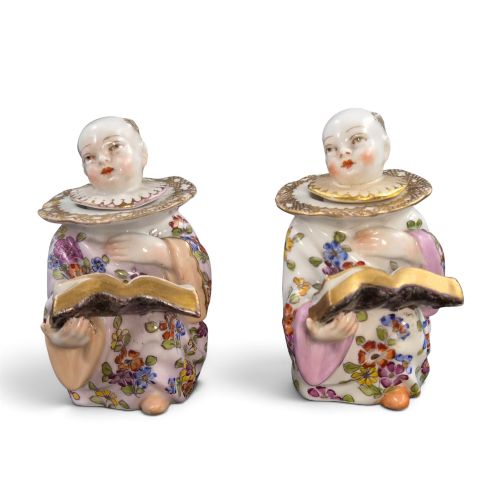
The inventory includes figures, sculptural groups, and functional spill vases decorated with enamel and gilding.
Distinguishing quality
The sophistication of the ceramic body and the application of glaze or gilding separate standard output from superior factory pieces. Finer porcelain bodies achieve a more delicate translucency and precise definition than heavier earthenware.
Derby·Bow·Mikawachi Kilns·Theo Voss
The White Ceramic Figurine Glossary
- Bisque porcelain
- Unglazed fired porcelain that has a matte, tactile surface resembling marble. It is also known as biscuit porcelain.
- Soft-paste porcelain
- An early ceramic composition fired at lower temperatures than hard-paste porcelain, often showing a warm tone under the glaze. It was widely used by eighteenth-century English factories.
- Flatback
- A figure moulded with a finished front and a flat, unpainted reverse intended for display against a wall or mantelpiece. This style is common in nineteenth-century Staffordshire pottery.
- Spill vase
- A hollow figural vessel designed to hold wooden spills for lighting candles and pipes. It combines utilitarian function with sculptural display.
- Earthenware
- A porous ceramic fired at a lower temperature than stoneware or porcelain, requiring a glaze to achieve impermeability. Staffordshire potters used this material extensively for popular figures.
Frequently Asked Questions
What is a white ceramic figurine?
A white ceramic figurine is a sculpted three-dimensional object made from materials such as earthenware, soft-paste porcelain, or bisque porcelain. These pieces range from classical figures to Victorian portrait pottery.
They reflect the sculptural styles of periods including the eighteenth century, the Victorian era, and the Art Deco movement.
How were Staffordshire figures displayed?
Staffordshire flatback figures were typically designed to sit on mantelpieces or shelves against a wall. Their flat, unpainted backs made them ideal for placement on narrow ledges.
Larger groups and spill vases often occupied central positions in Victorian parlours as both decoration and functional items.
What is the difference between bisque and glazed porcelain?
Bisque porcelain is fired once without a glaze, leaving a matte, fine-grained surface that emphasises sculptural detail. Glazed porcelain receives a glassy coating that provides a smooth, reflective finish.
Unfinished bisque surfaces are more porous and require careful handling to avoid staining.
How do I identify a Victorian figure?
Victorian figures often feature earthenware bodies, flat backs, and hand-painted enamel colours combined with gilt highlights. Subjects frequently include royalty, literary characters, and rustic scenes.
Makers working during this era produced robust earthenware pieces intended for a broad domestic market.