

Antique English Earthenware
Antique english earthenware brings tangible history to your table, spanning robust jugs, delicate creamware, and hand-painted delft chargers from Georgian and Victorian centuries.
Antique English Earthenware
Antique english earthenware encompasses a broad spectrum of historic pottery, from utilitarian crocks and pickling barrels to decorative jugs, chargers, and ceramic figures. When searching this phrase, you encounter objects shaped by centuries of domestic and artistic potting traditions across England.
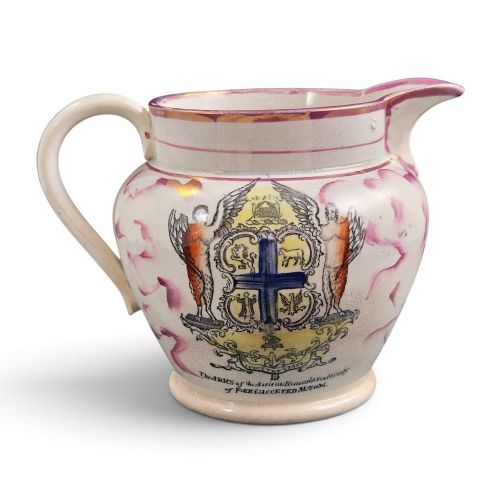
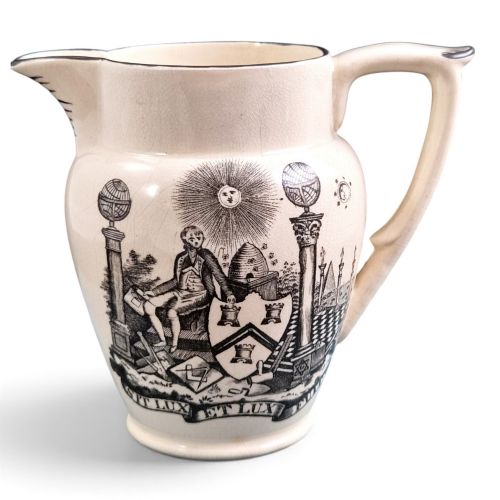
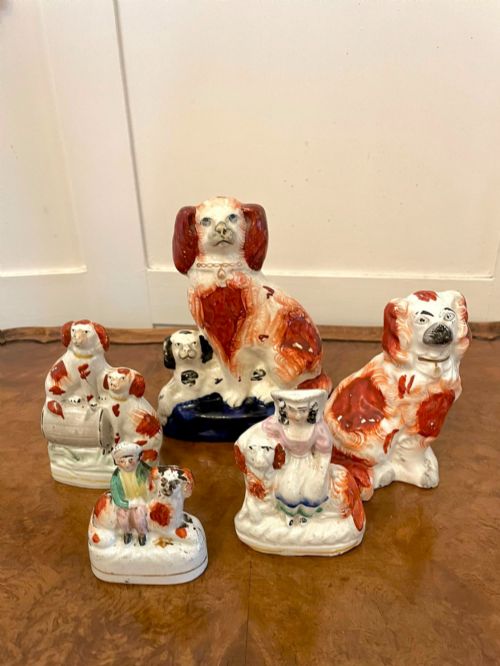
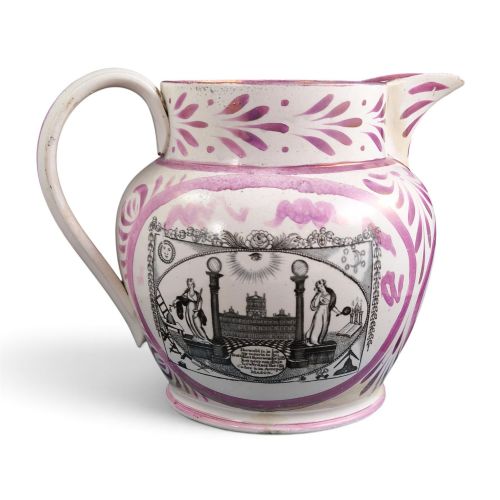
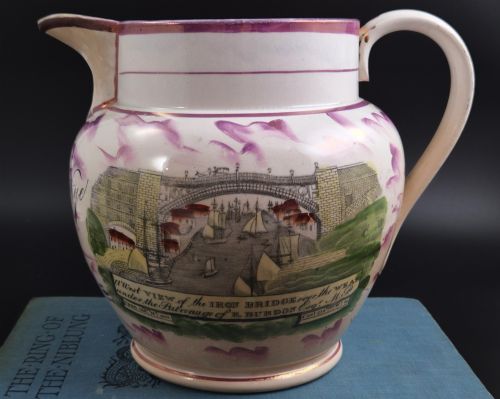
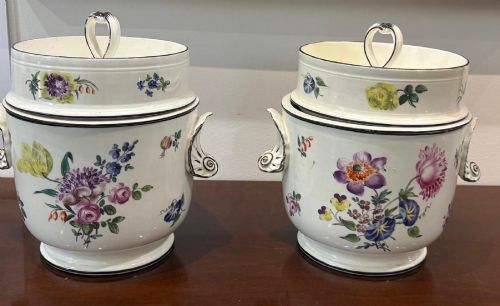
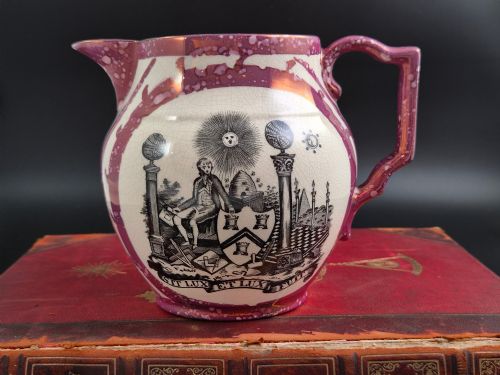
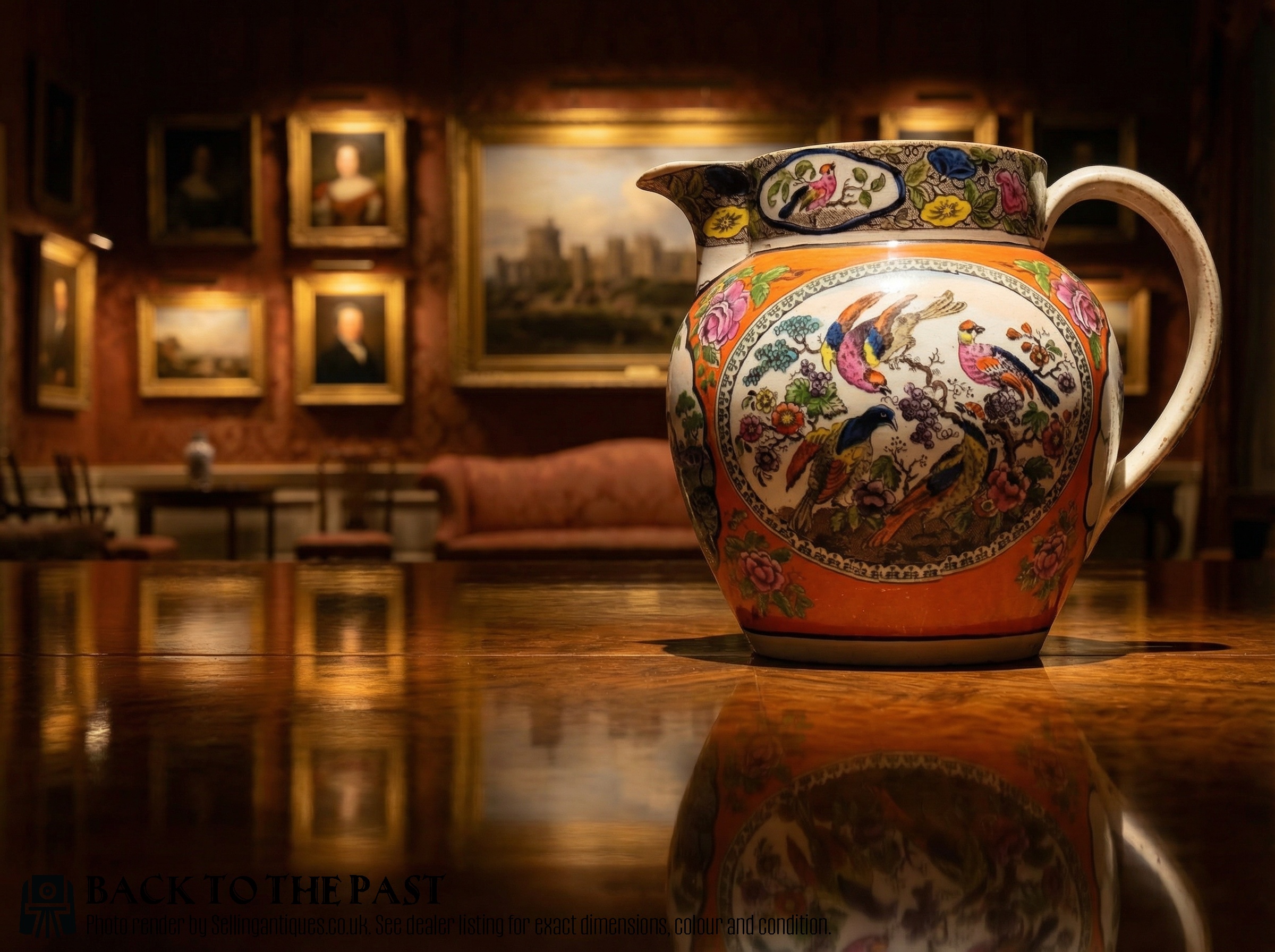
The pieces on this page lean heavily into the Georgian and Victorian eras, alongside earlier delftware examples. You are most likely to meet transfer-printed Sunderland jugs, creamware tableware, and Staffordshire animal figures.
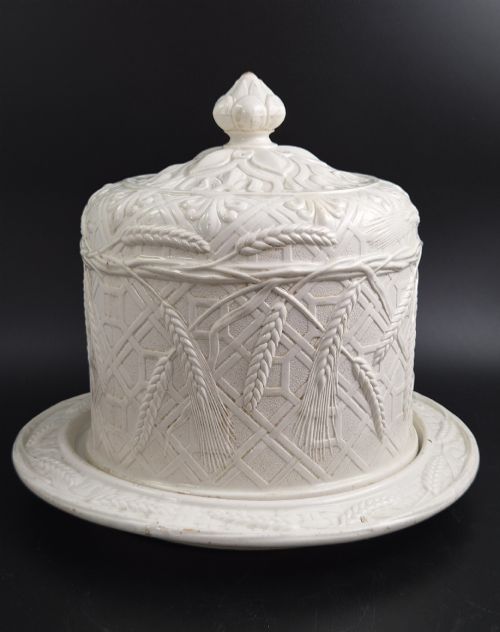
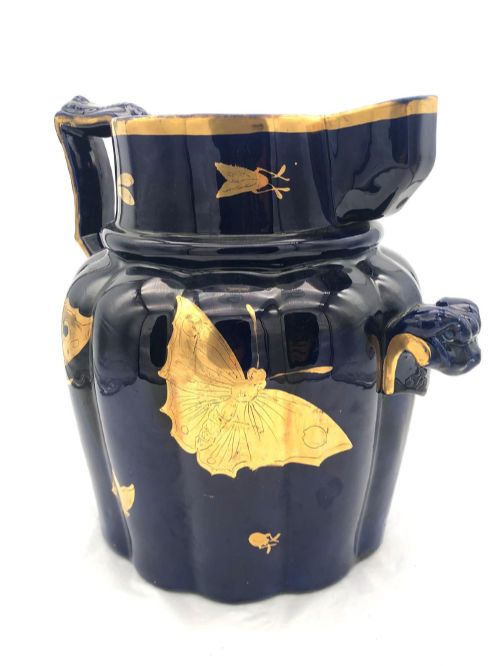
Forms range from large vessels and footbath jugs to delicate tea wares and cheese domes. Each piece reflects the functional and decorative demands of its period of manufacture.

Materials and Techniques
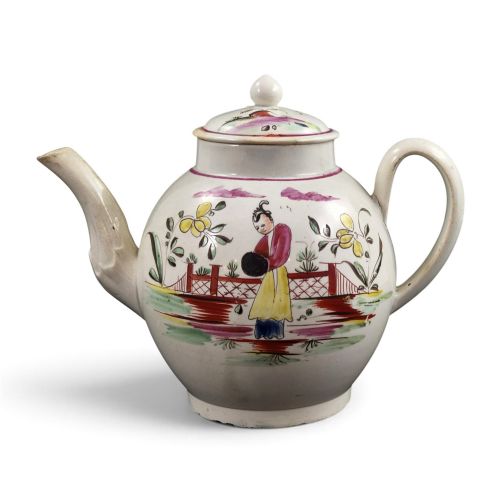
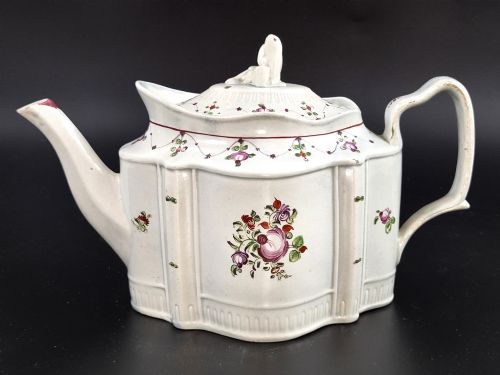
Potters utilised porous clay bodies coated with glazes, including tin glaze, metallic glaze, and pink lustre, to seal and decorate the vessels. Transfer printing and hand-painted polychrome enamel added intricate imagery to items like creamware teapots and delft chargers.
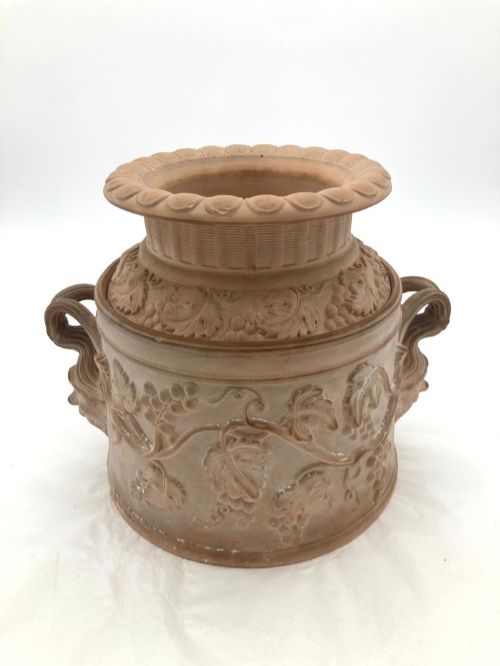
Specialised bodies such as pearlware, ironstone, and slipware provided distinct pale or textured surfaces for moulding into figures, baskets, and tableware.
Antique English Earthenware Retail Price Guide 2026
Typical asking prices for english earthenware among the pieces listed under this phrase on Sellingantiques today, from the lower quarter to the upper quarter. They describe what is for sale here now, not the wider market.
Listings feature eighteenth-century delft chargers, nineteenth-century Staffordshire figures, and Georgian creamware.
Assessing Craftsmanship and Condition
Quality rests on the clarity of transfer prints, the precision of hand-painted floral or maritime details, and the crispness of moulded relief work on figures and vessels. Superior examples maintain intact glaze surfaces without excessive fading or loss to metallic lustre.
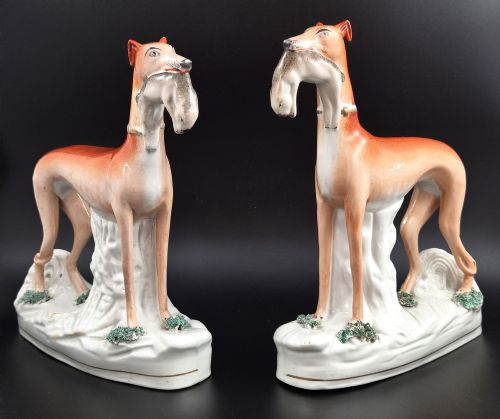
The sophistication of the form, whether a reticulated chestnut basket or a finely modelled pair of greyhounds, distinguishes standard utility wares from pieces produced by skilled potteries.
Wedgwood·Spode·Davenport·Moorcroft
The Antique English Earthenware Glossary
- Creamware
- A refined, light-coloured earthenware developed in the eighteenth century. It gained popularity for its smooth surface and suitability for table service.
- Delftware
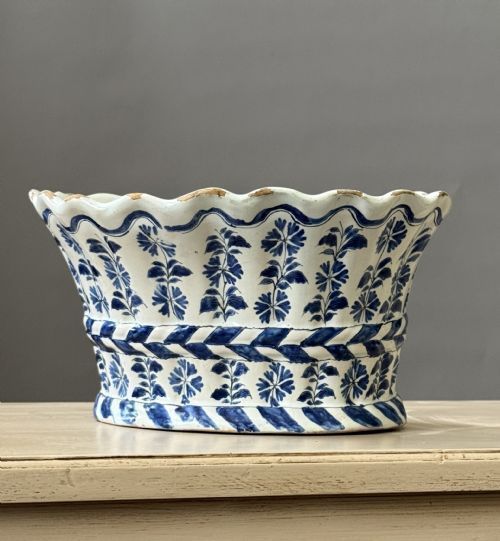
- Tin-glazed earthenware produced in England, often featuring blue and white or polychrome painted decoration. It frequently dates to the eighteenth century or earlier.
- Lustreware
- Earthenware finished with a metallic glaze that creates an iridescent sheen. Pink and copper varieties appear frequently on nineteenth-century jugs.
- Pearlware
- An refined earthenware with a bluish-tinted glaze designed to mimic Chinese porcelain. It superseded creamware in the late Georgian period.
- Transfer printing
- A technique for applying complex designs to pottery using engraved copper plates and tissue paper. It revolutionised Staffordshire production from the late eighteenth century onward.
Antique English Earthenware: Frequently Asked Questions
How do I identify creamware?
Creamware displays a distinct pale yellow or buttery tone beneath a clear lead glaze. It feels lighter and more refined than standard red earthenware.
Look for smooth surfaces that lend themselves well to armorial designs or delicate transfer printing.
How should I display Staffordshire figures?
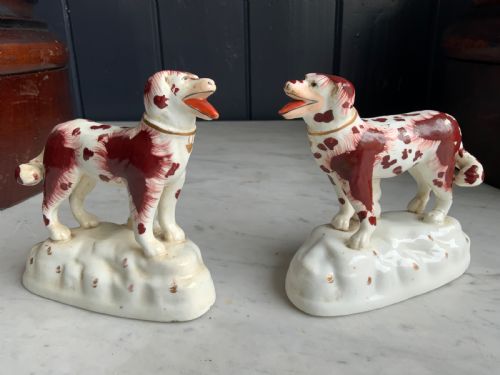
Staffordshire figures, including dogs and historical subjects, suit stable shelving away from direct sunlight. Their hollow moulded construction benefits from even indoor temperatures.
Group pairs together symmetrically on mantelpieces or within cabinets to match their original domestic placement.
Are delftware dishes waterproof?
Delftware possesses a porous earthenware body sealed with a tin glaze. While suitable for display and dry contents, prolonged exposure to moisture can seep into historic cracks.
Keep these chargers and plates away from daily liquid use to preserve the fragile tin-glazed surface.