


Georgian Blue White Pottery
Georgian blue white pottery unites cobalt pigments with tin glaze, earthenware, and pearlware across serving platters, plates, and bowls.
Georgian Blue White Pottery
When searching for georgian blue white pottery, collectors encounter tin-glazed earthenware, pearlware, and ceramic vessels produced during the eighteenth and nineteenth centuries.
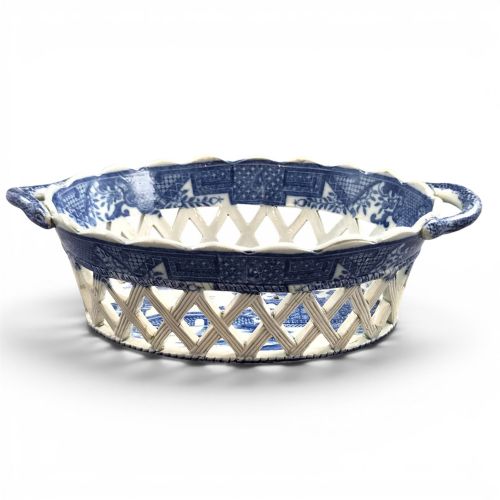
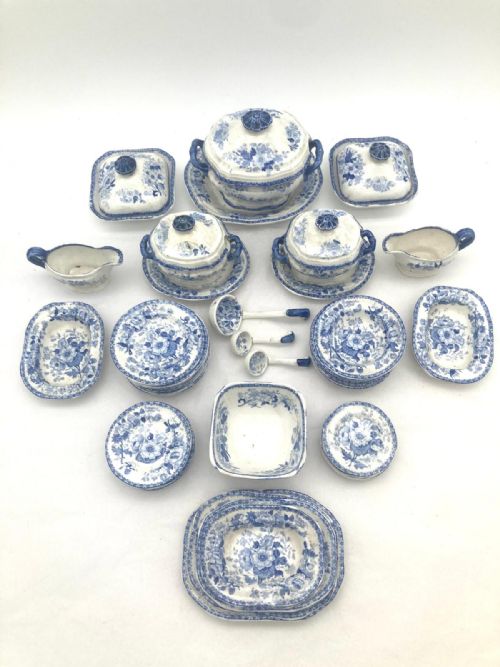
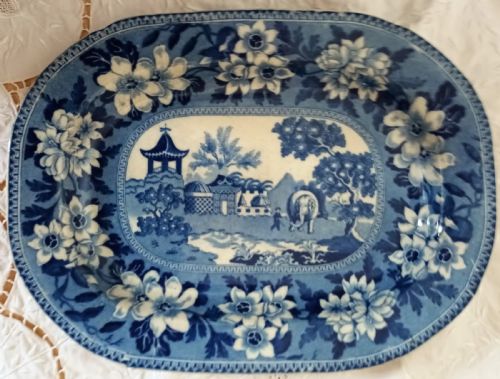
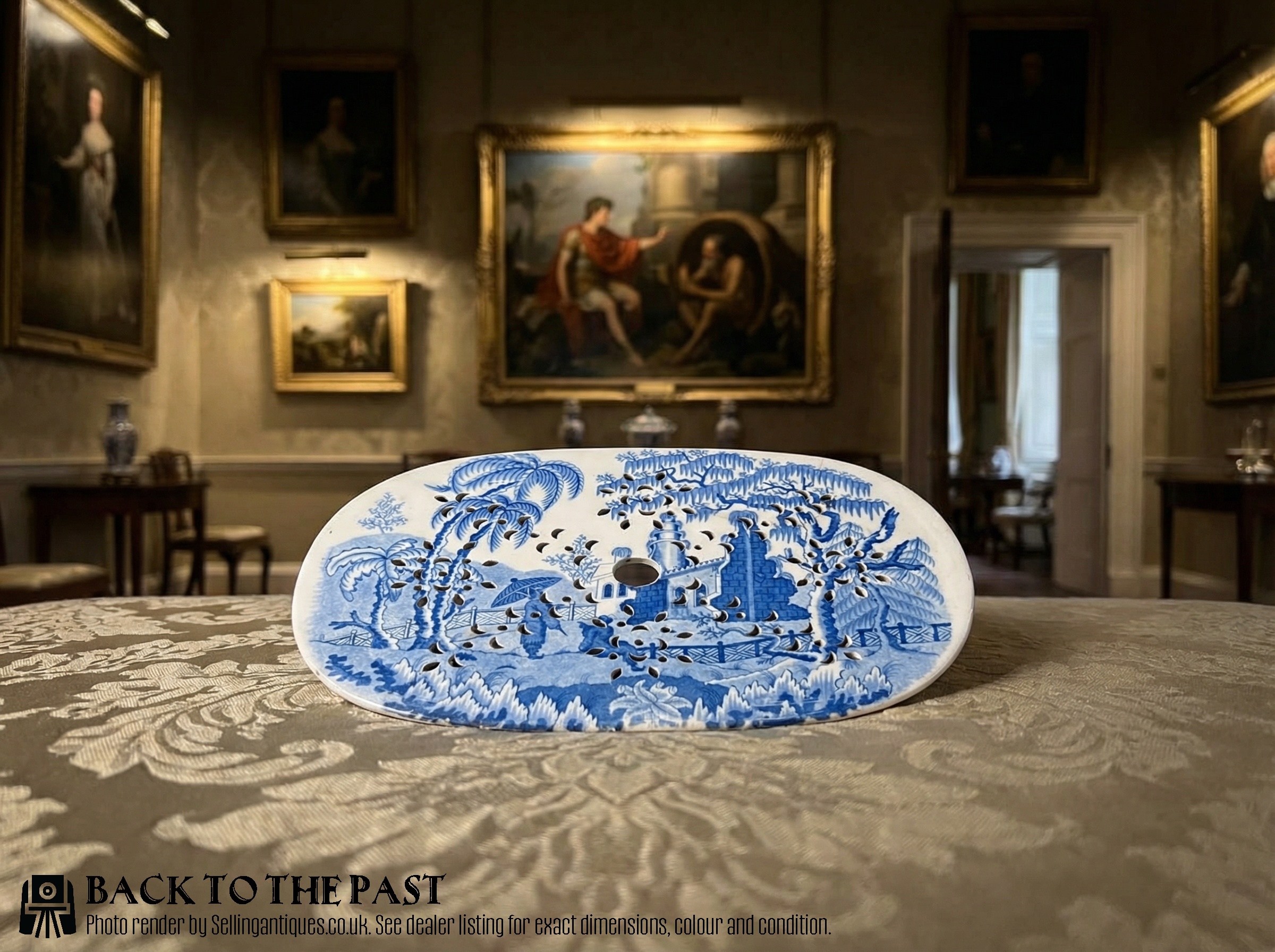
The category spans functional tablewares and decorative items including serving platters, tureens, footbaths, bowls, and plates.
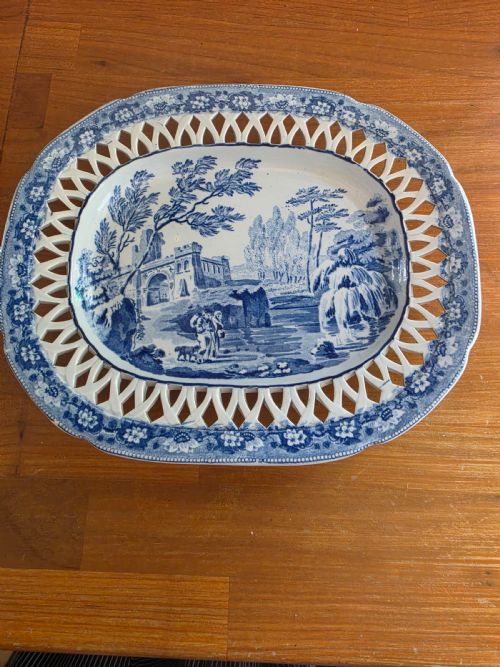
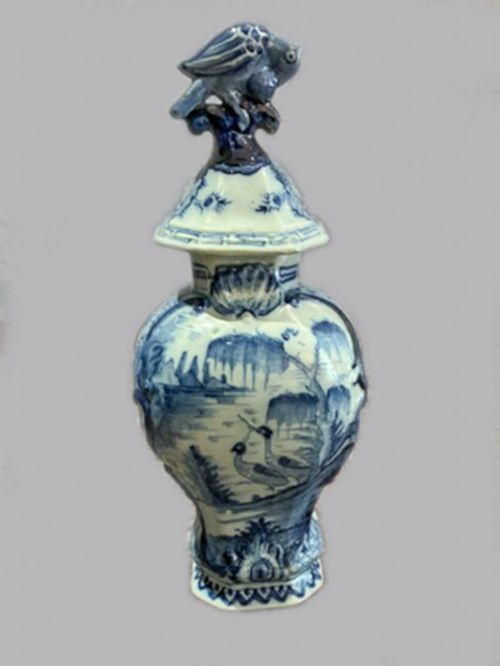
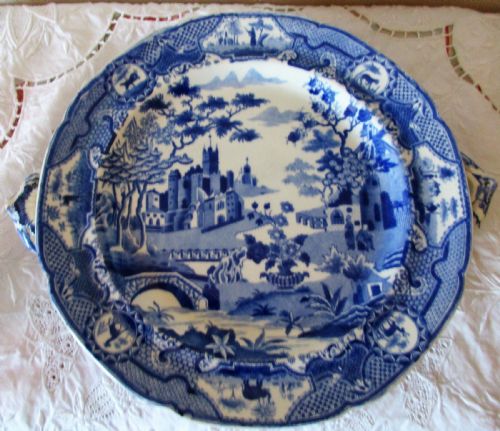
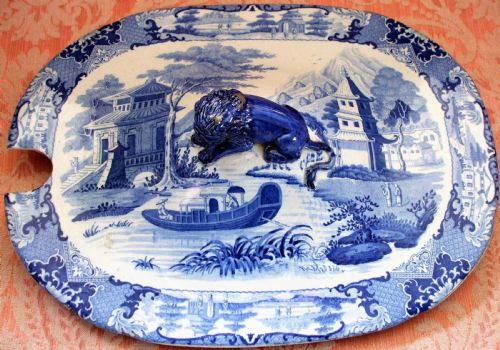
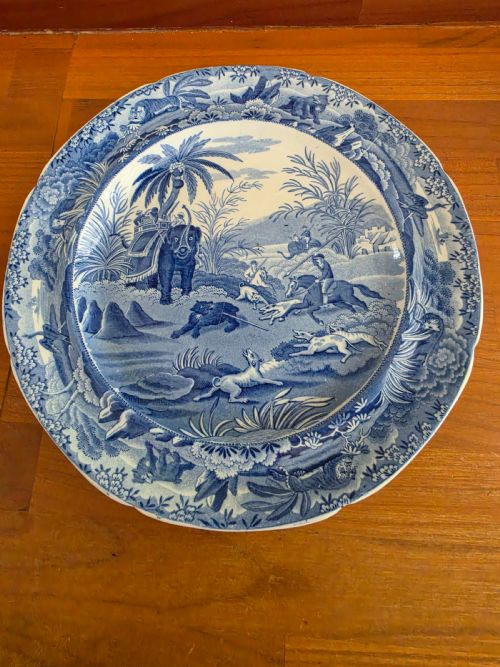
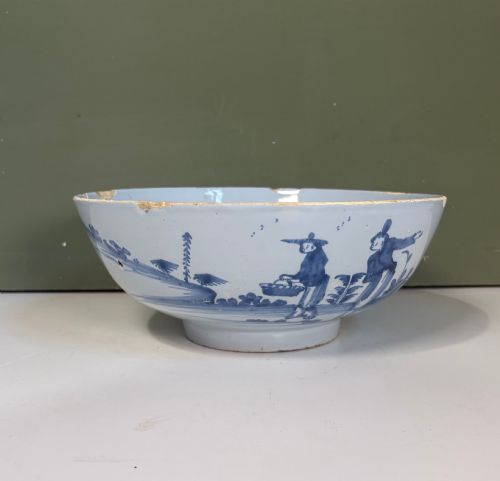
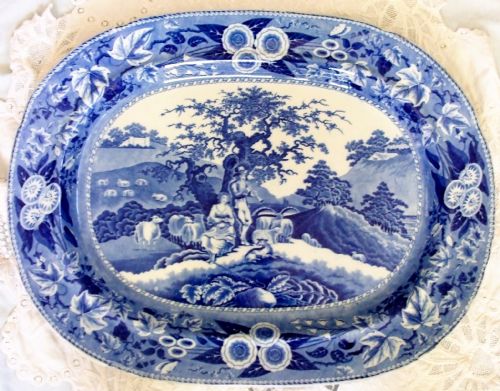
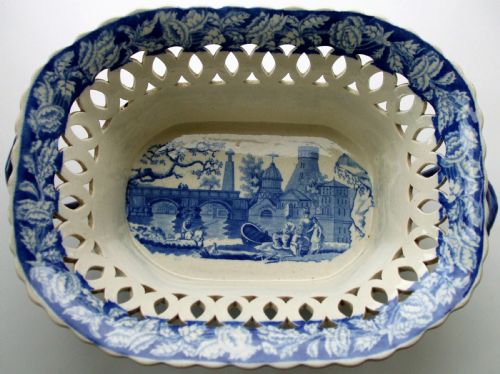
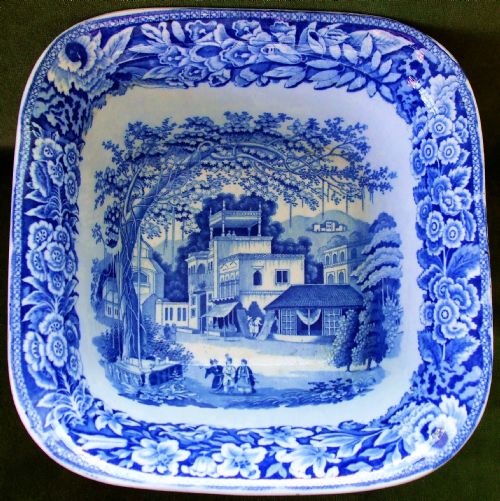
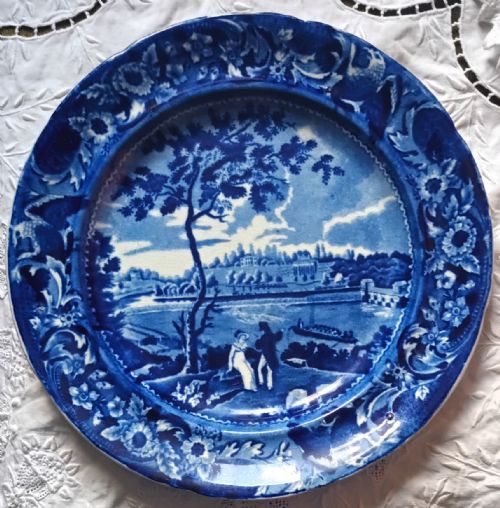
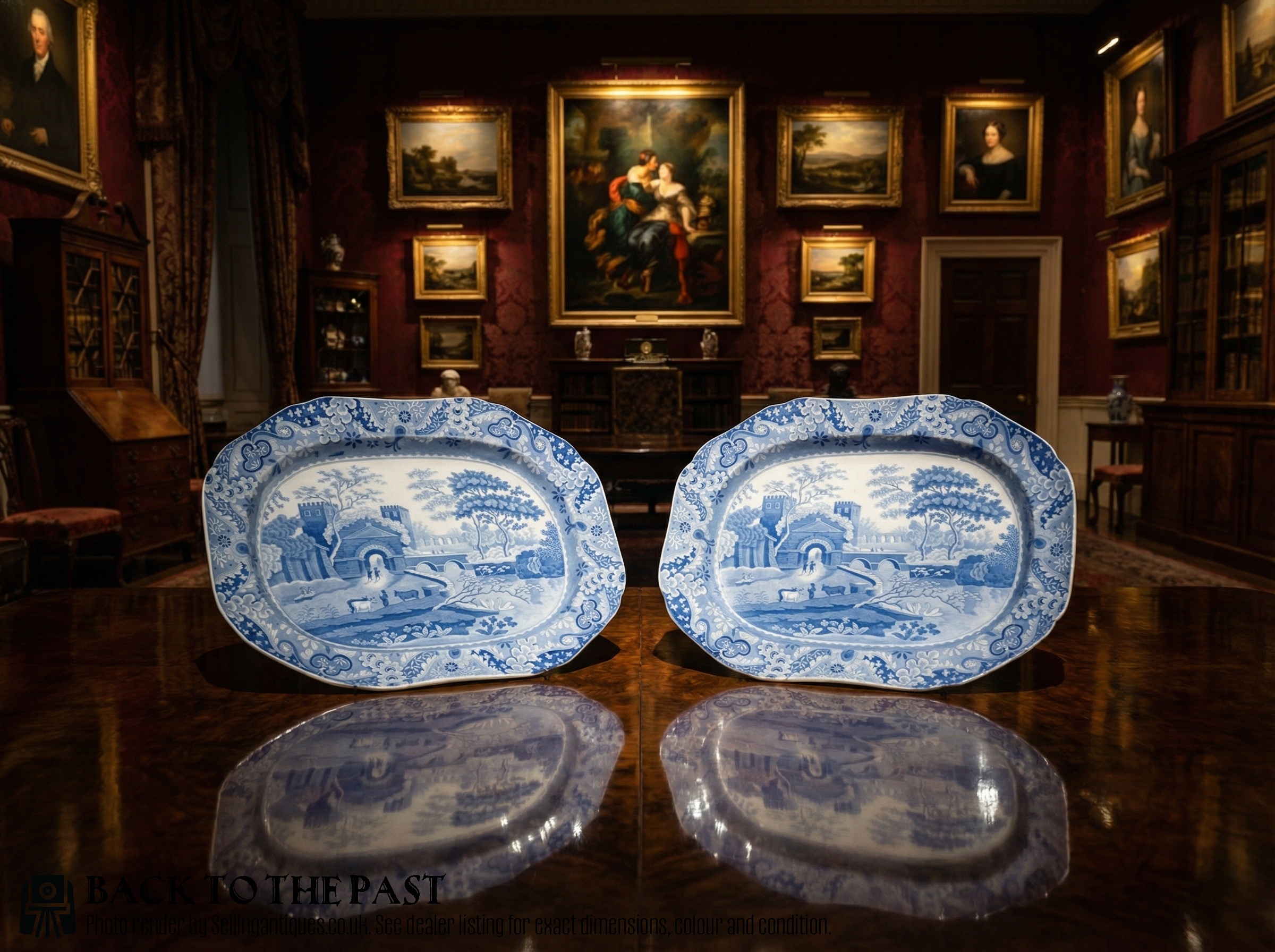
Pieces frequently feature transfer-printed or hand-painted scenes, ranging from classical architectural views and oriental landscapes to pastoral subjects.
How they were made
Potters utilised earthenware and pearlware bodies, coating them in tin glaze or transparent lead glazes to create smooth surfaces for decoration.
Cobalt oxide and cobalt pigment provided the distinctive blue coloration, applied either by hand painting with a brush or through copper-plate transfer printing.
Georgian Blue White Pottery Retail Price Guide 2026
Typical asking prices for georgian blue white pottery among the pieces listed under this phrase on Sellingantiques today, from the lower quarter to the upper quarter. They describe what is for sale here now, not the wider market.
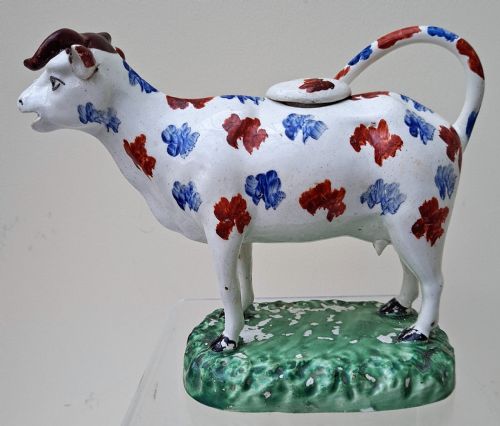
Cows appear faithfully on creamers and platters, reminding us that Georgian kitchens embraced bovine charm.
What varies in quality
Quality depends upon the crispness of the transfer print and the control of the cobalt pigment during firing, where superior examples exhibit sharp outlines and deep, even tones.
The refinement of the ceramic body and the smoothness of the glaze also separate standard utilitarian wares from finely potted display pieces.
Davenport·Spode·Robert Hamilton·John Rogers and Son·J. and R. Clews·J. and R. Riley·Stubbs·Minton·Caughley·Ridgway
The Georgian Blue White Pottery Glossary
- Pearlware
- A refined earthenware developed in the late eighteenth century featuring a subtle bluish-white glaze that enhanced underglaze blue transfer printing.
- Tin-Glazed Earthenware
- Pottery covered with an opaque white glaze containing tin oxide, providing a bright background for hand-painted cobalt decoration.
- Transfer Printing
- A technique where an engraved copper plate transfers a blue ink design onto tissue paper, which is then pressed onto the ceramic body before firing.
- Tureen
- A deep covered vessel designed for serving soups, vegetables, or sauces at the dining table.
- Charger
- A large decorative or serving plate intended for display or holding multiple smaller dishes.
Georgian Blue White Pottery: Frequently Asked Questions
Were these vessels used daily?
Many items served practical functions in eighteenth and nineteenth-century households for dining, food preparation, and washing. Platters, tureens, and plates saw regular service at formal and domestic tables.
Larger forms like footbaths and jars held water or provisions, while chargers and bowls often combined utility with display.
How can I distinguish pearlware from earlier earthenware?
Pearlware typically displays a faint blue pooling in the crevices of the glaze where the fluid pooled during the kiln firing. Earlier creamware has a warmer, yellowish tint.
Makers adopted pearlware specifically to mimic the clean appearance of imported Chinese porcelain alongside blue transfer designs.
What is transfer printing?
Transfer printing is a decoration method where artisans engraved designs onto copper plates, inked them with cobalt pigment, and pulled impressions on tissue paper. They pressed this paper onto the unglazed or bisque ceramic surface to transfer the pattern.
This technique allowed potteries to produce intricate, consistent pictorial scenes quickly compared to individual hand painting.