
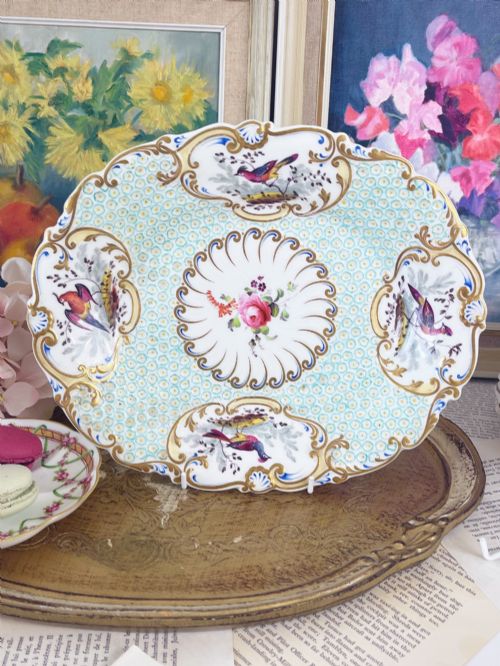
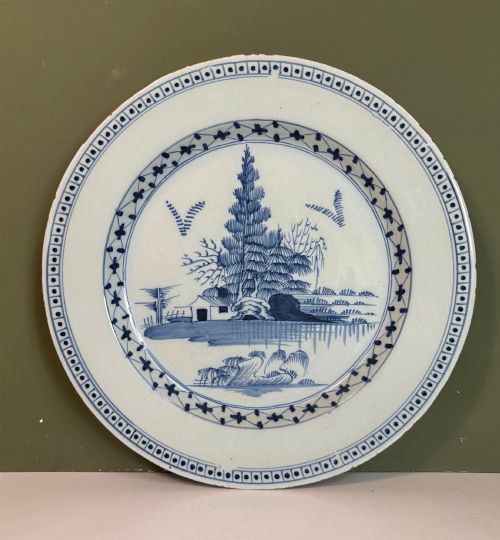

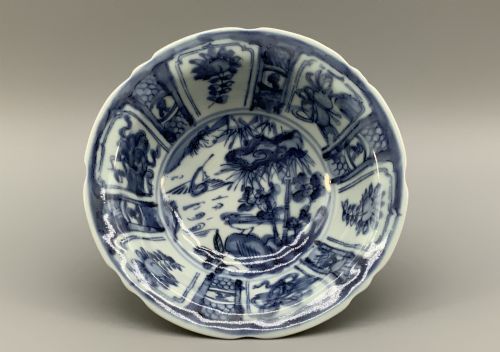
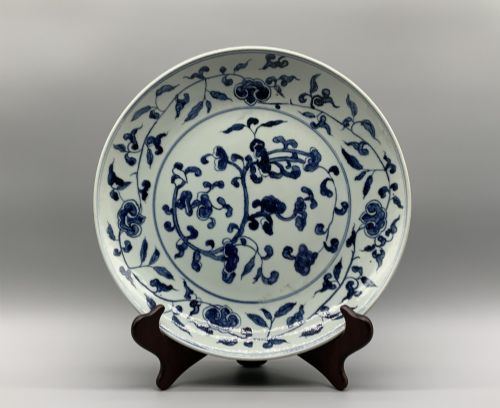




Antique Ceramic Platter
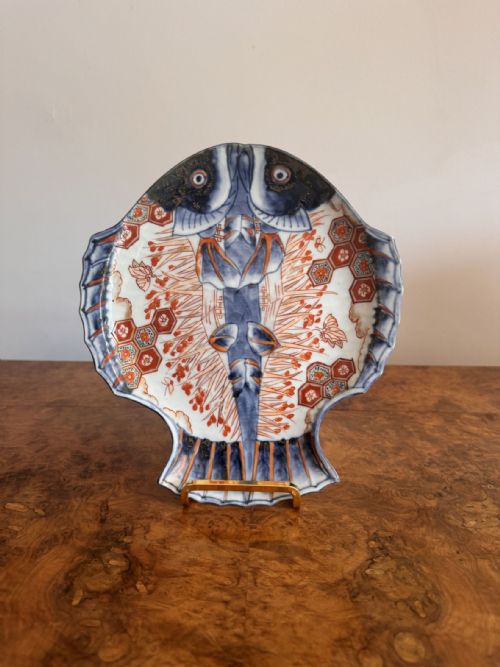
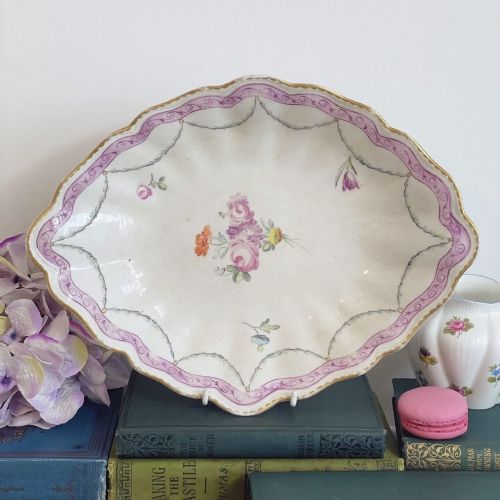
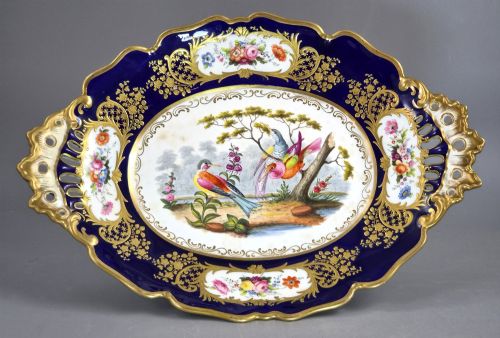
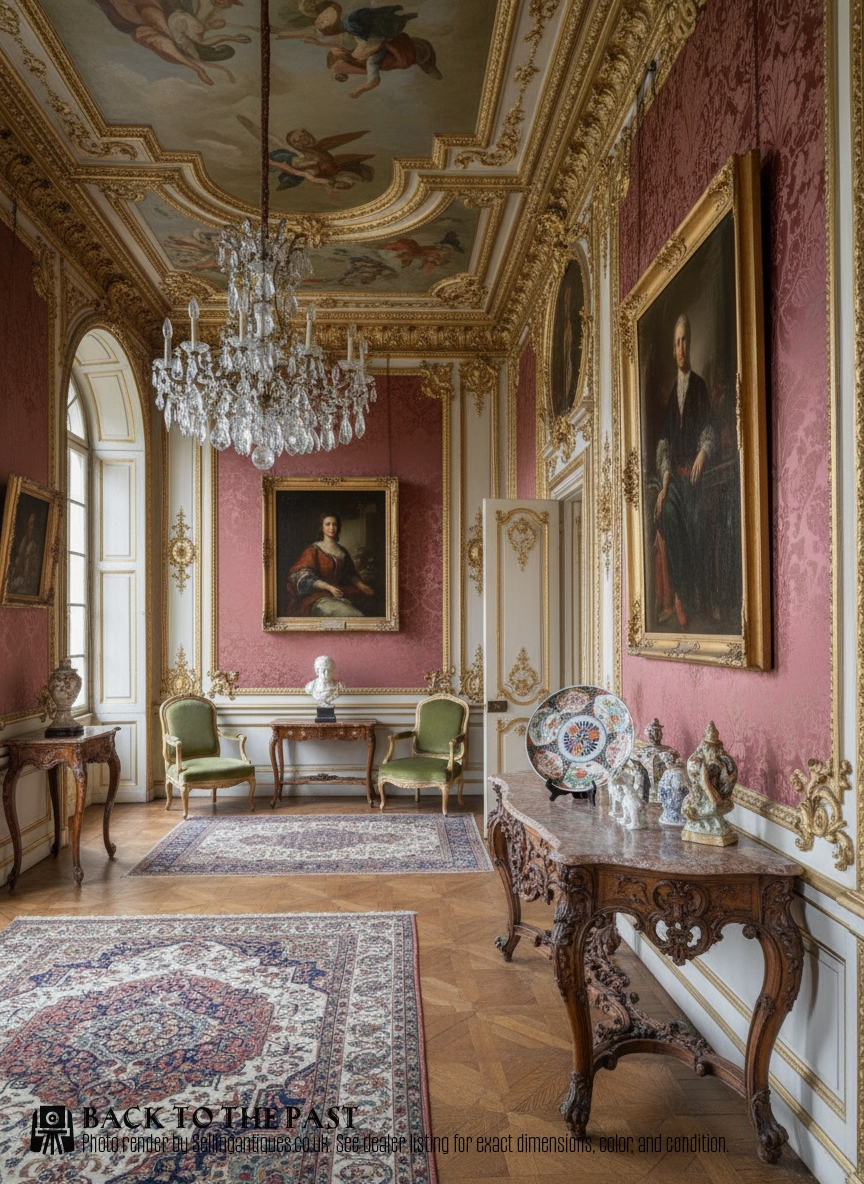
An antique ceramic platter brings a centuries-old table tradition into a modern interior, offering a wide surface painted with cobalt blue, flowers, or birds.
Antique Ceramic Platter
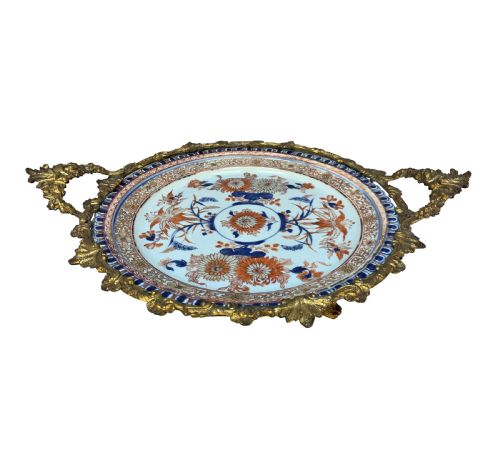
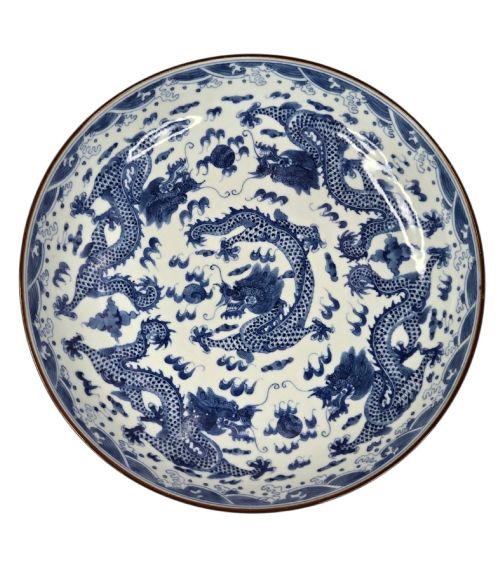
When you search for an antique ceramic platter, you find utilitarian serving vessels and large decorative chargers that span the seventeenth to the twentieth century. These pieces include blue and white Delft chargers, English transferware meat plates, Japanese Imari porcelain dishes, and creamware platters.
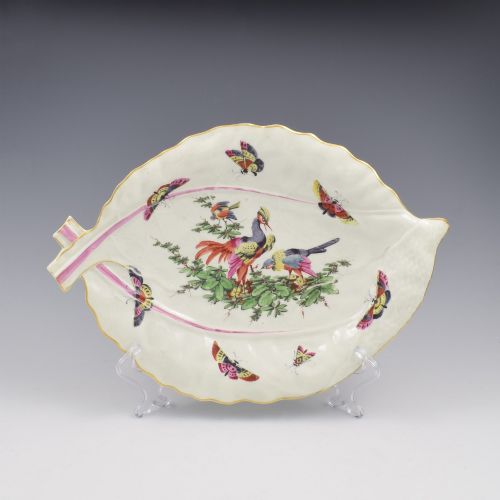
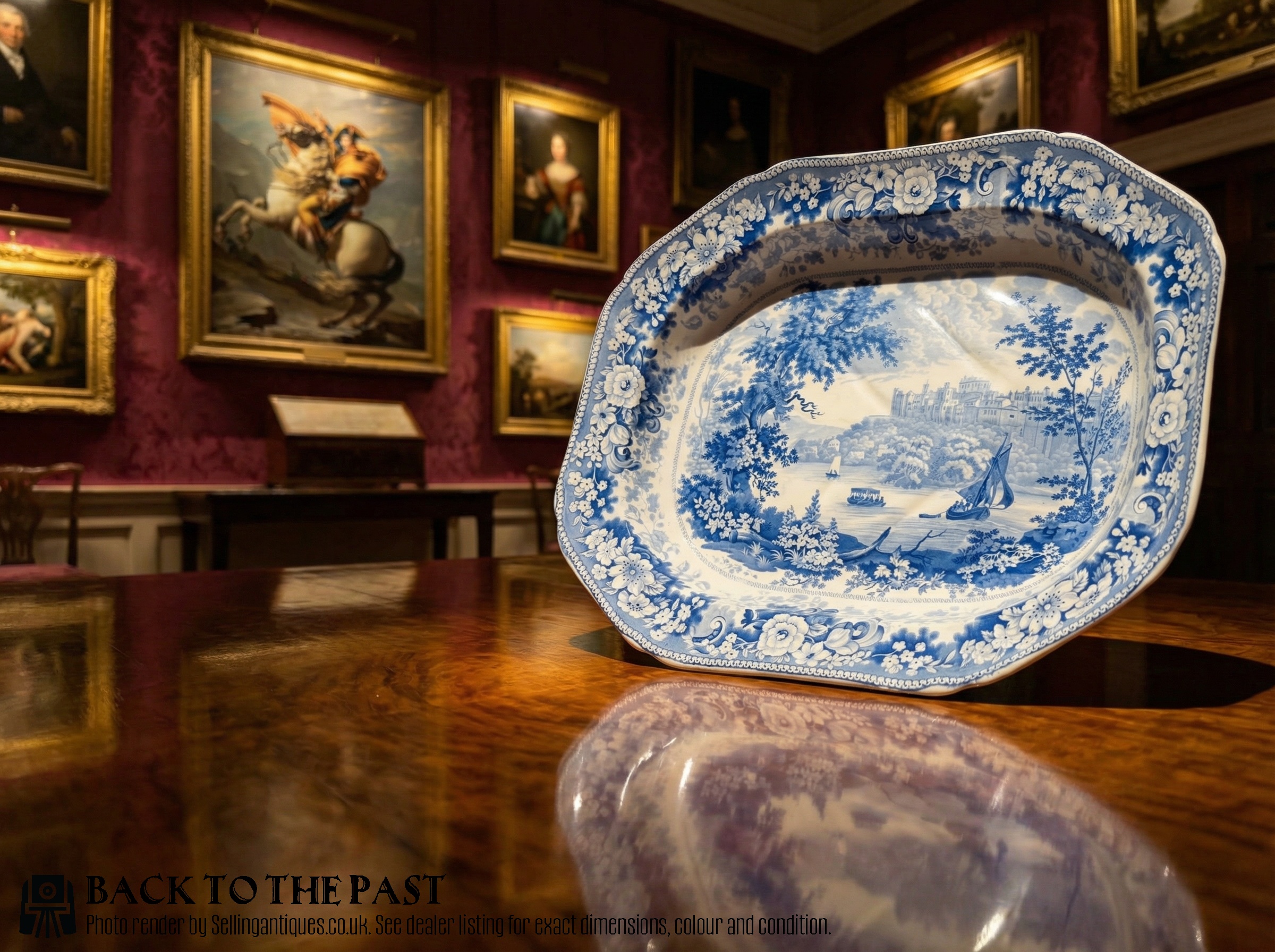
The version you are most likely to meet on this page is the nineteenth-century blue and white earthenware or porcelain serving dish, alongside eighteenth-century Delft chargers and Japanese Imari chargers from around nineteen hundred. Forms range from simple oval meat plates to lobed bowls, leaf dishes, and broad round chargers designed for display.
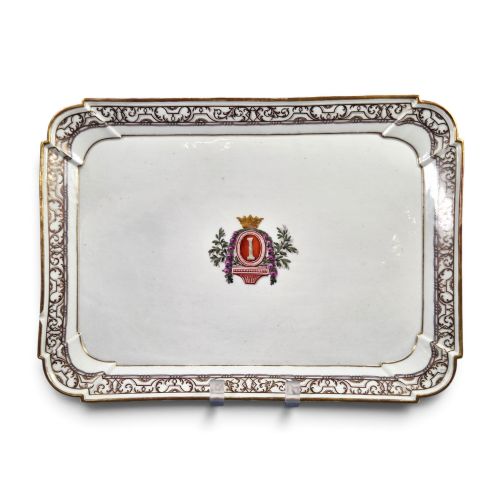
Origins stretch across English potteries, continental European factories like Royal Bonn and Ludwigsburg, and Asian export wares in Chinese blue and white or Japanese styles. They arrive in patterns depicting birds, flowers, landscapes, and armorial crests.
Materials and construction
Makers shaped these plates using earthenware, creamware, stoneware, and porcelain, applying cobalt underglaze, enamel, or transfer printing to the clay body. Many British and continental pieces utilise fluid blue transfer printing, whilst earlier Delft and faience examples rely on tin glazes painted with hand-brushwork.
Finishes incorporate gilding, gold leaf, and ormolu mounts that elevate domestic plates into display pieces. Firing techniques varied from salt-glazing on early stoneware to high-fired porcelain bodies seen in Chinese and Japanese works.
Antique Ceramic Platter Retail Price Guide 2026
Typical asking prices for ceramic platter among the pieces listed under this phrase on Sellingantiques today, from the lower quarter to the upper quarter. They describe what is for sale here now, not the wider market.
Listings feature periods spanning from the seventeenth century through to the 1940s, utilising materials including porcelain, earthenware, and salt glaze.
What separates the finest pieces
The distinction between standard utility ware and top-tier examples lies in the crispness of the hand-painted brushwork or the clarity of the transfer-printed scene. Pieces attributed to notable factories or skilled painters exhibit superior glaze depth, balanced composition, and careful polychrome detailing.
Condition and scale also define the upper tier, where unusually large chargers or matching sets survive with intact glazes and minimal wear. The sophistication of the form, such as lobed rims, ormolu mounts, or intricate moulded relief, separates routine kitchen items from cabinet showpieces.
H & R Daniel·Dr Wall·Derby·Ludwigsburg Porcelain·Coalport·Royal Bonn·Spode·Davenport·George Jones·Chamberlains Worcester·Hicks & Meigh·Wedgwood·John Rogers & Son
The Antique Ceramic Platter Glossary
- Charger
- A large ornamental or serving plate, typically measuring over thirty centimetres across, intended for display on a sideboard or table.
- Transferware
- Pottery decorated by applying a design from an engraved copper plate onto tissue paper and then pressing it onto the ceramic body before glazing.
- Delft
- Tin-glazed earthenware originating in the Netherlands and England, traditionally decorated in blue and white with Chinese or European motifs.
- Imari
- Japanese porcelain featuring a distinct palette of cobalt blue and iron red, often augmented with gold leaf and intricate patterns.
- Creamware
- A refined, pale yellow-cream earthenware developed in eighteenth-century England, notably perfected by Josiah Wedgwood.
Antique Ceramic Platter: Frequently Asked Questions
What is the difference between a platter and a charger?
A platter is primarily shaped for serving meats and large courses at the dining table, featuring an oval or elongated form with a shallow well.
A charger is a much broader, circular plate that historically served underneath other dishes or functioned purely as a decorative wall piece.
How do I identify Chinese export porcelain?
Chinese export porcelain from the Kangxi or Qing periods typically displays deep cobalt blue underglaze on a bright white porcelain body, often featuring botanical or narrative scenes.
Examination of the foot ring and glaze pooling on the underside helps confirm the traditional firing techniques of the era.
Can I use these platters for serving food?
Many nineteenth-century earthenware and ironstone platters were made for domestic dining and can accommodate food service if handled with gentle hand washing.
Earlier eighteenth-century tin-glazed delftware and fragile porcelain chargers are better preserved when kept away from modern dishwashers and heavy cutlery.
What does transferware mean?
Transferware describes pottery decorated by transferring a printed design from an engraved copper plate onto the ceramic surface using specialised tissue paper.
This technique allowed potteries to produce intricate repeating patterns like landscapes and exotic scenes with remarkable consistency.