

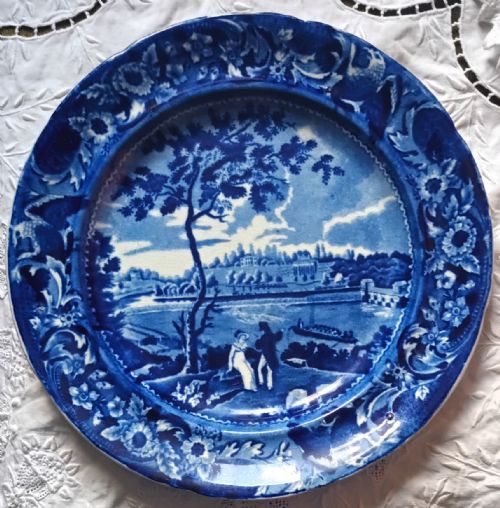


Staffordshire Blue White Plate
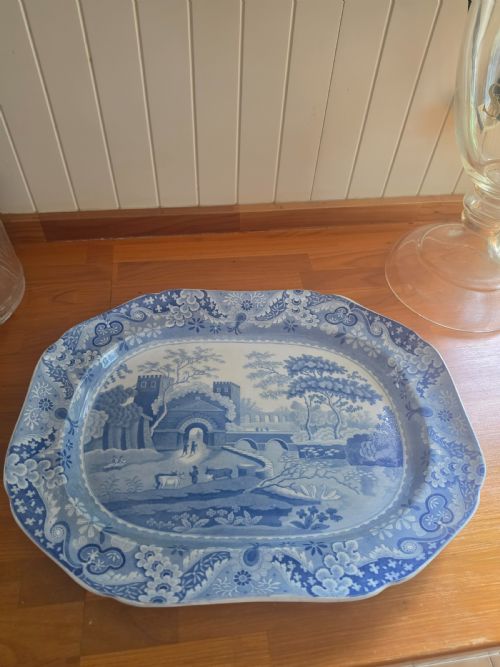
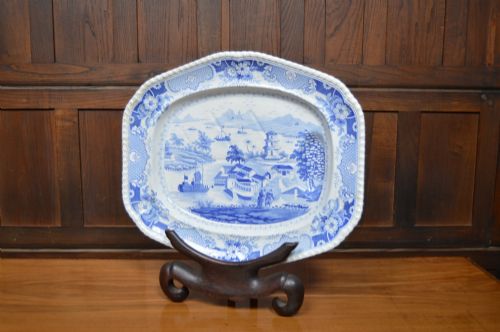
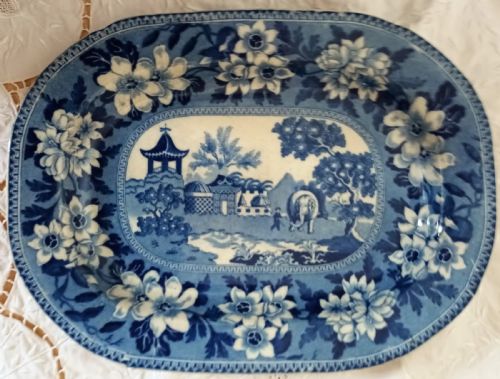
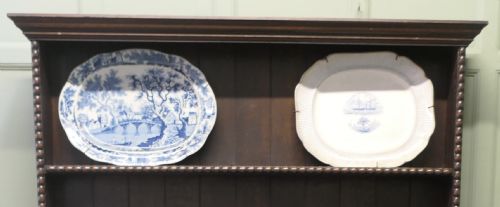
These staffordshire blue white plate examples bring rich transfer-printed scenes to the table, offering a durable earthenware surface decorated with deep cobalt glaze.
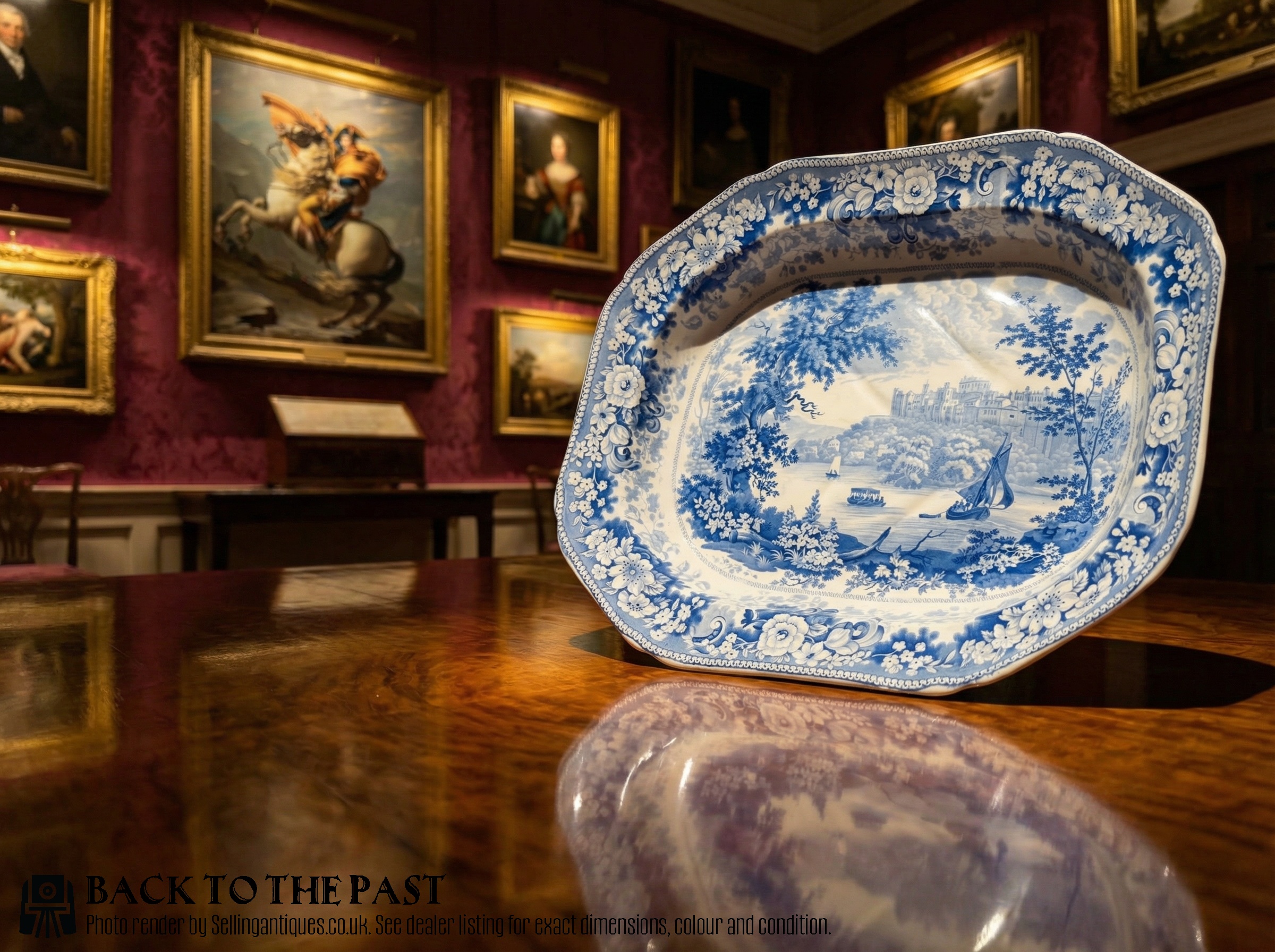
What They Are
A staffordshire blue white plate is a ceramic vessel intended for serving or display, predominantly originating from the nineteenth century. The selection typically includes meat plates, serving platters, and decorative plates finished with English transferware designs.
Buyers frequently encounter nineteenth-century pieces alongside Regency and Georgian examples. These items showcase domestic and topographical scenes, ranging from scenic views like Fair Mount near Philadelphia to named patterns such as Verona.
The primary forms on this page span large serving platters down to standard dinner plates. Each piece demonstrates the utilitarian yet decorative nature of early ceramic production in England.
How They Were Made
Potters shaped these objects from earthenware and pearlware, applying a liquid glaze over the clay body. The distinct blue coloration derives from cobalt oxide applied beneath the glaze before final firing.
Design application relied on early English transferware techniques, pressing engraved copper plates onto tissue paper to transfer intricate patterns onto the ceramic surface. This process allowed workshops to produce detailed pictorial scenes consistently across multiple plates and platters.
Retail Price Guide 2026
Typical UK retail prices for staffordshire blue white plate, calculated from the Sellingantiques database of over a million retail prices indexed since 2003. This retail price guide relies exclusively on Sellingantiques data; no external sources or auction records are used, so the figures do not describe the wider market.
The listings on this site encompass earthenware, pearlware, and glazed pottery materials spanning the Regency and Victorian periods.
What Varies in Quality
Quality rests upon the crispness of the transfer print and the depth of the cobalt glaze. Finer examples display sharp lines without blurring or smudging in the complex pictorial scenes.
The sophistication of the ceramic body also dictates the tier of the piece, with refined pearlware bodies commanding attention over heavier, coarser earthenware. Additionally, clear attribution to known makers elevates a plate beyond standard anonymous kitchenware.
Spode·Stubbs
The Staffordshire Blue White Plate Glossary
- Earthenware
- Porous pottery fired at a relatively low temperature. It forms the standard ceramic body for the majority of these plates and platters.
- Cobalt Oxide
- A metallic compound used as a pigment. It reacts to high kiln temperatures by producing the deep blue colour characteristic of these transferware pieces.
- Transferware
- A method of decorating ceramics by transferring a printed design from an engraved copper plate to paper and then onto the pottery. This technique revolutionised mass production in the Potteries.
Frequently Asked Questions
Are these plates safe for daily dining?
These nineteenth-century ceramics are primarily collected for display and historical interest rather than robust modern use. Due to their age and composition, hand washing is essential to preserve the fragile glaze.
Using them for serving dry foods is acceptable, but thermal shock from microwaves or dishwashers will damage the antique earthenware.
How do I identify a transferware pattern?
Patterns often depict distinct topographical views, architectural landmarks, or romanticized landscapes. Examining the central pictorial motif provides the primary clue to the series name.
Maker marks or pattern names stamped or impressed on the reverse side offer definitive confirmation of the design's origin.
What is the difference between pearlware and earthenware?
Pearlware contains flint and a slightly different glaze formulation designed to mimic the whiteness of Chinese porcelain. Standard earthenware tends to have a warmer, buff-coloured base beneath the transparent glaze.
This distinction helps separate Regency-era items from later Victorian production methods.
Why is the blue colour different on each plate?
Cobalt glaze reacts variably to the heat of wood or coal-fired kilns. Slight shifts in temperature create tones ranging from pale sky blue to deep, saturated navy.
Hand-mixed pigments and differing amounts of cobalt oxide applied by painters further account for these individual colour variations.