





Blue and White China
Blue and white china spans centuries of ceramic history, offering collectors functional tableware and decorative objects defined by cobalt pigments under glaze.
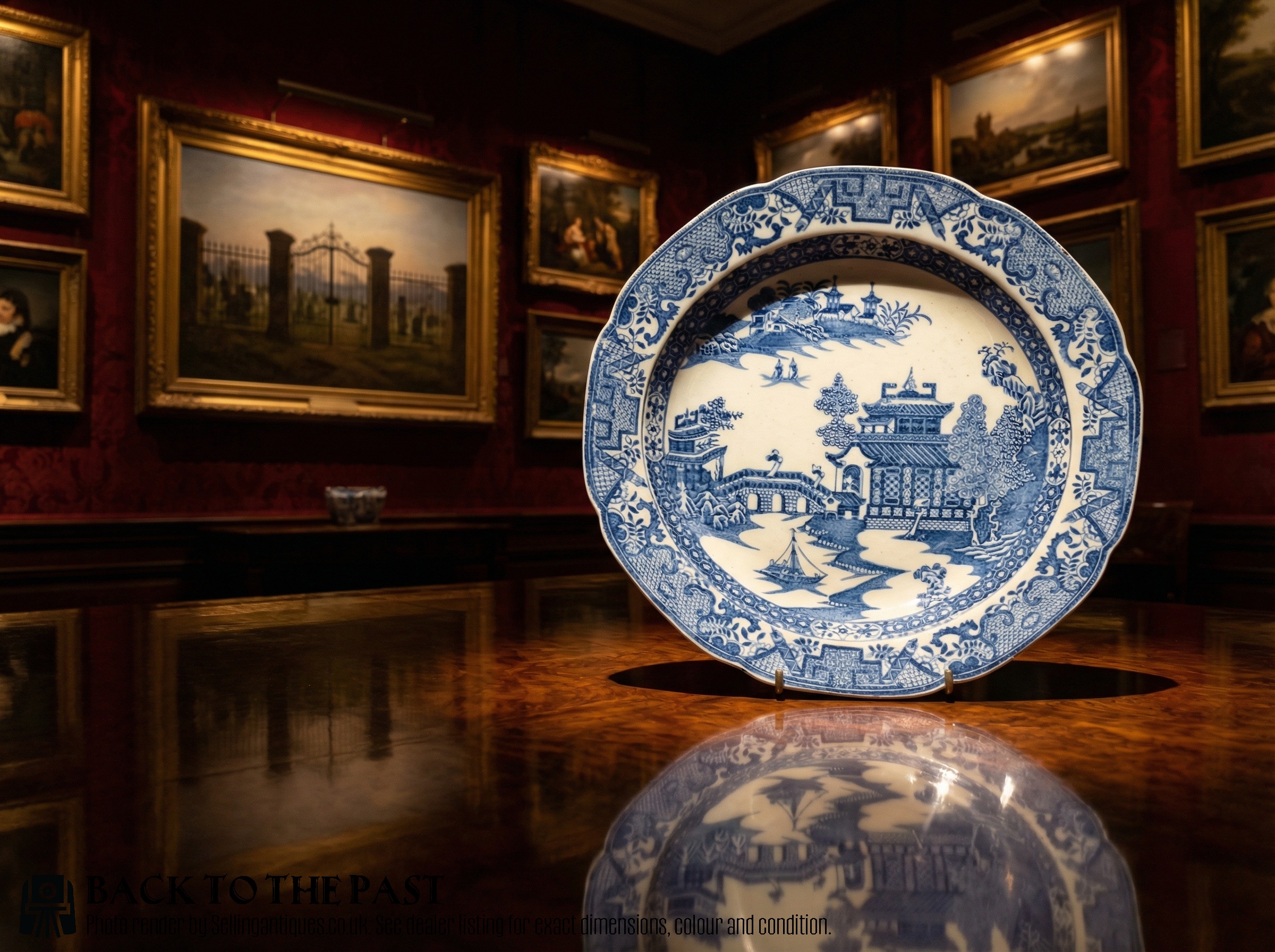
Blue and White China
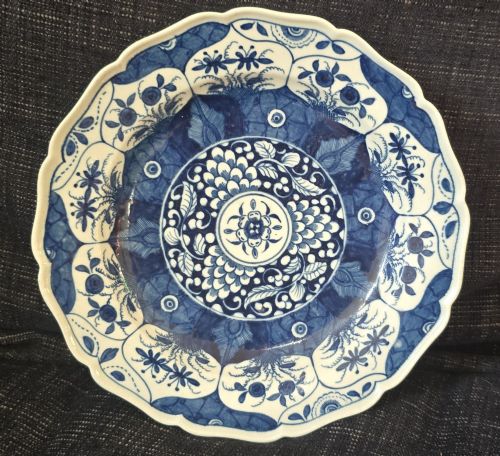
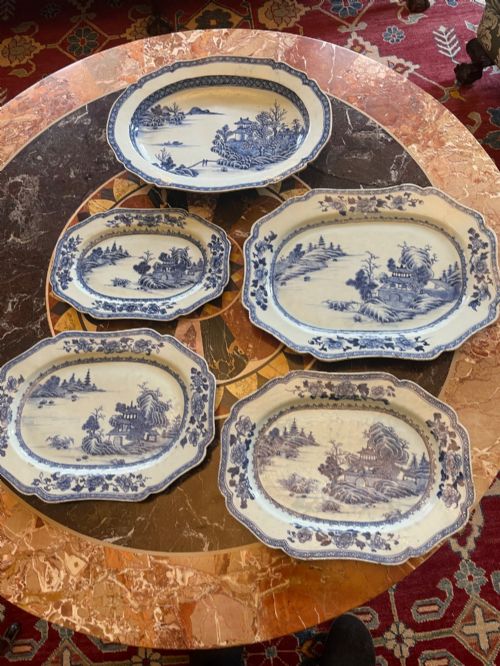
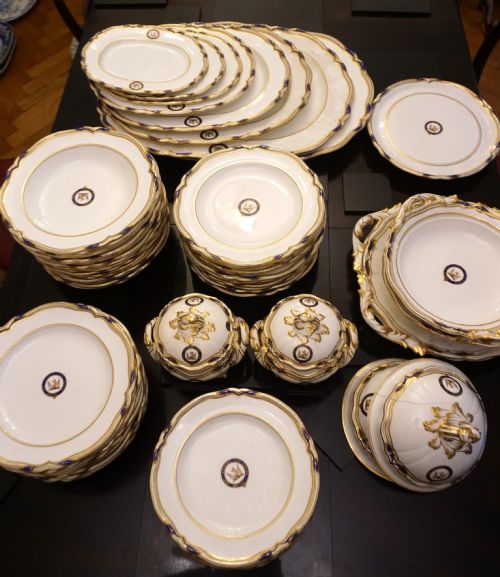
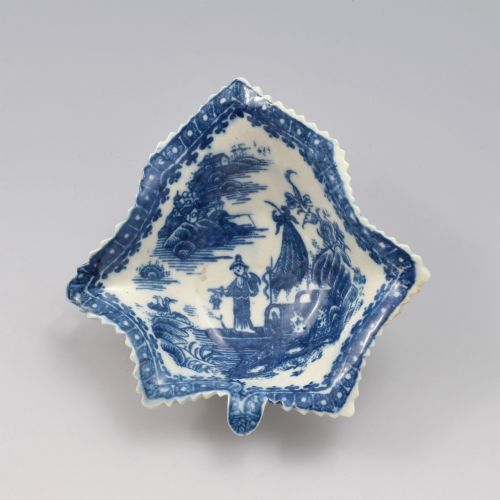
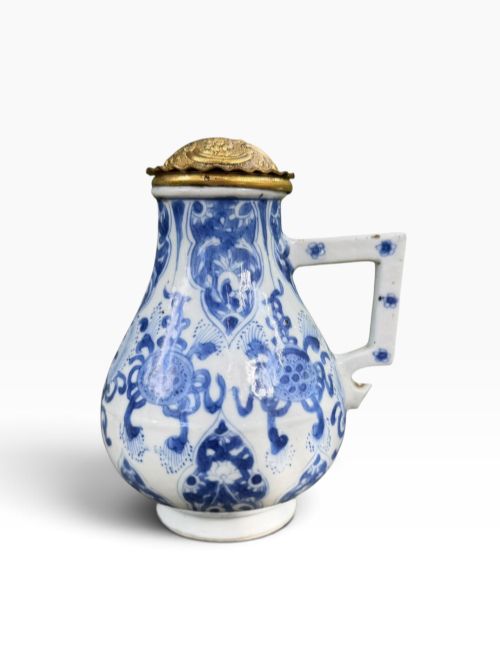
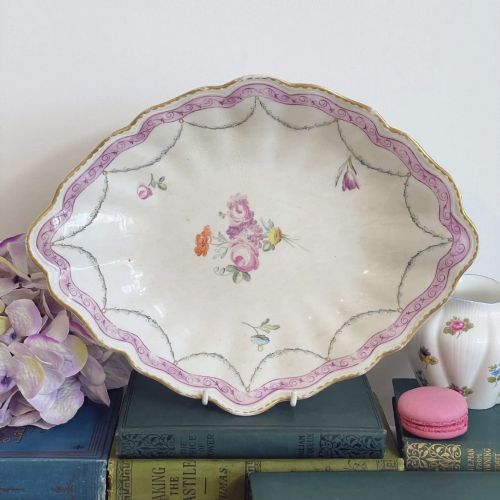
When buyers search for blue and white china, they encounter an array of functional and decorative pieces spanning domestic earthenware and delicate oriental porcelain. The selection ranges from serving platters and tureens to teacups, sauce boats, and decorative plates.
Objects originate from various traditions, with English factories, continental potteries, and Asian export kilns all contributing to the inventory. Pieces from the eighteenth and nineteenth centuries appear frequently, reflecting Georgian and Victorian domestic habits.
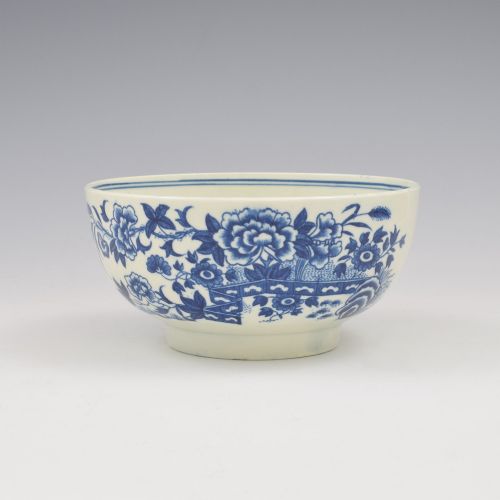
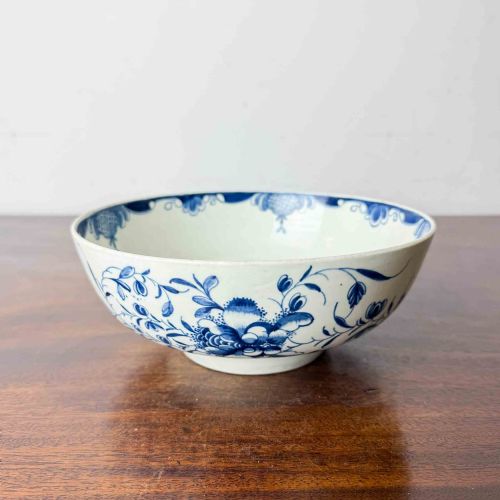
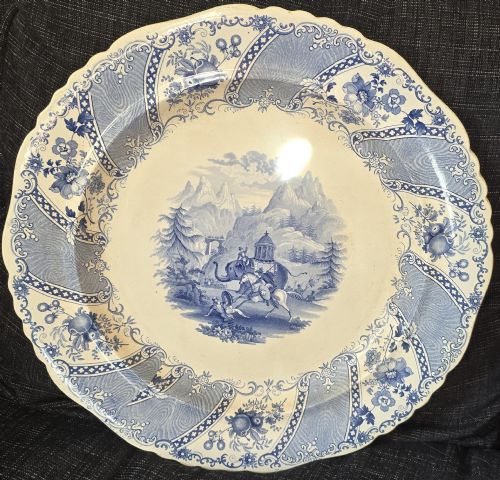
Forms vary from utilitarian meat platters and footed bowls to specialised scholar's brush pots and pickle dishes. Buyers often find domestic transfer-printed wares alongside handpainted export items.
Materials and Methods
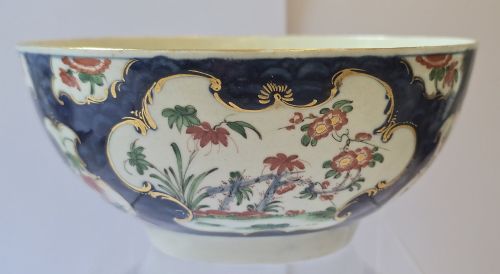
Potters utilised body materials including soft-paste porcelain, earthenware, ironstone, and ceramic to form these items. Cobalt glaze provided the characteristic blue pigment applied beneath or over the fired surface.
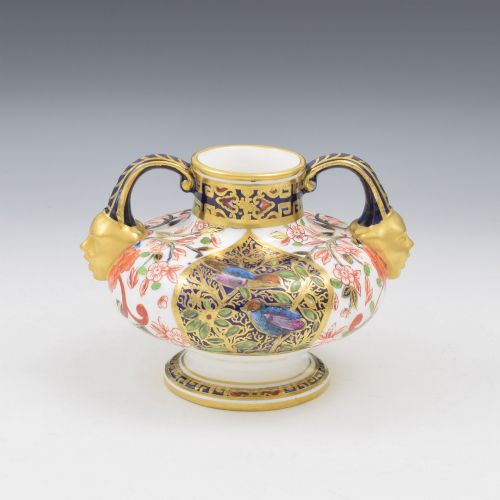
Techniques combined handpainted decoration with transfer printing, allowing factories to produce intricate patterns efficiently on vessels and plates. Gilding with gold leaf occasionally augmented the cobalt designs on higher-grade wares.
Blue and White China Retail Price Guide 2026
Typical asking prices for blue and white china among the pieces listed under this phrase on Sellingantiques today, from the lower quarter to the upper quarter. They describe what is for sale here now, not the wider market.
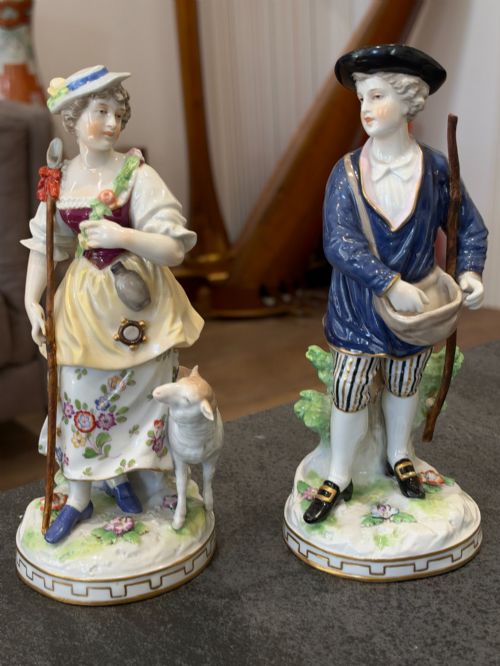
Potters occasionally included whimsical animal figures, such as Dutch Delft pottery cows, alongside traditional tableware.
Assessing Craftsmanship
Quality rests in the clarity of the cobalt glaze and the precision of the brushwork or transfer printing. Superior pieces exhibit crisp outlines and well-balanced composition across the ceramic surface.
The refinement of the clay body, whether thin translucent porcelain or heavier ironstone, dictates the delicacy of the finished object. Potter marks and provenance further distinguish standard domestic utility wares from exceptional decorative commissions.
H & R Daniel·Caughley Porcelain·Derby Porcelain·Spode·Minton·Doulton Burslem
The Blue and White China Glossary
- Cobalt glaze
- A metallic oxide pigment used to achieve blue decoration on ceramics. It withstands high kiln temperatures without losing its colour intensity.
- Transfer printing
- A mechanical method of applying complex designs to pottery using engraved copper plates and tissue paper. This technique transformed ceramic production during the Georgian era.
- Soft-paste porcelain
- An artificial porcelain compound fired at lower temperatures than hard-paste variants. It often displays a warmer, slightly creamy body under the glaze.
- Ironstone
- A durable heavy earthenware developed in the nineteenth century to imitate porcelain. It resists chipping and formed the basis for robust kitchen and serving ware.
- Chinoiserie
- European artistic styles reflecting Chinese motifs and imaginary oriental landscapes. This aesthetic heavily influenced eighteenth and nineteenth-century ceramic decoration.
Blue and White China: Frequently Asked Questions
How do I date blue and white china?
Dating relies on identifying factory marks, stylistic periods, and manufacturing materials such as ironstone or soft-paste porcelain. Examining the base and the softness of the glaze provides further chronological clues.
Changes in transfer printing technology and pattern registration also help narrow down the decade of production for nineteenth-century items.
Were these pieces used daily?
Many objects, including meat platters, tea services, and sauce boats, served active roles in historic dining rooms. Robust ironstone and earthenware endured regular household handling.
More delicate porcelain items like brush pots and display dishes were intended for light decorative use or scholarly pursuits.
How should I display blue and white china?
Plates and chargers look best mounted on walls or supported by stable plate stands within cabinet shelving. Tureens, jugs, and bowls anchor tables or mantelpieces as focal points.
Protecting pieces from direct sunlight and heavy foot traffic keeps the glazed surfaces secure over time.
What is the difference between transferware and handpainted pieces?
Transferware uses a printed paper template to transfer complex repeating patterns onto the ceramic body before glazing. This resulted in uniform designs across large service sets.
Handpainted items display subtle brushstroke variations and individual artistic touches applied directly by decorator artisans.