
Large Serving Platter
A large serving platter anchors a table, offering generous proportions for feasts while showcasing centuries of ceramic and metallic craftsmanship.
Large Serving Platter
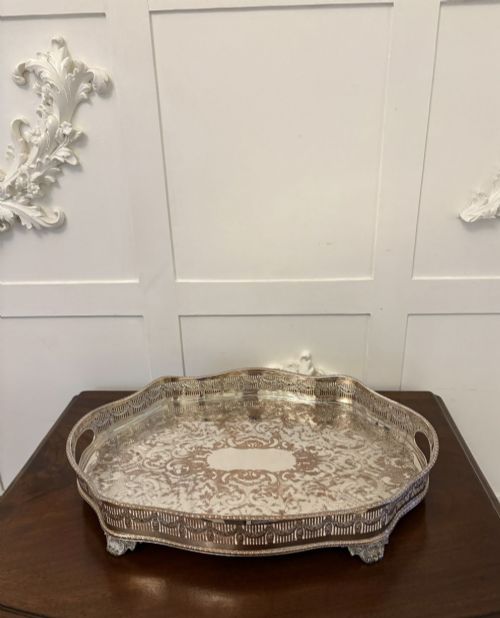
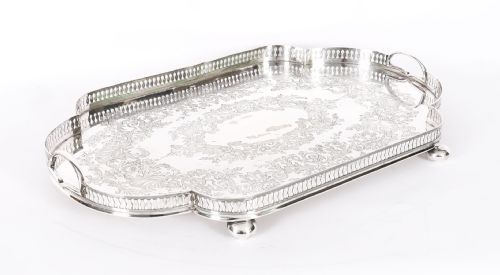
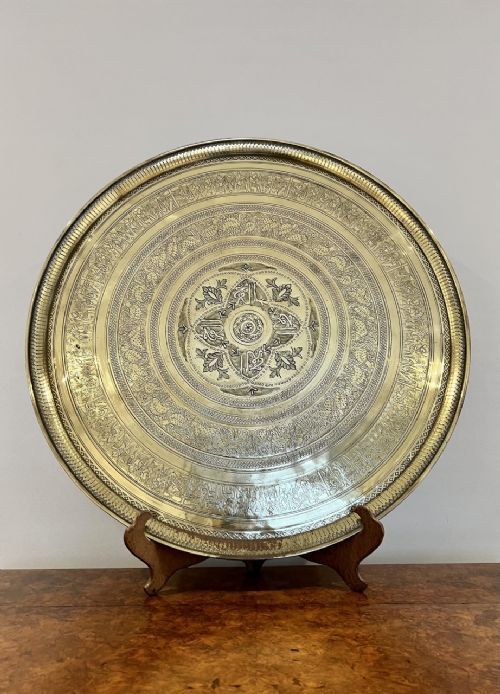
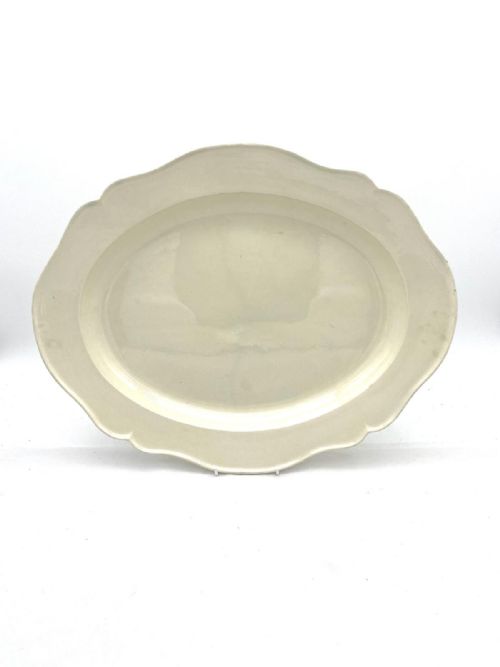
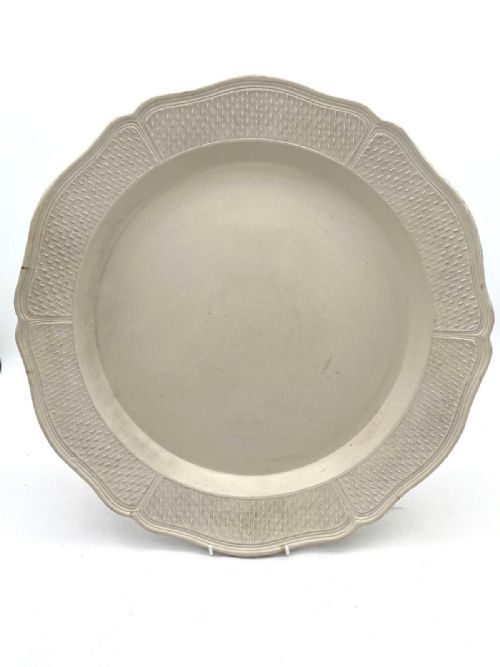
When searching for a large serving platter, you encounter an array of substantial dishes and trays designed historically for presenting meat, fowl, and communal courses at the dining table. The pieces available range from robust earthenware meat plates and transferware chargers to expansive silver plated gallery trays and porcelain dishes.
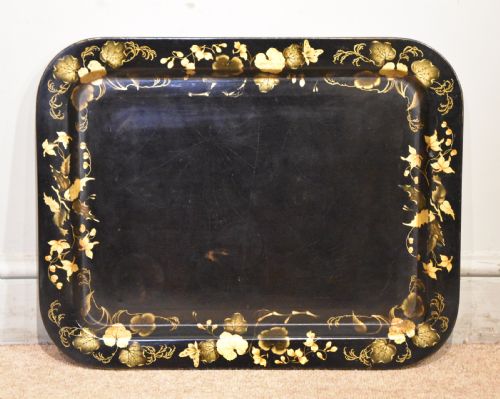
The selection on this page spans several centuries, drawing heavily upon Victorian, Edwardian, and Georgian periods alongside earlier 18th century examples. You will frequently meet heavy silver plated varieties alongside blue and white ceramic meat platters and lacquered wood or papier-mâché trays.
Originating from English potteries, continental makers, and Asian workshops, these items served practical dining functions before transitioning into decorative display pieces. Their forms vary from traditional ovals and octagons to expansive circular chargers and square plates.
How They Were Made
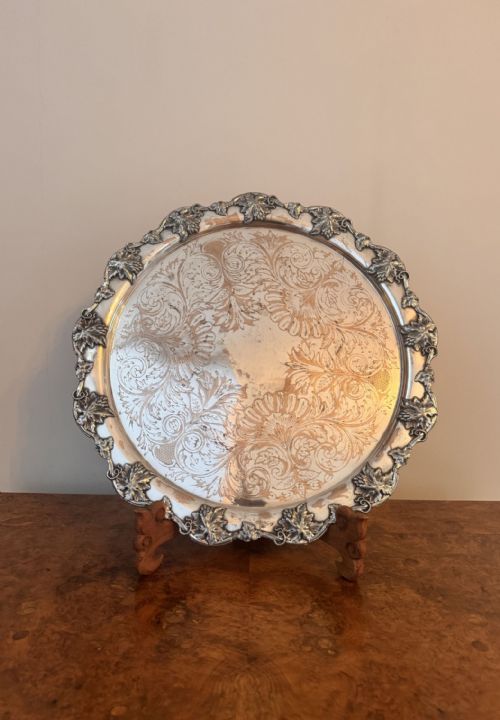
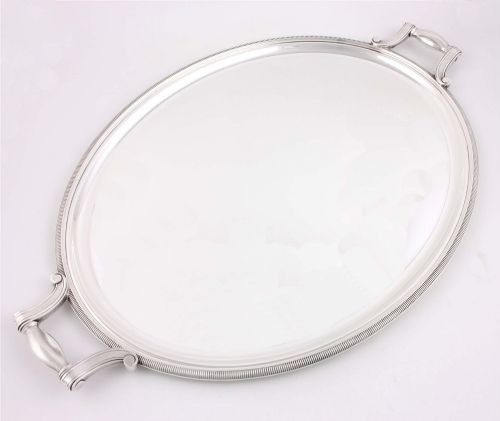
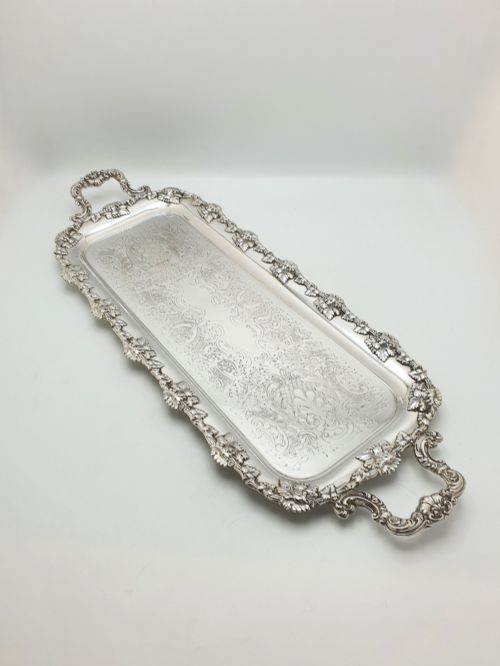
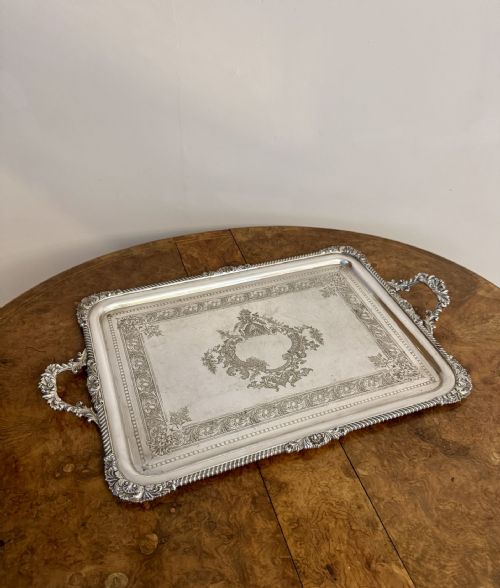
Makers utilised durable base metals such as copper and brass, frequently applying silver plating, gold leaf, or enamel to achieve a polished finish. Silver plating techniques involved fusing thin layers of silver onto base metals, sometimes enhanced with chased or engraved borders.
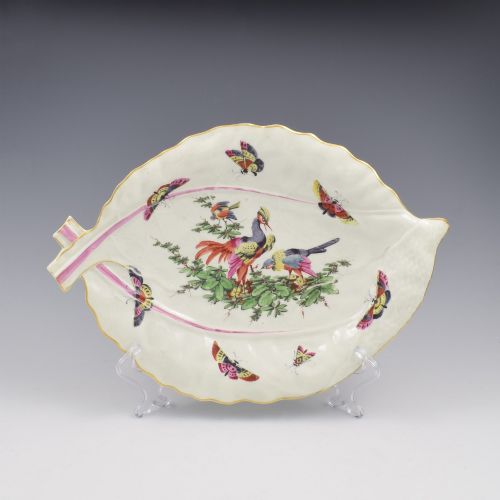
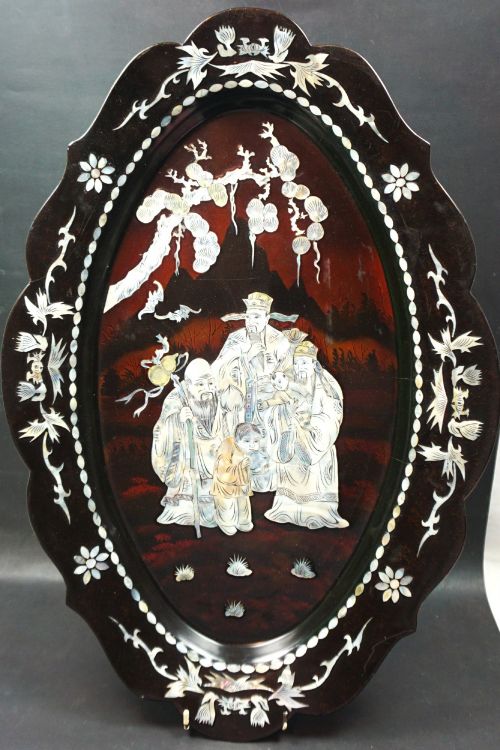
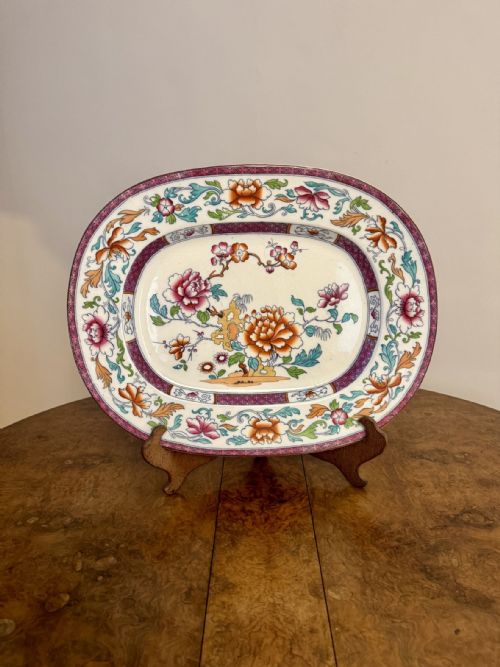
Ceramic examples rely upon earthenware, porcelain, and creamware bodies shaped on wheels or pressed in moulds, then decorated with blue and white transfer printing or hand-painted glazes. Wood and papier-mâché pieces required careful layering, lacquering, and occasional mother-of-pearl or shell inlay to stabilise the organic substrate.
Listings for this phrase include silver plate, earthenware, copper, porcelain, and papier-mâché, spanning periods from the 18th century through the Edwardian era.
What Varies in Quality
The standard of a large serving platter depends upon the crispness of its manufacture, whether in the depth of hand-engraved silver work or the clarity of transfer-printed ceramic motifs. Superior pieces retain intact original plating, unblemished glazes, and firm structural integrity without warping in the wooden or metal bodies.
Artisanal input separates standard utilitarian items from exceptional works, visible in hand-painted details, repoussé relief work, and specialised inlays. The reputation of the maker or pottery, alongside the preservation of decorative borders and surface patination, determines the standing of the piece within its period.
James Deakin·Christofle·Spode·Hugh Wallis·Harrison Bros·George Jones·Thos Fell
The Large Serving Platter Glossary
- Charger
- A large ornamental or serving plate used traditionally beneath other courses or as a central platter. These substantial dishes often display elaborate borders and central scenes.
- Transferware
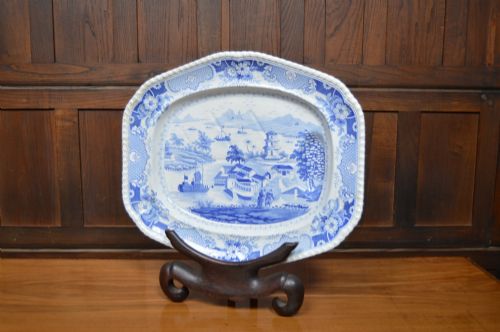
- Earthenware or porcelain decorated by applying a printed design from an engraved copper plate onto the ceramic surface. This technique enabled intricate blue and white patterns to be produced consistently.
- Gallery tray
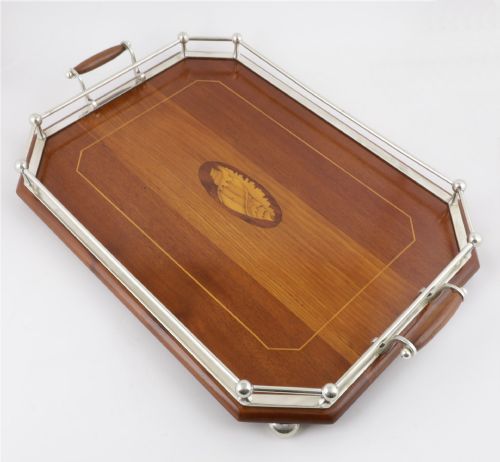
- A tray featuring an upright pierced or solid metal railing fitted around its perimeter to secure glassware and decanters. They typically rest on small feet and incorporate integrated handles.
- Creamware
- A fine earthenware developed in Yorkshire featuring a pale yellowish-cream glaze over a refined body. It gained popularity during the 18th century for domestic dining wares.
- Imari
- Japanese porcelain decorated in underglaze blue, iron red, and gilt with dense floral and panelled motifs. These exported wares were widely imitated across European kilns.
Large Serving Platter: Frequently Asked Questions
How were large serving platters used historically?
These large dishes served primarily for presenting joints of meat, poultry, or communal courses at the centre of formal dining tables. Diners would help themselves or servants would carve from the platter before distribution.
Over time, many of these substantial trays transitioned into sideboard displays or served afternoon tea, carrying teapots, cups, and decanters.
Can I use these antique platters for food today?
Many ceramic and silver plated platters remain robust enough for modern culinary presentation, provided they receive careful hand washing rather than abrasive mechanical cleaning.
Older earthenware with crazed glazes or pieces with significant silver plate wear are better suited to dry presentation or decorative display.
How do I identify a Victorian meat platter?
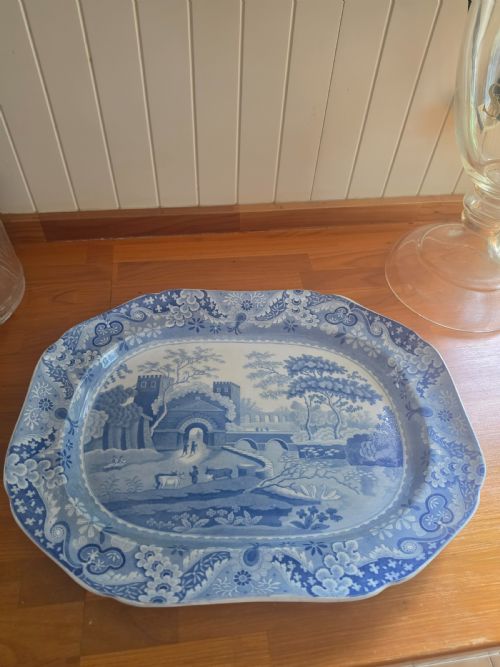
Victorian meat platters typically feature heavy earthenware bodies decorated with blue and white transfer prints depicting architectural or pastoral scenes. Makers' marks stamped underneath often provide clues to the exact pottery and decade of production.
They frequently incorporate a slight well-and-tree indentation system near the base to channel meat juices during carving.
What is the difference between a tray and a charger?
Chargers are large, shallow circular plates designed originally for ceremonial dining, wall display, or sitting beneath smaller service plates. They focus on decorative central motifs and decorative borders.
Trays generally include handles, raised galleries, or flat bases intended specifically for carrying beverages and serving vessels between rooms.