

Earthenware Serving Dish
An earthenware serving dish is a robust table vessel designed for hearty feasts, prized for its tactile glaze and rich transfer-printed patterns.

What an earthenware serving dish is
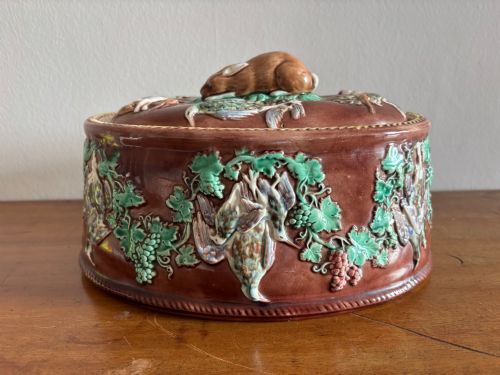
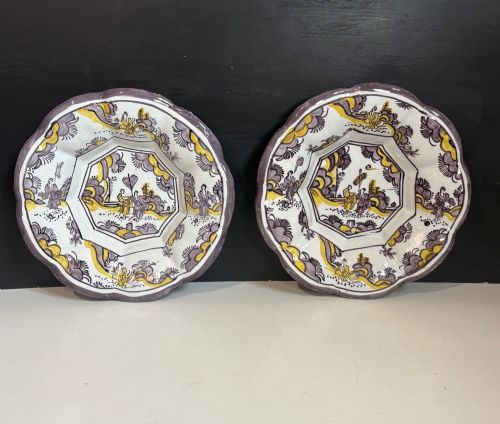
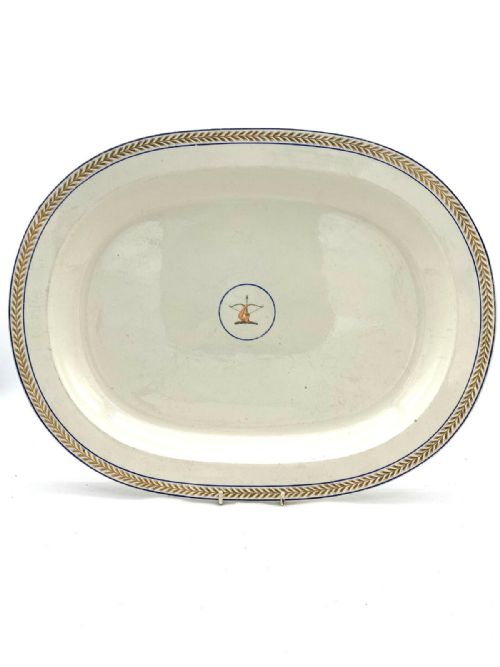
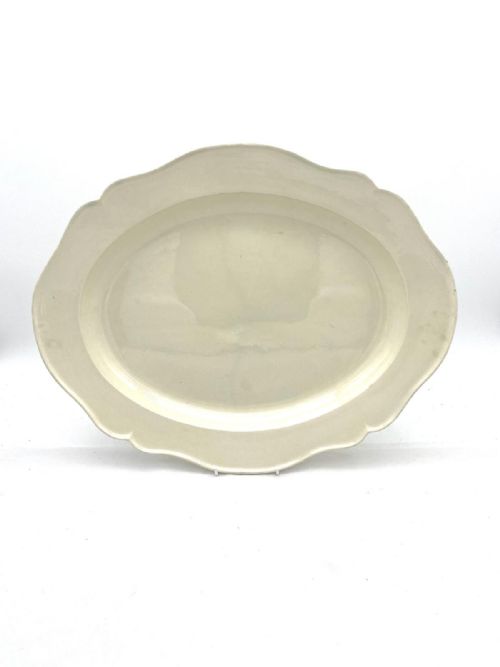
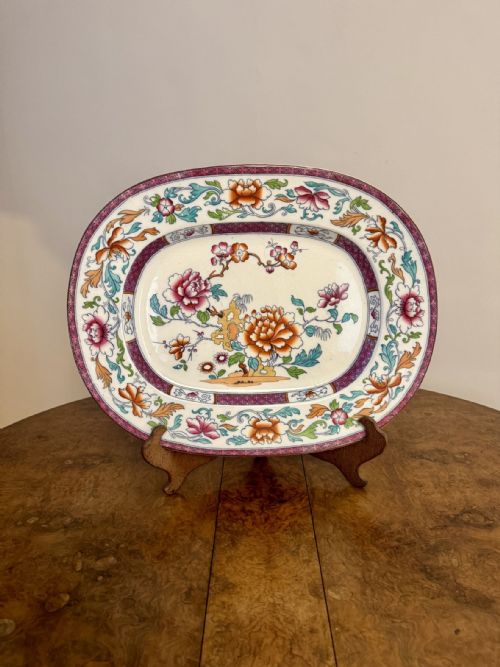
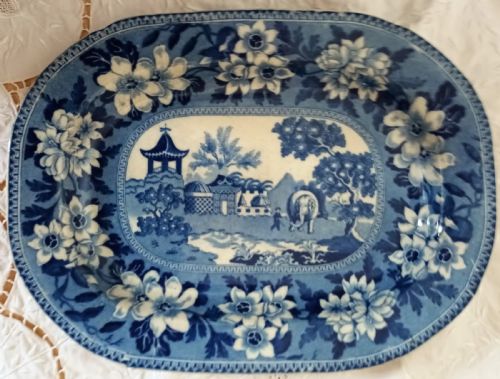
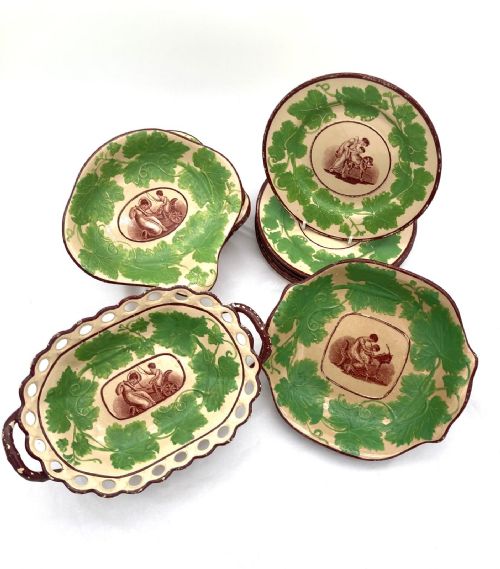
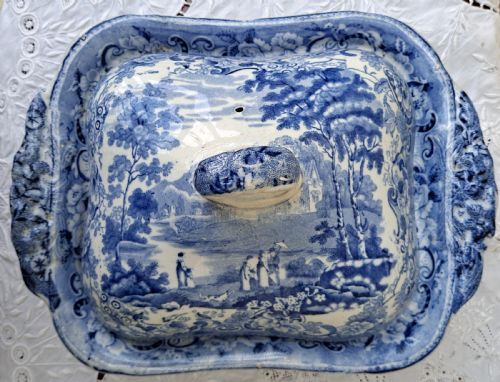
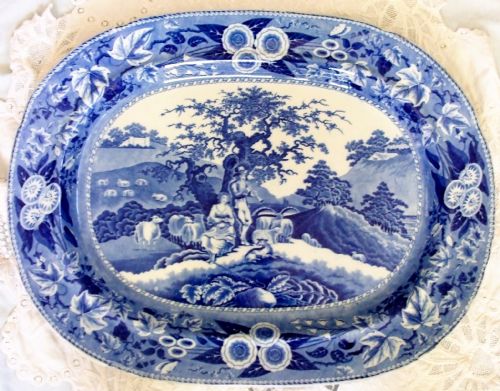
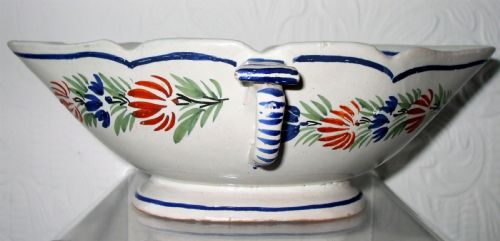
An earthenware serving dish encompasses substantial table vessels including tureens with covers and large carving platters. These pieces emerge from the nineteenth century, spanning the Georgian, Victorian, and early Victorian eras.
How they were made
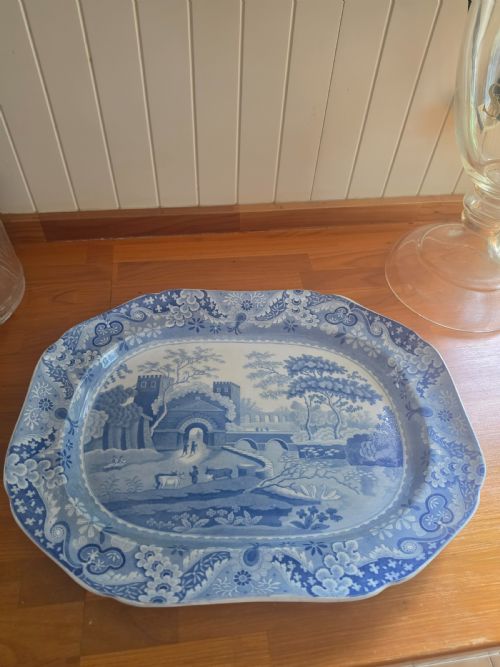
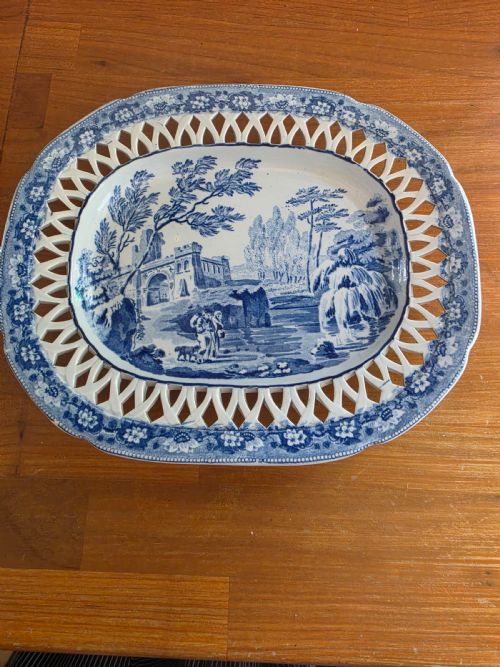
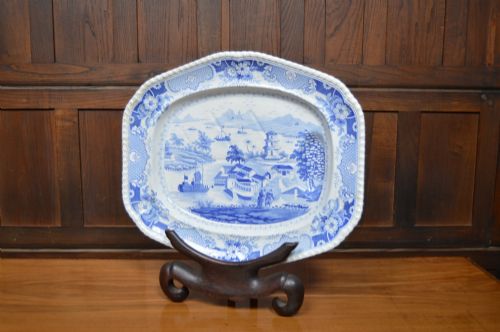
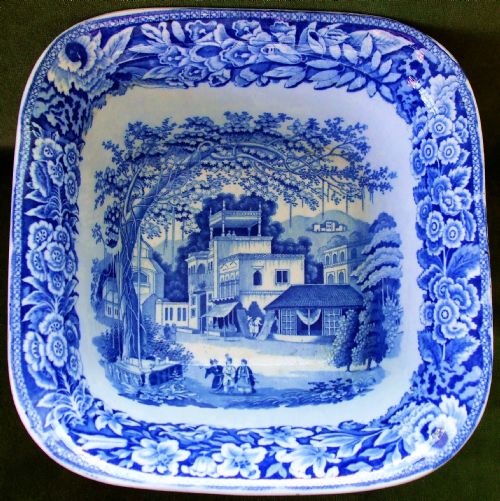
Potters shaped these vessels from ceramic and pearlware bodies, applying cobalt oxide underglazes to create striking blue and white transfer patterns. Artisans then sealed the porous clay using lead glaze or standard glaze to ensure a smooth, usable surface.
Techniques relied on hand-finishing moulded earthen bodies, resulting in deep, varied blue tones across large meat plates and covered vegetable tureens.
Retail Price Guide 2026
Typical UK retail prices for earthenware serving dish, calculated from the Sellingantiques database of over a million retail prices indexed since 2003. This retail price guide relies exclusively on Sellingantiques data; no external sources or auction records are used, so the figures do not describe the wider market.
Some carving platters include a clever built-in reservoir to pool meat juices away from the roast.
What varies in quality
Quality rests in the crispness of the transfer-printed design and the uniformity of the glaze across large surfaces like carving platters. Sharpness of moulded detail on handles and covers elevates a piece far above simpler, blurred counterparts.
The sophistication of the cobalt glaze application dictates visual depth, separating standard domestic kitchenware from finely articulated cabinet examples.
Doulton Burslem·J and R Riley·Copeland and Garrett
The Earthenware Serving Dish Glossary
- Pearlware
- A refined type of earthenware developed in the late eighteenth century featuring a subtle blue-tinted glaze that pooled in recesses.
- Transferware
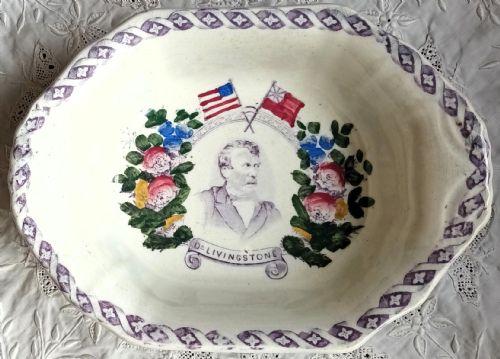
- Pottery decorated by applying a printed design from an engraved copper plate onto tissue paper, which was then transferred to the ceramic body before firing.
- Tureen
- A deep, covered bowl designed for serving soups, vegetables, or meats at the dining table.
- Cobalt glaze
- A rich blue decoration produced by applying cobalt oxide beneath or within the surface glaze prior to firing.
Frequently Asked Questions
What is an earthenware serving dish used for?
These vessels served substantial meals at grand dining tables, holding vegetables, soups, or roasted joints.
Covered tureens kept food warm during lengthy courses, while platters with reservoirs caught savory juices.
How do I care for antique earthenware?
Wash these pieces gently by hand using mild soap and warm water to protect the historic glaze.
Avoid soaking them for long periods, as older ceramic bodies can absorb moisture through tiny craze lines.
How do I date a nineteenth century dish?
Examine the style of the transfer print, the colour of the glaze, and any maker marks stamped into the ceramic.
Pearlware bodies typically point towards the earlier decades, while Victorian pieces often display registration marks.
What distinguishes pearlware from standard earthenware?
Pearlware contains a whiter paste and uses a glaze formulated with a small amount of cobalt to neutralize the natural yellow hue of the fired clay.
This creates a faint bluish pooling effect around handles and rims.