
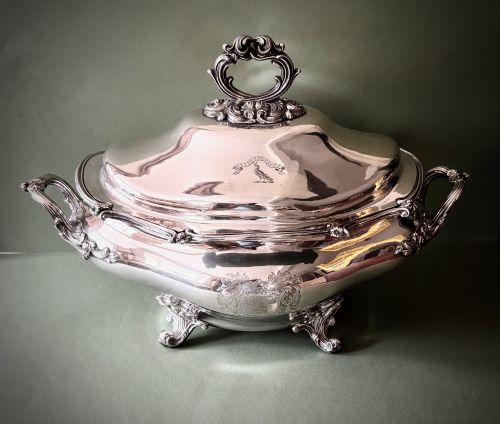
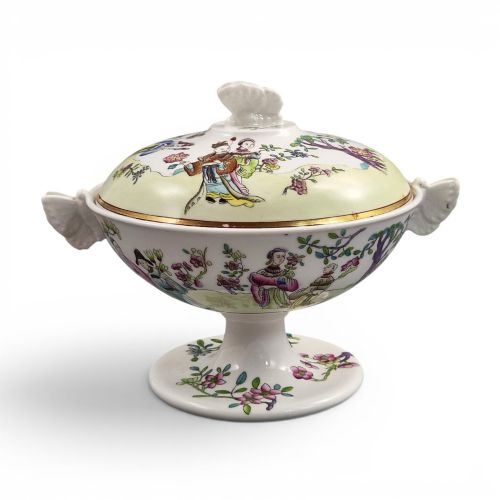
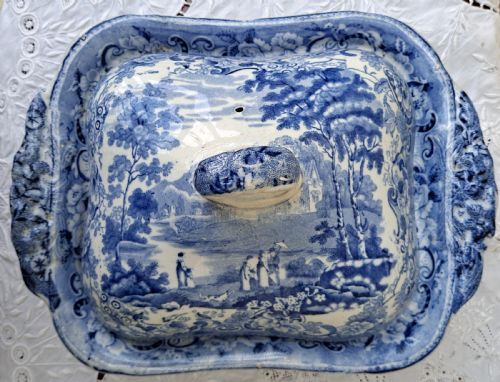
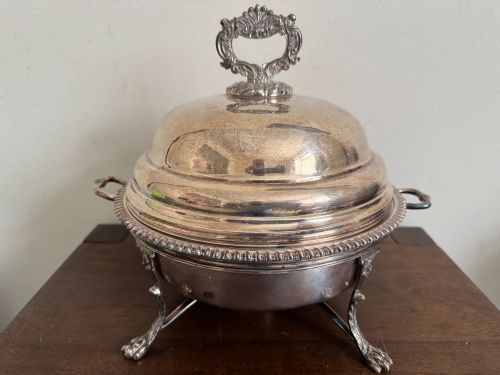






Covered Vegetable Dish
A covered vegetable dish brings genuine grace to the dining table, offering timeless utility through fine ceramics and gleaming silver plate.
What They Are
When you search for a covered vegetable dish, you encounter a selection of historic serveware designed to keep food warm at the table. These pieces span the Georgian, Regency, Victorian, and Edwardian periods.
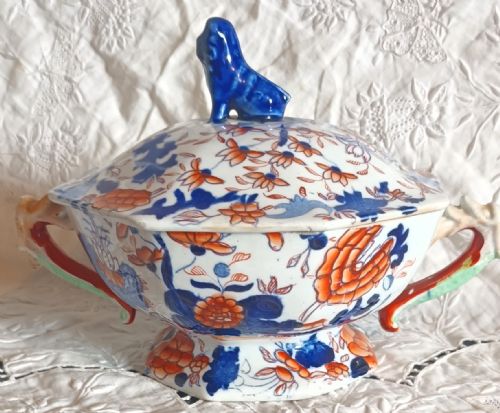
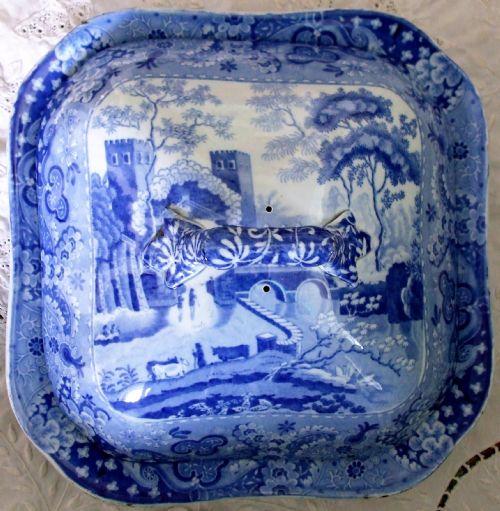
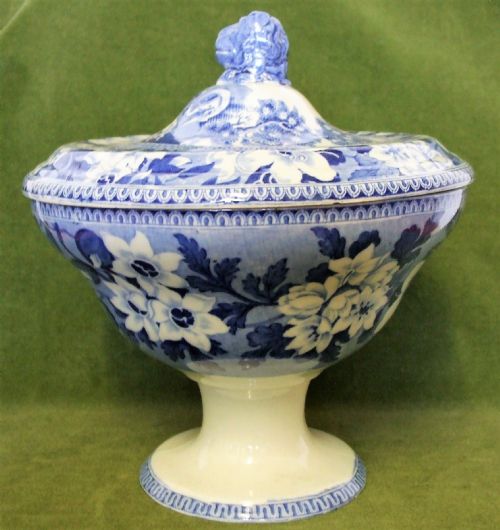
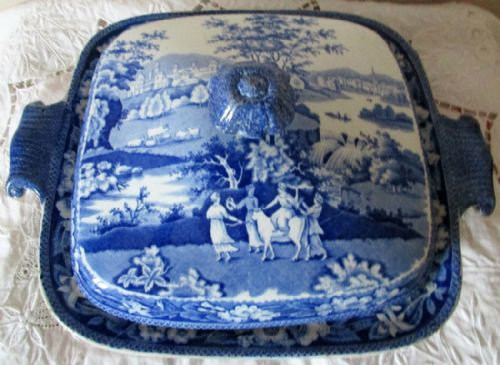
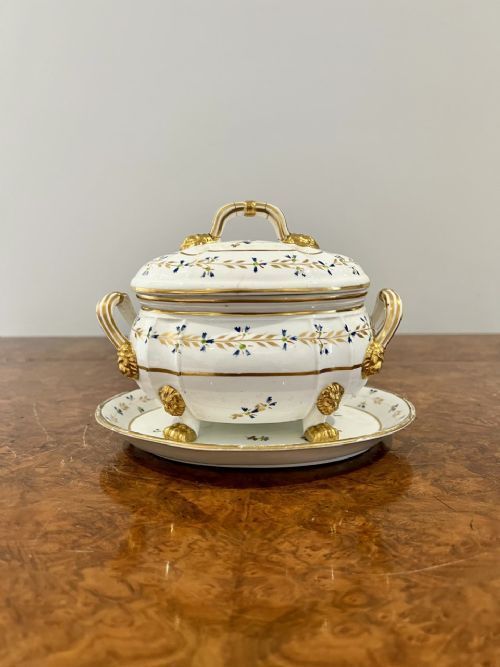
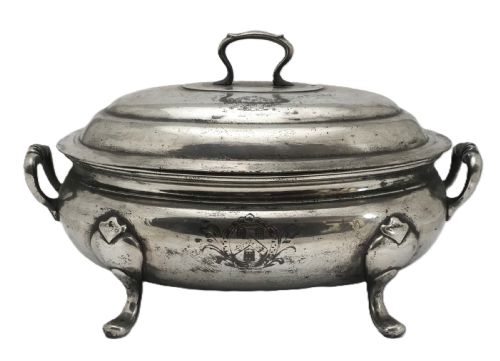
The objects take the form of tureens, entree dishes, and lidded vessels made from ceramic materials and silver plate. Many items feature traditional blue and white transfer printing or hand-painted enamel details.
Originating largely from English makers, these items represent the domestic dining habits of the nineteenth and early twentieth centuries. They combine practical containment with decorative display.
How They Were Made
Pottery examples utilise earthenware, porcelain, and ironstone bodies finished with a protective glaze and often decorated with blue and white transfer prints or enamel pigments. Some high-status ceramic designs incorporate subtle accents of gold leaf.
Metal versions rely on a durable base of nickel silver covered with a layer of silver plate to achieve a bright, reflective surface. Master artisans shaped these metals through traditional manufacturing techniques to create matching bases and lids.
Retail Price Guide 2026
Typical UK retail prices for covered vegetable dish, calculated from the Sellingantiques database of over a million retail prices indexed since 2003. This retail price guide relies exclusively on Sellingantiques data; no external sources or auction records are used, so the figures do not describe the wider market.
Some nineteenth-century diners preferred their vegetables served beneath an elephant pattern.
What Varies in Quality
The distinction between standard domestic items and superior creations rests upon the crispness of the transfer print, the delicacy of the enamel work, and the precision of the potter's moulding. High-end porcelain and ironstone pieces exhibit finer clay bodies and more complex artistic patterns.
In metalware, quality is evident in the weight of the nickel silver base and the evenness of the silver plating. Pieces associated with notable workshops demonstrate superior finishing and balanced proportions.
John Rogers and Son·Crown Derby·Mason·J and R Riley·Copeland and Garrett·Hukin and Heath
The Covered Vegetable Dish Glossary
- Tureen
- A deep covered bowl designed for serving soups, vegetables, or stews at the dining table. These vessels often include matching lids and occasionally ladles.
- Entree dish
- A shallow covered container used during formal meals for serving individual courses or side dishes. They frequently appear in silver plate from the Victorian and Edwardian eras.
- Transfer print
- A decoration technique where an engraved copper plate transfers a design onto paper, which is then applied to ceramicware before glazing. This method allowed for intricate repeatable patterns like blue and white landscapes.
- Ironstone
- A heavy, durable type of earthenware patented in the nineteenth century to imitate Chinese porcelain. It provides a robust body suitable for everyday dining ware.
- Silver plate
- A manufacturing method where a thin layer of silver is fused to a base metal such as nickel silver. This provided the appearance of solid silver at a more accessible cost.
Frequently Asked Questions
What is a covered vegetable dish?
A covered vegetable dish is a traditional ceramic or silver plated vessel designed to keep side dishes warm during meals.
These pieces typically consist of a deep base and a matching lid, often featuring decorative handles or finials.
How were these dishes used?
Historically, servants used these lidded vessels to bring hot vegetables and side dishes from the kitchen to the dining table.
The covers helped retain heat and kept food protected until guests were served.
How do I care for silver plated dishes?
Silver plated items require gentle cleaning with a soft cloth and mild, non-abrasive polish to preserve the metal coating.
Avoid harsh detergents and abrasive scrubbers that might wear away the plating over time.
How can I tell the period?
The period is often identified through maker marks, ceramic bodies, and stylistic details associated with Georgian, Victorian, or Edwardian eras.
Transfer printing styles and silver plating techniques also offer clues to the manufacturing decade.