



Silver Plated Tureen
A silver plated tureen brings formal nineteenth and early twentieth century hospitality to the dining table, offering practical warmth and heavy silver presence.
Understanding silver plated tureen
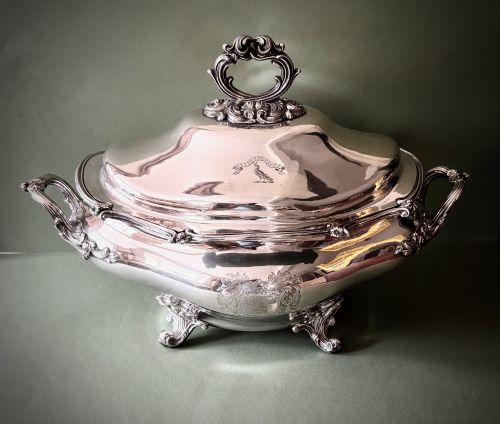
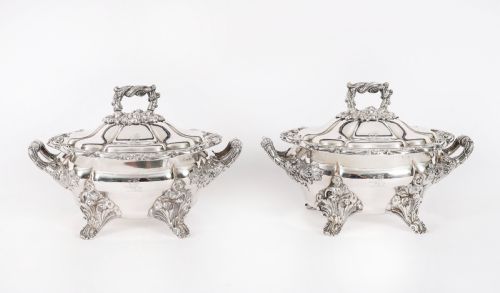
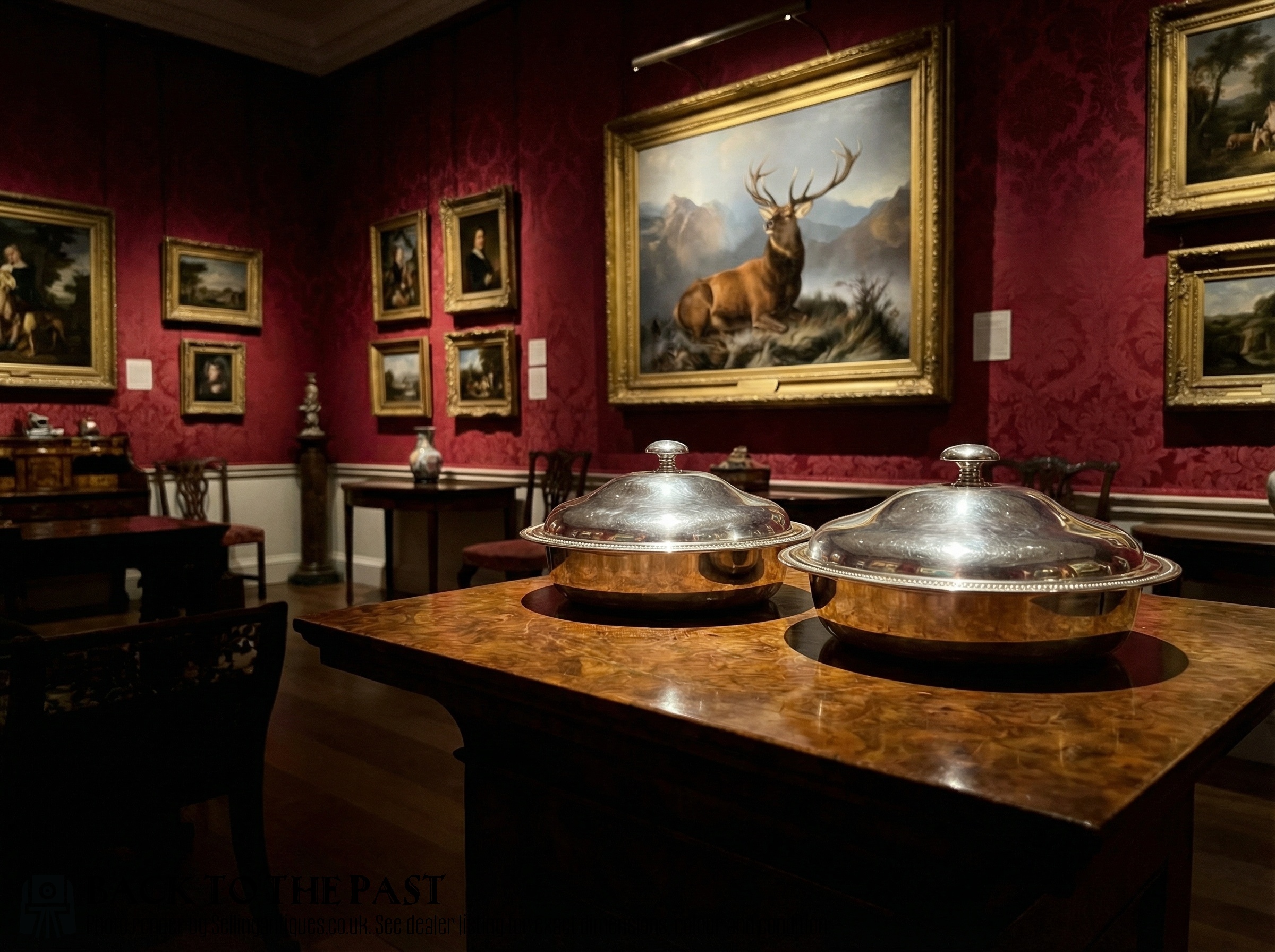
A silver plated tureen serves as a large covered vessel designed for holding soup, sauce, or entrees at the dining table. These pieces span periods from the Georgian and Regency eras through the Victorian, Edwardian, and Art Deco years. Forms range from deep soup bowls to shallow entree dishes and warming tureens fitted with covers and handles.
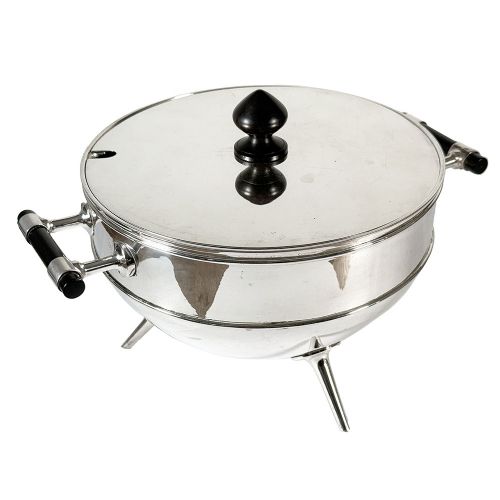
Buyers frequently encounter nineteenth century examples alongside pieces from the early nineteen hundreds. The selection includes single vessels, matched pairs, and three piece sets complete with matching ladles or bases. Styles move from classical Neo Classical lines to plain geometric shapes and decorative figural mounts.
What varies in quality
The distinction between standard items and the finest pieces rests on the weight of the metal, the crispness of cast mounts, and the balance of the design. Heavier base metals and thicker silver deposits ensure durability through decades of use and polishing.
Superior examples display balanced proportions, finely detailed handles, and original lids that fit flush. Makers who invested in hand chased crests and sturdy construction produced tureens that retain their decorative authority.
Retail Price Guide 2026
Typical UK retail prices for silver plated tureen, calculated from the Sellingantiques database of over a million retail prices indexed since 2003. This retail price guide relies exclusively on Sellingantiques data; no external sources or auction records are used, so the figures do not describe the wider market.
Listings feature items from the Regency, Victorian, and Edwardian periods, utilising silver plate, copper, and electroplated nickel silver.
Mappin and Webb·Daniel and Arter·William Hutton and Sons·Elkington and Co·Christofle of Paris
The Silver Plated Tureen Glossary
- Old Sheffield plate
- An early method of fusing a thin sheet of silver to a copper ingot before rolling them together into sheets for smithing. This technique often reveals thin lines of copper along exposed edges.
- Electroplated nickel silver
- A modern plating process introduced in the nineteenth century where a layer of silver is deposited onto a nickel silver alloy using an electrical current. It provides a durable and even metallic finish.
- Entree dish
- A shallow covered serving vessel designed for presenting individual courses or side dishes at the table. These often feature removable handles to allow the cover to double as an extra serving dish.
- Warming tureen
- A specialised vessel equipped with a compartment for hot water or a heating element to keep food warm during long meals. They often include fitted stands or spirit burners.
- Figural mount
- Decorative cast metal ornamentation shaped into human, animal, or natural forms such as leaves and vines. These elements adorn handles, feet, and lids on finer pieces.
Frequently Asked Questions
How do I date a silver plated tureen?
Dating relies on stylistic clues, maker marks, and the underlying metal visible where wear occurs. Georgian and Regency pieces show hand raised construction and Old Sheffield plate, while late Victorian and Edwardian examples often utilise electroplated nickel silver.
Maker marks stamped on the base provide further clues, sometimes including registry numbers or specific factory ciphers. Comparing the decorative motifs, such as Neo Classical urn shapes or Art Deco geometric lines, helps narrow down the decade of production.
Were these used only for soup?
While many large vessels served as soup tureens, the category includes sauce tureens, entree dishes, and warming dishes designed for various courses. Smaller pieces held gravies and sauces, while shallow dishes presented meats or vegetables.
Many designs incorporated fitted liners or compartments for hot water to maintain the temperature of different foods throughout formal dining services. This versatility made them central to grand table settings.
How do I clean silver plate?
Cleaning requires a mild silver polish and a soft cloth to remove tarnish without disturbing the underlying plate. Harsh abrasives must be avoided, especially on Old Sheffield plate where scrubbing can expose the base copper layer.
Regular washing in warm soapy water followed by immediate drying prevents moisture damage. Storing pieces in tarnish resistant cloths helps maintain the finish between uses.
Can I use an antique tureen for dining?
Most silver plated tureens remain fully functional for serving food at modern dinner parties. Ensuring the interior is clean and free of heavy residue is the primary requirement before use.
Care should be taken with hot liquids and harsh detergents to preserve the historic surface. Many collectors enjoy using these pieces for special occasions rather than keeping them solely on display.