
Victorian Table Centrepiece
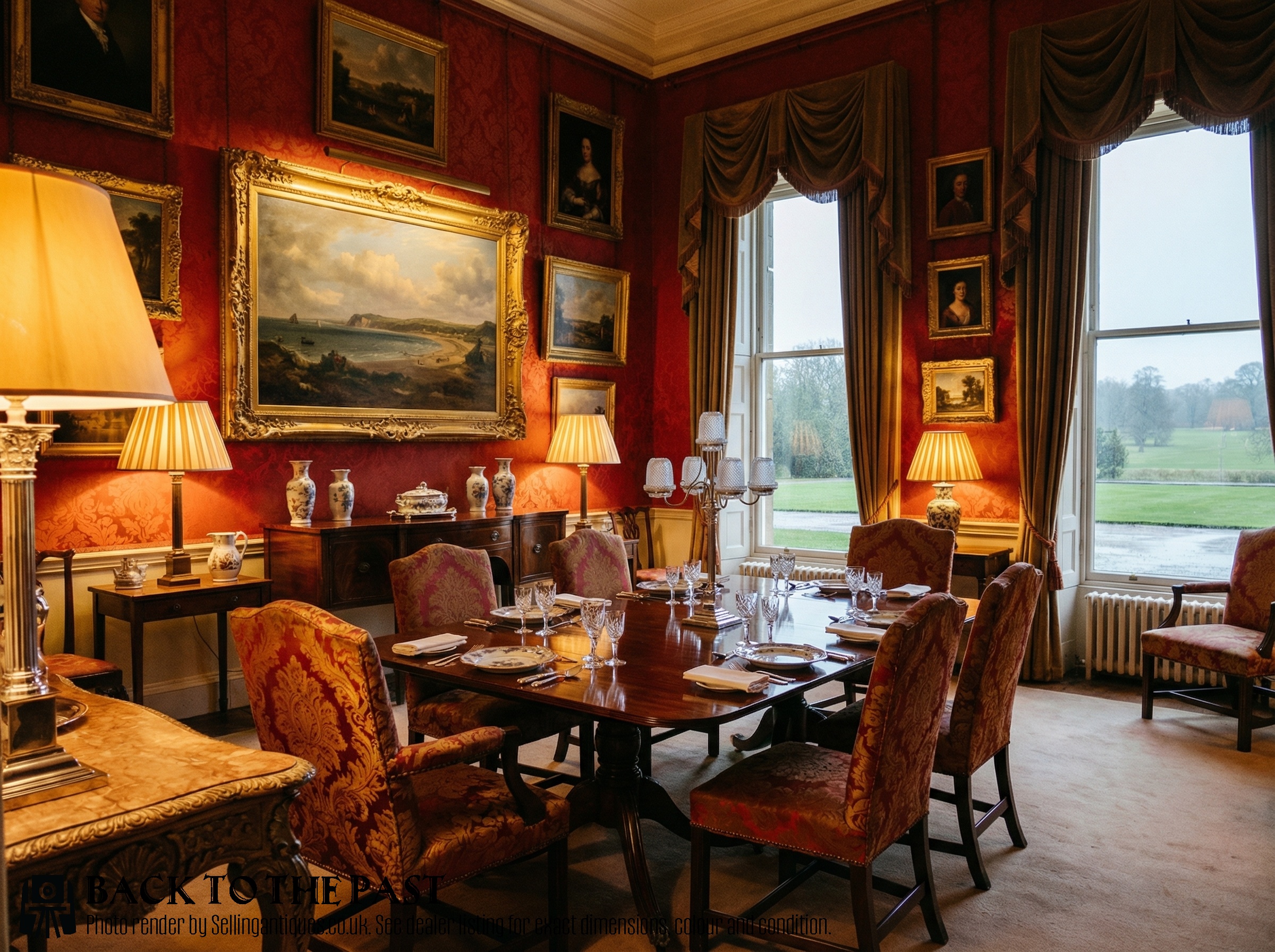
A victorian table centrepiece commands the middle of a formal dining arrangement, bringing height and decorative focus through silver, glass and ceramic forms.

Victorian Table Centrepiece
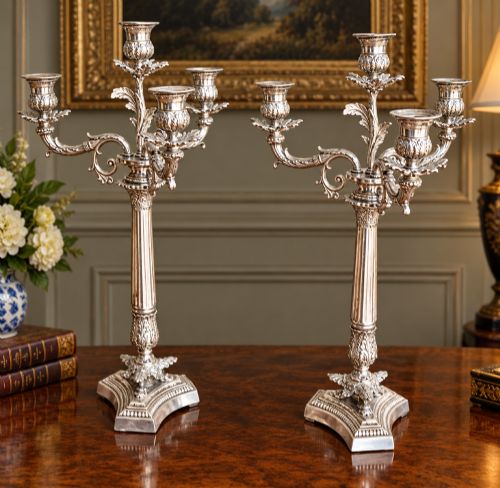
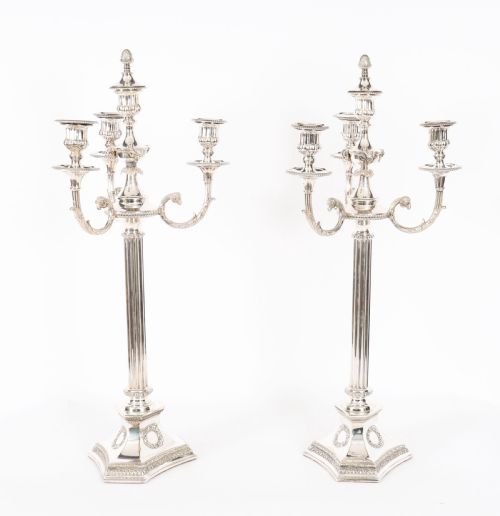
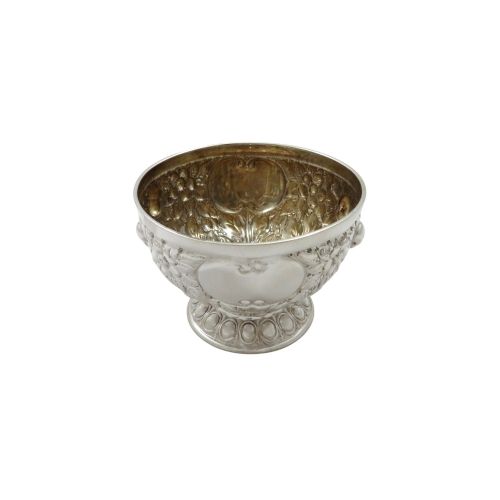
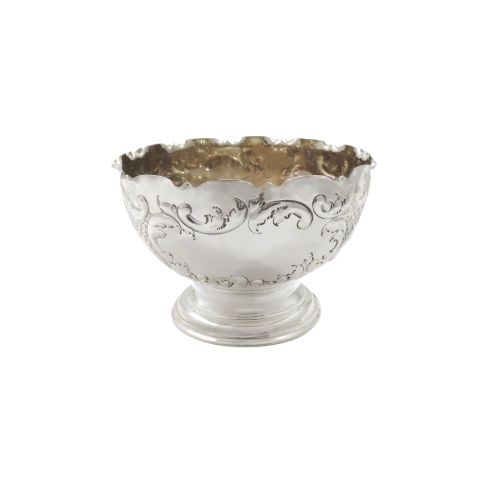
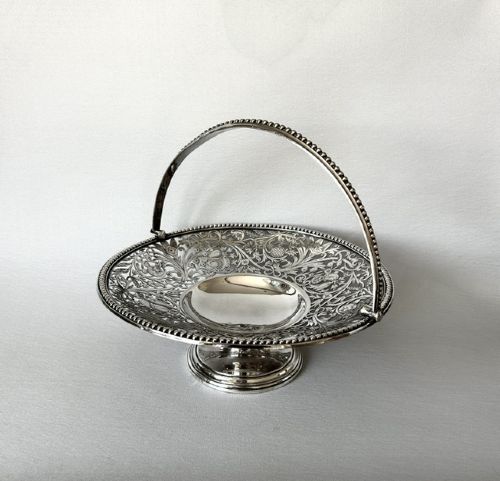
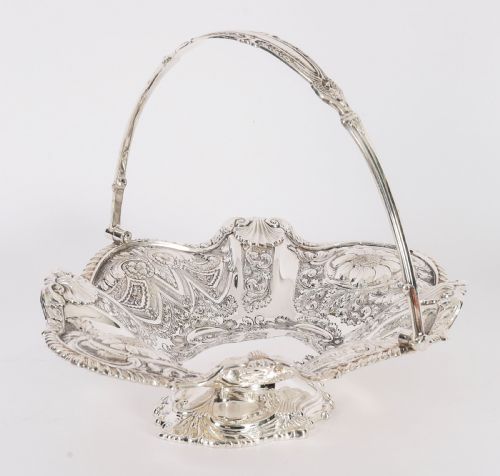
A victorian table centrepiece encompasses grand epergnes, tiered fruit baskets, candelabras and decorative bowls designed to anchor a nineteenth century dining table. These pieces emerge from periods spanning the mid nineteenth century to the early twentieth century, reflecting the elaborate entertaining habits of the era.
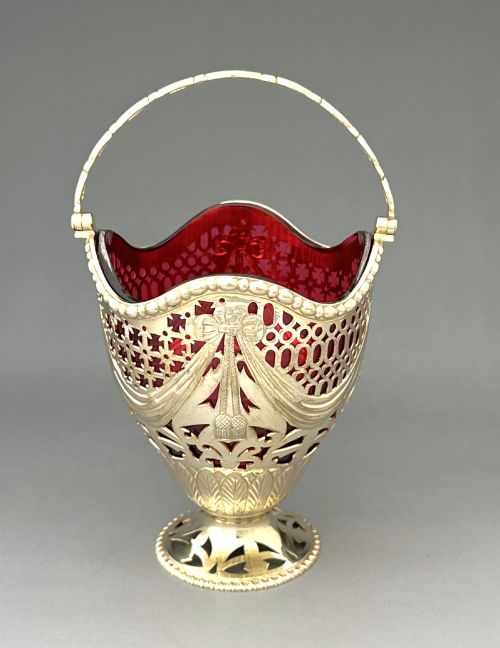
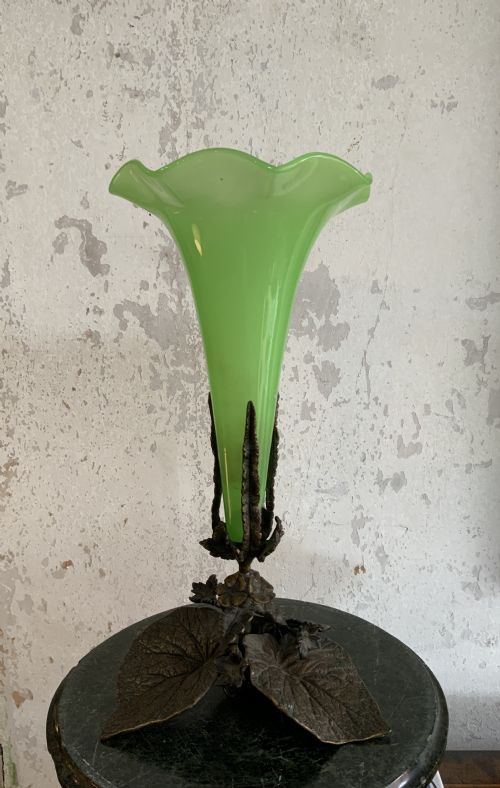
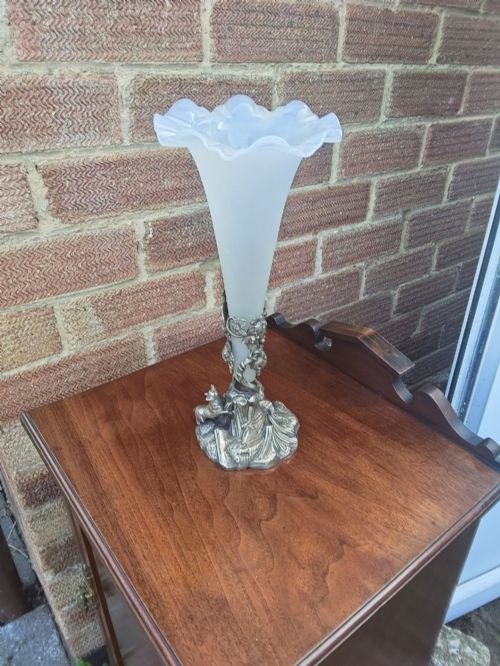
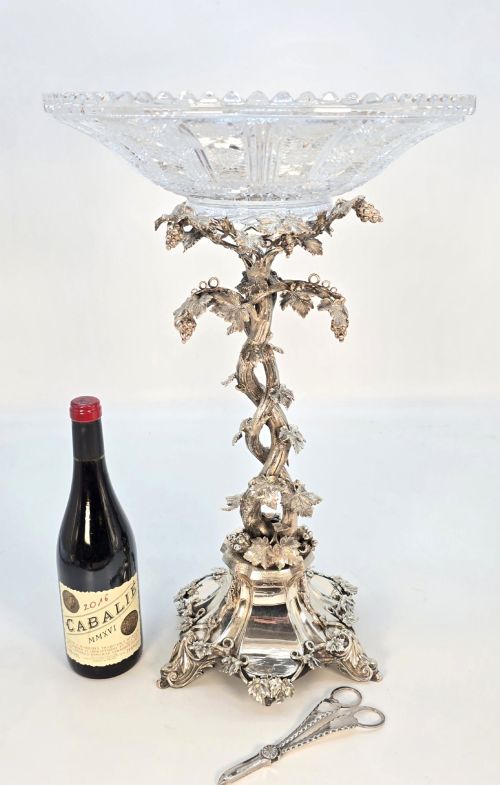
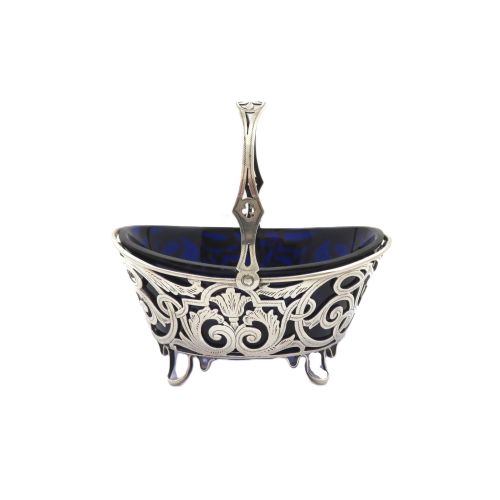
The versions most commonly met on this page include silver plated fruit baskets with coloured glass liners, multi arm candelabras and glass epergnes featuring trumpets or hanging bowls. English and French workshops produced the majority of these dining table centrepieces in styles ranging from Rococo Revival and Neoclassical to Art Nouveau and Victorian Naturalism.
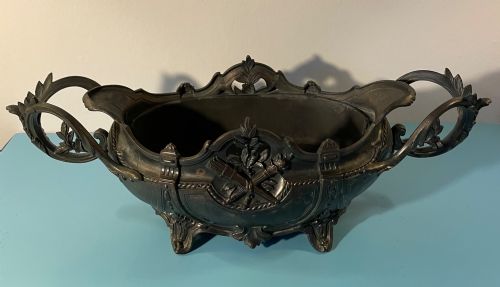
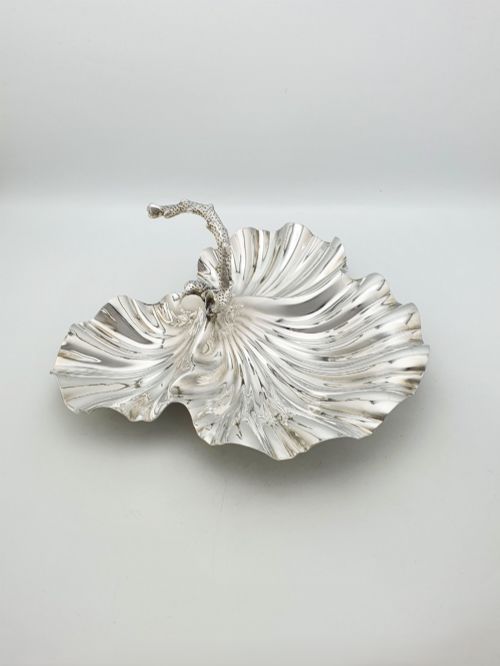
Alongside dedicated centrepieces, buyers encounter related tableware such as spoon warmers shaped like shells, cruet sets, jardinieres and knife trays. These supplementary objects share the ornate metalwork and glass techniques characteristic of nineteenth century dining rooms.
Materials and Techniques
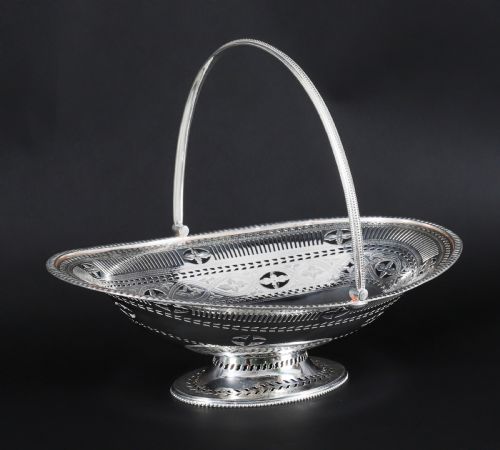
Makers utilised heavy silver plating over copper or base metals alongside solid sterling silver, casting and piercing the metal into ornate scrollwork, foliage and neoclassical motifs. Electroplated nickel silver and white metal also appear frequently in nineteenth century tableware production.
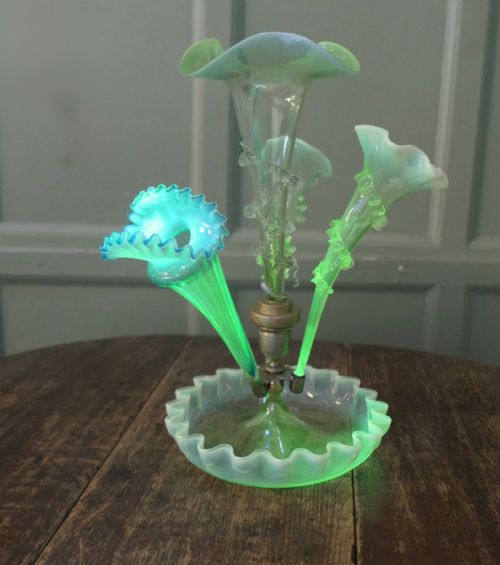
Coloured and clear components relied on complex glassmaking methods, including hand blown cranberry glass, uranium glass, vaseline glass and heavy cut glass. Bowls and trumpets were then fitted into pierced metal baskets, bronze frames or silver plated stands using collars and screws.
Victorian Table Centrepiece Retail Price Guide 2026
Typical asking prices for victorian table centrepiece among the pieces listed under this phrase on Sellingantiques today, from the lower quarter to the upper quarter. They describe what is for sale here now, not the wider market.
Listings feature items spanning the nineteenth and early twentieth centuries, constructed from silver plate, sterling silver, brass, cut glass, cranberry glass and porcelain.
Assessing Quality
Quality rests in the crispness of the cast or hand chased detail on the metalwork and the weight of the silver plating or sterling silver. Superior pieces exhibit deeply articulated foliage, naturalistic animal figures like coral handles or fox and grapes motifs, and securely mounted components.
The integrity and manufacture of the glass element also determine distinction, with hand blown coloured glass inserts showing rich, even tones and substantial thickness rather than thin press moulded surfaces. Maker marks from established firms indicate higher workshop standards.

George W. Scott & Sons Ltd·Hawksworth Eyre·Garrard & Co·Thomas Bradbury·WMF·Doulton Burslem
The Victorian Table Centrepiece Glossary
- Epergne
- A large table centrepiece featuring a central bowl or basket surrounded by smaller hanging baskets or trumpet vases. These multi tier structures were traditionally used for fruit or flowers.
- Candelabra
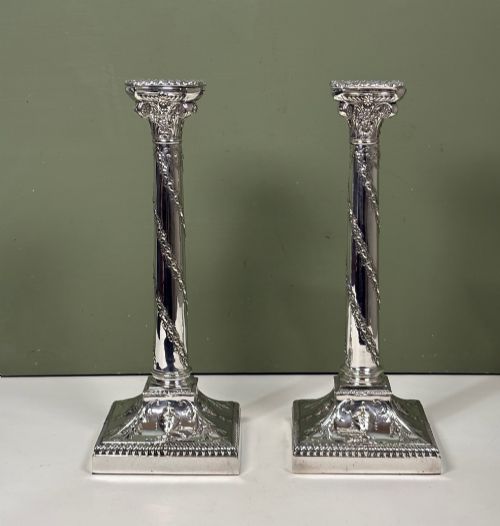
- A branched candlestick holding multiple lights on a central shaft. Nineteenth century examples often convert from single candlesticks using removable arms.
- Spoon Warmer
- A Victorian table vessel designed to hold hot water and keep serving spoons warm before use. They frequently took whimsical shapes such as nautilus shells or silver gilt spoons.
- Vaseline Glass
- A type of glass coloured with uranium oxide that exhibits a distinct yellow green hue and glows under ultraviolet light. It appears frequently in late nineteenth century bowls and epergnes.
- Silver Plate
- A manufacturing technique where a thin layer of silver is fused to a base metal such as copper or nickel brass. Sheffield plating and electroplating dominate nineteenth century examples.
Victorian Table Centrepiece: Frequently Asked Questions
What is a victorian table centrepiece used for?
These large ornamental objects stood in the middle of formal dining tables during the nineteenth century. They served as decorative focal points for displaying fruit, sweetmeats or flowers during multi course meals.
Hosts used them to demonstrate taste and wealth to dinner guests. Today, they function primarily as decorative centrepieces on dining tables, sideboards or large consoles.
Can glass liners be replaced if broken?
Finding an exact replacement for a nineteenth century cranberry or vaseline glass liner is exceptionally difficult due to bespoke manufacturing. Most original pieces rely on hand blown glass made specifically for that metal frame.
Buyers should inspect listings to ensure the glass component is original to the base. Mismatched replacements rarely fit the pierced metal galleries correctly.
How do I date a silver plated centrepiece?
Dating relies on a combination of stylistic clues, registration marks, maker stamps and manufacturing methods. Pieces from the mid nineteenth century often show heavy silver plating over copper bases before electroplating became standard.
Stylistic shifts from Rococo Revival scrolls to Neoclassical swags or Art Nouveau organic lines help narrow the decade of production. Hallmarks and registry numbers stamped into the metal provide the most reliable chronological anchors.