

Silver Plated Centrepiece
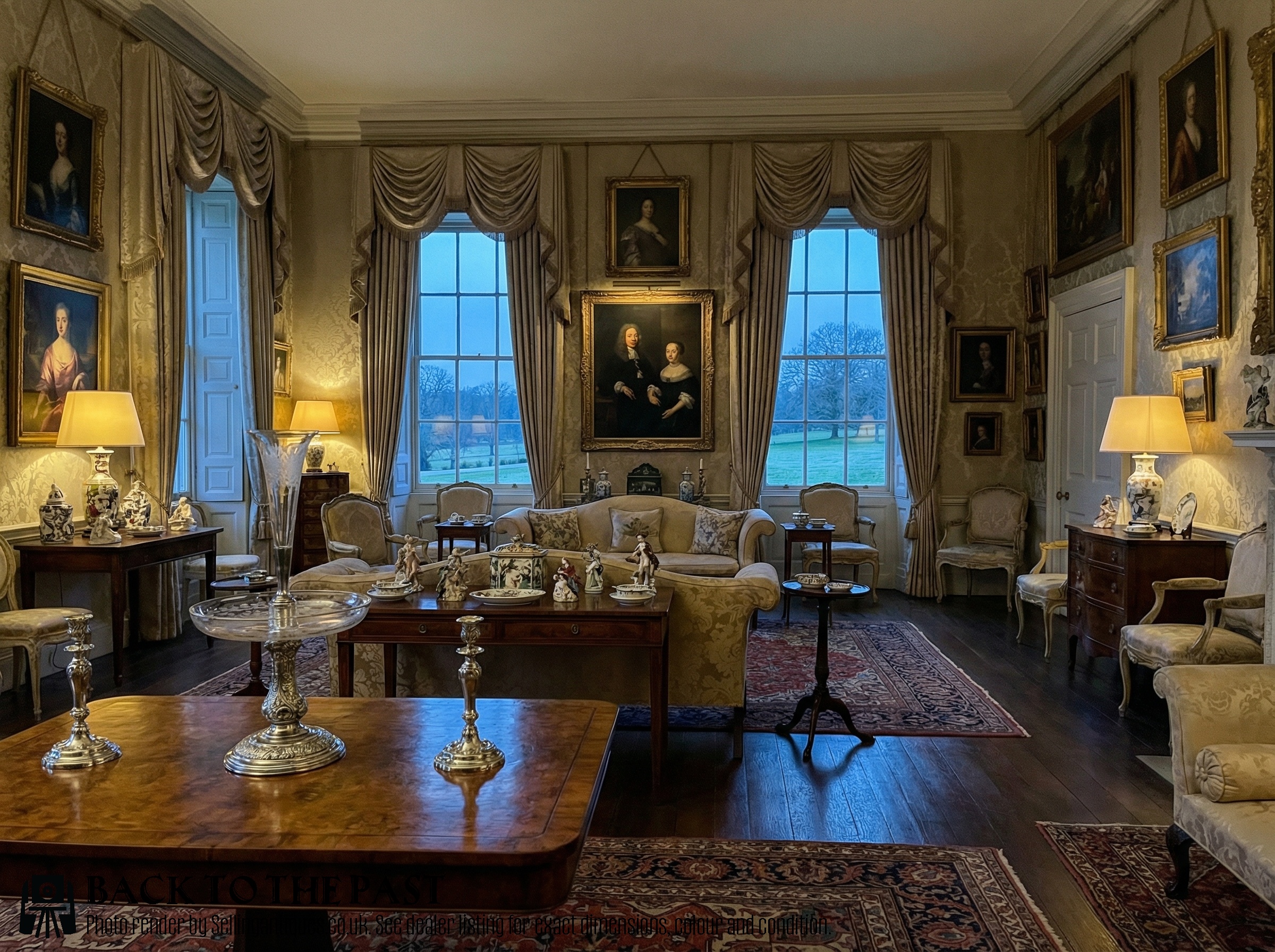
When searching for a silver plated centrepiece, a buyer encounters grand dining table ornaments designed to anchor formal room schemes through periods spanning the eighteenth, nineteenth, and early twentieth centuries.
Silver Plated Centrepiece
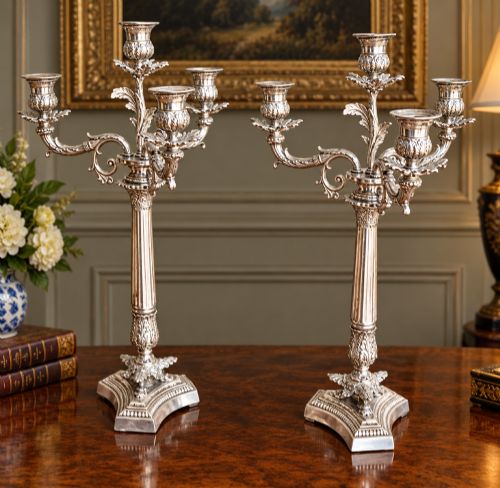
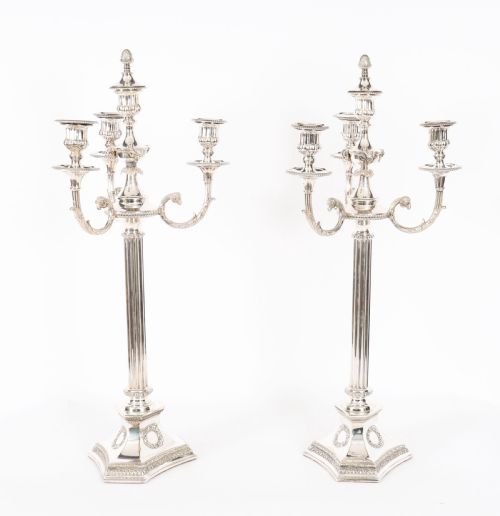
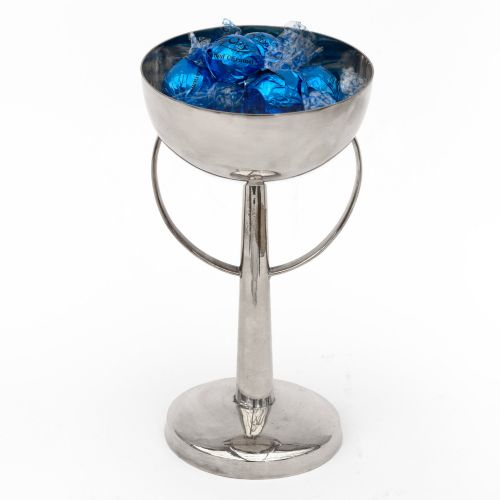
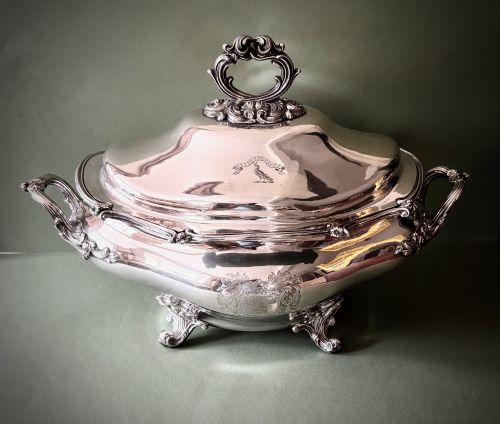
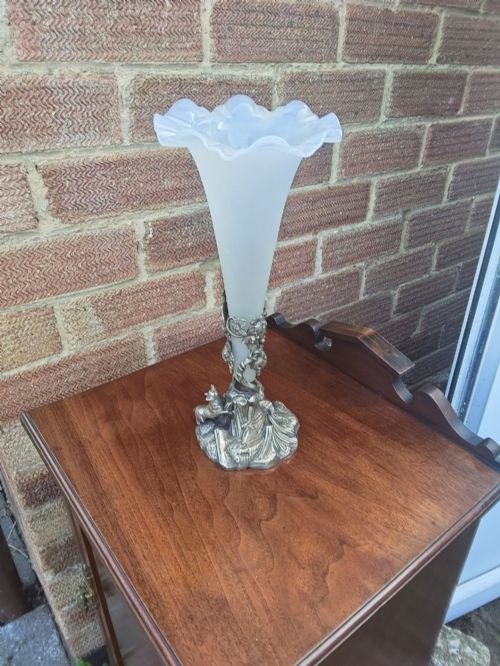
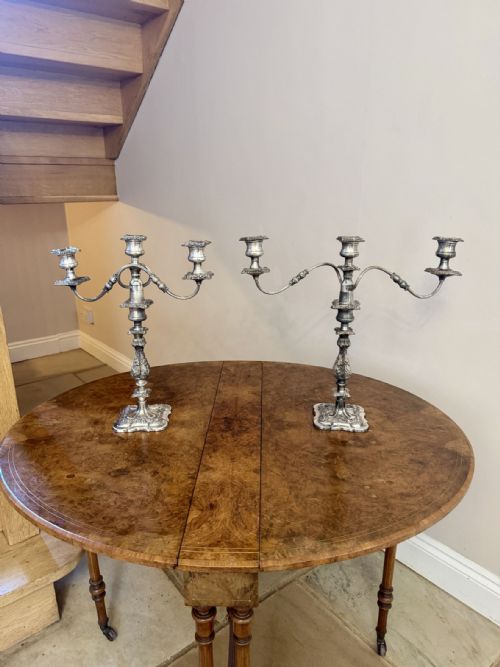
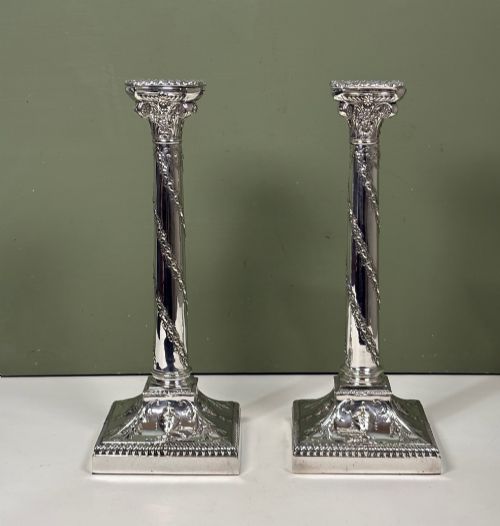
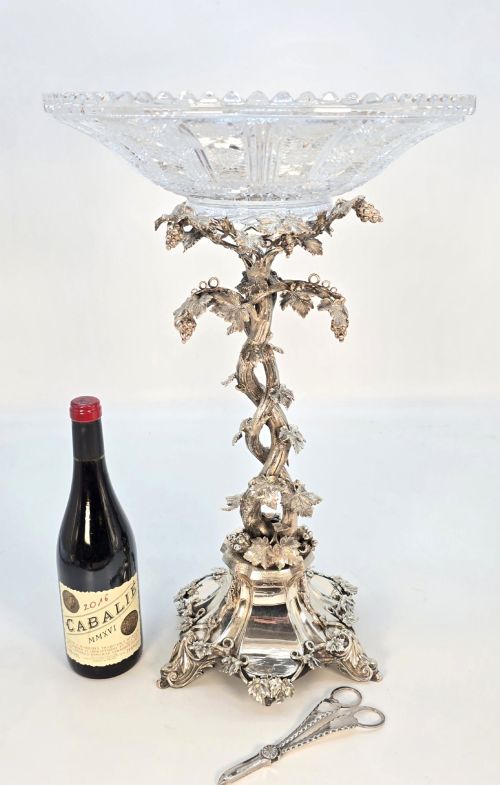
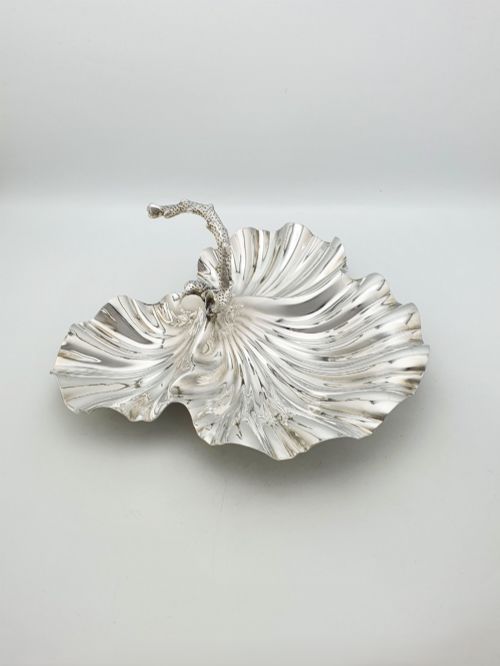
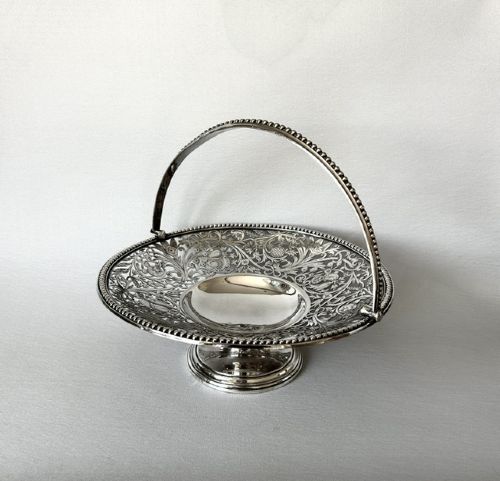
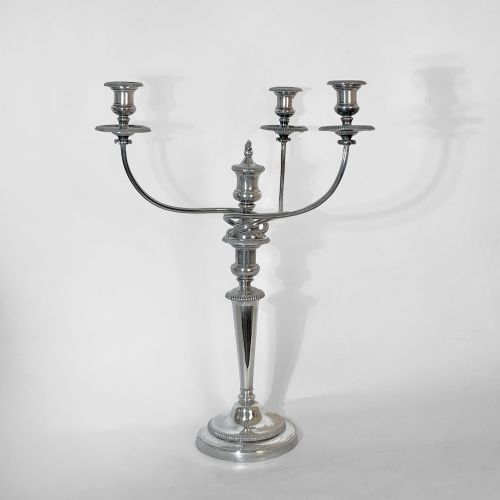
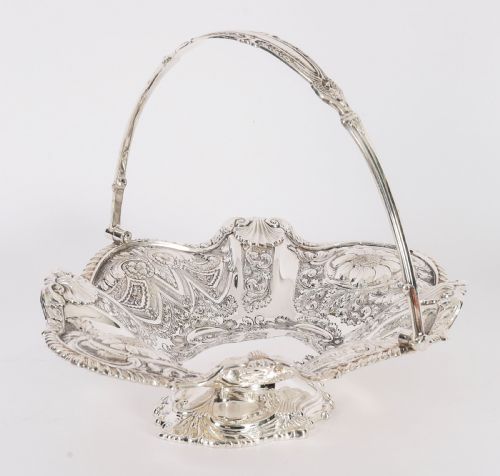
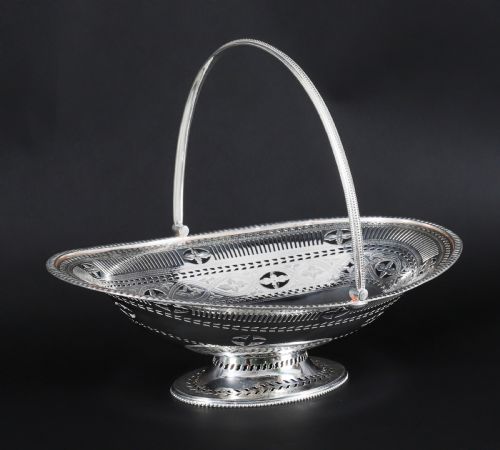
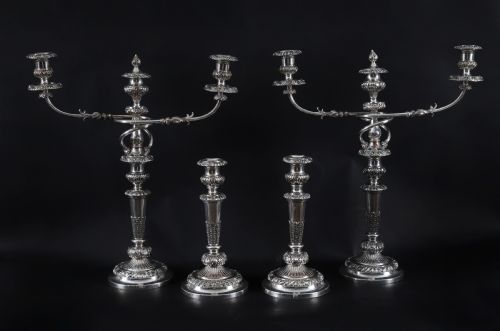
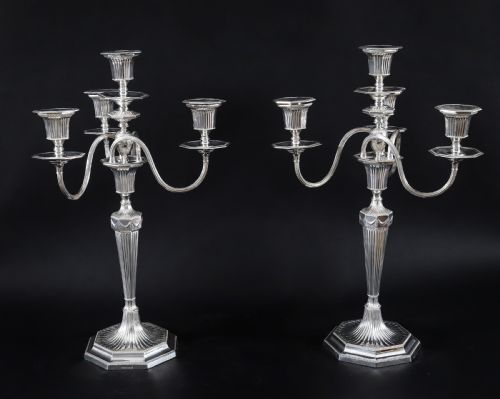
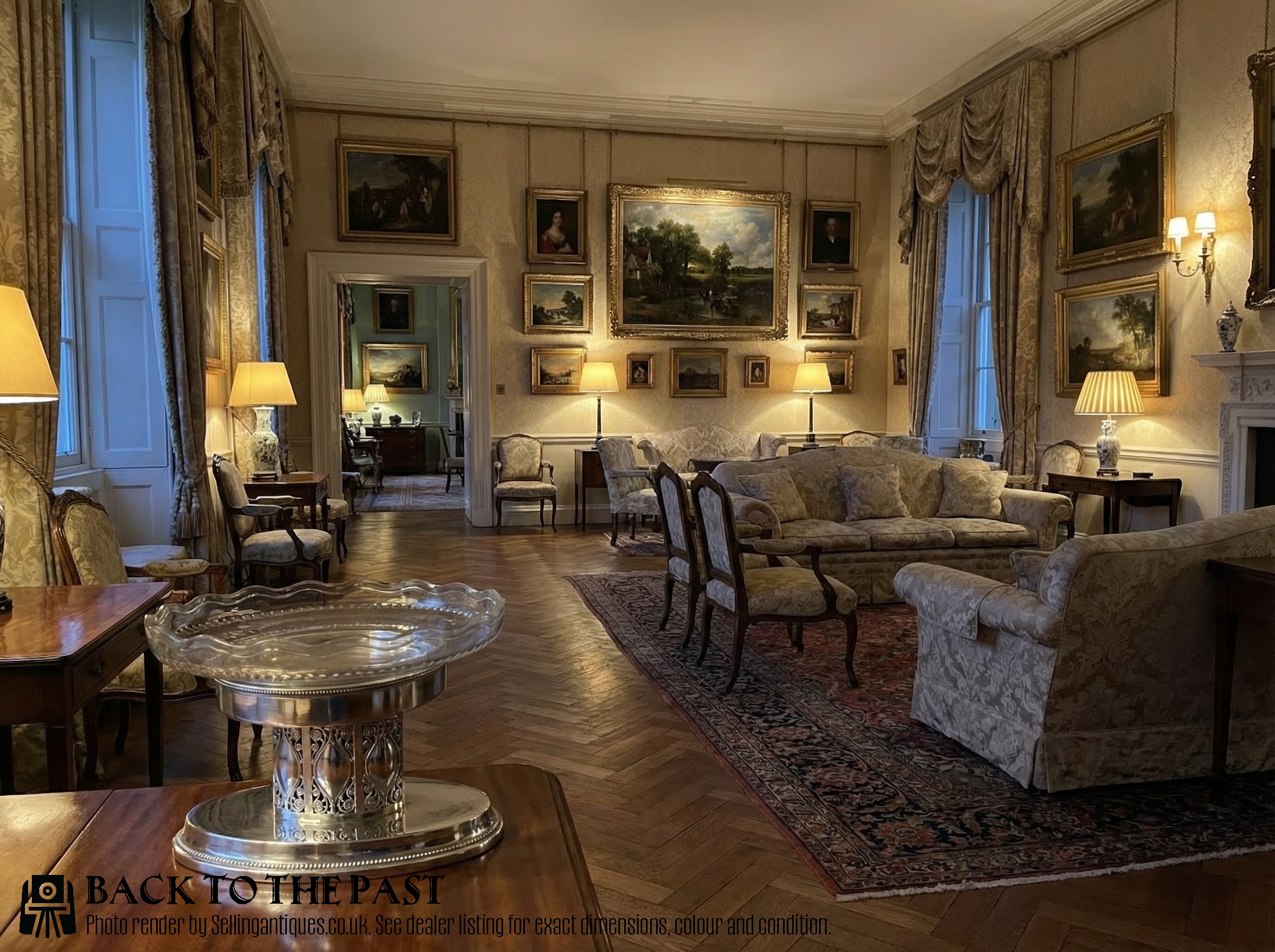
A silver plated centrepiece encompasses elaborate table displays, including multi-light candelabra, epergnes with glass inserts, fruit baskets, and jardiniere bowls. The nineteenth century yields the highest volume of surviving examples, heavily influenced by Victorian, Edwardian, and Neoclassical design preferences.
Many items incorporate cut glass, vaseline glass, or ceramic elements alongside metal frameworks, creating varied functional tableware intended for formal dining. Buyers frequently encounter pieces featuring naturalistic motifs such as grapes, vines, and shells, reflecting popular nineteenth-century ornamentation.
Materials and Construction
Manufacturing methods rely on copper bases fused with thin sheets of silver through the Old Sheffield Plate technique, or later electroplating processes applied over white metal, brass, and nickel silver. The application of EPNS during the later nineteenth century allowed manufacturers to produce durable items with consistent metallic coatings.
Ornate components often combine pierced metalwork, repoussé rims, and cast details with heavy cut crystal or coloured glass liners. Artisans secured these decorative mounts using traditional soldering and mechanical fittings suited to complex tiered arrangements.
Silver Plated Centrepiece Retail Price Guide 2026
Typical asking prices for silver plated centrepiece among the pieces listed under this phrase on Sellingantiques today, from the lower quarter to the upper quarter. They describe what is for sale here now, not the wider market.
Several surviving pieces double as playful conversation starters, featuring articulated metal swans designed to swim across the dining table.
Factors of Distinction
Quality rests on the crispness of the chased or repoussé decoration and the structural integrity of complex tiered assemblies. Pieces retaining substantial original plating without heavy base metal show through exhibit superior manufacturing standards.
Makers known for exceptional metalworking, such as Matthew Boulton or prominent silversmith firms, command attention through balanced proportions and refined casting details. The integration of high-grade cut glass or coloured liners further elevates the standard of individual items.

Matthew Boulton·Hawksworth Eyre·Garrard and Co·George W Scott and Sons Ltd·Mappin and Webb·James Dixon and Sons·Walker and Hall·WMF
The Silver Plated Centrepiece Glossary
- Old Sheffield Plate
- An early manufacturing technique fusing a layer of silver onto a copper core before rolling them together into sheets. This method often reveals thin lines of base metal at the cut edges of older wares.
- EPNS
- Electroplated Nickel Silver, a common nineteenth-century standard denoting a base alloy coated with silver via an electrical bath. This process largely replaced earlier fusing methods.
- Epergne
- A large table centrepiece featuring a central dish with branching holders or trumpets meant for holding fruit, flowers, or sweets. These multi-tier structures often incorporate cut glass bowls.
- Repoussé
- A metalworking technique where the artisan hammers the design from the reverse side to form raised ornamentation on the surface. Floral and scroll motifs frequently appear rendered in this manner.
- Vaseline Glass
- A type of glass containing uranium dioxide that exhibits a distinct yellow-green hue under natural light and glows brightly under ultraviolet illumination. It frequently serves as bowl or liner inserts in period pieces.
Silver Plated Centrepiece: Frequently Asked Questions
What is a silver plated centrepiece used for?
These large table ornaments served as decorative centrepieces on dining tables during formal meals, often holding fruit, flowers, or sweetmeats.
They provided visual height and reflected candlelight to enhance the atmosphere of nineteenth-century dining rooms.
How do I clean old silver plate?
Maintenance requires gentle cleaning with non-abrasive silver cloths designed specifically for plated items to avoid wearing through the thin metal layer.
Harsh chemical dips should be avoided, particularly on pieces with glass components or early fused plating.
How do I date a piece?
Dating relies on stylistic clues, registration marks, and manufacturer stamps located on the base or rims of the metal components.
Victorian and Edwardian items often feature specific floral motifs or manufacturer ciphers that align with documented production eras.
Are glass liners original?
Many surviving epergnes and baskets retain their fitted glass bowls, which were blown and cut specifically for the metal frame.
Matching colours, such as ruby or vaseline glass, often correspond to the manufacturing period of the outer stand.