



Silver Display Tray
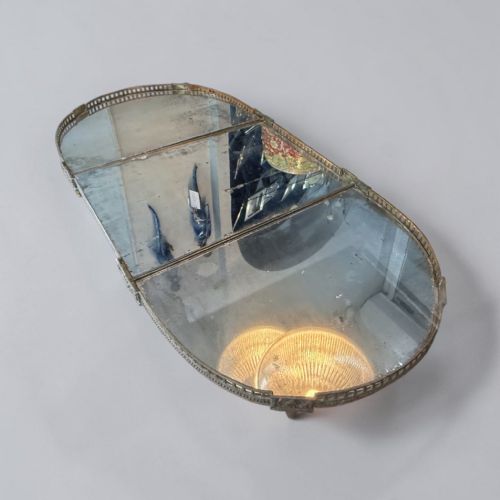
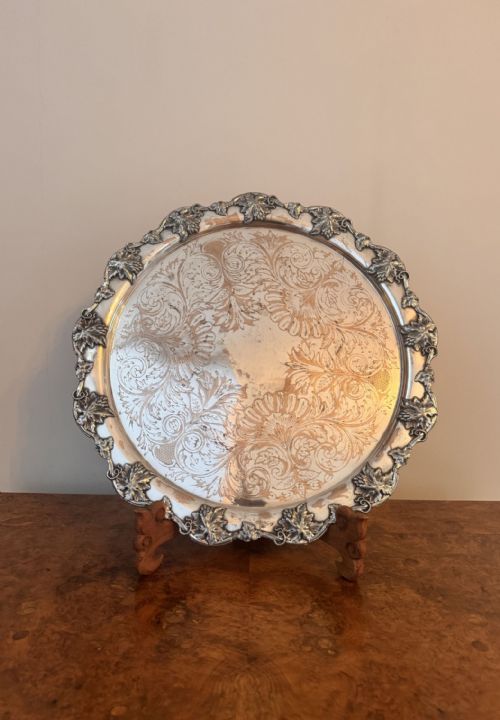
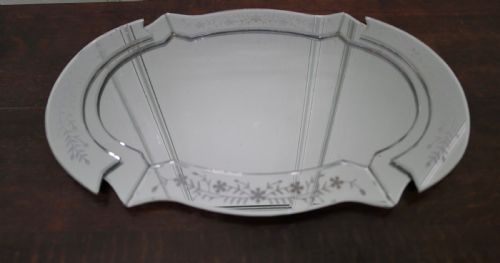
A silver display tray gathers the gleam of glass and metal to hold decanters and service items.
Silver Display Tray
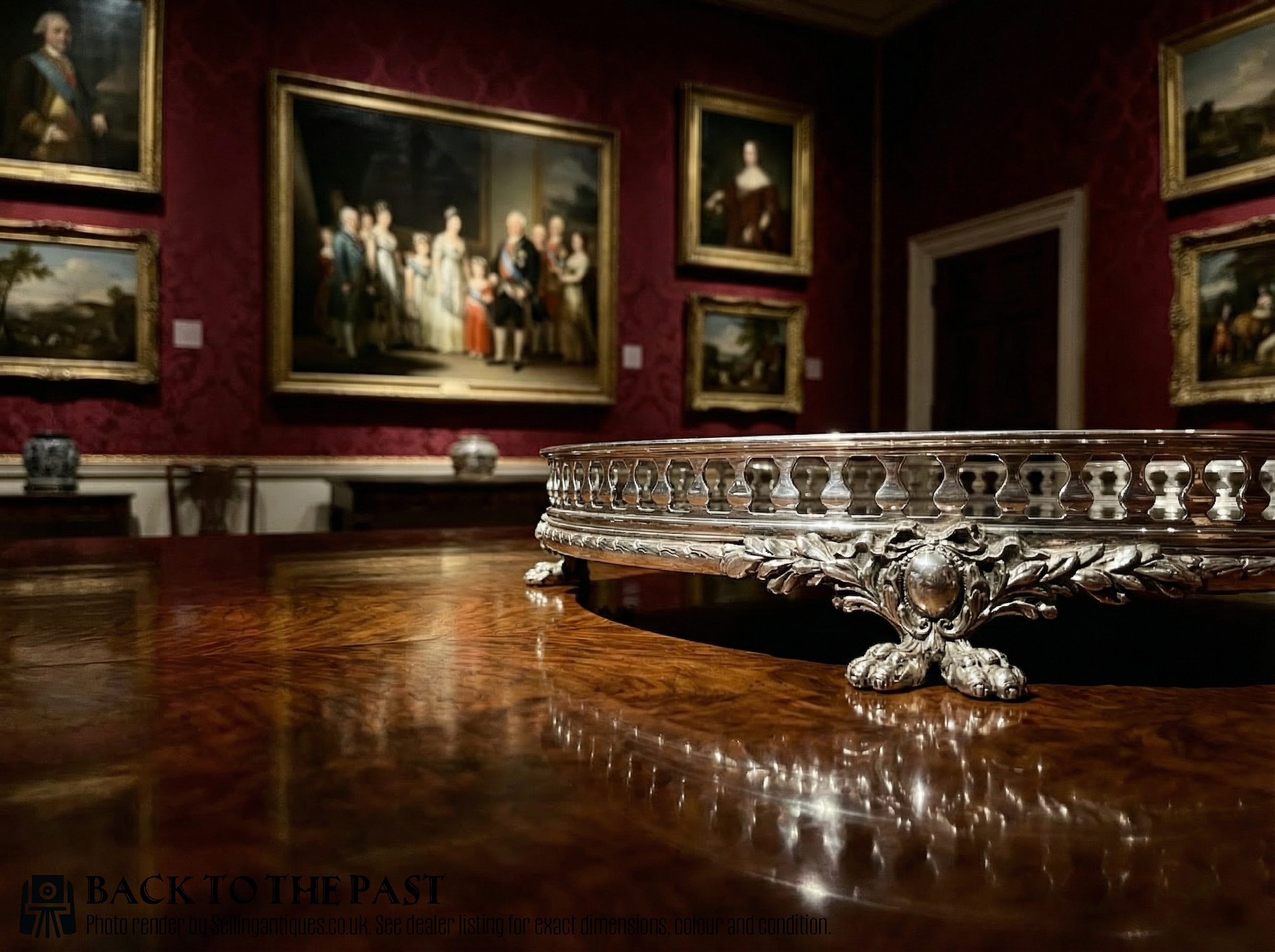
A silver display tray brings together the functional utility of a service plate and the reflective surface needed for presentation. When searching for a silver display tray, buyers encounter items ranging from circular plated trays to large chargers and mirrored plateaux.
The objects span multiple eras, including Georgian, Victorian, and Art Deco periods, alongside specialised forms such as occasional tables with inset display surfaces. Materials extend beyond solid silver to include silver plate, EPNS, pewter, glass, and wood such as mahogany and walnut.
Most examples on this page reflect formal entertaining traditions through floral chasing, cut glass, or plain rims. From the 18th century onwards, these pieces served both to protect furniture and to elevate the presentation of glassware and tableware.
Materials and construction
Makers utilised base metals coated in silver plate or EPNS alongside solid silver gilt to achieve reflective surfaces without prohibitive weight or cost. Pewter served as an alternative metal for chargers, shaped with plain or wavy edges.
Wooden frames in mahogany and walnut support inset mirror glass or polished metal tops in table-form displays. Cutting techniques on glass and detailed chasing on metal surfaces provide ornamental depth across the Victorian and Art Deco examples.
The markers of quality
Weight and the integrity of the base metal determine the durability of silver plated and solid pieces. Thicker plating resists wear through decades of polishing, while solid metal retains structural firmness around handles and rims.
The clarity of bevelled or cut glass mirrors and the precision of joinery in wooden frames distinguish finer display tables and plateaux. Hand-chased floral details and crisp figural scenes demonstrate superior craftsmanship compared to cast or stamped repetition.
S Duncomb
The Silver Display Tray Glossary
- Charger
- A large ornamental dish placed beneath other courses or displayed independently on a sideboard. These plates often feature wide rims and detailed chased decoration.
- Plateau
- A mirrored tray or low table placed in the centre of a dining surface to hold candelabras, decanters, or service dishes. The glass reflects candlelight and glassware.
- EPNS
- Electroplated Nickel Silver, a common base material introduced in the 19th century for durable tableware. It provides the appearance of solid silver at a lower cost.
- Silver Gilt
- Silver that has been coated with a thin layer of gold on the surface. This technique imparts a warm golden tone to silver charger dishes and presentation items.
- Chippendale
- A furniture style spanning the 18th century characterised by carved mahogany and classical motifs. Pieces from this period often incorporate intricate fretwork and sturdy cabriole legs.
Silver Display Tray: Frequently Asked Questions
What is a plateau mirror?
A plateau mirror is a low, mirrored tray designed to sit in the centre of a dining table or sideboard. It acts as a reflective base for glassware, decanters, or floral arrangements.
These pieces protected polished wood surfaces from moisture and heat while amplifying the light of candles in the room.
How do I date a silver charger?
Dating relies on maker marks, rim styles, and the manufacturing technique visible on the reverse. Plain rims and specific touchmarks often point to 18th-century pewter or early silver work.
Victorian and later pieces frequently display heavier floral chasing or electroplated marks that distinguish them from earlier Georgian craftsmanship.
Were these trays used for food?
Chargers and serving dishes held food during formal meals, whereas mirrored trays and plateaux functioned primarily as decorative display bases. Silver plated trays also carried decanters and glasses between rooms.
Heavily chased or figural pieces served ornamental roles on sideboards rather than everyday dining service.
What is the difference between a tray and a charger?
A tray typically includes handles or a raised rim designed for carrying items from place to place. A charger is a larger, stationary decorative plate meant to stay on a sideboard or table.
Chargers focus on visual impact through wide borders and engraved or chased scenes rather than portability.