


Victorian Silver Basket
When you handle a Victorian silver basket, you touch the peak of nineteenth-century metalwork designed for fruit, sugar, and display.
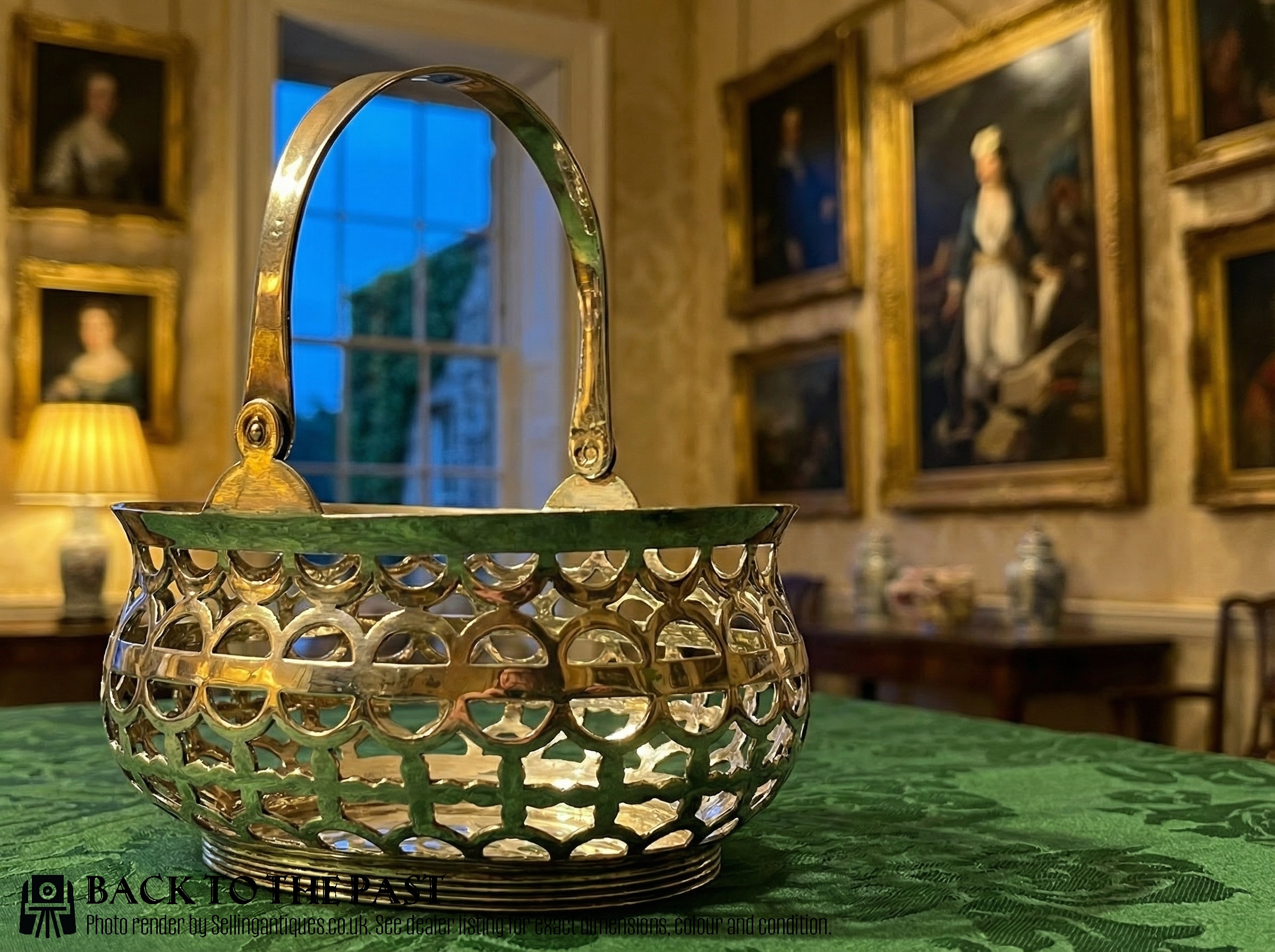
Victorian Silver Basket
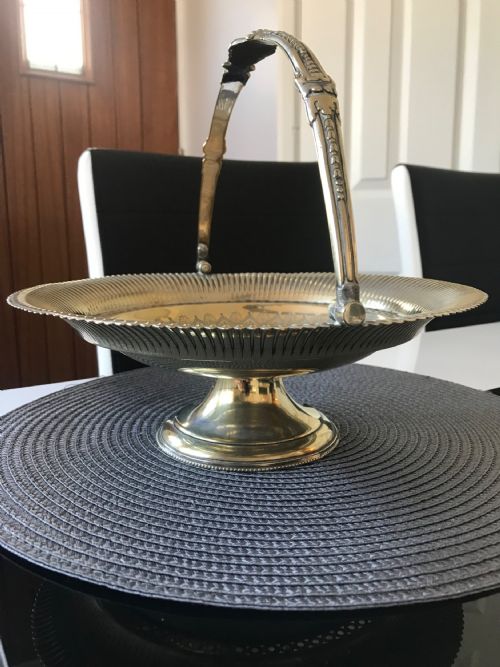
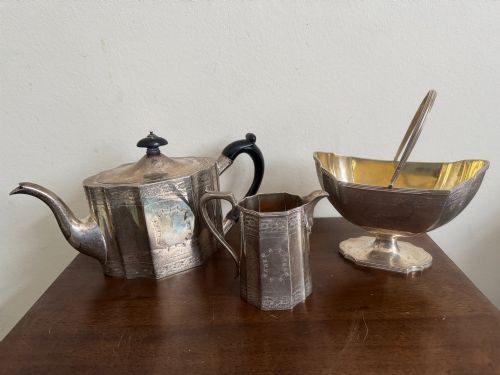
A victorian silver basket serves as a collective term for decorative vessels, fruit bowls, bread dishes, and small bonbon containers shaped to grace formal dining tables. These objects span from solid sterling silver masterpieces with intricate pierced walls to silver-plated creations designed for everyday household elegance.
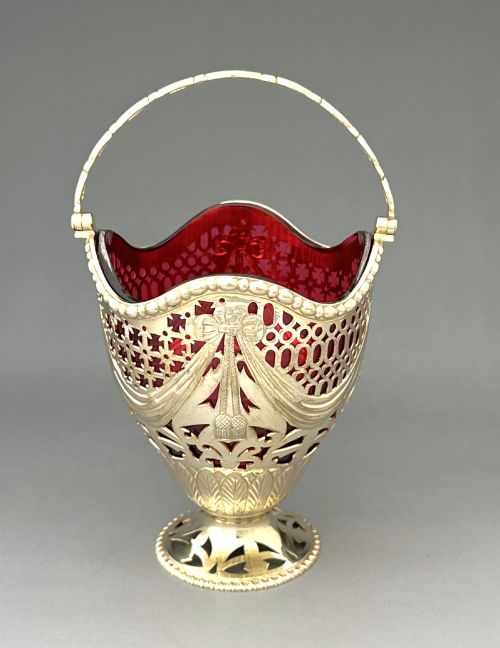
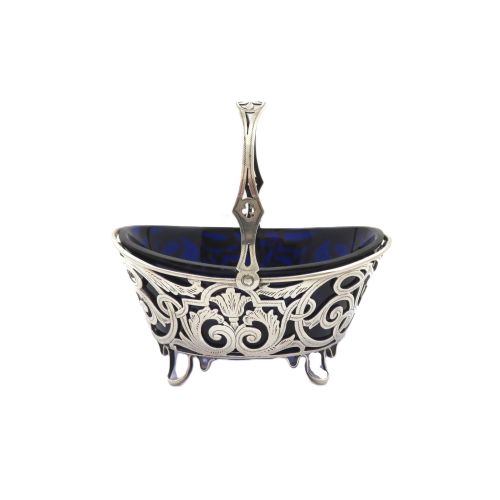
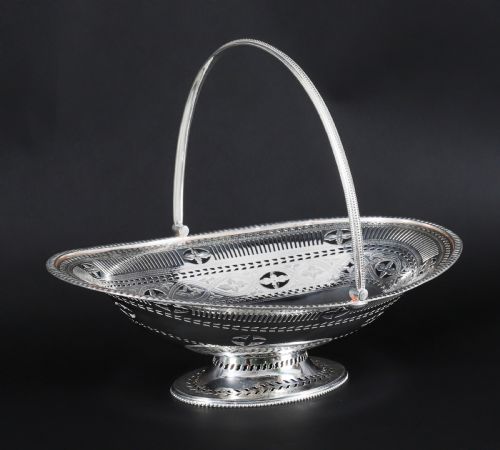
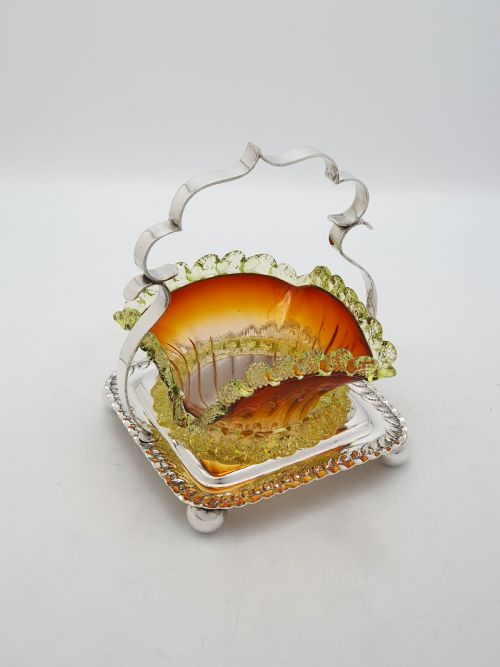
The selections on this page concentrate heavily on nineteenth-century forms, including swing-handled sugar baskets, oval fruit dishes, and sweetmeat servers. Many incorporate coloured glass liners in cranberry, blue, or vaseline glass, contrasting bright metal with translucent tones.
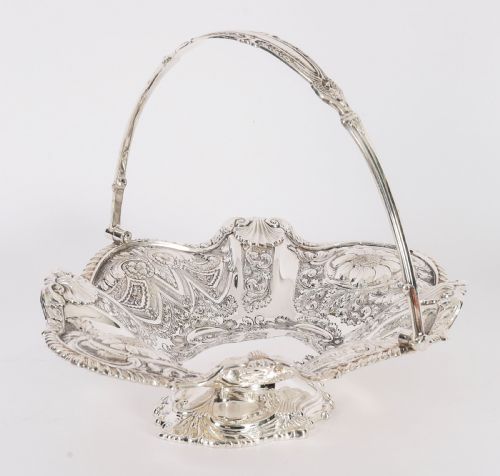
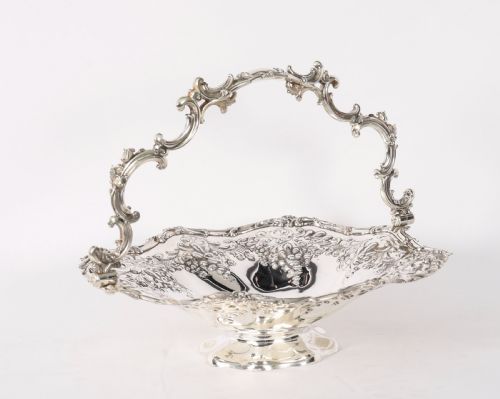
Makers utilised various stylistic revivals, ranging from Neo-Classical symmetry and Rococo floral chasing to organic Art Nouveau curves. Buyers frequently encounter pieces featuring cast handles, wirework, and embossed detailing that reflect the changing tastes across the Victorian and Edwardian eras.

How They Were Made
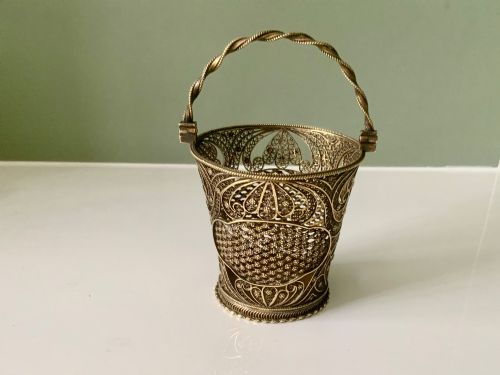
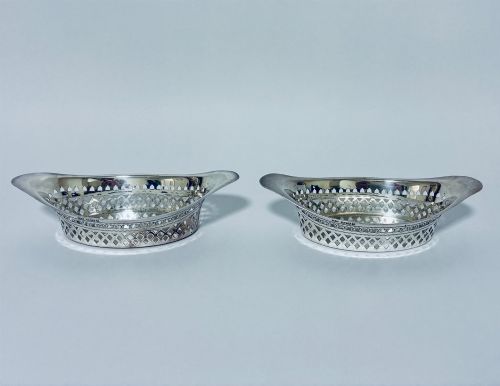
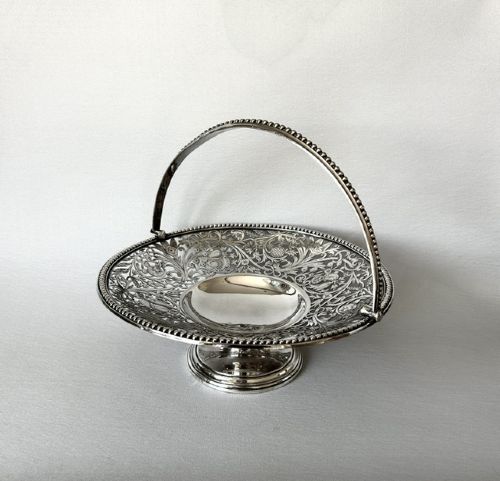
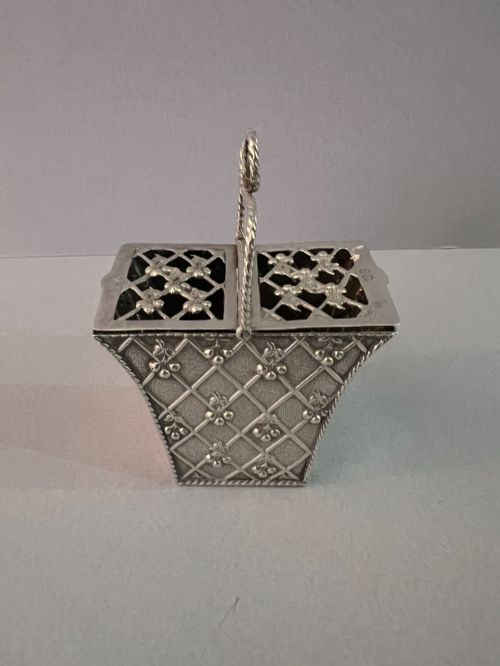
Silversmiths formed these vessels using traditional techniques such as piercing, repoussé, chasing, and filigree work on sterling silver or substantial silver plate over base metal. Piercing required meticulous hand-sawing to create openwork lattices, whilst repoussé involved hammering designs from the reverse to produce raised floral and scroll reliefs.
Coloured glass inserts, often found in cranberry or vaseline hues, were blown separately to fit snugly inside wirework or pierced frames. Handles were frequently cast with floral motifs or reeded details, then attached with secure hinges to swing freely above the bowl.
Victorian Silver Basket Retail Price Guide 2026
Typical asking prices for victorian silver basket among the pieces listed under this phrase on Sellingantiques today, from the lower quarter to the upper quarter. They describe what is for sale here now, not the wider market.
Listings feature items fashioned from sterling silver, silver plate, cranberry glass, and vaseline glass across the Victorian and Edwardian periods.
What Varies in Quality
The distinction between standard domestic wares and exceptional examples rests upon the depth and crispness of the hand-chased ornamentation. Superior items display sharp, well-defined floral or neoclassical motifs without softening from excessive polishing or hasty manufacturing.
Weight and structural integrity also separate tiers of production, seen in the gauge of the silver used for pierced walls and the sturdy construction of swing handles. Original coloured glass liners that fit without wobble and clear maker hallmarks add significant weight to a piece's pedigree.
George W Scott & Sons Ltd·Walker & Hall·Thomas Bradbury·William Comyns·James Deakin & Sons·Martin Hall·Roberts and Belk·Edward H Stockwell·Robert Hennell·William Hutton & Sons·The Haseler Brothers·Mappin & Webb·Horace Woodward & Co·William Morton & Sons
The Victorian Silver Basket Glossary
- Pierced work
- Metalwork pierced through with a saw or punch to create open lattice patterns. This technique lightens the visual weight of large fruit and bread vessels.
- Repoussé
- Metal shaping hammered from the reverse side to form raised decorative reliefs on the front. It creates tactile floral and scroll designs across bowl walls.
- Bonbon dish
- A small vessel intended for serving sweets, nuts, or small confections. These items often appear in delicate silver or silver plate with glass inserts.
- Silver gilt
- Silver that has been coated with a thin layer of gold on its surface. This treatment provides a warm interior glow to baskets and liners.
- Swing handle
- A movable handle attached to pivots on opposite rims of a basket. It allows the vessel to be carried easily or lowered flat against the table.
Victorian Silver Basket: Frequently Asked Questions
What were Victorian silver baskets used for?
These vessels held fresh fruit, bread, sugar lumps, or small sweets on formal dining tables and sideboards. They functioned both as practical serving pieces and as decorative centrepieces.
Wealthy households displayed them prominently during gatherings to showcase hospitality and refined taste through polished metal and coloured glass.
How do you clean antique silver baskets?
Maintenance requires gentle washing with warm soapy water and a soft cloth to remove dust without harming delicate pierced sections. Avoid harsh abrasive dips that strip away patination and age.
Specialist silver polish applied sparingly helps preserve the shine on raised repoussé details while maintaining the integrity of older surfaces.
What is the difference between sterling and plated baskets?
Sterling silver consists of solid precious metal meeting official fineness standards throughout the entire object. Silver plate involves a thin layer of silver bonded over a base metal core.
Both categories display high craftsmanship from the nineteenth century, though sterling pieces carry traditional hallmarks indicating assay office origins and maker marks.
How can you date a silver basket?
Dating relies heavily on official hallmarks stamped into the metal, which record the assay office, date letter, and maker's mark on sterling items. Stylistic clues such as Neo-Classical swags or Art Nouveau curves also help narrow the period.
Plated wares lack standard date letters but often bear maker ciphers and stylistic markers characteristic of Victorian or Edwardian manufacturing decades.