



Silver Sweet Dish
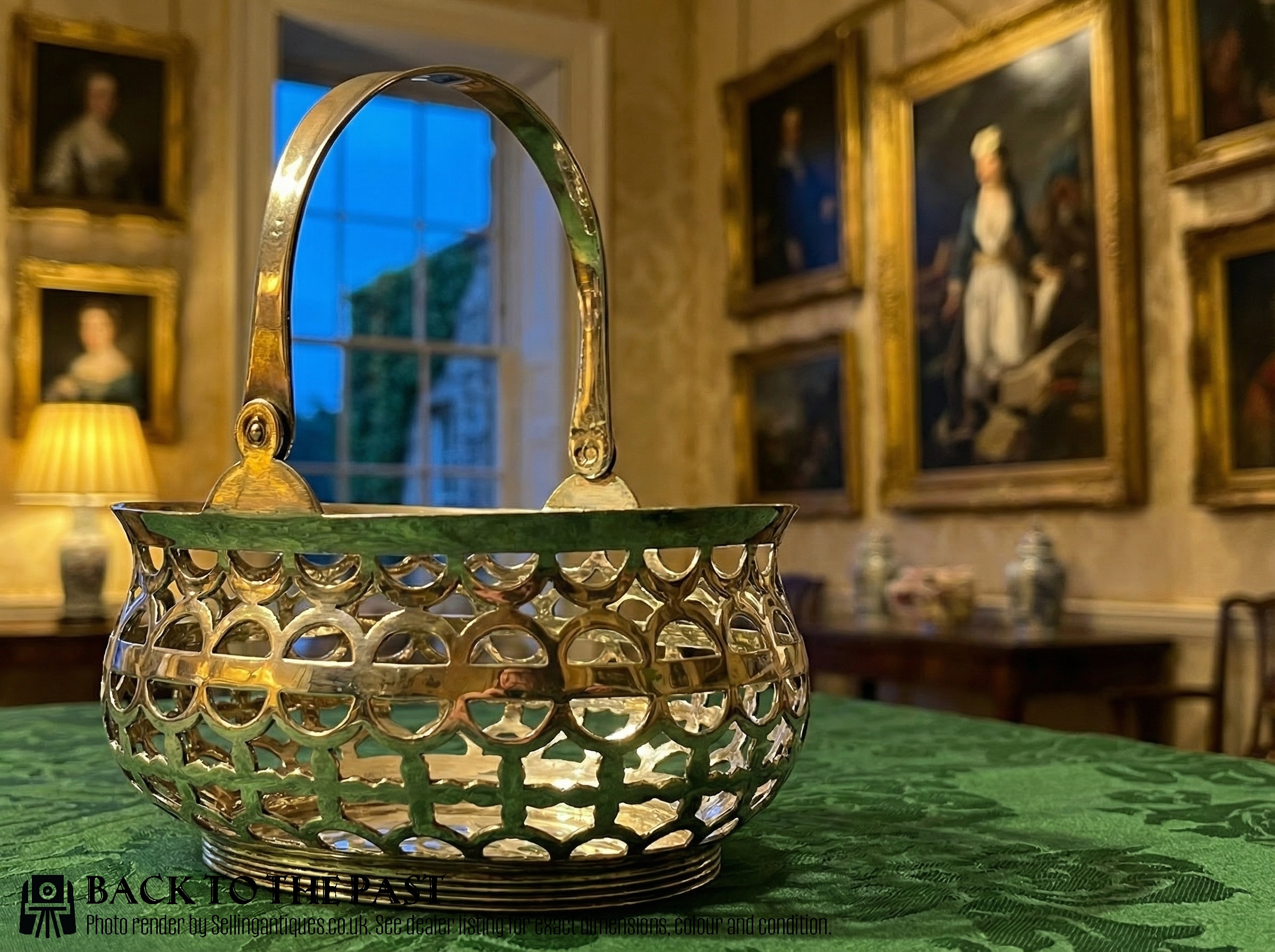
A silver sweet dish brings small confections or nuts to the table with period charm and functional elegance.
Forms and Origins
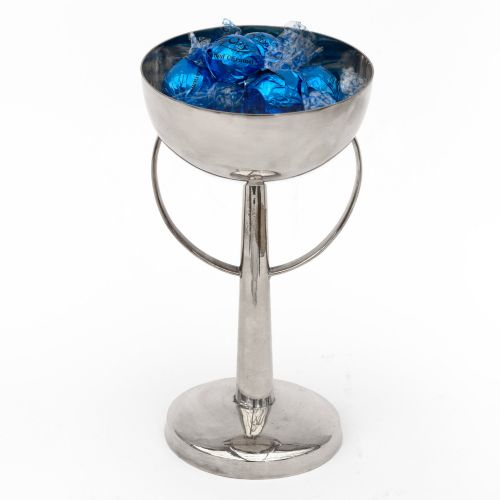
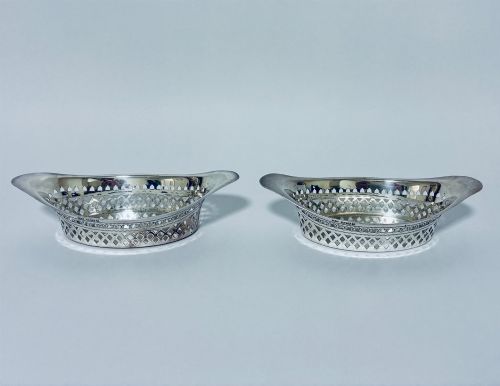
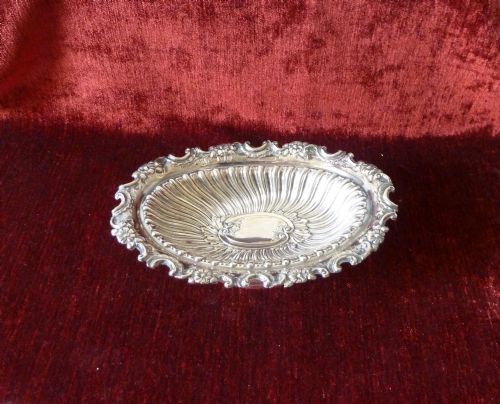
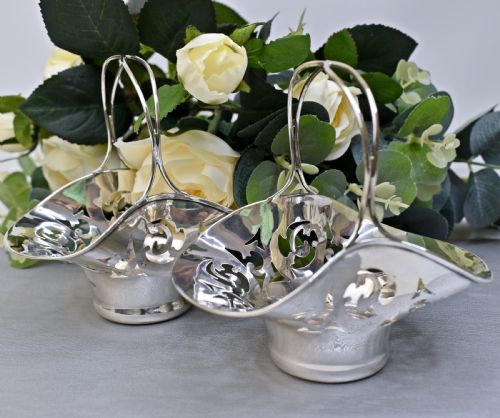
A silver sweet dish serves small treats and confectionery, appearing in forms such as bonbon dishes, nut bowls, baskets, and footed pedestal dishes. These pieces originate from various periods including Victorian, Edwardian, and mid twentieth century eras.
The objects frequently take open bowl or shallow dish formats, sometimes featuring swing handles or compartmented designs. Buyers on this page will most commonly encounter Victorian and late nineteenth century examples alongside silver plated and sterling silver variants.
Materials and Construction
Makers utilised sterling silver and silver plate, alongside nickel alloy for supportive structures. Pieces often incorporate glass elements, specifically cut glass, amethyst glass, and cobalt blue glass liners.
Techniques visible in the items include casting, piercing, and hallmarking to indicate metal purity and origin. Pairs and near pairs appear alongside single footed or pedestal bowls.
Retail Price Guide 2026
Typical UK retail prices for silver sweet dish, calculated from the Sellingantiques database of over a million retail prices indexed since 2003. This retail price guide relies exclusively on Sellingantiques data; no external sources or auction records are used, so the figures do not describe the wider market.
Some sweet dishes arrived with cobalt glass liners so bright they could double as miniature ocean pools.
Craftsmanship and Weight
Quality separates through the weight of the metal and the complexity of the piercing or casting work. Heavier solid sterling examples contrast with lighter plated items and base alloys.
The presence of undamaged original glass liners and clear hallmarks adds distinct merit to individual items. Finer examples display crisp detail in lobed, scalloped, or floral forms.
Charles Stuart Harris·Elkington and Co·D and M Davis·Mappin Brothers
The Silver Sweet Dish Glossary
- Sterling Silver
- An alloy containing a high proportion of pure silver, standard in British hallmarked items. This metal provides the durable body for many traditional sweet dishes.
- Silver Plate
- A base metal coated with a thin layer of silver. This method offered an accessible alternative to solid sterling items during the nineteenth and twentieth centuries.
- Hallmark
- An official stamp indicating the metal standard, assay office, and date of manufacture. These marks allow collectors to verify the origin of antique silverware.
- Sweetmeat Dish
- A traditional term for a small vessel holding sweetmeats, nuts, or confectionery. Such pieces often feature decorative handles or pedestal bases.
- Bonbon Dish
- A small open bowl designed specifically for holding sugared almonds or small sweets. They frequently appear in pierced or scalloped silver designs.
Frequently Asked Questions
What were silver sweet dishes used for?
These vessels held small confections, bonbons, nuts, and sweetmeats during formal dining or drawing room entertainments. Guests would help themselves from the table or sideboard.
They formed part of larger tableware services during the Victorian and Edwardian periods, combining display with practical hospitality.
How do I clean antique silver?
Clean sterling items gently with a soft cloth and dedicated silver polish to remove tarnish without harming the metal. Avoid abrasive materials that can scratch engraved or cast surfaces.
Silver plated items require similar care to preserve the thin metal coating over the base alloy.
Can I use glass liners with food?
Glass liners in cobalt blue or amethyst tones held wet or sticky preserves safely away from the metal. They lift out easily for washing after use.
Original glass liners should be handled carefully during cleaning to prevent accidental chipping.
How can I date my sweet dish?
Examine the piece for hallmarks, which typically include assay office marks, maker stamps, and date letters. Comparing these symbols against official records reveals the exact year of manufacture.
Stylistic indicators such as Victorian piercing or Art Deco geometry also help narrow down the period.