

Hallmarked Silver Dish
When you search for a hallmarked silver dish, you enter a world of Victorian, Edwardian, and later sterling silver pieces designed for the table and dressing room.
Hallmarked Silver Dish
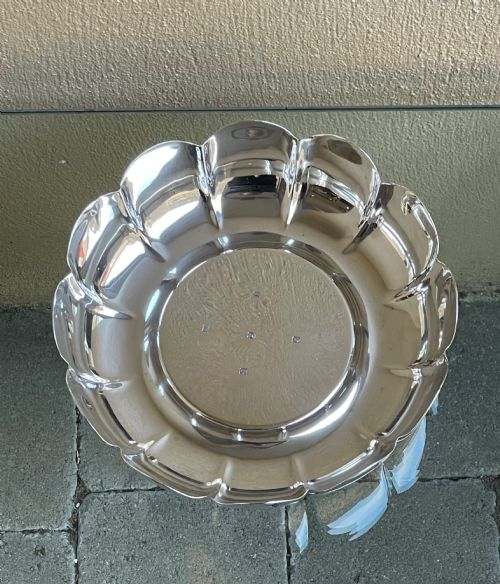
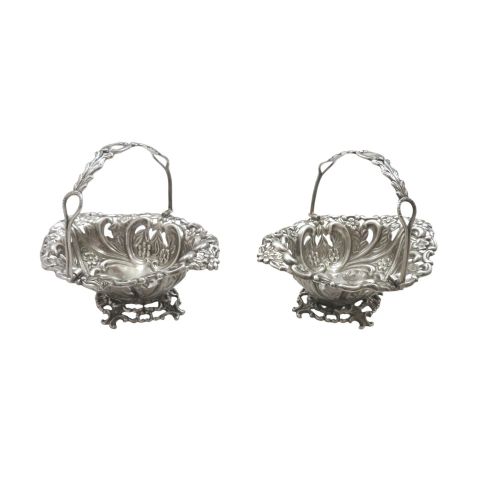
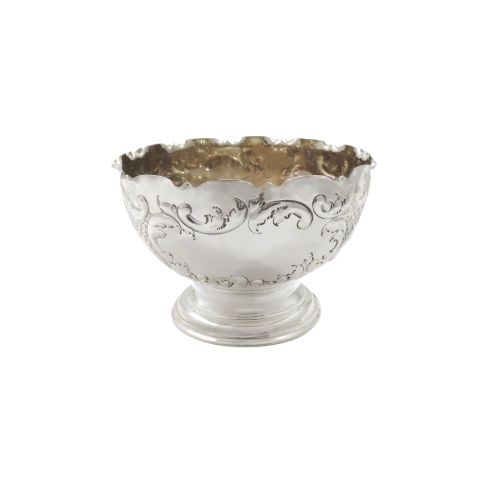
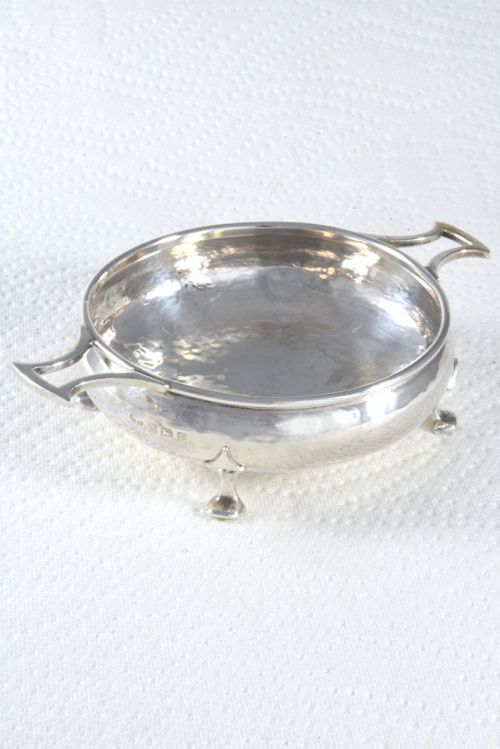
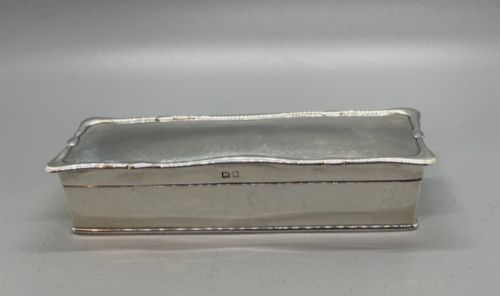
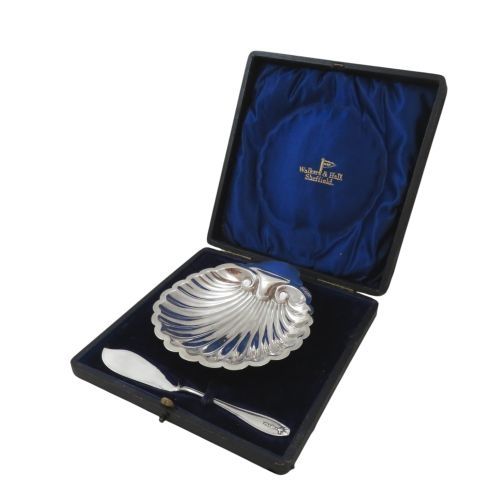
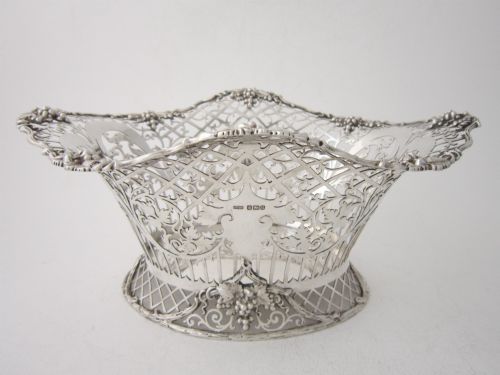
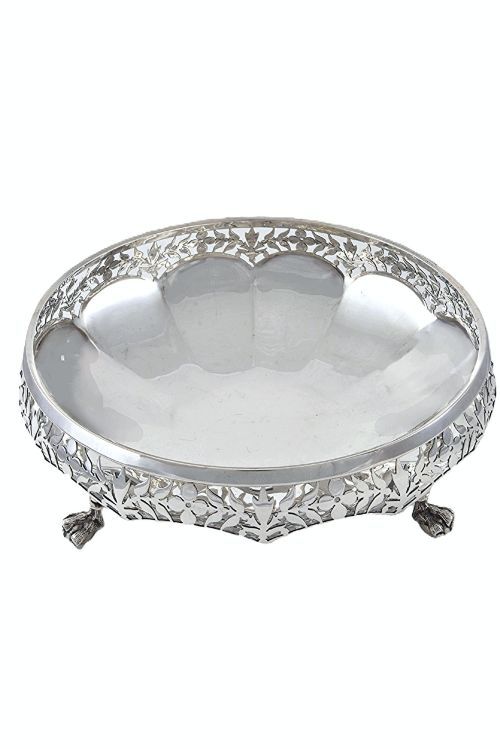
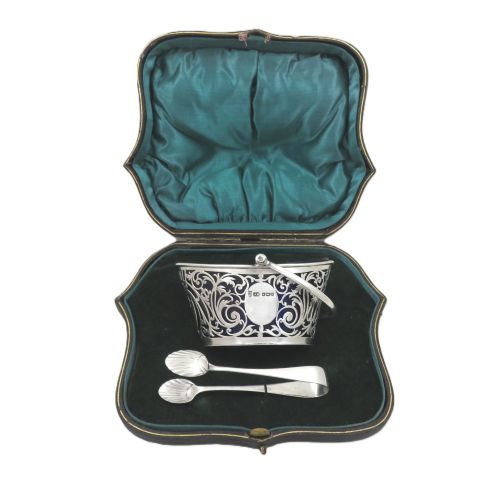
A hallmarked silver dish encompasses a wide variety of domestic and decorative forms, ranging from sweetmeat baskets and bon bon dishes to pin trays, trinket boxes, and butter dishes. Buyers encountering this selection will frequently find Edwardian and Victorian examples alongside later 20th-century pieces.
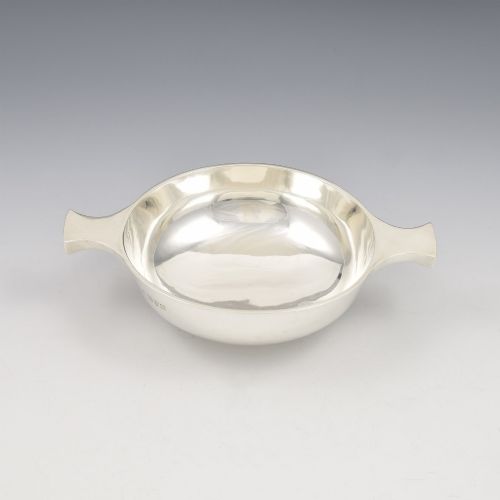
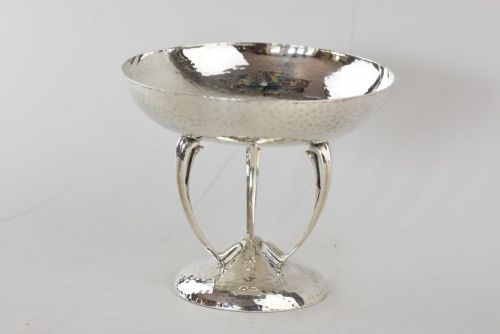
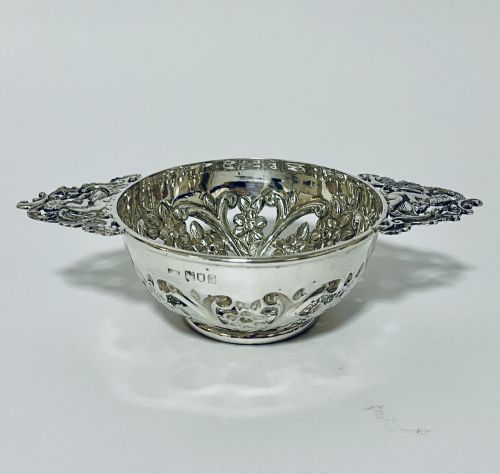
The objects serve multiple purposes, functioning historically as tableware for butter, sugar, and sweets, or as dressing table accessories for pins and jewellery. Pedestal bowls, tazzas, and quaichs appear alongside pierced baskets and shell-shaped dishes.
Origins stretch across British assay offices including London, Birmingham, Chester, and Sheffield, with occasional pieces from further afield such as Norway. The surviving items reflect domestic habits from the nineteenth century through to the mid-twentieth century.
How They Were Made
The primary material is sterling or solid silver, stamped with hallmarks to guarantee metal purity and trace the piece to specific assay offices and makers. Many designs incorporate contrasting media, pairing the silver with glass liners in cobalt blue or cranberry, tortoiseshell, silk, velvet, leather, and enamel.
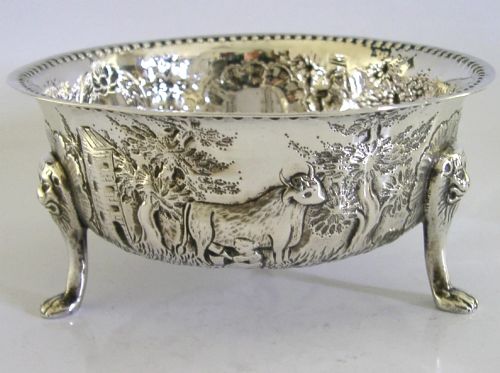
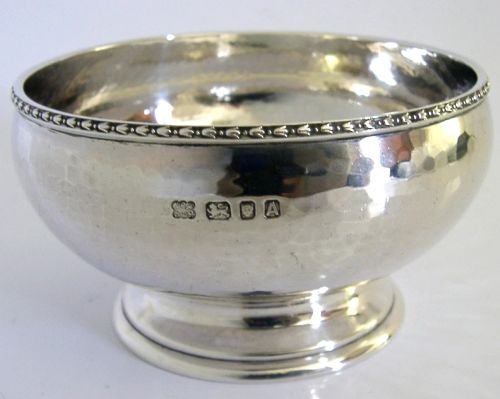
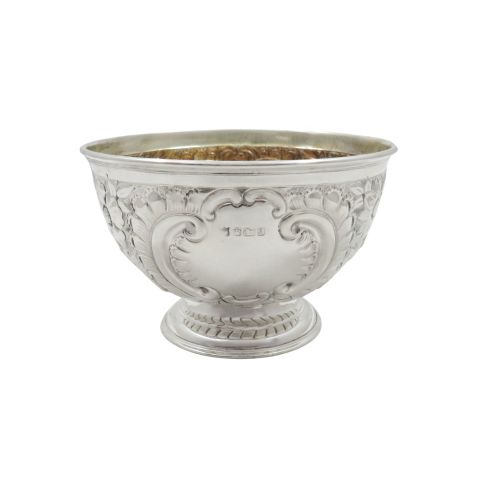
Craftsmen utilised various techniques to shape and decorate the metal, including piercing, hammering, and repoussé work. Arts and Crafts items often show deliberate planished surfaces, whereas Rococo Revival pieces display elaborate floral repoussé ornamentation.
Hallmarked Silver Dish Retail Price Guide 2026
Typical asking prices for hallmarked silver dish among the pieces listed under this phrase on Sellingantiques today, from the lower quarter to the upper quarter. They describe what is for sale here now, not the wider market.
Listings feature solid silver pieces alongside combinations of glass, tortoiseshell, leather, and velvet across Victorian and Edwardian periods.
What Varies in Quality
Quality rests upon the crispness of the repoussé detail, the precision of pierced fretwork, and the overall weight of the metal utilised in the construction. Heavier gauge silver provides a more substantial feel in the hand and resists distortion better over time.
The integrity of secondary materials also dictates standard, such as an undamaged glass liner fitting snugly within a pierced basket, or intact tortoiseshell and enamel panels without chips. Maker attribution to notable silversmiths further elevates a piece within its period.
Nathan and Hayes·Goldsmiths and Silversmiths Company·Robert Pringle and Sons·William Comyns·Peter and Anne Bateman·John Grinsell and Sons·Viners·Theo Fennell·Omar Ramsden·Hamilton and Inches·Mappin and Webb·Elkington
The Hallmarked Silver Dish Glossary
- Hallmark
- Official stamps struck into precious metals to guarantee fineness, identifying the maker, assay office, and year of testing. These marks provide the primary means of dating British silver.
- Repoussé
- A metalworking technique where the silversmith hammers the design from the reverse side to form raised ornamentation on the front. Floral and scroll motifs frequently appear executed in this manner on Edwardian trays.
- Quaich
- A traditional two-handled drinking vessel or shallow bowl originating in Scotland. Examples in silver often feature simple civic or domestic forms with flat lug handles.
- Tazza
- A shallow bowl or saucer supported on a stem and foot, used for serving small items of food. These elevated dishes often showcase decorative piercing or hammered surfaces.
- Bon bon dish
- A small, decorative open vessel designed specifically for holding sweets or confectionary. They frequently appear with pierced sides or swing handles.
Hallmarked Silver Dish: Frequently Asked Questions
What were silver dishes used for?
These pieces served diverse roles in the home, holding butter, sugar, sweets, or small sweetmeats during formal dining. Dressing table variants accommodated pins, trinkets, and cosmetics.
Over time, their functions shifted from practical dining accessories to decorative mantel or cabinet items. Today, they continue to serve as small receptacles for desk or dressing table organisation.
How do I date a silver dish?
Dating relies entirely upon the stamped hallmarks, which include a specific letter code corresponding to the year the item passed through the assay office. Additional duty marks and maker's initials help narrow the timeline further.
Stylistic indicators, such as the sinuous lines of Art Nouveau or the geometric patterns of Art Deco, provide secondary clues to the decade of manufacture.
What are glass liners used for?
Glass liners protected the silver from acidic foods like jams, butter, or mustard, which could stain or corrode the metal over prolonged contact. They also allowed wet or sticky condiments to be served cleanly.
These coloured glass inserts, often seen in cobalt blue or cranberry shades, add visual contrast through pierced silver baskets and sweet dishes.
How should I clean silver dishes?
Maintenance requires mild soapy water and a soft cloth to remove dust and oils without abrading the metal surface. Proprietary silver dips or harsh pastes should be avoided, particularly on pieces with delicate enamel or tortoiseshell.
Regular, gentle polishing with a dedicated silver cloth helps maintain the natural lustre without wearing down raised repoussé details or antique hallmarks.