
Pierced Silver Dish
A pierced silver dish brings intricate metalwork and refined dining to the table, spanning compact bonbon vessels to large centrepieces.
Pierced Silver Dish
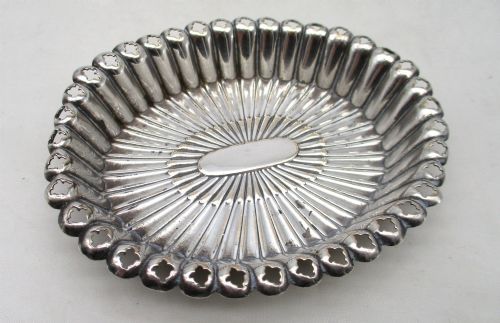
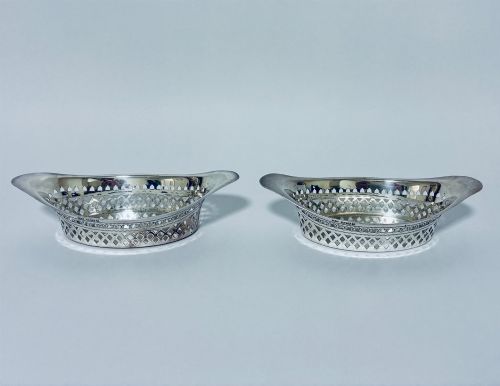
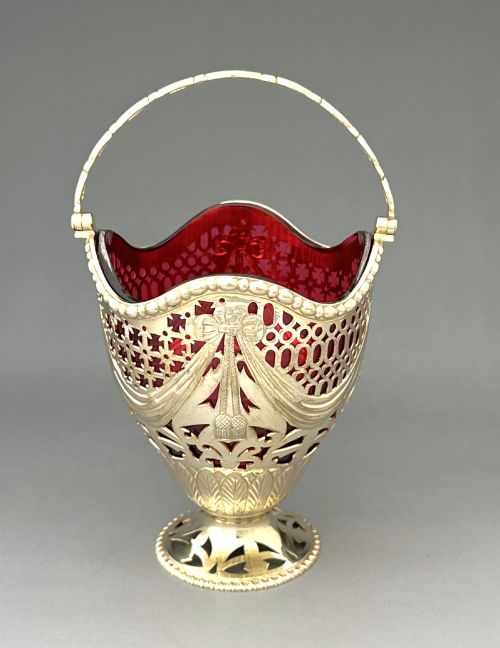
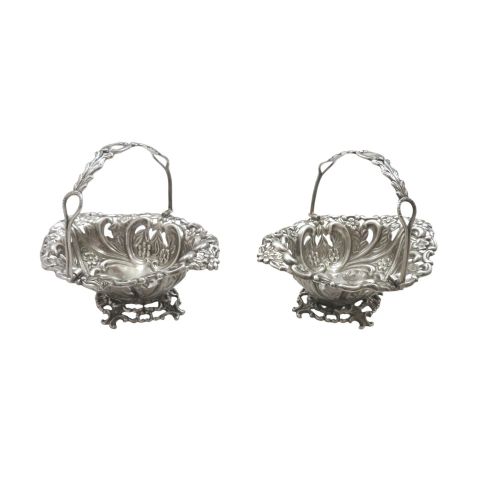
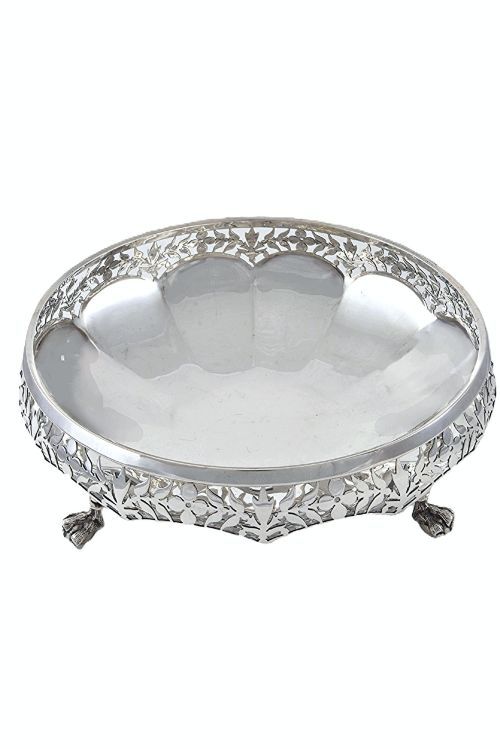
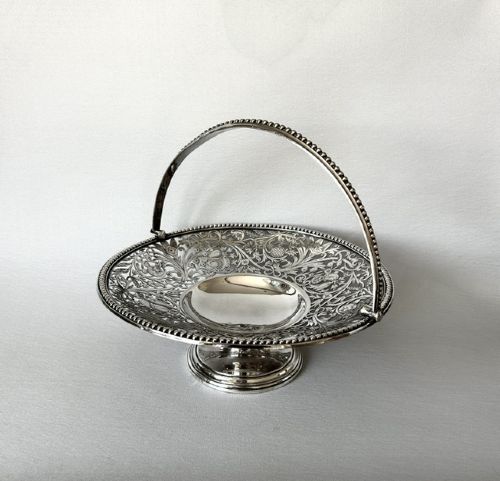
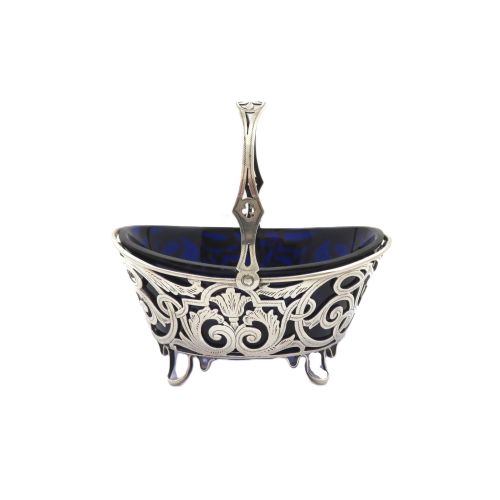
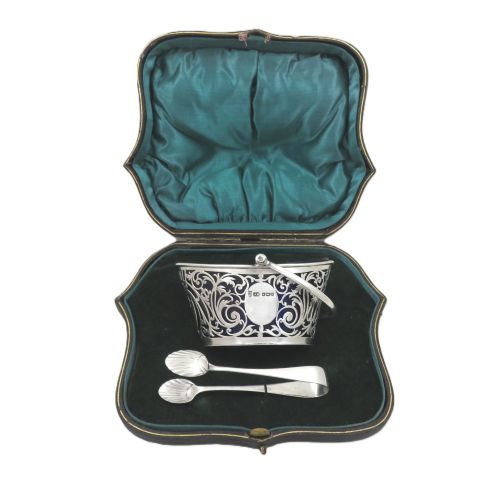
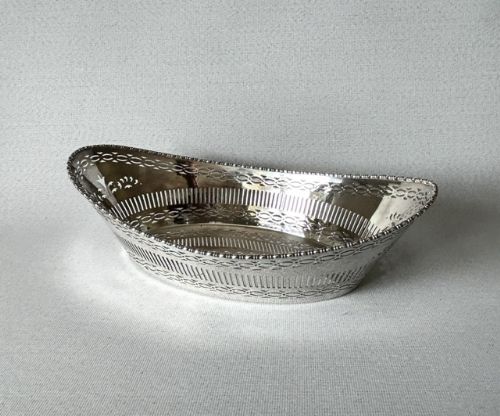
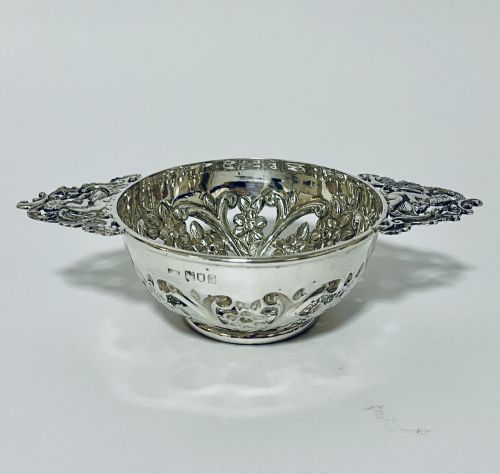
A pierced silver dish encompasses a wide variety of tableware from the Victorian, Edwardian, and George V eras, including sugar baskets, bonbon dishes, and large pedestal bowls. Buyers frequently encounter smaller decorative vessels alongside larger swing-handled baskets designed for fruit or bread.
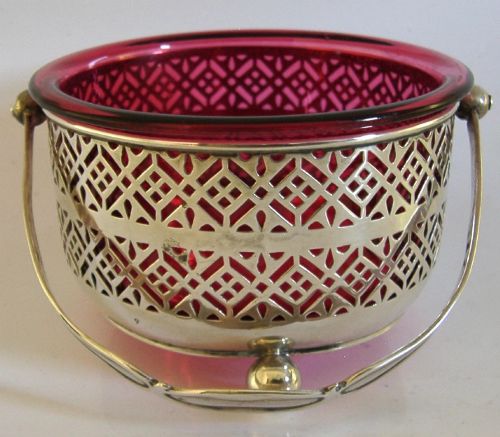
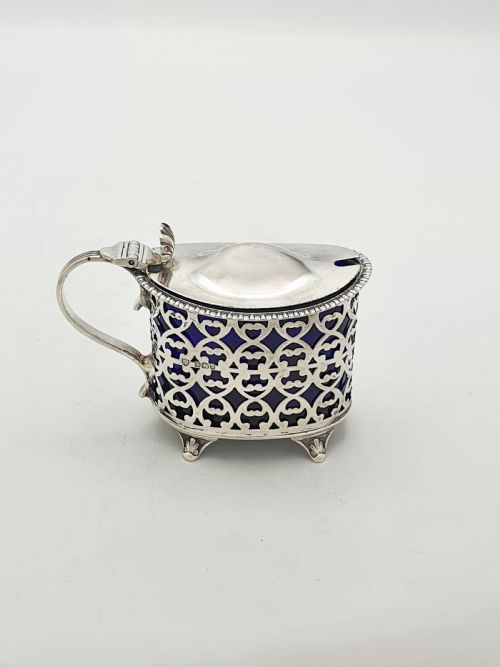
Earlier examples extend back to the eighteenth century with Old Sheffield plate and Georgian pieces, while later items reach into the art deco period of the nineteen twenties and thirties. Many of these items include coloured glass liners in cobalt, cranberry, or ruby hues.
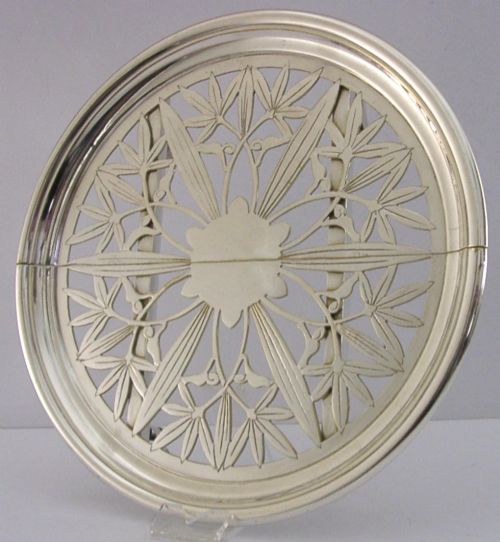
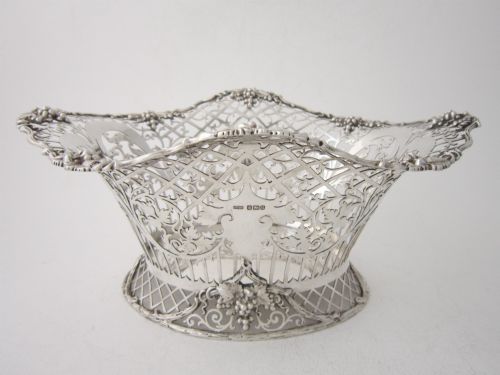
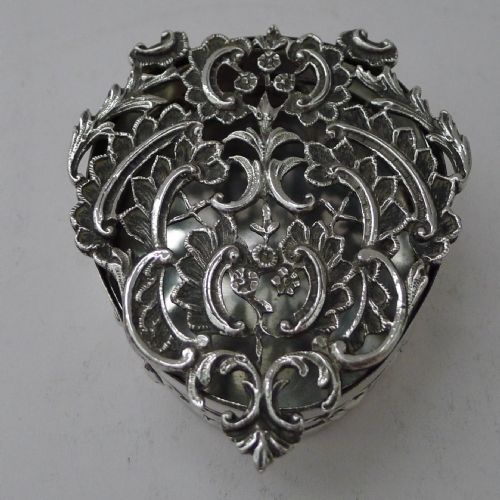
The objects function as both utilitarian table service and decorative display pieces, often featuring openwork patterns such as lattice, scrolls, or spider webs. Shell forms and heart-shaped trinket dishes also appear regularly across the different periods represented.
Materials and Techniques
The primary material is sterling silver, accompanied by silver plate, EPNS, and old Sheffield plate over a base metal core. Pewter and silver gilt also feature in specific historical iterations.
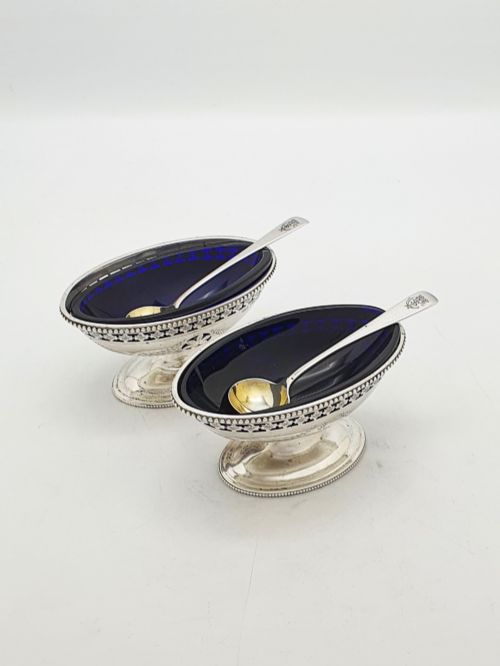
Makers utilised piercing techniques to cut decorative apertures into the metal sheet, often combining this with cast handles, applied rims, and chased detailing. Blow-in glass liners, particularly cobalt and cranberry glass, were frequently fitted to pierced baskets and salt cellars.
Assay office hallmarks stamped on sterling pieces record the origin city such as London, Birmingham, Sheffield, or Chester, alongside the date letter for the year of manufacture.
Pierced Silver Dish Retail Price Guide 2026
Typical asking prices for pierced silver dish among the pieces listed under this phrase on Sellingantiques today, from the lower quarter to the upper quarter. They describe what is for sale here now, not the wider market.
Spider web piercing patterns demonstrate that silversmiths found inspiration in arachnid architecture.
Distinctions in Quality
Quality rests upon the crispness of the pierced fretwork and the weight of the metal utilised in the body and handle. Substantial gauge silver provides rigidity to large centrepieces and baskets, preventing distortion along the pierced rims.
The integration of original coloured glass liners, whether cobalt, cranberry, or ruby, elevates the completeness of the piece. Finer examples display meticulous hand-chased engraving and cast structural elements rather than purely stamped or machine-cut production.
William Comyns·Mappin And Webb·Elkington·Fenton Brothers·John Hunt
The Pierced Silver Dish Glossary
- Pierced
- Metalwork perforated with decorative patterns or openwork designs using saws or punches. This technique defines the visual lightness of the dish.
- Bonbon dish
- A small vessel intended for holding sweets or confectionery. These often feature swing handles or footed pedestals.
- Swing handle
- A movable arched handle attached to the sides of a basket or dish by pivot pins. It allows easy access to the contents.
- Silver gilt
- Silver covered with a thin layer of gold on the interior or exterior surfaces. This technique adds warmth and protects against tarnishing.
- Old Sheffield plate
- A composite material formed by fusing a sheet of silver to a copper base. It represents an early precursor to standard electroplating.
Pierced Silver Dish: Frequently Asked Questions
What were pierced silver dishes used for?
These vessels held sweetmeats, bonbons, sugar, fruit, and bread during formal dining and drawing room service. Many accommodated coloured glass liners to serve liquids or moist foods safely.
Over time, smaller versions transitioned into decorative trinket trays and pin dishes for dressing tables. Their openwork design prioritised aesthetic display alongside practical containment.
How do I date a silver dish?
British sterling pieces carry hallmarks that include assay office marks, maker initials, and date letters corresponding to specific years. Comparing the style of the piercing and the form helps narrow down unhallmarked or plated items.
Victorian and Edwardian pieces often display distinct floral or neoclassical revival motifs typical of their respective decades.
How should I clean pierced silver?
Warm water, mild soap, and a soft brush remove dust and tarnish from the intricate pierced apertures without damaging the metal. Avoid abrasive dips that can strip away desirable patination or damage glass liners.
Dry the piece thoroughly with a soft cloth immediately after washing to prevent water spots.
Are glass liners original?
Original glass liners fit snugly into the internal contours of the pierced basket or dish without excessive movement. Cobalt, cranberry, and ruby glass liners were blown specifically for these silver frames during production.
Replacements often differ slightly in thickness or hue compared to period manufacturing standards.
What is Old Sheffield plate?
Old Sheffield plate is an early fusion material created by melting a layer of silver onto a copper ingot before rolling them into sheets. This technique predates nineteenth-century electroplating methods.
Edges may reveal a subtle line where the copper base metal shows beneath the silver layer.