


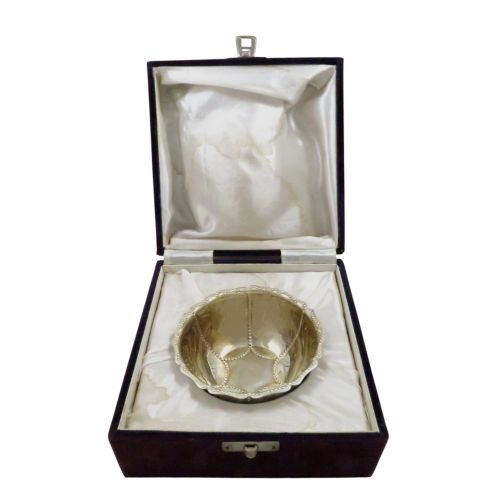
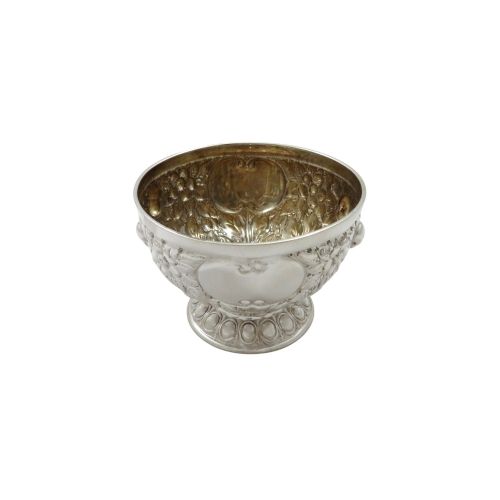
Antique Silver Centerpiece
An antique silver centerpiece brings dramatic focal weight to a dining table through elaborate tiers, baskets, and candelabra frames.
Antique Silver Centerpiece
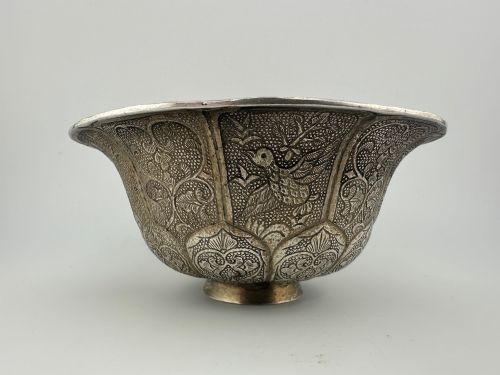
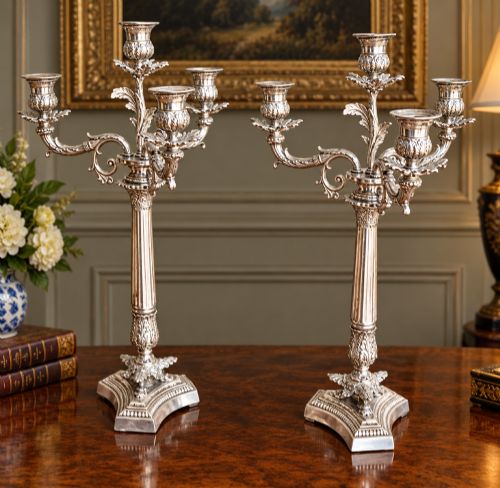
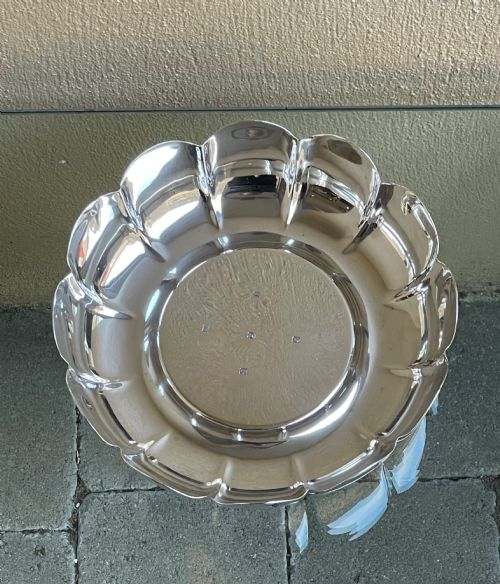
An antique silver centerpiece encompasses large decorative vessels, fruit baskets, epergnes, and multi-light candelabra designed to command the middle of a formal dining table. The selection spans structural Victorian silver plate, Edwardian sterling bowls, and Georgian Sheffield pieces.
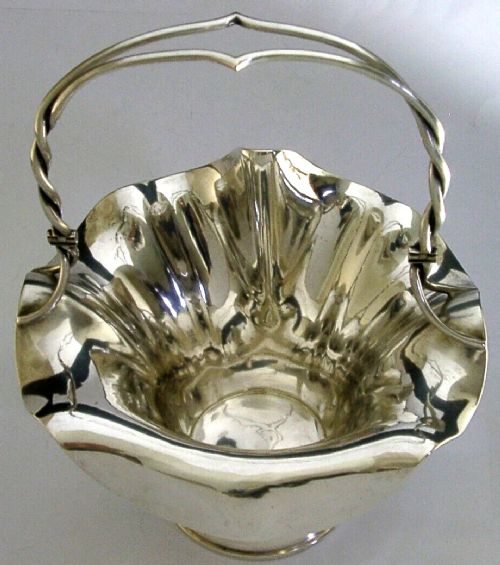
Buyers frequently encounter substantial silver-plated and cut glass combinations from the nineteenth century alongside solid sterling iterations from the late Victorian and Edwardian periods. Architectural forms range from Neoclassical tazze and pierced fruit baskets to branching candelabra suites.
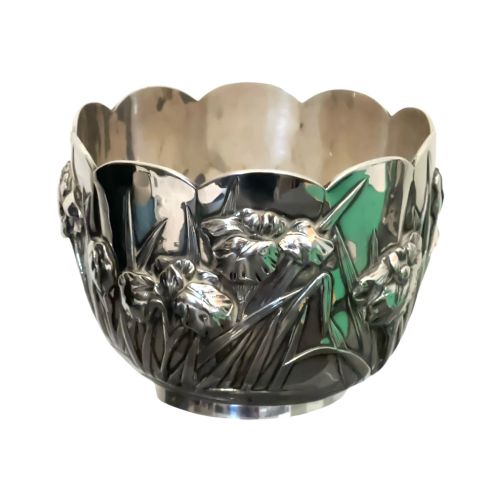
Origin points encompass prominent English workshops alongside Anglo-Indian, Japanese Meiji, and continental makers, reflecting diverse global tastes in table ornamentation across the eighteenth, nineteenth, and twentieth centuries.
Materials and Techniques
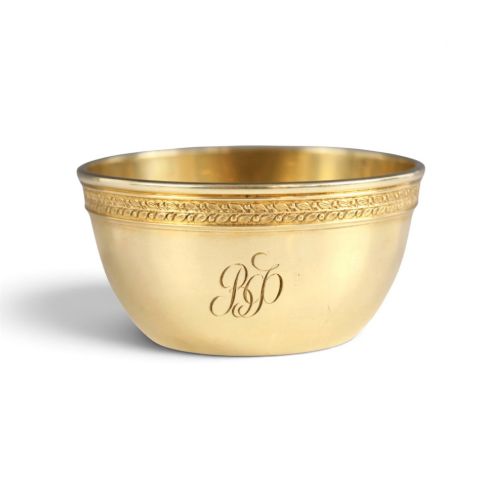
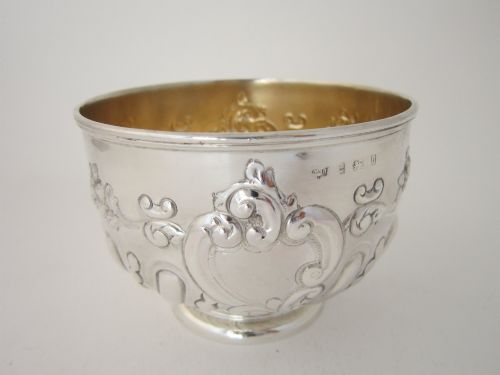
Construction relies heavily on sterling silver, silver plate, and Old Sheffield Plate formed over copper or electroplated nickel silver bases. Many structural framework designs incorporate applied silver-gilt, solid cast components, and hand-beaten planished surfaces.
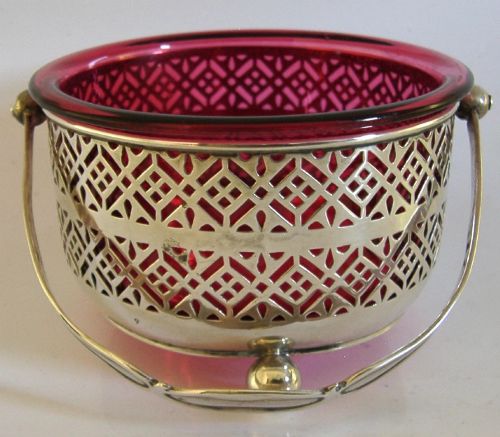
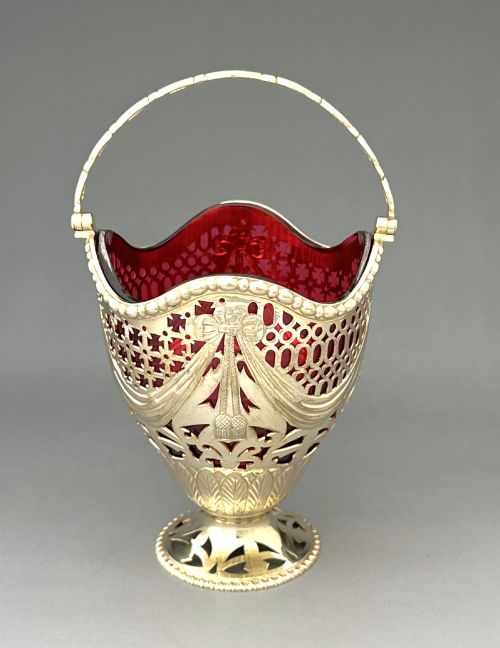
Glass integration is widespread, featuring cut crystal, engraved glass liners, and coloured cranberry glass insert bowls held securely within pierced or swing-handled metal baskets. Artisans utilised casting, chasing, piercing, and hammering techniques to achieve ornate floral, figural, and geometric motifs.
Antique Silver Centerpiece Retail Price Guide 2026
Typical asking prices for silver centerpiece among the pieces listed under this phrase on Sellingantiques today, from the lower quarter to the upper quarter. They describe what is for sale here now, not the wider market.
Listings feature structural materials including sterling silver, silver plate, copper, electroplated nickel silver, silver-gilt, and cranberry glass.
Assessing Quality
Quality rests upon the crispness of the chased or pierced ornamentation and the architectural harmony of multi-component suites like candelabra and epergnes. Superior examples display substantial weight, secure joints, and finely detailed figural elements rather than mass-produced uniformity.
The integration of secondary materials dictates overall refinement, separating standard plated wares from heavy sterling or silver-gilt pieces featuring bespoke cut crystal liners and documented maker signatures.
Garrard And Co·Goldsmiths And Silversmiths Company·Liberty And Co·Elkington·Stephan Wekeva
The Antique Silver Centerpiece Glossary
- Candelabra
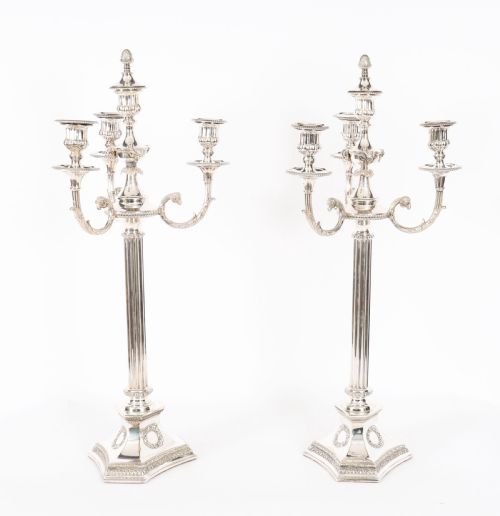
- A branched candlestick holder designed to support multiple candles simultaneously. These fixtures often form the upper tier of grand table arrangements.
- Epergne
- An ornamental centrepiece featuring a central bowl surrounded by smaller hanging baskets or arms. They served fruits, sweetmeats, or flowers at formal meals.
- Tazza
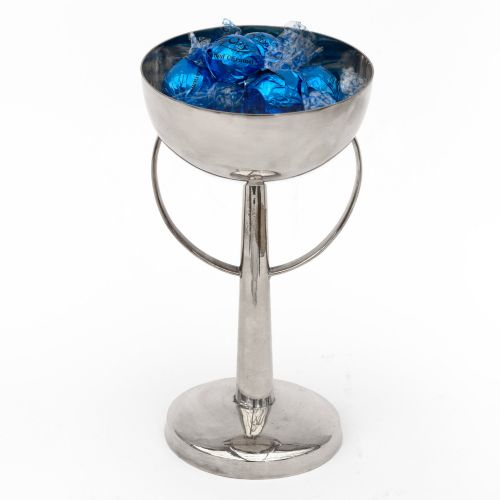
- A shallow bowl or dish mounted upon a central stem and footed base. This ancient form was revived extensively during the nineteenth and twentieth centuries.
- Old Sheffield Plate
- A composite material formed by fusing a thin sheet of silver to a thicker copper core. The technique predates electroplating and produces a distinct warm lustre.
- Planishing
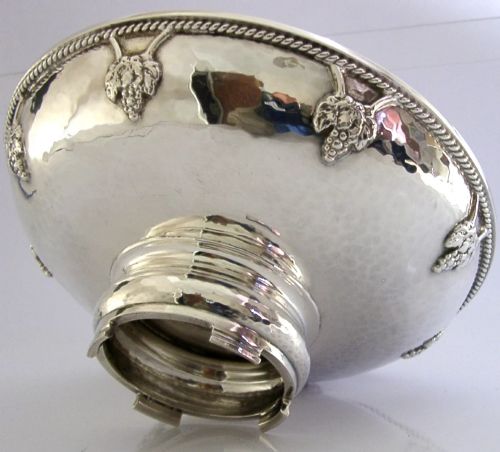
- A metalworking technique involving light hammering with a flat-faced tool to smooth the surface and create subtle facets. Arts and Crafts silversmiths utilised this method extensively.
Antique Silver Centerpiece: Frequently Asked Questions
What is an antique silver centerpiece used for?
These large ornamental pieces anchor the centre of a dining table during formal meals. They traditionally held fruit, sweetmeats, or flowers while providing elevated illumination through attached candelabra branches.
Over time, they evolved from purely functional dining equipment into monumental decorative statements showcasing elite metalwork and glass artistry.
How do I tell sterling silver from silver plate?
Sterling silver items typically bear official hallmarks indicating the silver standard, such as the lion passant for British manufacture. Silver-plated pieces rely on a base metal like copper or nickel silver underneath a thin exterior layer of pure silver.
Examining high-wear areas can reveal the underlying base metal showing through the silver coating on plated examples.
How should I clean glass liners?
Removable glass liners and cut crystal bowls should be lifted out carefully and washed by hand in lukewarm water using mild detergent. A soft cloth prevents scratching the antique glass surface during drying.
Harsh chemical immersion and abrasive scourers must be avoided to protect both the glass and any delicate engraved detailing.
What styles are common in these centerpieces?
Victorian and Edwardian designs dominate the marketplace, featuring ornate Neoclassical motifs, scrolling foliage, and figural supports. Earlier Georgian pieces display restrained classical symmetry.
Later Arts and Crafts and Art Nouveau examples introduce hand-hammered textures, organic plant forms, and simplified geometric silhouettes.