
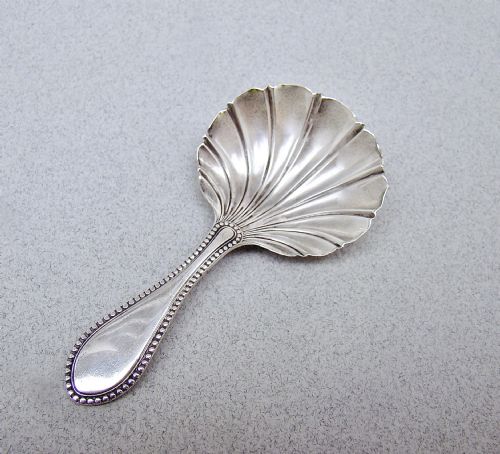
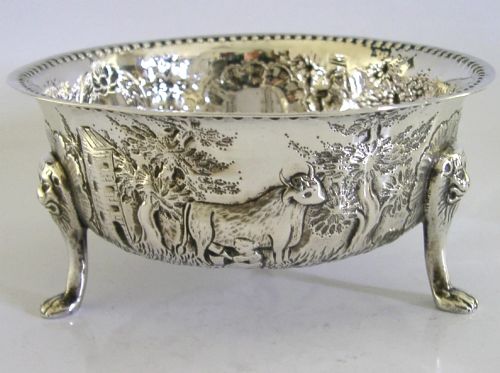
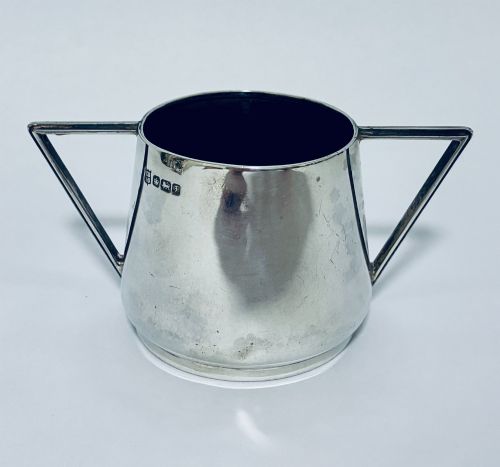
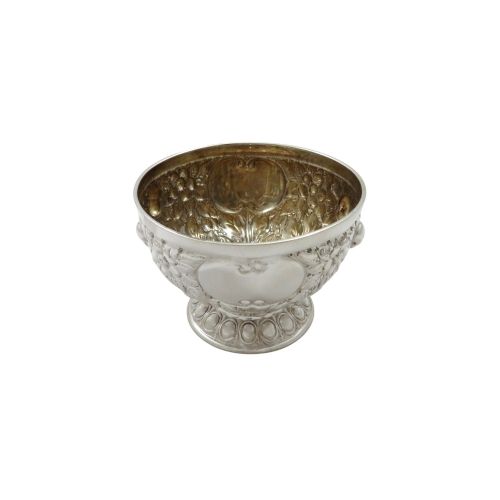
Hallmarked Silver Bowl
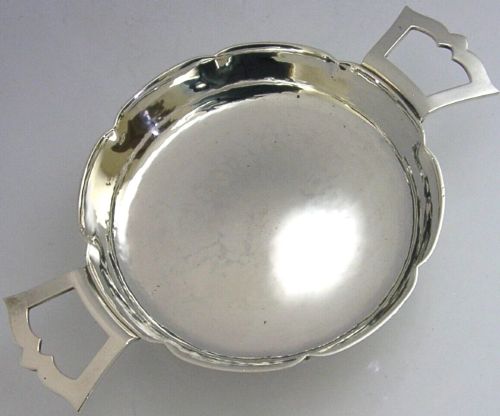
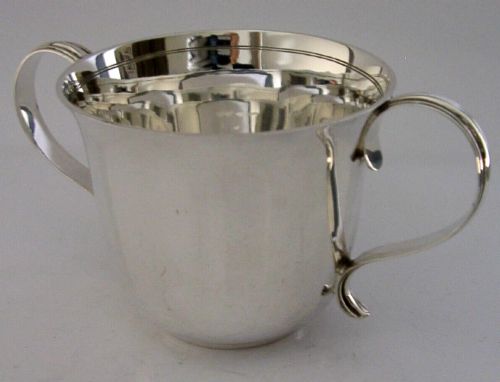
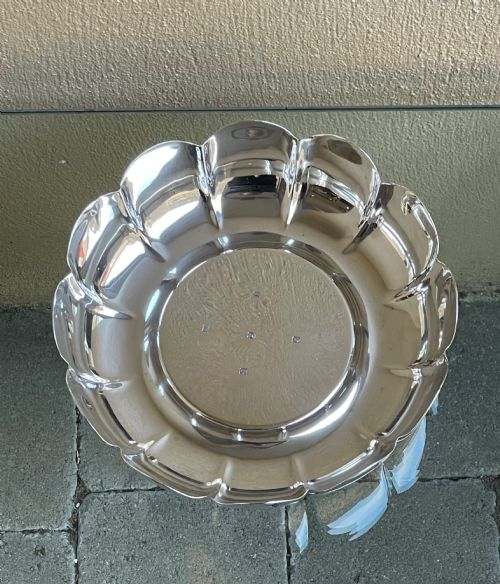
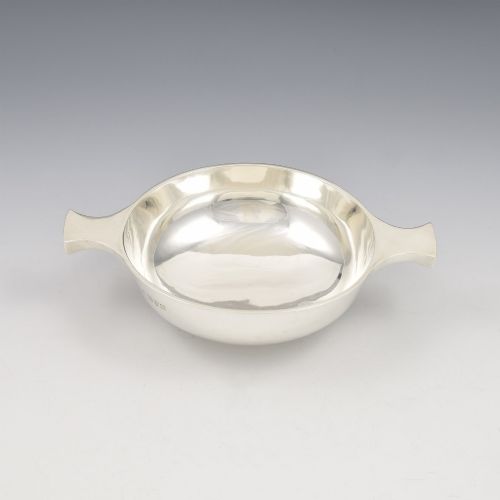
A hallmarked silver bowl brings tactile weight and official assay marks to a table, offering solid metal shaped for fruit, sugar, or display.

What hallmarked silver bowls are
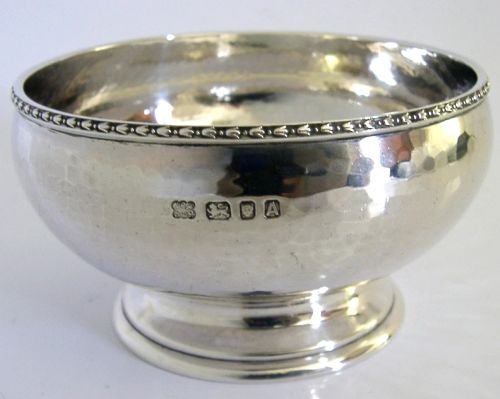
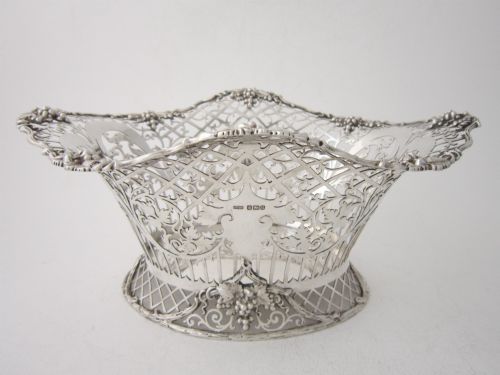
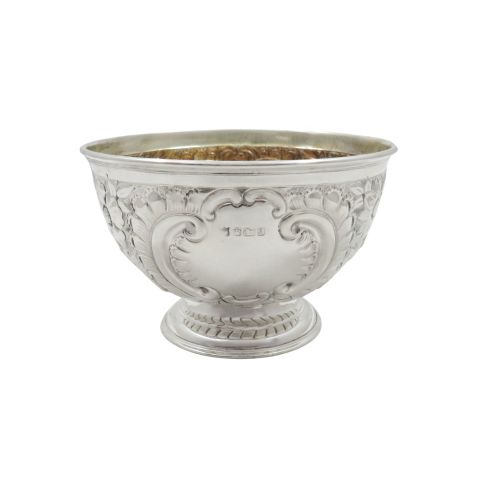
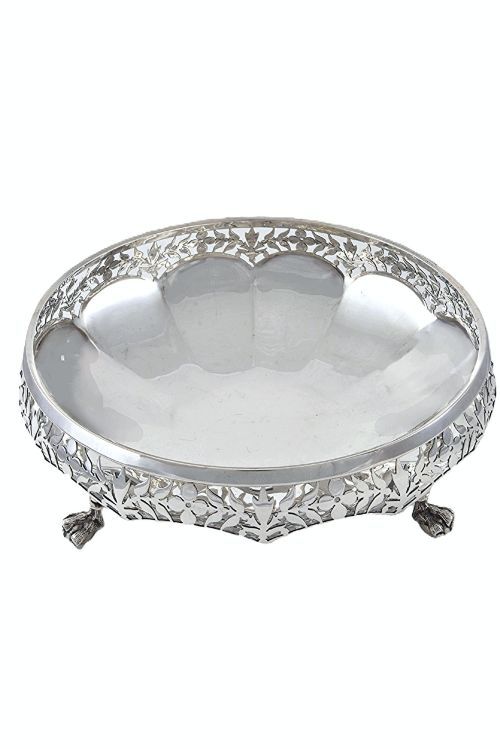
When you search for a hallmarked silver bowl, you encounter vessel forms shaped for domestic use, from small sweet and sugar bowls to large fruit baskets and rose bowls. The material is solid sterling silver, stamped with official assay marks that verify its metal standard.
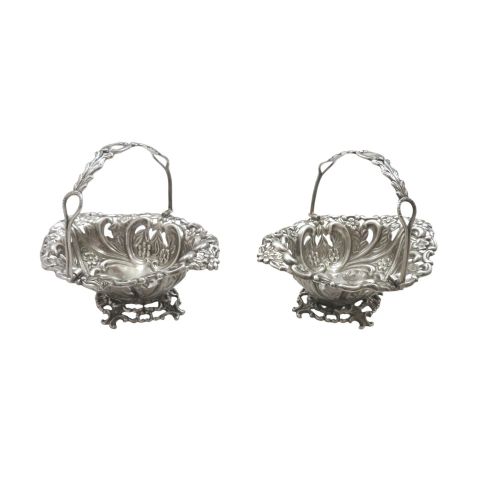
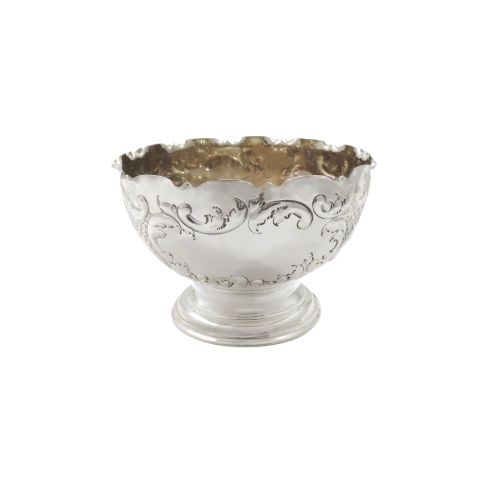
The pieces appearing on this page span the Victorian period, including footed vessels, pierced baskets, and table centerpieces. These objects combine functional utility with metalworking styles typical of the late nineteenth century.
What varies in quality
Quality in these pieces rests on the weight of the sterling silver, the precision of any pierced or embossed detailing, and the clarity of the town marks, date letters, and maker's stamps. Substantial gauge metal and crisp, hand-finished ornament distinguish superior examples from lighter productions.
The integrity of the form, whether standing on a foot or featuring decorative mounts and handles, determines the overall balance and presence of the bowl on a table.
Retail Price Guide 2026
Typical UK retail prices for hallmarked silver bowl, calculated from the Sellingantiques database of over a million retail prices indexed since 2003. This retail price guide relies exclusively on Sellingantiques data; no external sources or auction records are used, so the figures do not describe the wider market.
Some Victorian silver bowls come with original blue glass liners, adding a flash of cobalt beneath pierced silver scrollwork.
Elkington & Co·A E Jones·Charles Edwards·James Deakin·Robert James Chaplin & Sons·A L Davenport Ltd·Z Barraclough & Sons·Walker & Hall·Emile Viner·Cooper Brothers·S Blanckensee & Sons Ltd·Atkin Brothers·Nathan & Hayes·John Smyth
The Hallmarked Silver Bowl Glossary
- Hallmark
- A series of official stamps applied to precious metal items to guarantee the purity of the silver, the maker, and the year of assay.
- Sterling silver
- A silver alloy containing 92.5 percent silver by mass, which forms the standard material for these bowls.
- Rose bowl
- A specialised bowl form featuring a pierced metal lid or flower grid, designed specifically for holding short-stemmed rose blooms.
- Pierced decoration
- An ornamental technique where metal is cut through to create openwork patterns, frequently seen on baskets and sweet bowls.
- Assay office
- The official organisation responsible for testing the purity of precious metals and applying hallmark stamps.
Frequently Asked Questions
What is a hallmarked silver bowl used for?
These bowls serve multiple domestic purposes depending on their specific form, ranging from holding fruit, sugar, or sweetmeats to acting as decorative centerpieces on a table.
Larger variations like rose bowls accommodate floral arrangements, while smaller footed or handled versions function as decorative display objects.
How do I read the hallmarks on a silver bowl?
Hallmarks typically consist of a standard mark indicating sterling silver, a maker's mark showing who produced the piece, and a date letter corresponding to a specific assay office year.
Additional symbols indicate the city where the testing occurred, such as the leopard's head for London or the anchor for Birmingham.
How do I clean a sterling silver bowl?
Cleaning requires a soft microfiber cloth and a dedicated silver polish applied gently to remove tarnish without abrading the surface or softening the hallmarks.
Avoid harsh chemical dips that can strip the natural depth from engraved or embossed details on Victorian metalwork.
Can I use an antique silver bowl for food?
Solid sterling silver is safe for dry foods and fruits, though acidic items should not be left in contact with the metal for extended periods.
Bowls equipped with original glass liners provide a protective barrier for serving items that might otherwise react with the silver.