





Late Victorian Silverware
Late victorian silverware brings domestic dining tables solid sterling silver and silver gilt forms spanning the final decade of the nineteenth century.

Late Victorian Silverware
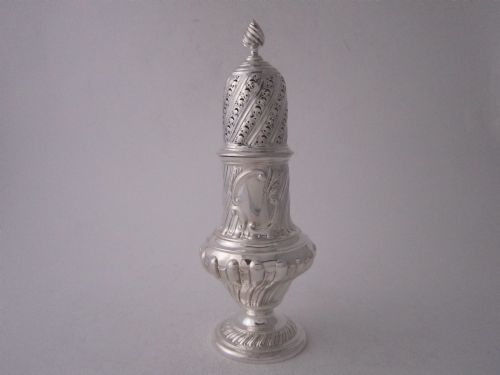
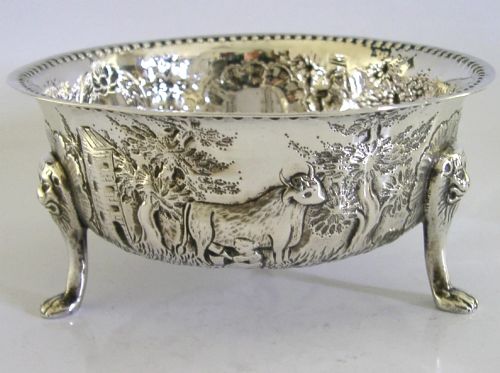
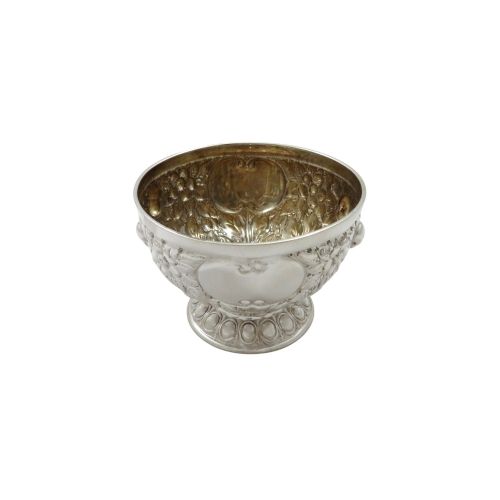
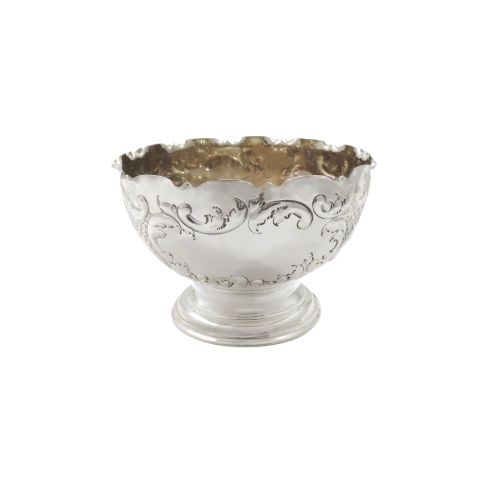
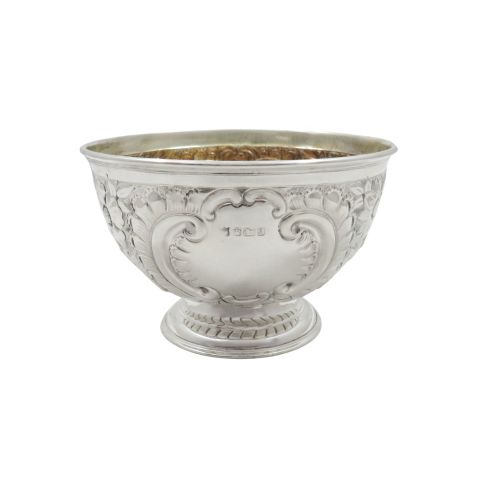
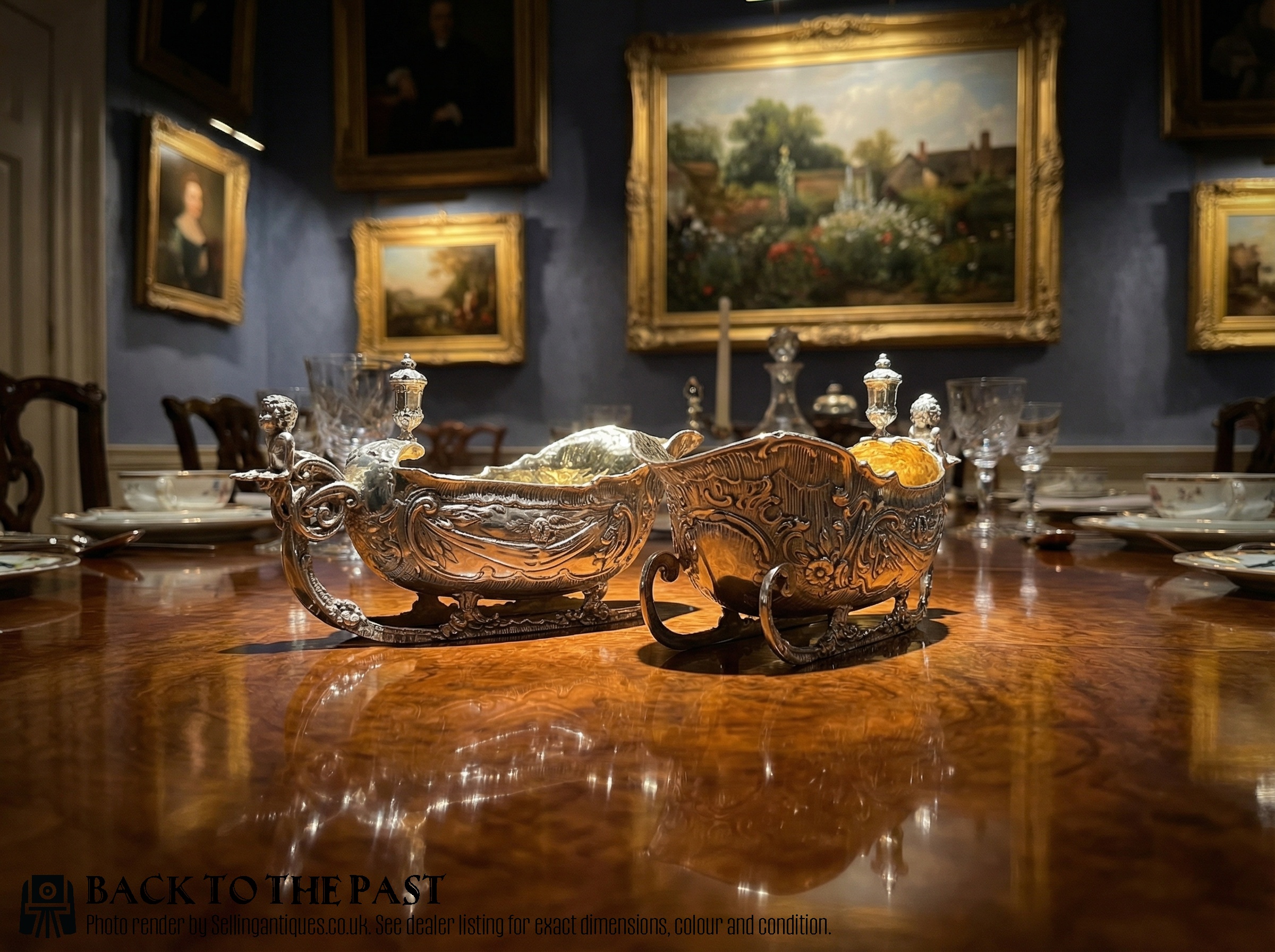
Late victorian silverware encompasses decorative and functional table objects shaped during the closing years of the nineteenth century. Buyers seeking late victorian silverware will encounter sterling silver bowls, sauce boats, napkin rings, teapots, and sugar casters originating from the eighteen nineties.
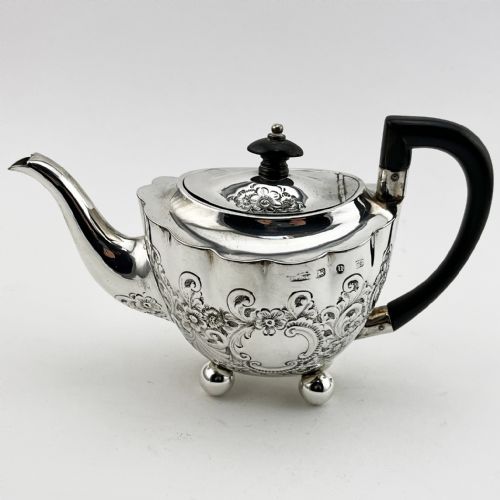
The selection ranges from bachelor teapots and pedestal bowls to cased napkin rings and sugar nips. Pieces from this era frequently adopt traditional Victorian styling alongside Georgian revival motifs.
Examples on this page include specific dated items from eighteen ninety-two through nineteen hundred. Domestic tableware forms dominate the selection, alongside specialised serving items like tea caddies and pepper pots.
Materials and construction methods
Makers shaped late victorian silverware primarily from sterling silver, supplemented by silver plate, silver gilt, enamel, and glass components. Selected items incorporate secondary elements such as velvet, ebonised wood, and base metals.
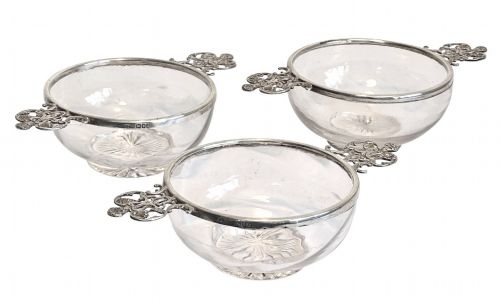
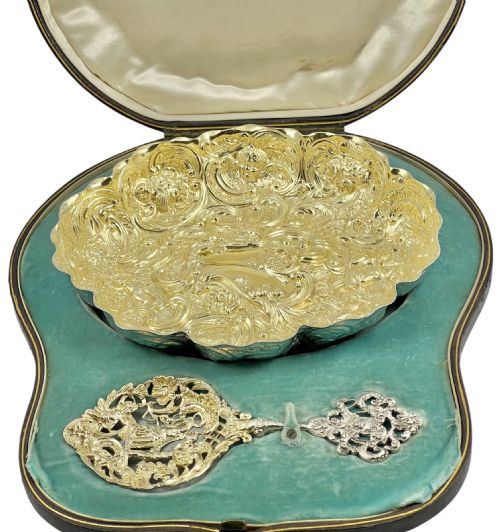
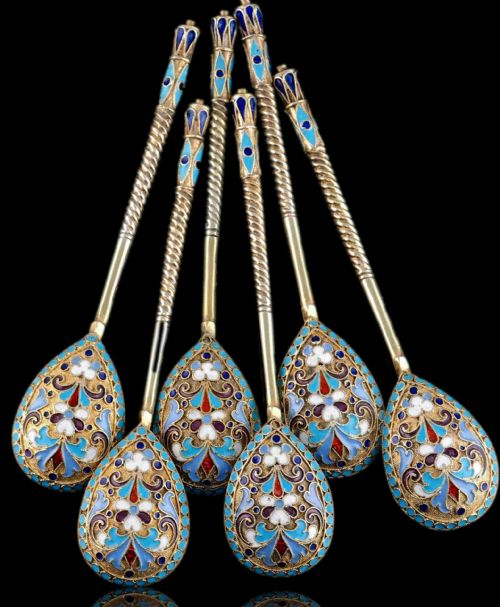
Silversmiths employed techniques like cloisonne enamel work on Russian items and gilding on cased sugar bowls. Glass bowls received sterling silver mountings, while other domestic vessels utilised pedestals and cast feet.
Late Victorian Silverware Retail Price Guide 2026
Typical asking prices for late victorian silverware among the pieces listed under this phrase on Sellingantiques today, from the lower quarter to the upper quarter. They describe what is for sale here now, not the wider market.
Listings feature sterling silver, silver plate, silver gilt, enamel, and glass applied to bowls, sauce boats, and napkin rings from eighteen ninety to nineteen hundred.
Distinctions in craftsmanship
Quality in late victorian silverware rests upon the crispness of chased decoration and the weight of the silver. Substantial gauge metal and secure construction distinguish superior serving vessels and bowls.
Named makers like William Comyns or Dmitrii Nikolaevich Nikolaev demonstrate heightened artistry through careful proportion and refined surface finish. Presentation in original fitted cases further elevates specific napkin rings and sugar sets.

William Comyns·Dmitrii Nikolaevich Nikolaev
The Late Victorian Silverware Glossary
- Sterling silver
- A silver alloy containing ninety-two point five percent pure silver by mass. This material forms the primary body of standard Victorian tableware.
- Silver gilt
- Silver objects that have been coated with a thin layer of gold on the surface. This technique provides a rich interior or exterior finish to bowls and spoons.
- Cloisonne
- An enamelling technique where decorative compartments are created by soldering flat metal wires to a metal base. Russian makers applied this method to silver spoons.
- Sugar caster
- A perforated tabletop vessel utilised for sprinkling sugar onto food. These tall receptacles date frequently to the eighteen nineties.
- Bachelor teapot
- A small tea pot designed to brew a single cup or two of tea. These compact vessels appear within late nineteenth century domestic silver.
Late Victorian Silverware: Frequently Asked Questions
How can I date late victorian silverware?
Dating relies heavily upon hallmarks stamped directly into the metal by official assay offices. These marks typically indicate the year of manufacture, the city of assay, and the silversmith's mark.
Pieces on this page carry specific dates spanning from eighteen ninety-two to nineteen hundred. Examining these stamped marks provides accurate chronological placement for each object.
How were silver gilt items used?
Silver gilt objects featured a thin layer of gold applied over the silver base to enhance appearance and protect the metal. These items often served specialised dining functions such as housing sugar.
Cased sugar bowls with matching spoons received this golden finish for display and formal service. The technique adds warmth and contrast to the underlying silver.
What is a bachelor teapot?
A bachelor teapot is a scaled-down tea pot designed for individual use rather than family gatherings. These compact vessels emerged as popular domestic silver items during the late nineteenth century.
They offer the same craftsmanship as larger teapots while accommodating single-portion brewing. Collectors find them alongside standard tea caddies and cream jugs.