

Antique Glass Tableware
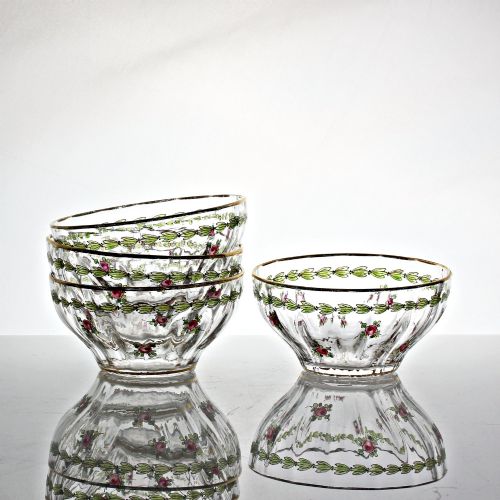
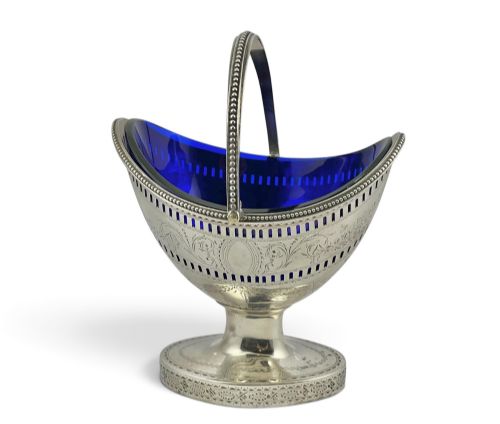
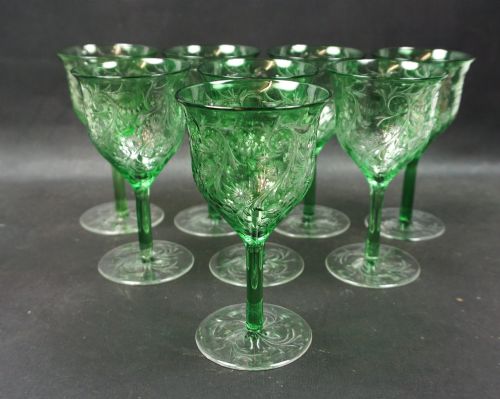
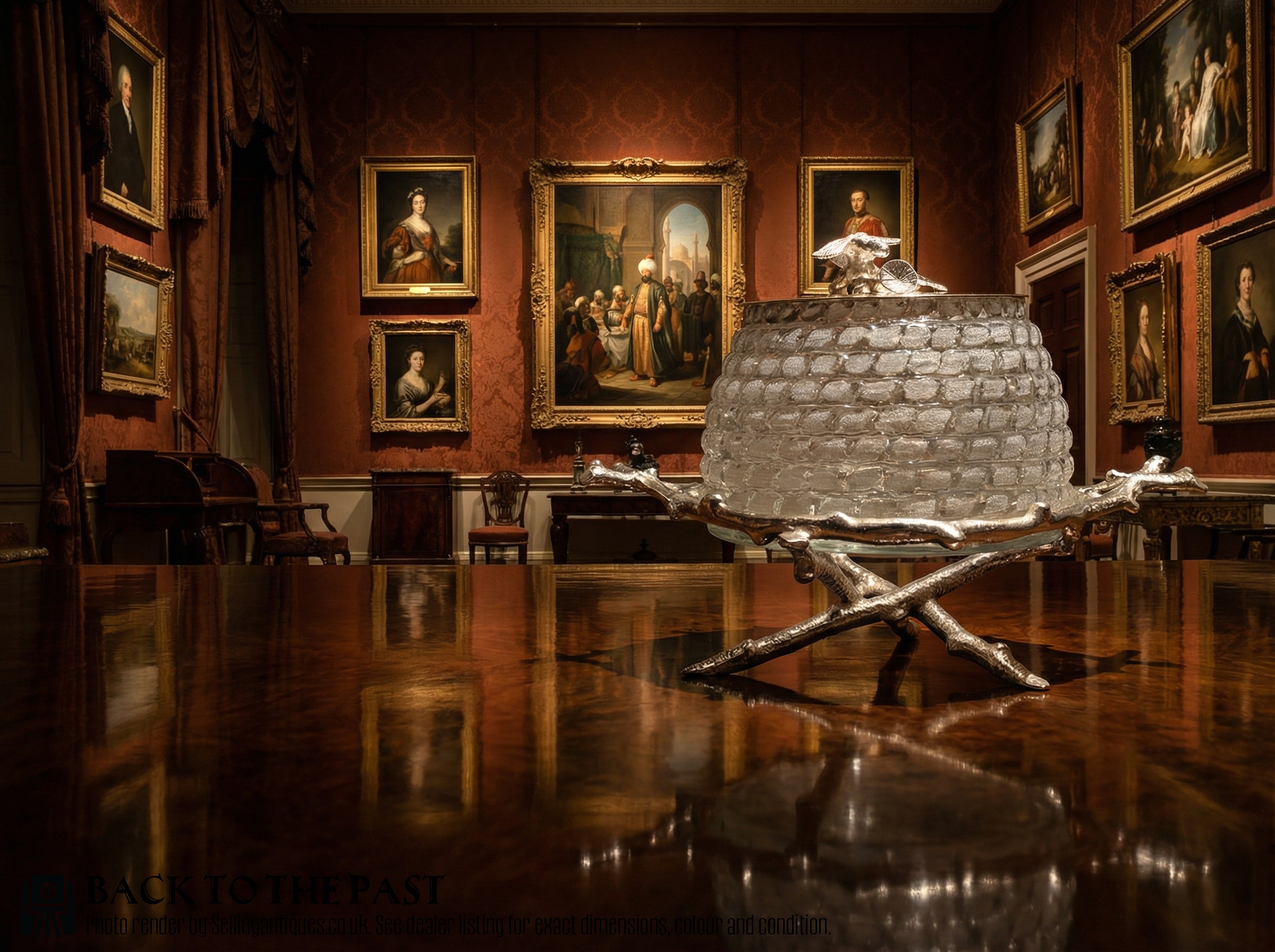
These antique glass tableware pieces bring domestic utility into focus through cut crystal, coloured glass and sterling silver mountings.
Antique Glass Tableware
When you search for antique glass tableware, you encounter functional dining items produced across the Victorian, Edwardian and Georgian eras.
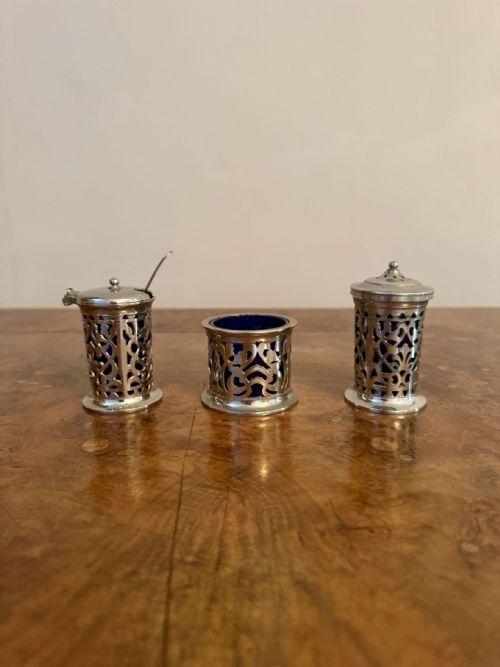
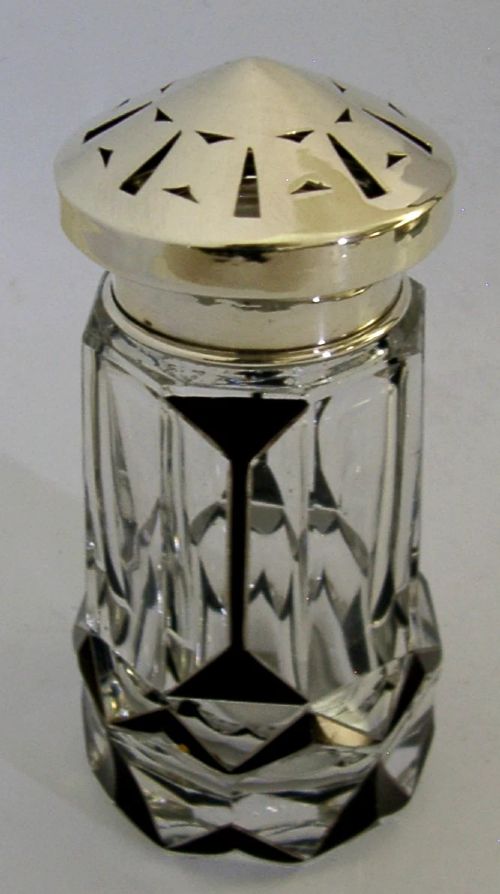
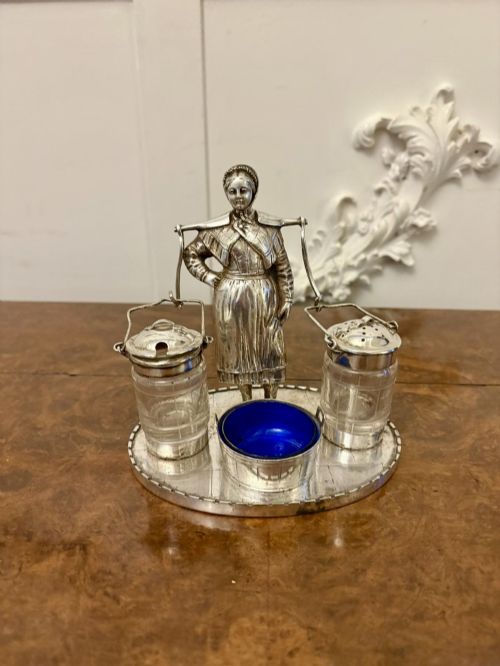
The selection most frequently comprises salt cellars, condiment sets, mustard pots and biscuit barrels fitted with glass liners.
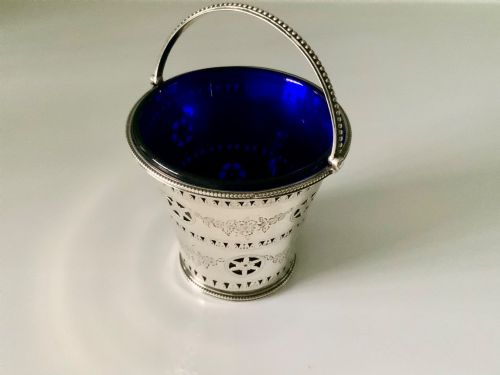
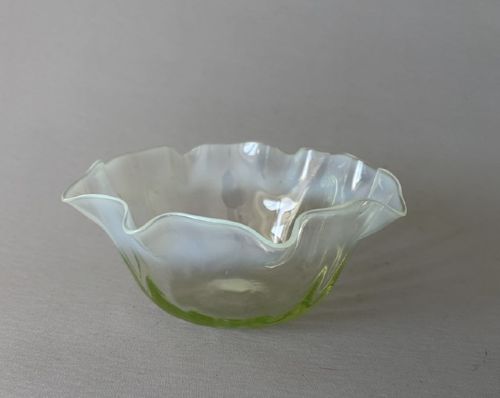
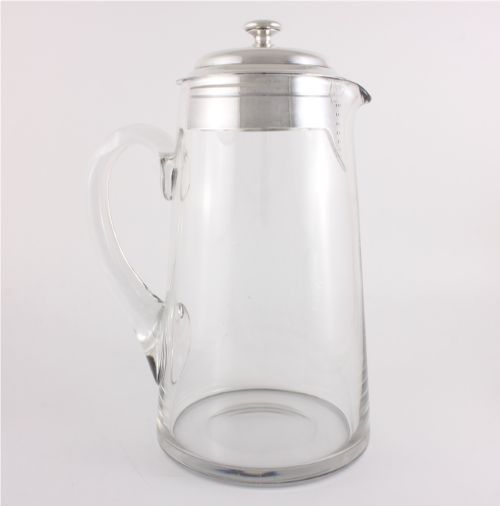
Pieces integrate clear lead crystal or coloured glass with sterling silver and silver-plated mounts.
How they were made
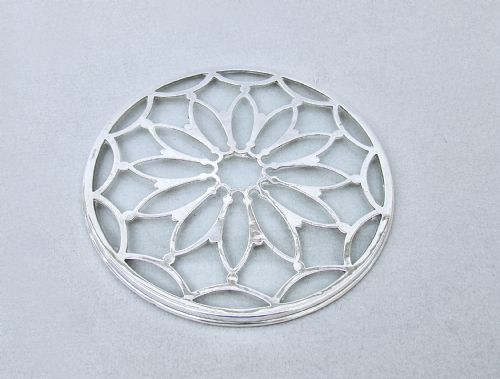
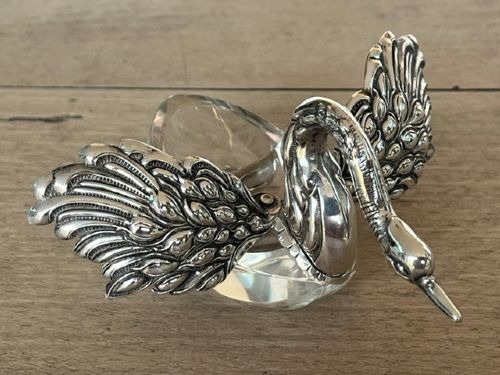
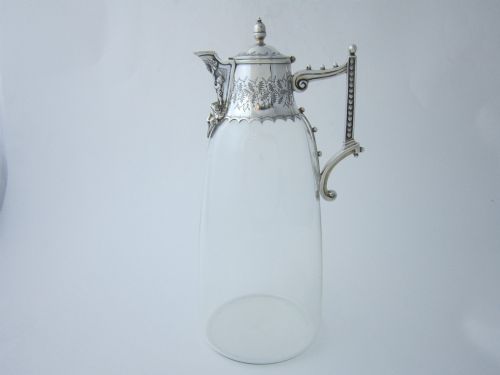
Makers combined blown or cut glass vessels with cast and pierced sterling silver or silver-plated frames.
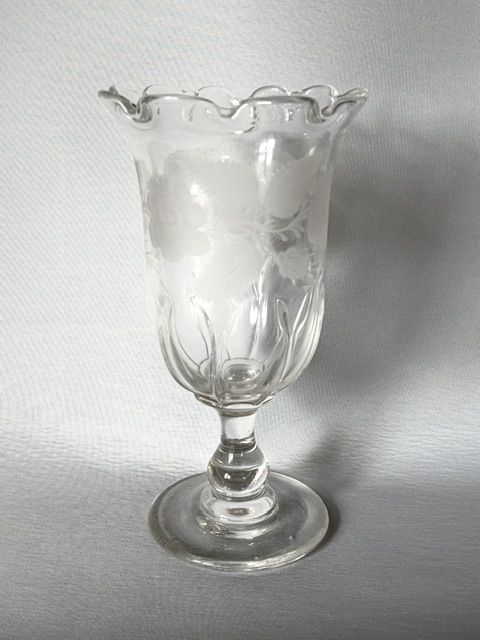
Techniques such as wheel-cutting produced faceted surfaces on crystal sugar casters and celery vases, whilst silversmiths added swing handles, rims and lids.
Antique Glass Tableware Retail Price Guide 2026
Typical asking prices for glass tableware among the pieces listed under this phrase on Sellingantiques today, from the lower quarter to the upper quarter. They describe what is for sale here now, not the wider market.
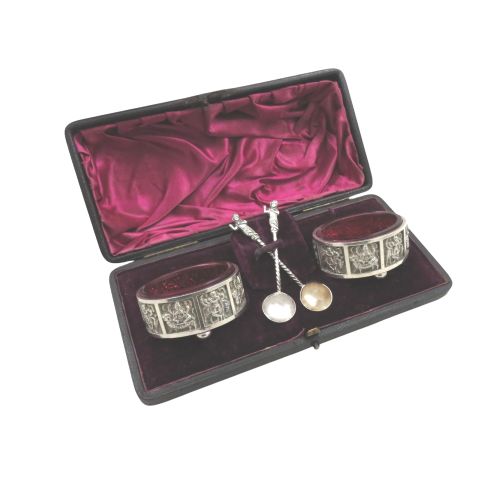
Tableware forms include salt cellars, mustard pots, cruet sets, biscuit barrels and egg cups.
What varies in quality
Distinctions in quality rest upon the weight and clarity of the glass, alongside the crispness of the silversmith's piercing and chasing on the mounts.
Makers utilising heavy lead crystal and substantial sterling silver rather than thinner silver plate achieve a superior presence on the table.
Harrods Ltd·Nathan And Hayes·Elkington·William Comyns·William Neale·Hukin And Heath
The Antique Glass Tableware Glossary
- Cut Glass
- Glass shaped and patterned by holding it against a rotating abrasive wheel. This technique creates deep, reflective facets on bowls and vases.
- Lead Crystal
- Glass containing a proportion of lead oxide that increases weight, brilliance and refractive index. It forms the heavy basis of many salts and decanters.
- Mustard Pot
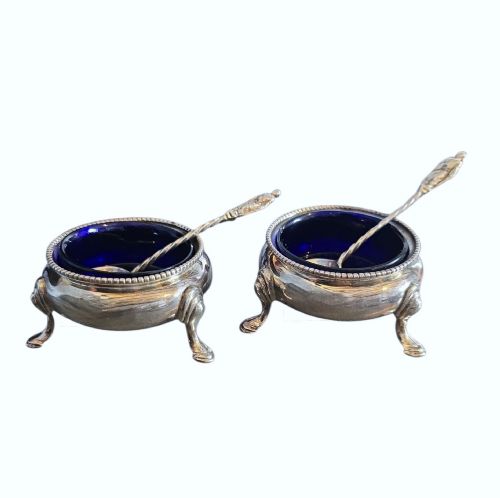
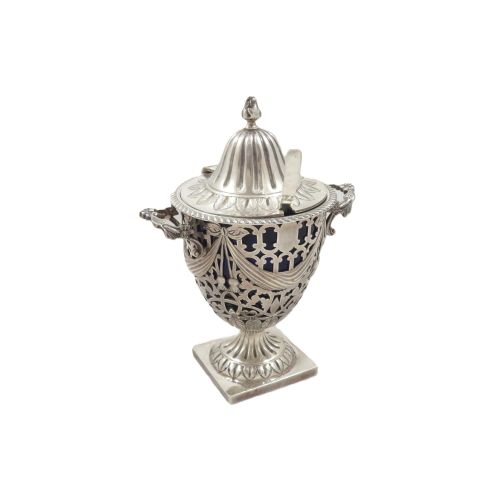
- A small lidded container designed to hold prepared mustard at the dining table. They frequently include a blue glass liner to protect the metal from vinegar.
- Salt Cellar
- An open vessel or enclosed pot used to hold loose salt for individual diners. Examples often sit upon three small feet or within wirework frames.
- Silver Plate
- A base metal coated with a thin layer of silver through electroplating or older fusion methods. It provided an accessible alternative to solid sterling silver.
Antique Glass Tableware: Frequently Asked Questions
Are cobalt and cranberry glass liners original?
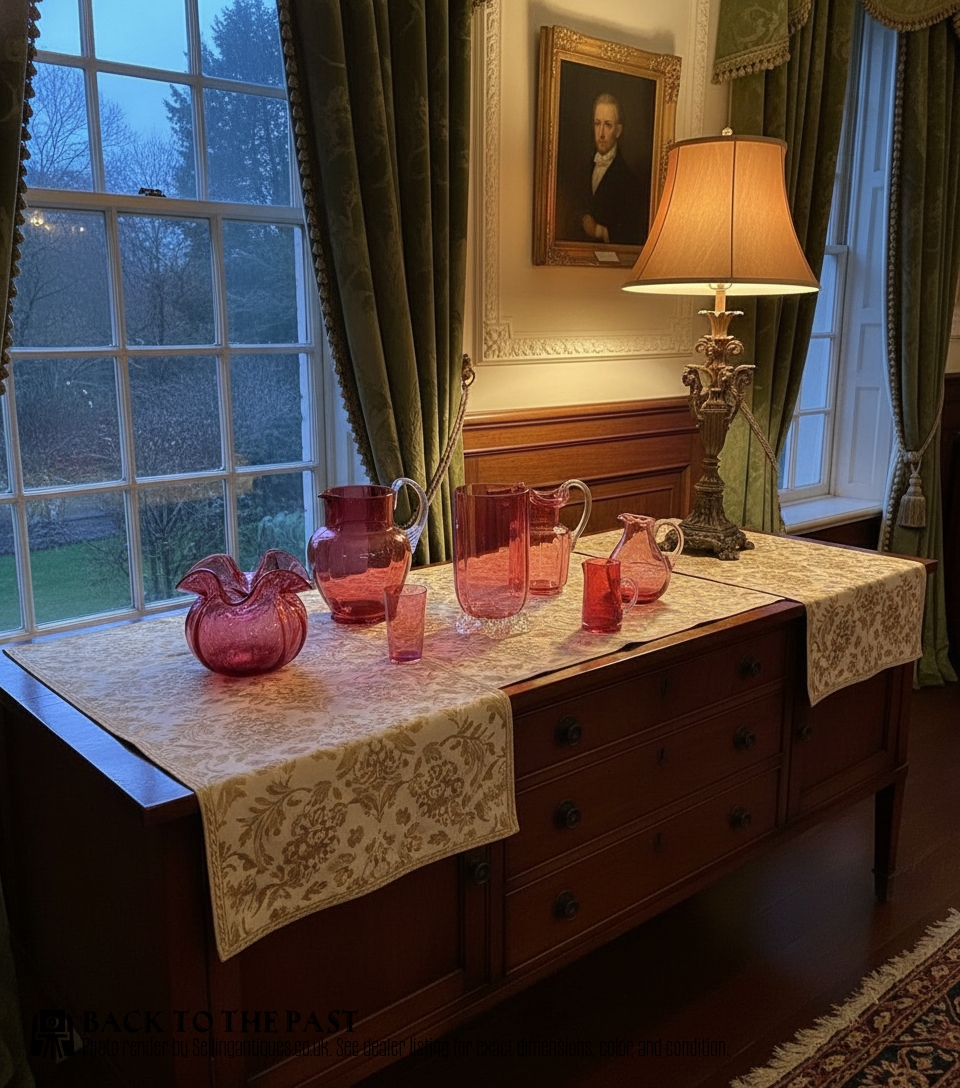
Coloured glass liners were standard production choices intended to contrast with pierced silver frames and resist staining from condiments. Many remain with their original pieces from the Victorian and Edwardian periods.
Matched replacements do occur, so inspect the fit and glass tone for consistency with the period of the silver mount.
How were salt cellars used historically?
Diners used open salt cellars with small spoons or pinches of salt during formal meals before free-flowing table salt became common. They occupied prominent positions beside each place setting.
Matched pairs and sets of three or four indicate the formal arrangement of a nineteenth-century dining table.
How do I identify silver plate from sterling?
Sterling silver items bear hallmarks indicating the assay office, standard and date letter. Silver-plated pieces typically display maker marks denoting electroplate rather than official sterling guarantees.
Examine the edges and high points for signs of wear where the underlying base metal might show through the silver layer.