

Antique Glass Fruit Bowl
An antique glass fruit bowl brings weight and a play of light to a table, uniting functional serveware with decorative bronze or silver mountings.
Antique Glass Fruit Bowl
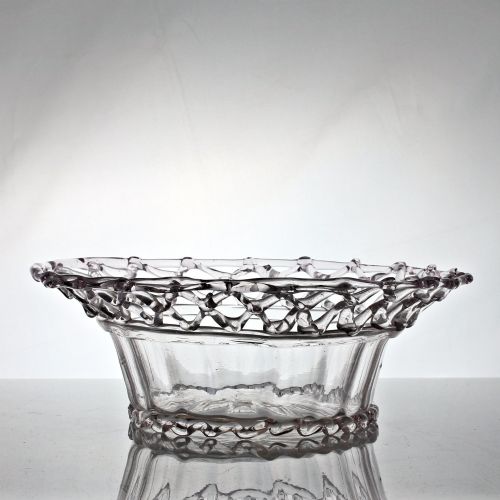
When you search for an antique glass fruit bowl, you encounter heavy pedestal bowls, wide centrepieces, and shallow dishes intended for display and dining. The versions most commonly met on this page span the Victorian and Edwardian eras, alongside pieces shaped in the French taste.
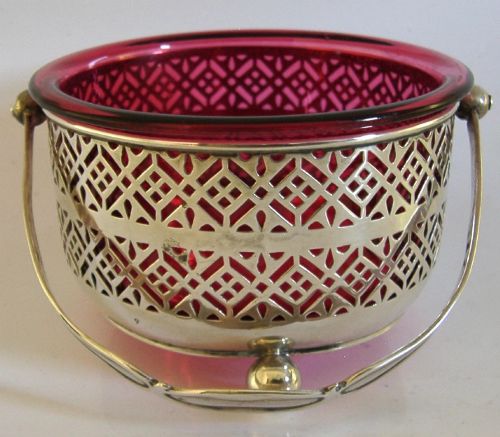
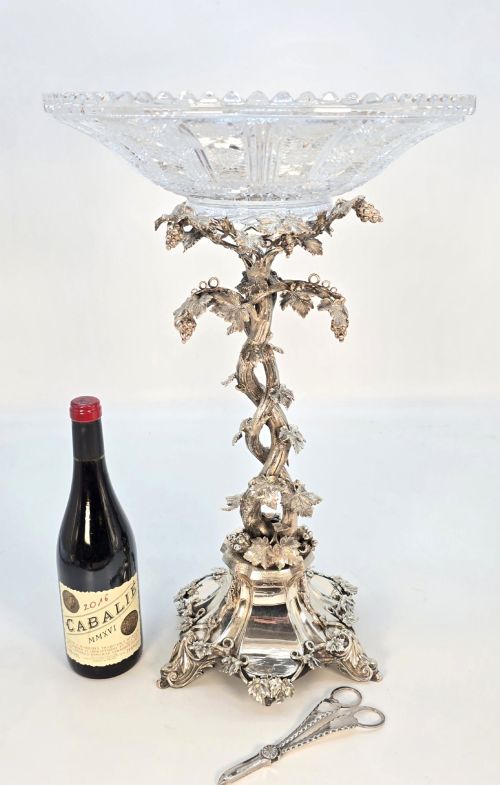
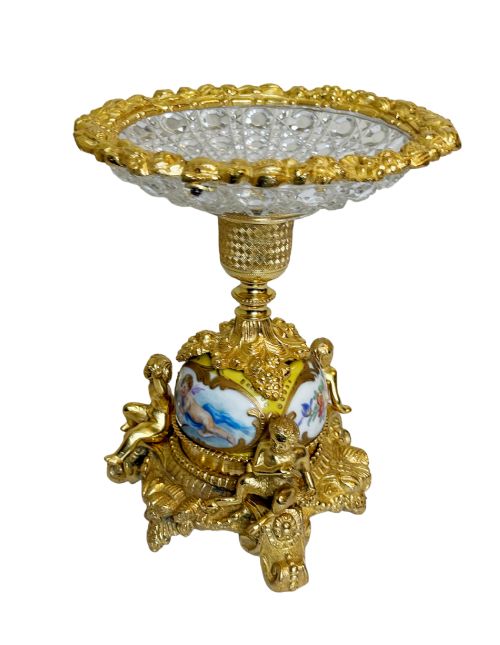
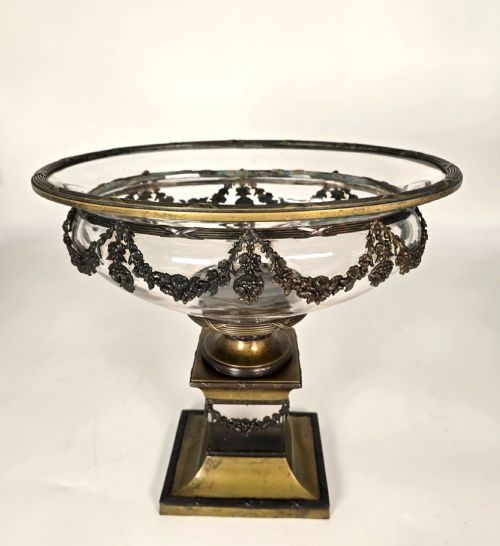
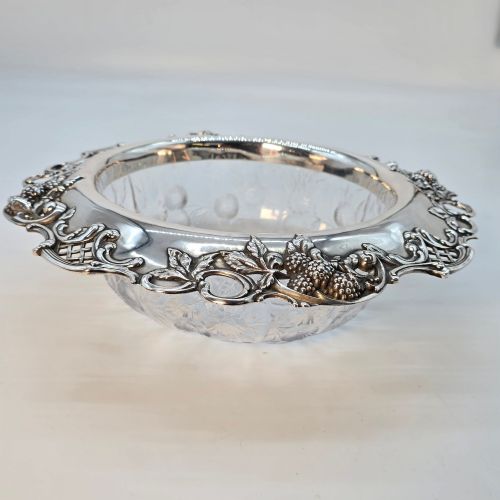
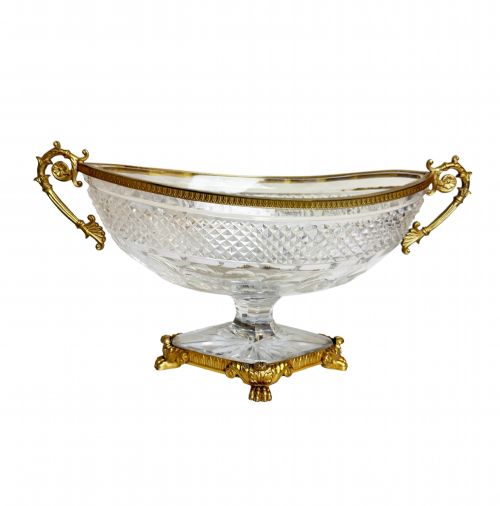
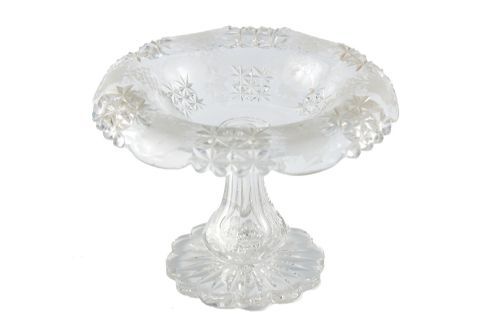
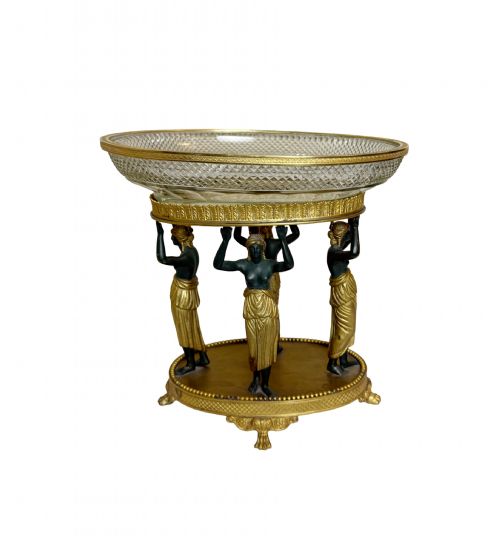
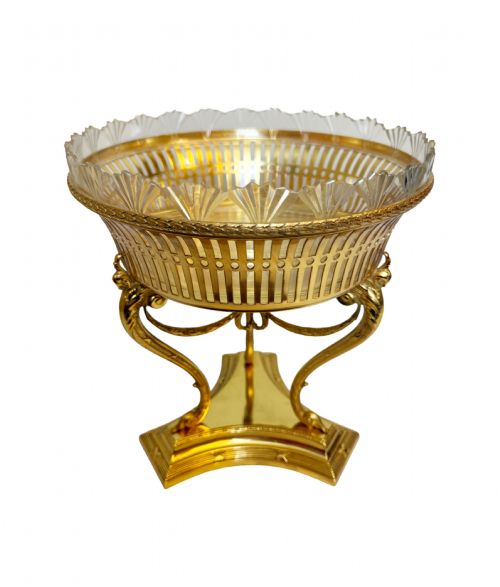
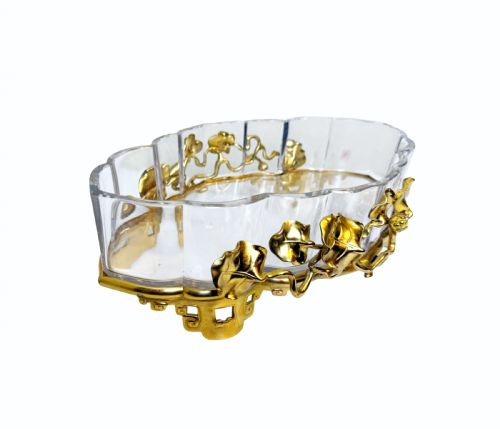
Makers produced these objects in diverse forms, from footed glass comports to elaborate vessels fitted with silver plated or gilt bronze frames. Many pieces incorporate decorative metal stands featuring cherubs, vines, or classical motifs, supporting bowls of deep cut crystal or coloured glass.
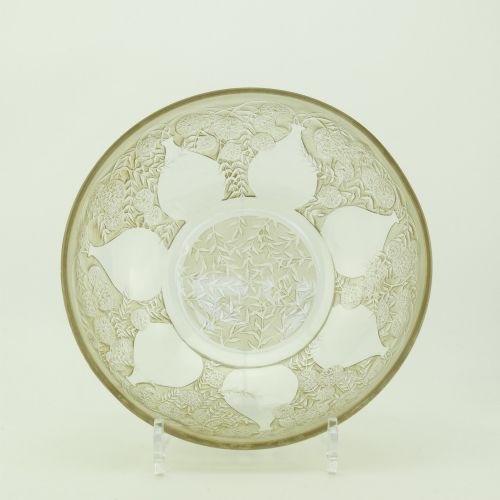
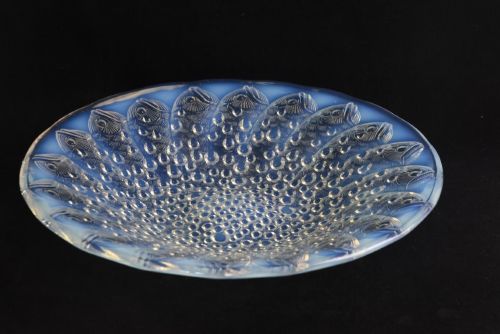
Origins stretch from English and Irish glasshouses to French studios and Belgian workshops. The selection ranges from Georgian Irish cut glass standing vessels to Art Deco opalescent creations and heavy lead crystal centrepieces designed for grand tables.
Materials and construction
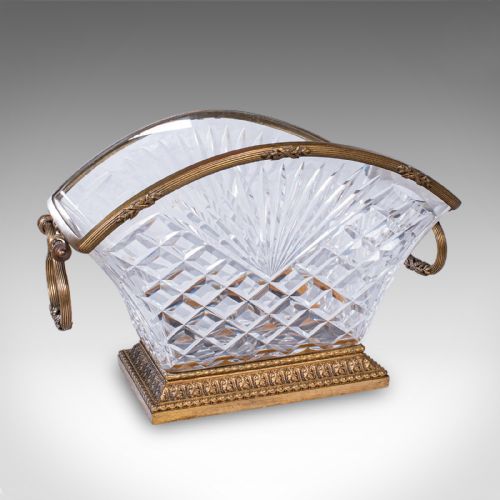
The construction of these vessels relies on lead crystal and blown glass shaped by hand, frequently finished with deep geometric wheel cutting. Coloured glass variants utilise layered metal oxides, resulting in cobalt blue, cranberry, or green over crystal hues.
Metal mounts incorporate gilt bronze, ormolu, and silver plate, cast and chased to support the glass inserts securely. Frames reflect periods ranging from Empire style to Art Nouveau curves, joining the glass and metal components through screws, collars, or fitted bezels.
Antique Glass Fruit Bowl Retail Price Guide 2026
Typical asking prices for glass fruit bowl among the pieces listed under this phrase on Sellingantiques today, from the lower quarter to the upper quarter. They describe what is for sale here now, not the wider market.
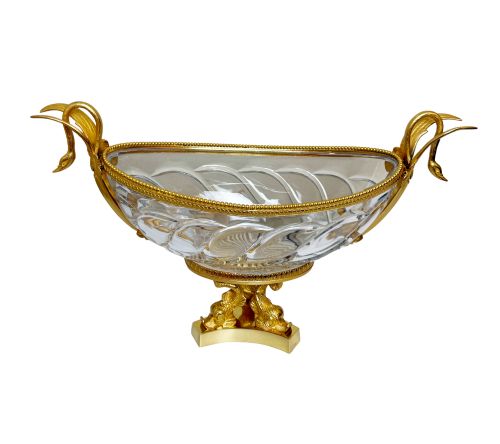
Several bronze frames enlist mischievous cherubs and mermen to hold up the heavy crystal bowls.
Assessing quality and execution
Quality reveals itself in the clarity of the metal and the crispness of the cutting, where sharp facets catch the light cleanly without softness on the edges. In mounted pieces, the density and detailed chasing of the bronze or silver plate distinguish superior examples from simpler production.
The balance between the weight of the glass vessel and the stability of its frame marks the care taken by the maker. Better items display harmonious proportions, secure mountings, and hand-finished details such as polished pontil marks or precise enamel work.
Rene Lalique·Tiffany and Co·Walker and Hall
The Antique Glass Fruit Bowl Glossary
- Cut Glass
- Glass decorated by holding it against rotating abrasive wheels to carve facets and patterns into the surface. This technique produces sharp edges and high brilliance.
- Ormolu
- A golden-coloured alloy of copper, zinc, and sometimes tin used to mount and decorate furniture and decorative objects. It provides a rich metallic contrast to coloured glass.
- Comport
- A large standing dish or bowl raised on a stem and foot, traditionally used for serving fruit or sweetmeats. These elevated forms dominate dining table centrepieces.
- Vaseline Glass
- Glass containing uranium dioxide, which exhibits a characteristic yellow-green colour and glows under ultraviolet light. It appears frequently in pieces from the turn of the twentieth century.
- Tazza
- A shallow bowl or cup mounted on a stem and foot, originating in the Renaissance. The form serves as an ornamental display dish for fruit or confectionery.
Antique Glass Fruit Bowl: Frequently Asked Questions
What were antique glass fruit bowls used for?
These vessels functioned primarily as table centrepieces holding fresh fruit, or as display dishes on sideboards and credenzas during formal meals.
Heavier mounted examples also served as decorative centrepieces in their own right, showcasing the wealth and taste of the household through ornate metalwork and brilliant glass.
How do I care for an antique glass bowl?
Wash the glass by hand in warm water using mild soap, avoiding harsh scrubbing on gilt or enamelled surfaces that can wear away over time.
Keep metal mounts dry and clean them with a soft cloth rather than abrasive polishes to preserve the original patination on bronze and silver plate.
How can I tell the period of a glass bowl?
Examine the weight, colour palette, and mounting style, as Victorian pieces often feature heavy cut lead crystal while Edwardian and Art Deco items introduce opalescent or stained glass.
Factory marks, signature stamps on the base, and the casting style of any bronze or ormolu framework also help narrow down the date of production.
Are metal mounts original to the glass?
Most quality pieces were designed as a unified whole by the maker, with bronze or silver frames custom-fitted to the contours of the blown or cut glass bowl.
Inspect the contact points between the metal and glass to ensure the mounts fit securely without undue pressure or modern replacement screws.