
Antique Glass Centerpiece
An antique glass centerpiece anchors a dining table with reflective brilliance and historical presence.
What an antique glass centerpiece is
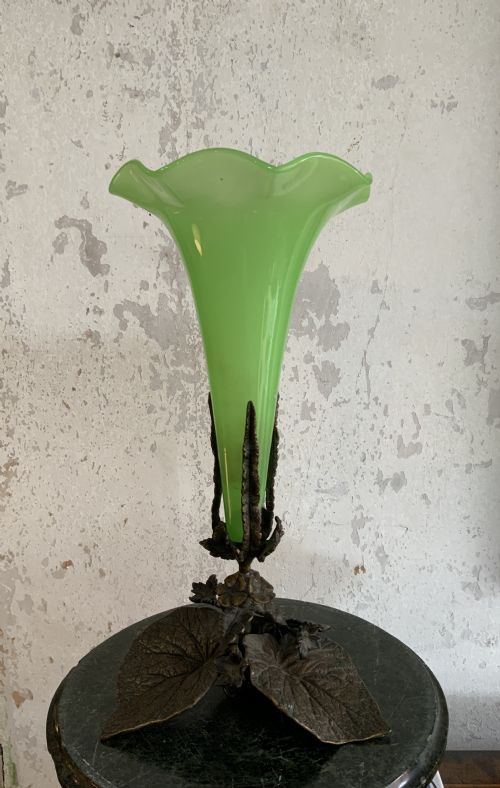
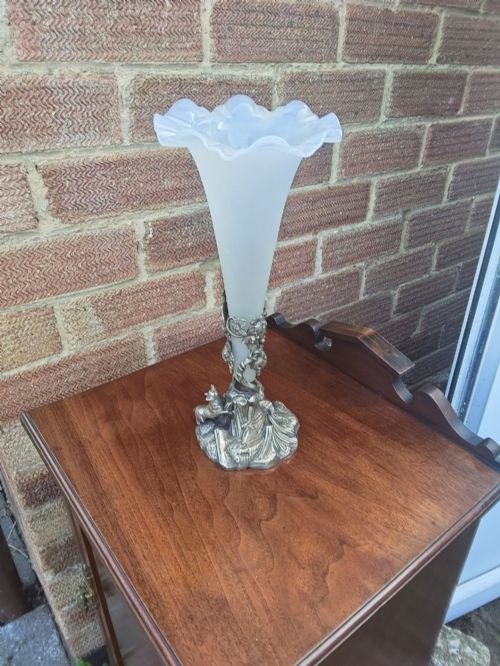
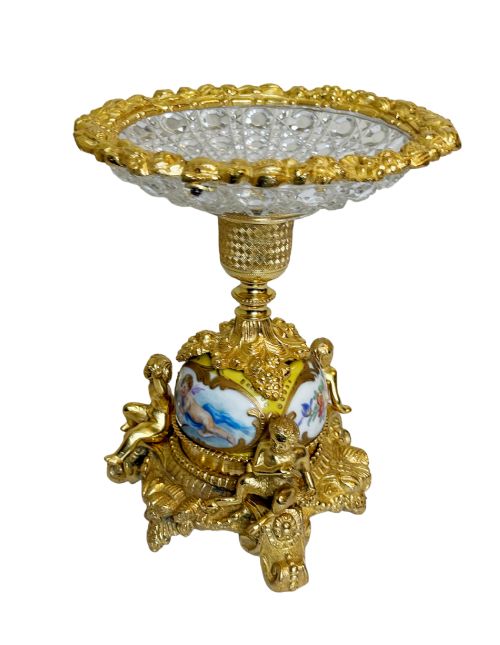
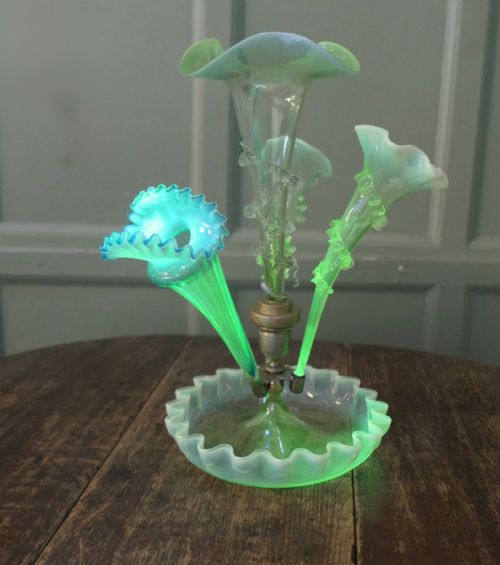
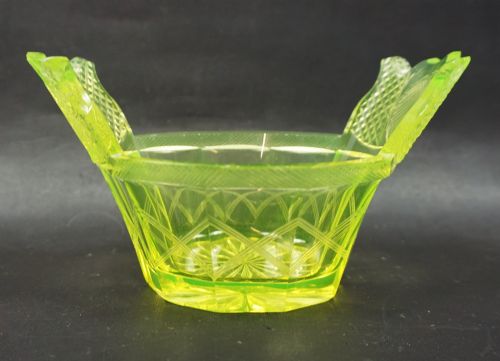
An antique glass centerpiece serves as a decorative focal point for tables, featuring prominently in formal dining arrangements across multiple centuries. These objects take the form of tazzas, comport bowls, and decorative serving dishes designed to hold fruit or sweets. Buyers searching for an antique glass centerpiece encounter various iterations spanning the Georgian, Victorian, and Edwardian eras.
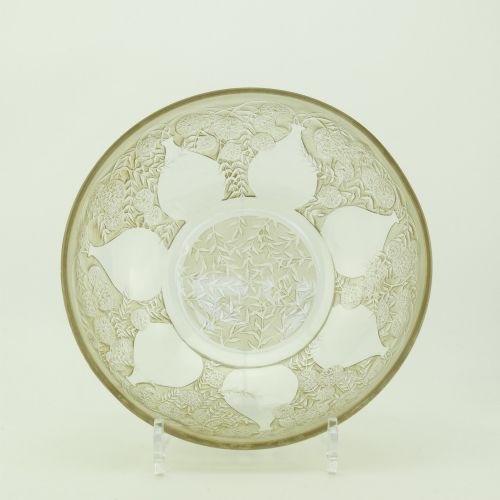
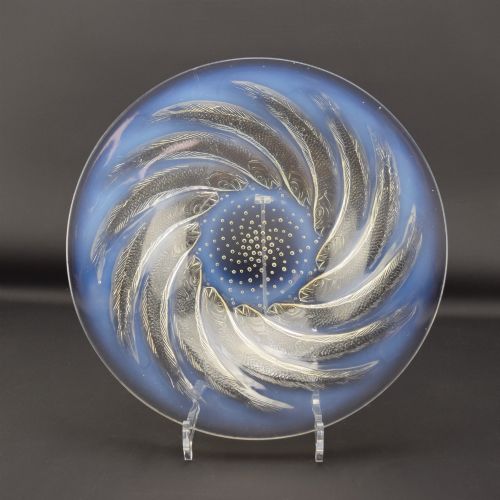
The selection ranges from George III glass tazzas to large Edwardian cut glass dishes and heavy ruby glass pieces with gilding. Makers such as René Lalique also contribute distinct modernist visions like the Perruches bowl from the early twentieth century. These items blend utility and display, resting either directly on surfaces or elevated within metal mounts.
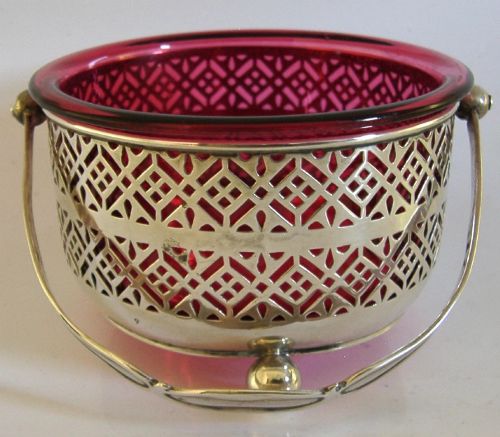
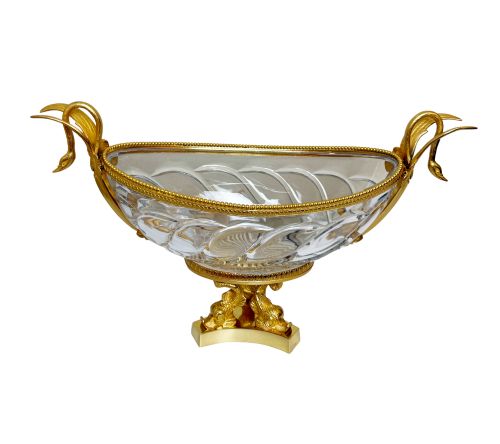
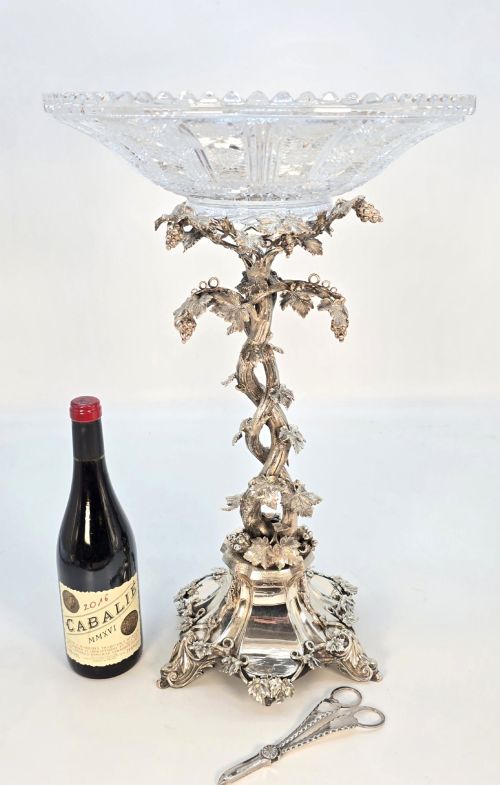
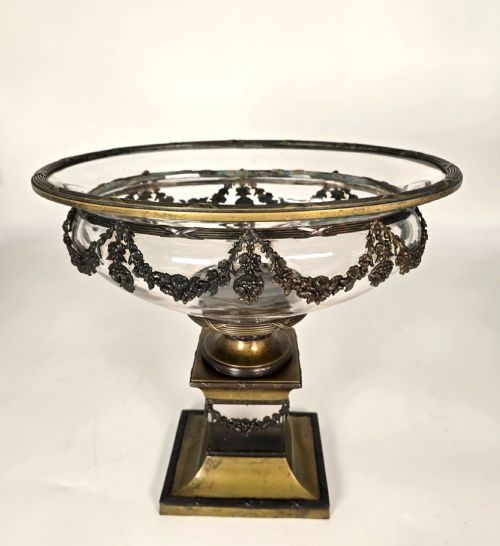
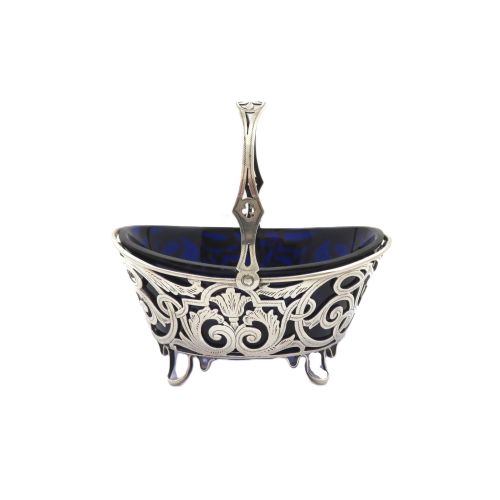
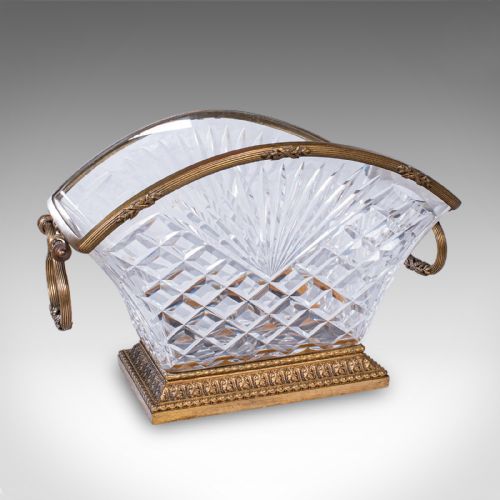
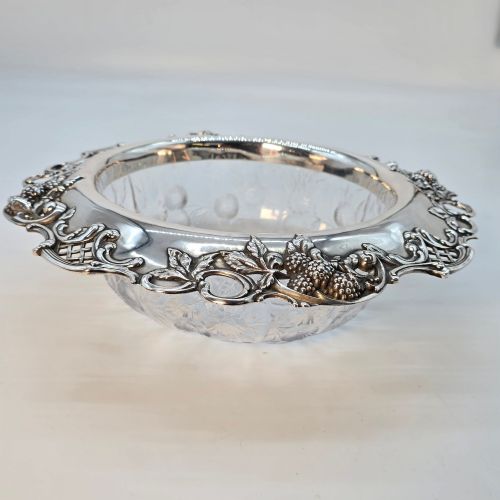
Comport centerpieces frequently combine engraved or cut glass bowls with silver plated stands, often bearing hallmarks from makers like Thomas Bradbury. French Empire style examples integrate ormolu and bronze mounts with cut glass bowls to create ornate architectural silhouettes. Every piece reflects the dining customs and interior decoration trends of its specific decade.
How they were made
Glassmakers utilised lead glass and heavy lead crystal, shaping molten material through blowing, pressing, and free-forming techniques. Artisans then applied deep wheel cutting to create geometric facets that maximise light refraction across the surface of the bowl. Engraving further embellished the glass bodies with delicate floral or scroll motifs.
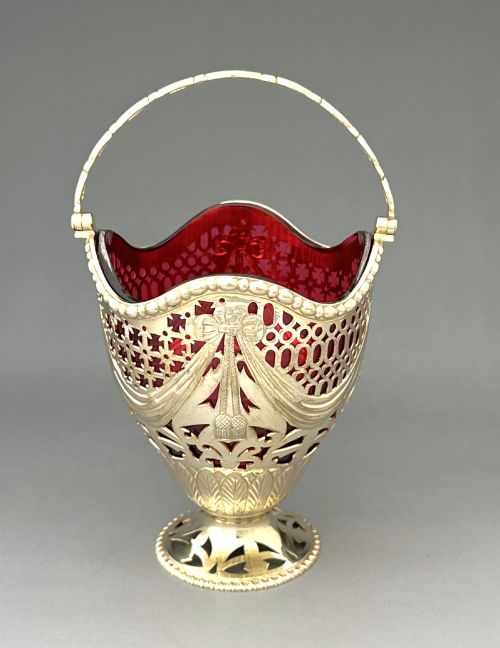
Metal components involved bronze casting and fire gilding to produce ormolu mounts, alongside silver plating techniques applied to foundational frames and handles. Gilding was also painted directly onto ruby glass surfaces and fired for permanence. These mixed media constructions required collaboration between glasshouses and metalworkers.
Retail Price Guide 2026
Typical UK retail prices for glass centerpiece, calculated from the Sellingantiques database of over a million retail prices indexed since 2003. This retail price guide relies exclusively on Sellingantiques data; no external sources or auction records are used, so the figures do not describe the wider market.
Lalique named his famous glass bowl after parakeets, ensuring your dessert table comes with built-in avian company.
What varies in quality
The clarity and weight of the lead glass set the baseline for quality, where purer metal and deeper, crisper cutting separate superior vessels from ordinary production. Hand-engraved detail displays greater finesse than mould-pressed imitation, showing deliberate variation and precision under close inspection. Superior pieces maintain crisp facets without the softening commonly found in secondary copies.
Mount quality dictates the status of mounted glass centerpieces, with heavy cast bronze ormolu and substantial silver plating outperforming thin or pressed metal alternatives. The integration between glass and metal must demonstrate exact alignment and secure seating without excessive movement or crude fixings. Maker attribution, such as signed Lalique pieces or documented Victorian silver firms, elevates the historical significance of the object.
René Lalique·Thomas Bradbury
The Antique Glass Centerpiece Glossary
- Tazza
- A shallow ornamental bowl raised on a stem and foot, traditionally used for serving fruit or small cakes at formal meals. This form provides elevated display value on the dining table.
- Comport
- A large standing dish or bowl used similarly to a tazza, frequently paired with a silver plated stand in nineteenth-century designs. It lifts the glass element clear of the table surface.
- Ormolu
- Finely ground high-carat gold applied to a bronze base using a mercury amalgamation process, creating a rich golden finish on decorative mounts. It appears frequently on French Empire style pieces.
- Ruby Glass
- Glass coloured through the addition of gold chloride or copper compounds to the molten batch, producing deep red hues. It was highly popular during the Victorian period.
- Lead Crystal
- Glass containing a high proportion of lead oxide, which increases weight, brilliance, and workability for deep cutting. This material forms the body of the finest cut glass items.
Frequently Asked Questions
What is an antique glass centerpiece used for?
These pieces function primarily as decorative table ornaments designed to hold fruit, flowers, or confectionery during formal meals.
They sit in the middle of the dining table to catch candlelight and provide visual structure to the room layout.
How do I clean an antique glass centerpiece?
Wash the glass gently in lukewarm water using mild detergent and a soft cloth to avoid scratching the surface.
Keep metal mounts and silver plating dry, wiping them carefully with a soft duster rather than submerging them in water.
How can I tell a Georgian tazza from a Victorian piece?
Georgian tazzas often feature heavier lead metal with simpler, broader foot rims and softer tool marks from early manufacturing methods.
Victorian and Edwardian examples typically display sharper, deeper machine-assisted cutting and more complex composite forms involving metal bases.
What is the difference between cut glass and engraved glass?
Cut glass involves grinding deep geometric patterns into thick walls using rotating wheels, creating sharp facets and heavy refraction. <br> Engraved glass uses smaller wheels or diamond points to scratch shallow, delicate pictorial designs across a smoother surface.