



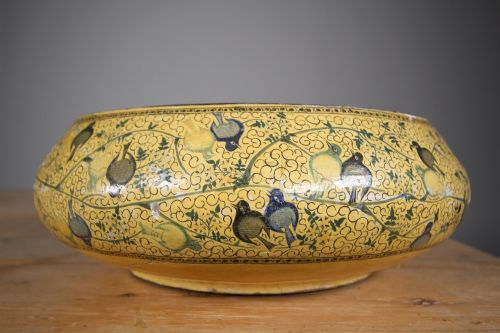
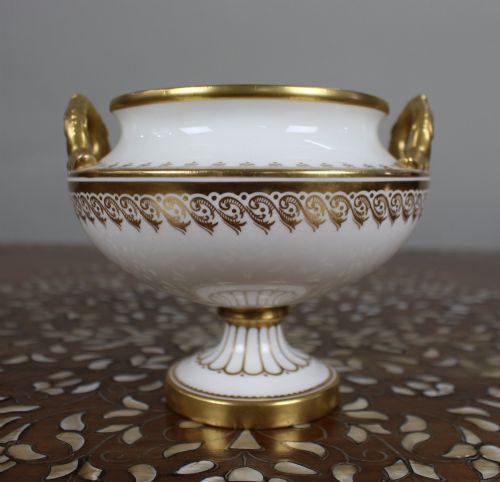
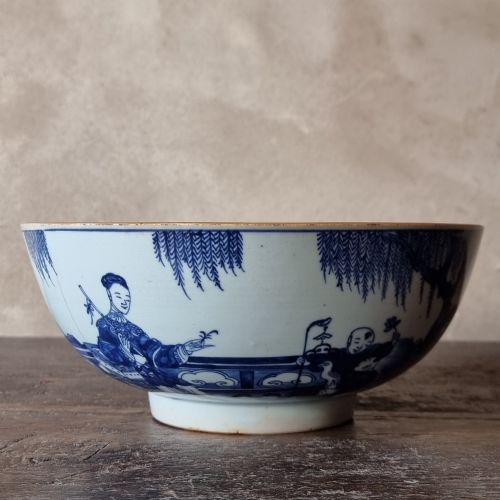
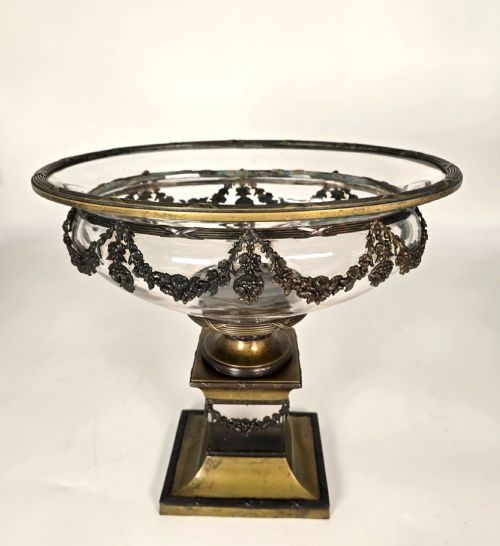
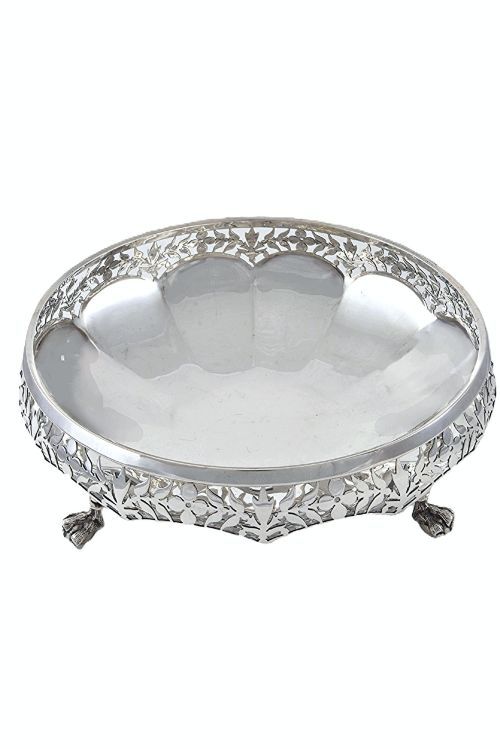
Vintage Decorative Bowl
A vintage decorative bowl brings colour and texture to a room, offering a functional vessel shaped by diverse historical periods and craft traditions.
Vintage Decorative Bowl
When you search for a vintage decorative bowl, you encounter a wide variety of forms originating from different eras and cultures. The selection spans porcelain, glass, metal, and pottery pieces designed primarily for display or service rather than daily utility.
The objects represented range from 18th-century Chinese punch bowls and Japanese Imari porcelain to Victorian glass and silver centrepieces, alongside mid-century glass and pottery. Centrepiece bowls, fruit dishes, and shallow basins form the core of what is available.
Pieces from the 19th century and the early decades of the 20th century dominate the current selection, reflecting diverse stylistic influences including Art Deco, Neoclassical, and Arts and Crafts designs.
How they were made
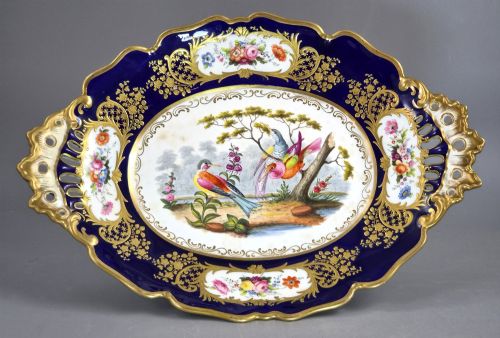
Makers utilised traditional techniques involving porcelain throwing, glass moulding, and metal casting to create these vessels. Ceramic pieces often feature hand-painted glazes, cobalt blue designs, or intricate lustre applications.
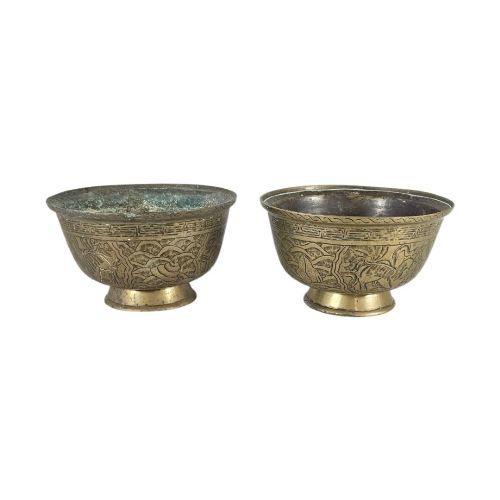
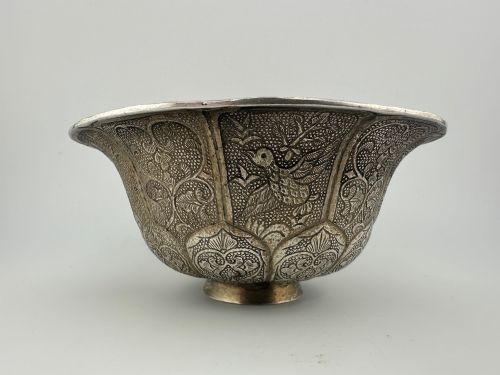
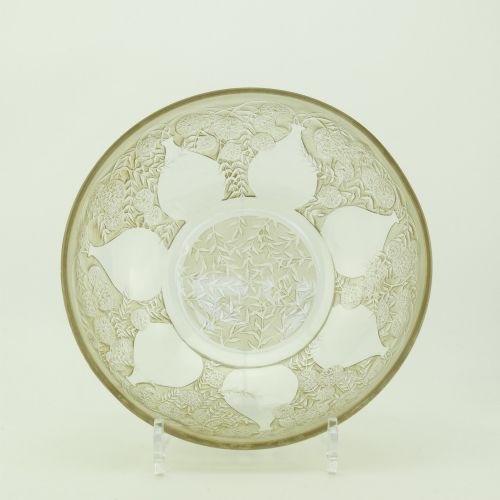
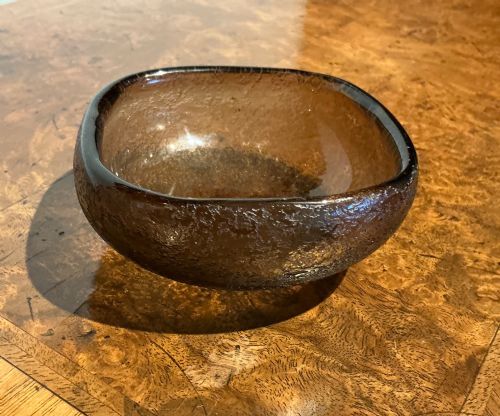
Metalwork items incorporate silver, brass, bronze, and white metal, frequently enhanced with engraving, silver plating, or copper inlay work. Glass and crystal bowls utilise cutting, moulding, and opalescent treatments to achieve distinctive optical qualities.
Listings feature items spanning the 18th, 19th, and 20th centuries, incorporating porcelain, glass, brass, and silver.
What varies in quality
Quality in these vessels depends on the precision of the hand-finishing, the depth and clarity of glazes or glasswork, and the integrity of mounts and hardware. Superior examples display careful attention to detail in carved decoration, metal chasing, or painted motifs.
The reputation of the maker, studio, or factory significantly influences the standing of a piece. Signed works by established designers or recognised potteries command greater attention than unmarked or simpler factory-produced wares.
Rene Lalique·Venini·Coalport·Royal Doulton·Wedgwood·Daum France
The Vintage Decorative Bowl Glossary
- Imari
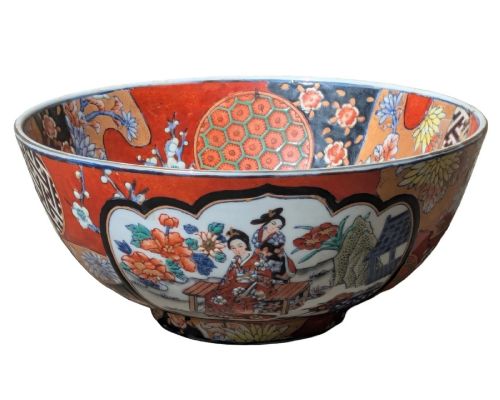
- A style of Japanese porcelain decorated in underglaze blue and overglaze red, gold, and green. This aesthetic influenced European ceramic production significantly during the 19th century.
- Cairoware
- Metalwork originating from Egypt and the Middle East, typically brass inlaid with silver, copper, and black paste. It became popular among Victorian collectors of exotic wares.
- Pâte de Verre
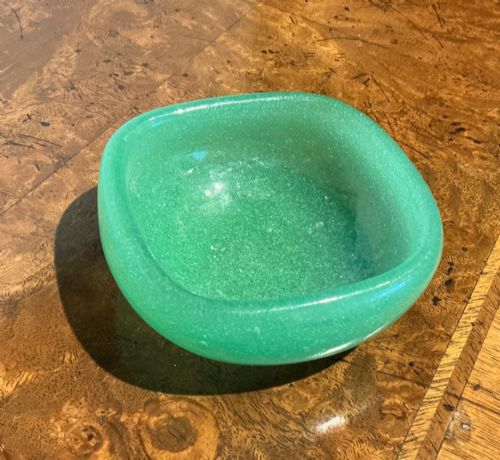
- A glass-casting method where finely crushed glass is packed into a mould and fused in a kiln. This technique produces dense colours and a textured surface.
- Tazza
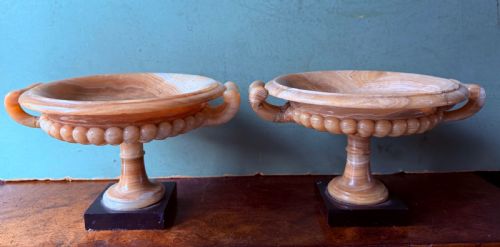
- A shallow bowl or dish mounted on a stem and foot, originating from classical antiquity. They were frequently recreated during the 19th century as Grand Tour souvenirs.
Vintage Decorative Bowl: Frequently Asked Questions
How do I identify Japanese Imari porcelain?
Japanese Imari porcelain is typically recognised by its distinctive palette of cobalt blue, iron red, and gold applied over a white porcelain body. The patterns frequently incorporate floral and panel designs.
Older pieces from the Meiji period or earlier often show characteristic kiln marks on the unglazed base rim and slight irregularities in the glaze application.
What is a centrepiece bowl?
A centrepiece bowl is a large, ornamental vessel traditionally placed in the middle of a dining table or sideboard. These pieces were designed to hold fruit, flowers, or simply to display fine craftsmanship.
Many examples feature pedestals, handles, or matching stands to elevate their presence in a room.
How do I care for antique glass bowls?
Antique glass requires gentle handling and should be washed by hand in lukewarm water using a mild detergent. Avoid sudden temperature changes to prevent cracking.
Dry the glass with a soft, lint-free cloth to maintain the clarity and shine of cut or moulded surfaces.
What distinguishes Victorian brass cairoware?
Victorian brass cairoware is defined by its dense surface ornamentation using mixed metals such as copper and silver inlaid into a dark brass or alloy body. The designs feature intricate geometric and Islamic-inspired calligraphy.
These pieces were collected enthusiastically during the 19th century as part of a broader interest in Middle Eastern decorative arts.