


Art Nouveau Ceramic Bowl
These art nouveau ceramic bowl pieces bring distinct period form and decorative glaze to a room.
What an art nouveau ceramic bowl is
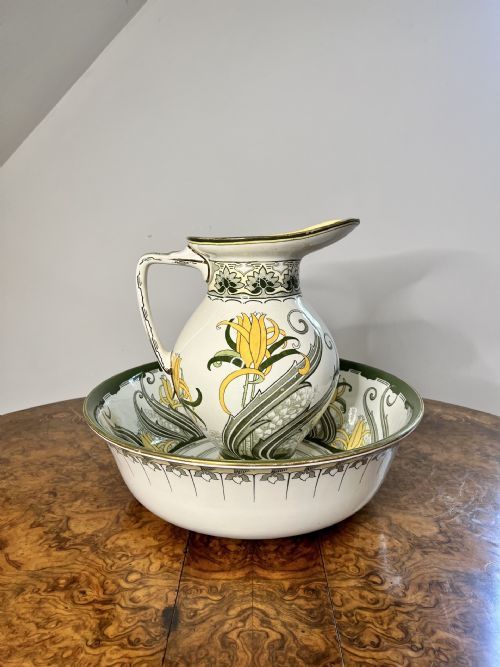
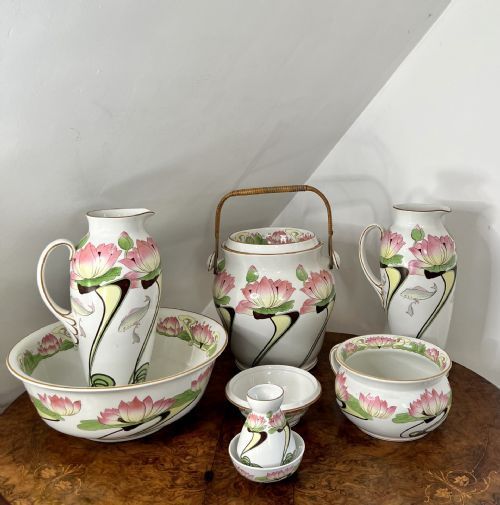
When searching for an art nouveau ceramic bowl, buyers encounter decorative vessels and related figures from periods spanning the early twentieth century, including Edwardian, 1910, 1920, and 1930 eras. These pieces typically take the form of decorative bowls or decorative figurines originating from England.
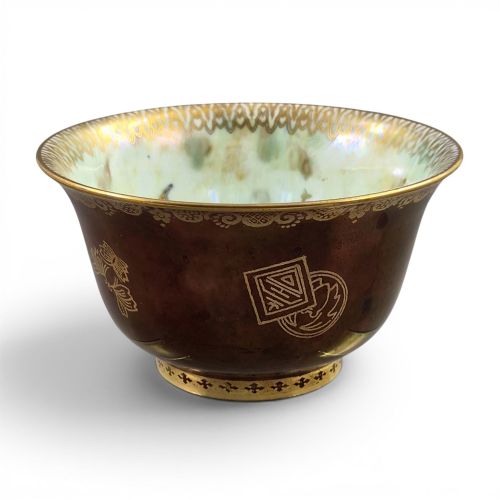
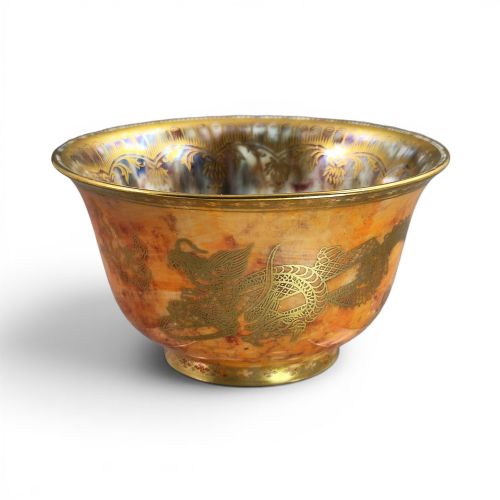
The selections most commonly met on this page include glazed earthenware, porcelain, bone china, and specialised lustre wares decorated with gold leaf, lustre glaze, and metallic glaze. Forms range from octagonal bowls to inverted rim vessels and figurative designs like a piper standing at a pond.
How they were made
Makers utilised ceramic materials such as porcelain, bone china, and glazed earthenware to shape each vessel and figure. Artisans then applied specialised surface treatments including lustre glaze, metallic glaze, and gold leaf.
Techniques relied on precise kiln firing to achieve the characteristic sheen and colour variations seen in lustre and metallic glaze applications.
Retail Price Guide 2026
Typical UK retail prices for art nouveau ceramic bowl, calculated from the Sellingantiques database of over a million retail prices indexed since 2003. This retail price guide relies exclusively on Sellingantiques data; no external sources or auction records are used, so the figures do not describe the wider market.
The inventory spans Edwardian, 1910, 1920, and 1930 periods across decorative bowls and figurative forms.
What varies in quality
Quality rests upon the precision of the ceramic modelling and the depth achieved through lustre glaze, metallic glaze, and gold leaf applications. Superior examples display crisp definition in complex decorative patterns and harmonious colour integration across the body.
The distinction between standard production and finer work lies in the control of the glaze during firing and the intricacy of the painted or gilded motifs.
Daisy Makeig Jones Wedgwood·Royal Dux·Moorcroft
The Art Nouveau Ceramic Bowl Glossary
- Lustre Glaze
- A type of ceramic glaze that produces an iridescent metallic sheen on the surface of the piece. This effect is achieved through metallic oxides fired in a reducing atmosphere.
- Bone China
- A soft-paste porcelain incorporating bone ash for added strength and translucency. It permits thinner walls and a whiter base body.
- Glazed Earthenware
- Porous clay pottery fired at lower temperatures and sealed with a glass-like coating. It provides a sturdy canvas for vibrant coloured glazes.
- Gold Leaf
- Hammered sheet gold applied to decorative surfaces for gilded highlights. It adds reflective warmth to ceramic rims and motifs.
Frequently Asked Questions
How do I date an art nouveau ceramic bowl?
Dating relies on recorded production periods associated with specific makers, such as Edwardian and 1910 through 1930 eras.
Examining the glaze type, material composition, and pattern numbers helps align the piece with its original manufacturing timeframe.
Where were these ceramic bowls made?
These decorative vessels originate from England, reflecting the manufacturing traditions of early twentieth-century potteries.
Regional workshops utilised local clays, bone china, and specialised lustre techniques characteristic of the period.
How should I display a lustre glazed bowl?
Position the vessel where ambient light can catch the iridescent qualities of the lustre glaze or gold leaf.
Keep pieces away from direct heat sources and abrasive cleaning materials to protect the delicate surface finish.
What is the difference between earthenware and bone china?
Earthenware is a porous ceramic fired at lower temperatures and coated with an opaque glaze for colour retention.
Bone china incorporates bone ash into porcelain paste, resulting in a denser, whiter, and more translucent material.