
Antique Ceramic Fruit Bowl
An antique ceramic fruit bowl is a functional centrepiece that brings colour and history to a table.
What these pieces are
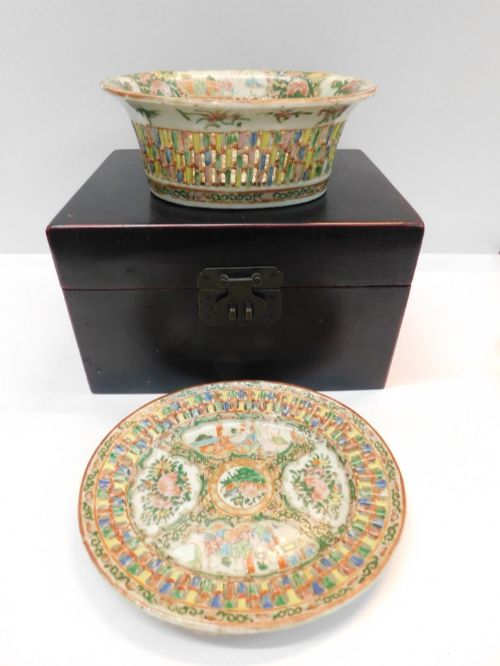
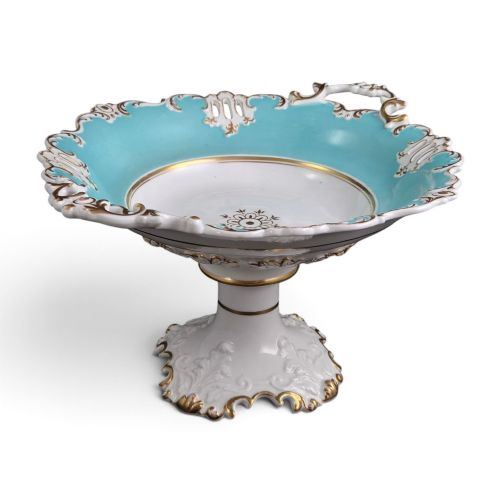
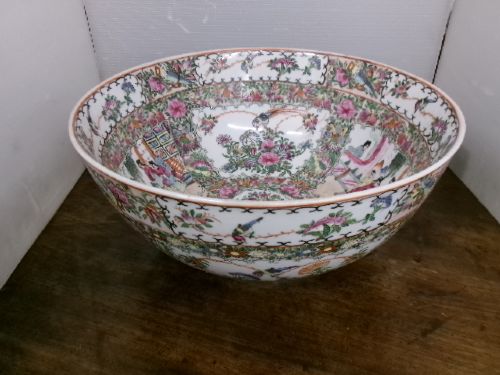
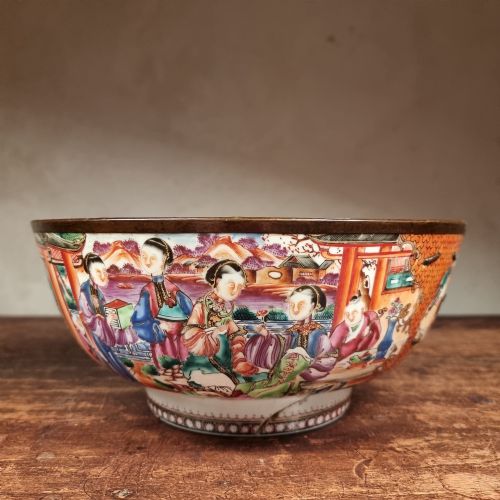
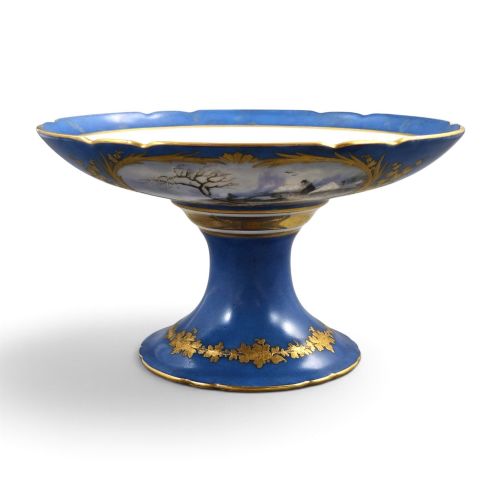
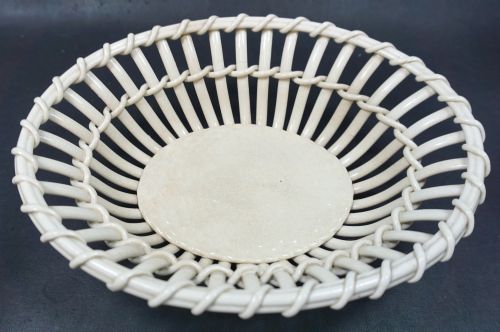
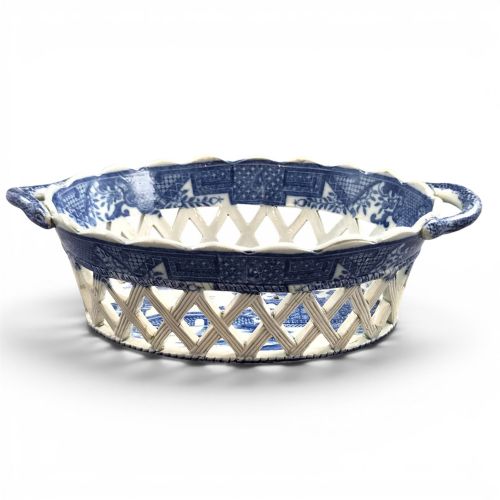
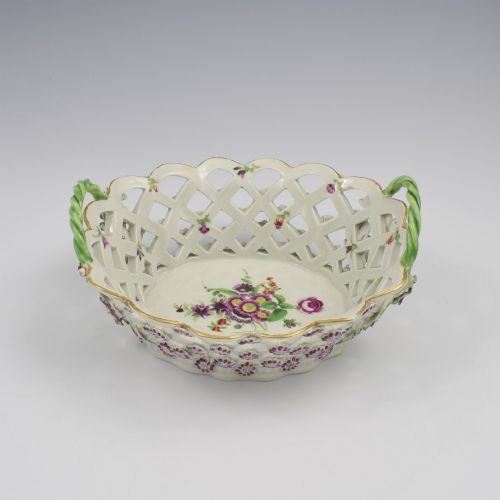
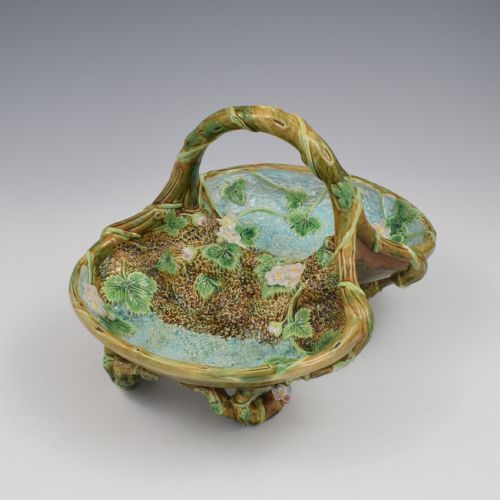
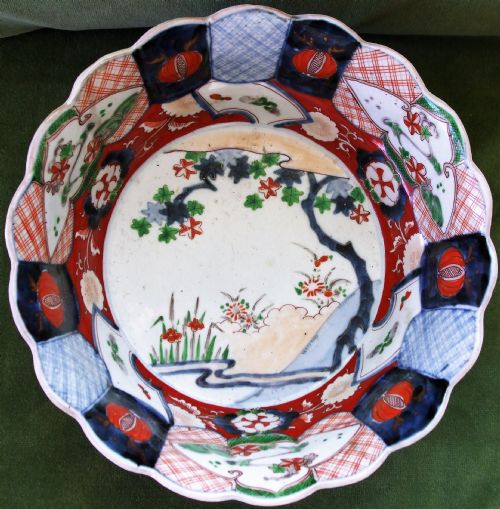
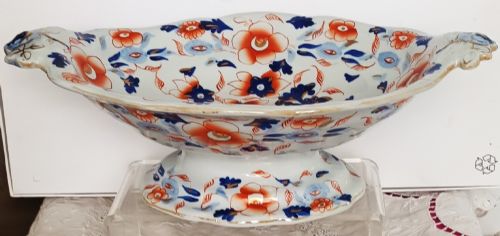
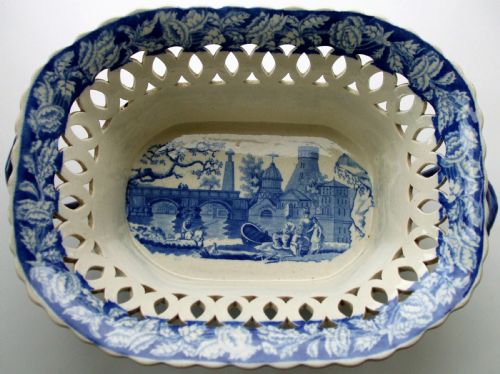
An antique ceramic fruit bowl takes many forms across the listed periods, appearing as decorative bowls, ceramic baskets, and dessert dishes. These vessels served both practical and ornamental purposes in domestic settings.
The pieces on this page span the 18th century, the 19th century, the Victorian and Edwardian eras, and the 1930s. Buyers frequently encounter designs influenced by Georgian, Victorian Naturalism, Art Nouveau, and Arts and Crafts styles.
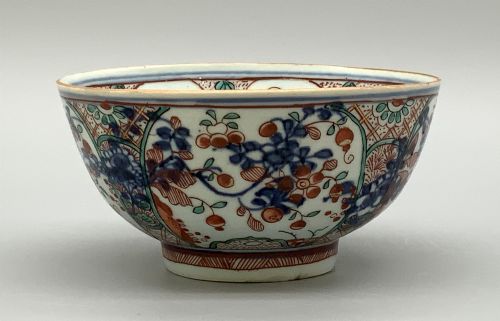
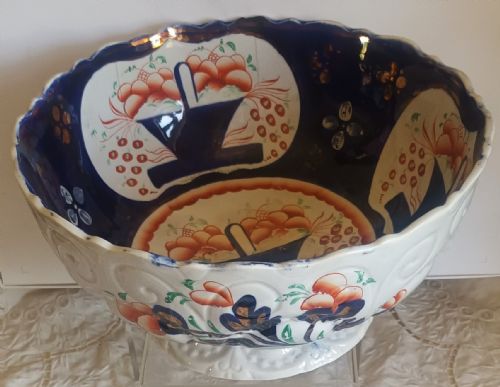
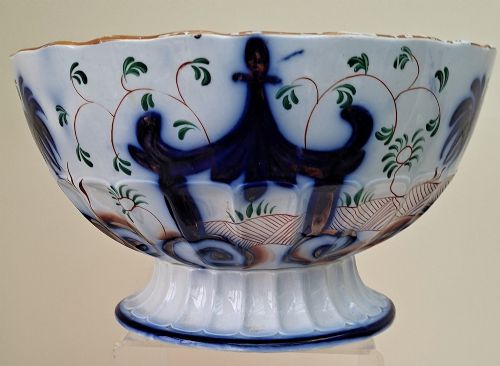
Origins vary across English production, featuring earthenware, soft-paste porcelain, and standard porcelain bodies. Forms range from square lobed dessert dishes to large pomegranate blue bowls and blue and white transfer pottery.
How they were made
Maker workshops utilised earthenware and porcelain, shaping the clay into baskets, square lobed dishes, and deep round bowls. Potters applied glazes such as cobalt, lustre, and majolica to seal the ceramic bodies and provide a lustrous finish.
Decoration relied on hand painting, transfer printing scenes like eastern street scenes, and applying enamel and gilt details. Specialised techniques created raised fruit and strawberry motifs or intricate dragon patterns in lustre glazes.
Retail Price Guide 2026
Typical UK retail prices for ceramic fruit bowl, calculated from the Sellingantiques database of over a million retail prices indexed since 2003. This retail price guide relies exclusively on Sellingantiques data; no external sources or auction records are used, so the figures do not describe the wider market.
Some bowls feature dragons and pomegranates, proving that historical potters enjoyed wilder imaginations than plain white china allows.
What varies in quality
Quality rests in the crispness of the moulded form and the precision of the hand-painted or transfer-printed decoration. Pieces with rich cobalt glaze, detailed enamel, and applied gilt show a higher level of artisan skill.
The refinement of the ceramic body, whether soft-paste porcelain or earthenware, dictates the overall character. Maker attribution and pattern complexity further distinguish standard serving dishes from exceptional cabinet pieces.
George Jones·J. and R. Riley·Wedgwood·Moorcroft
The Antique Ceramic Fruit Bowl Glossary
- Soft-paste porcelain
- A type of ceramic body composed of clay and glass frit, fired at lower temperatures than hard-paste porcelain. It often displays a warm, creamy glaze tone.
- Cobalt glaze
- A rich blue metallic oxide applied under or over the glaze before firing. This technique creates deep, permanent blue decoration on pottery and porcelain.
- Lustre glaze
- A metallic film applied to ceramics to produce an iridescent, reflective sheen. It was popular in various forms across the 19th and early 20th centuries.
- Majolica
- A colourful lead-glazed earthenware characterised by vibrant naturalistic relief moulding. Victorian makers frequently utilised this style for fruit and leaf baskets.
Frequently Asked Questions
What is an antique ceramic fruit bowl used for?
These bowls were traditionally utilised on dining tables for serving fruit or dessert courses during formal meals. They also functioned as decorative centrepieces to display dining room interiors.
Today, collectors use them to display fruit or place them on sideboards as standalone decorative objects.
How do I date an antique fruit bowl?
Dating relies on examining the ceramic material, glaze type, and stylistic traits such as Victorian naturalism or Art Nouveau lines. Maker marks and patterns provide further clues to the exact decade of manufacture.
Comparing the potting technique and decoration style against known 18th, 19th, and early 20th-century examples narrows down the period.
What materials are these bowls made from?
Makers constructed these pieces from various ceramic bodies including earthenware and soft-paste porcelain. Surfaces were often finished with specialised glazes such as cobalt, lustre, or majolica.
Decoration frequently includes applied enamel and gilt details over the glazed ceramic surface.