




Chinese Dragon Bowl
A chinese dragon bowl brings dynastic presence to a room, cast in heavy bronze or painted with writhing imperial beasts.
Chinese Dragon Bowl
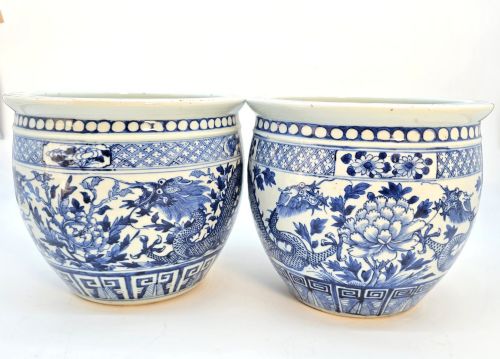
A chinese dragon bowl is a vessel rendered in porcelain, silver, brass, copper, or jade, carrying the traditional motif of the imperial dragon. These pieces range from substantial jardinières and punch bowls down to smaller dishes, incense burners, and brush washers.
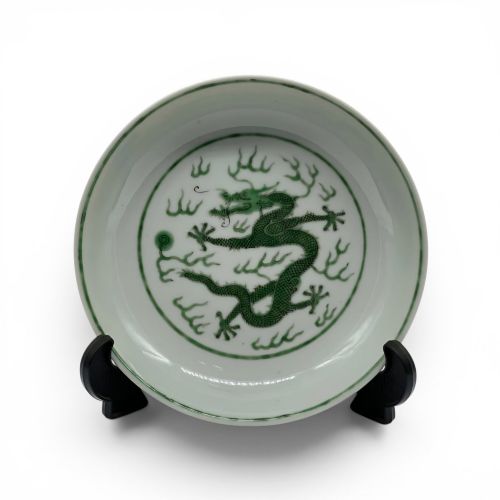
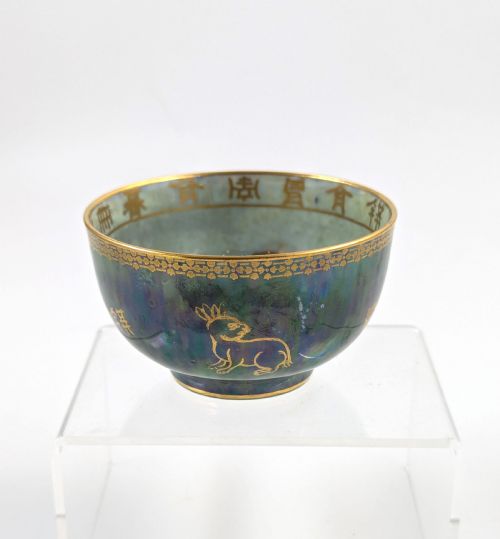
The objects stem from various periods including the eighteenth and nineteenth centuries, alongside early twentieth-century examples such as Edwardian lustre wares. Porcelain pieces featuring doucai or green dragon designs sit alongside heavy cast bronze censers and silver export wares.
Materials and manufacture
Ceramic examples utilise porcelain and bone china decorated with enamel paints, lustre glazes, and doucai techniques, often bearing reign marks from dynasties like the Qing. Metal versions are worked in brass, bronze, silver, and copper, frequently incorporating chased details, enamelling, and semi-precious stone mounts.
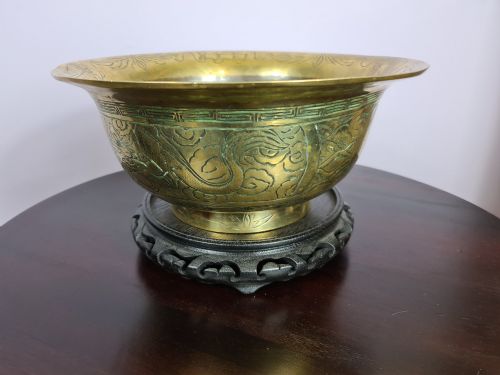
Lapidary techniques shape solid minerals like jade and nephrite into functional vessels such as brush washers and incense burners. Metal pieces often combine casting with applied elements like white metal decoration, cabochons, and detailed silver work by makers such as Yatshing and Hong Cheung.
The listings encompass both ceramic wares from the Qing dynasty and Edwardian lustre pottery alongside heavy bronze and silver vessels.
Factors determining quality
The fineness of the dragon motif defines the distinction between standard vessels and exceptional works, seen in the precision of hand-painted porcelain scales or the depth of chased metalwork. Material selection also dictates the standard, with heavy cast bronze, solid silver, and carved jade representing significant craftsmanship.
Historical authenticity and workshop attribution elevate certain pieces, particularly those bearing period marks or associated with notable designers like Daisy Makeig-Jones. The complexity of the construction, such as integrated enamel work or applied cabochons, separates simpler domestic items from imperial-style commissions.
Daisy Makeig-Jones·Yatshing·Hong Cheung·Wedgwood
The Chinese Dragon Bowl Glossary
- Doucai
- A technique of joining underglaze blue with overglaze enamels on porcelain. This method requires multiple firings in the kiln.
- Jardiniere
- A large decorative pot designed to hold live plants or flowers. These vessels often sit on dedicated stands.
- Brush Washer
- A small vessel used in calligraphy for cleaning ink brushes. They are frequently carved from jade or formed in porcelain.
- Cloisonne
- Enamelwork created by soldering metal wires to a base to form compartments. These cells are filled with coloured paste and fired.
- Censer
- A vessel intended for burning incense during rituals or in scholarly settings. Many take the form of heavy bronze or copper bowls.
Chinese Dragon Bowl: Frequently Asked Questions
What were chinese dragon bowls used for?
These vessels served various practical and ceremonial functions depending on their form and material. Larger bronze and porcelain examples acted as jardinières or punch bowls, while smaller pieces functioned as incense burners, ash trays, or scholarly brush washers.
In imperial settings, decorated bowls displayed the power and status of the ruler through the dragon motif. Domestic export pieces brought these traditional forms and symbols into Western homes as ornamental objects.
How do I date a porcelain dragon bowl?
Dating relies on examining the ceramic body, glaze characteristics, and any reign marks applied to the base. Pieces associated with the Qing dynasty or specific nineteenth-century periods exhibit distinct painting styles and enamel qualities.
Later European interpretations, such as Edwardian lustre pieces, combine traditional motifs with Western ceramic manufacturing techniques. Comparing the style of the dragon and the palette helps distinguish between dynastic production and twentieth-century revivals.
How should I display a bronze censer bowl?
A bronze censer benefits from a stable surface where its weight and patina can be appreciated. Placing the piece away from direct moisture preserves the metal surface and any historical patination.
Allowing sufficient space around the vessel highlights handles shaped like animal masks and detailed surface chasing. Pairing metal bowls with carved wooden stands reflects traditional display methods.