


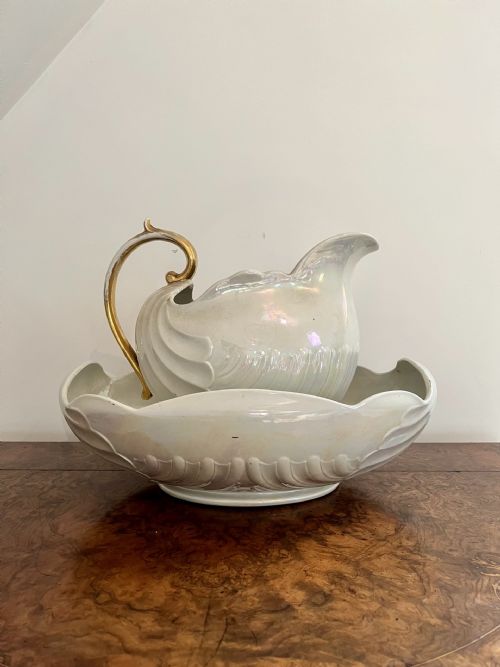
Lustre Glaze Bowl
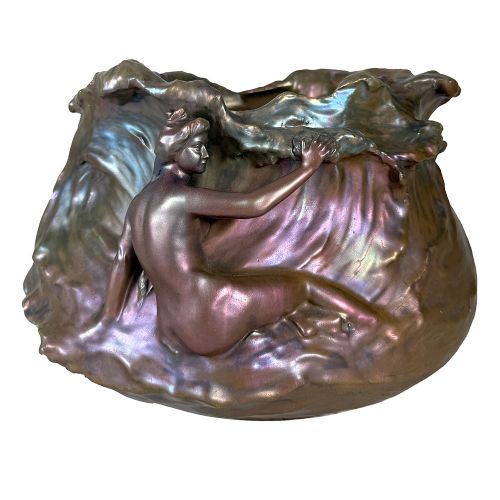
A lustre glaze bowl brings an iridescent metallic shimmer to a room, catching the light with centuries of ceramic artistry.
Lustre Glaze Bowl
A lustre glaze bowl is a decorative or functional vessel finished with a metallic sheen that catches the light in distinctive ways. When buyers search for a lustre glaze bowl, they encounter pieces ranging from ancient Persian ceramics to early twentieth-century earthenware.
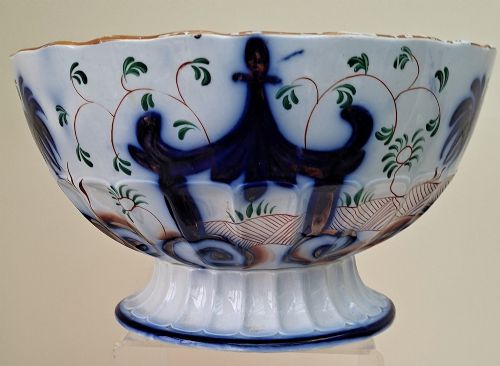
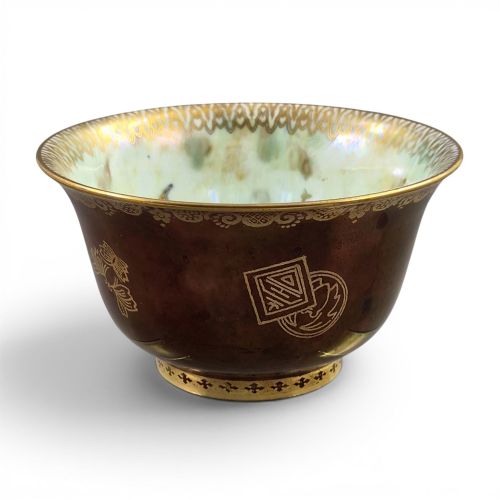
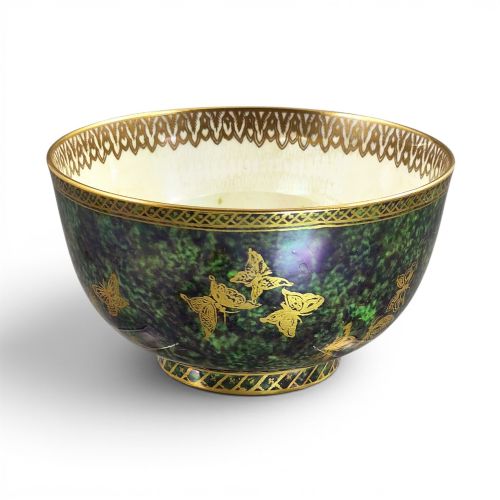
The most common examples on this page are Edwardian decorative bowls designed by Daisy Makeig-Jones for Wedgwood, alongside earlier Victorian pottery and medieval Persian pieces. These items serve primarily as display objects rather than for daily domestic use, owing to their striking surface decoration.
How they were made
Makers produced these pieces using earthenware, porcelain, ceramic, or fritware, shaping them into footed bowls, octagonal bowls, or table centrepieces. Artisans applied metallic oxides to the surface before firing the pottery in a reducing atmosphere to achieve the characteristic iridescent finish.
Some examples incorporate gold leaf, gilt, or specialised lustre glaze to enhance the reflective quality of the design. The kiln technique requires precise control to bond the metallic film to the underlying glaze without losing the sheen.
Early twentieth-century designers conjured entire mythical realms onto small ceramic surfaces, populating household bowls with dragons, fairies, and floating lanterns.
What varies in quality
The distinction between ordinary and exceptional pieces lies in the complexity of the painted motifs and the depth of the metallic iridescence. Hand-painted pictorial details, such as complex figural scenes or mythical creatures, demand superior draughtsmanship from the decorator.
The evenness of the glaze application and the richness of the underlying colour palette also determine the standing of a piece. Earlier medieval examples derive their distinction from the preservation of the delicate metallic film over centuries.
Wedgwood·Shelley
The Lustre Glaze Bowl Glossary
- Lustre glaze
- A type of ceramic glaze containing metallic oxides that produce an iridescent, reflective surface after firing. This technique creates a shimmering optical effect that changes depending on the viewing angle.
- Fritware
- A type of pottery stonepaste developed in the Near East using quartz and glass frit as a binder. It provided a fine white body ideal for detailed painted decoration.
- Footed bowl
- A bowl raised on a pedestal or small feet rather than resting directly on its base. This form elevates the display surface.
- Gilt
- A thin layer of gold applied to the surface of ceramics or other materials for ornamentation. It accentuates borders and pictorial elements.
Lustre Glaze Bowl: Frequently Asked Questions
How do I clean my lustre glaze bowl?
Dust the surface gently with a soft, dry cloth to remove particles. Avoid harsh abrasives or soaking the ceramic, as moisture can damage delicate metallic surfaces over time.
Keep the vessel away from direct sunlight and damp environments to preserve the integrity of the glaze and any applied gold leaf or gilt details.
Can I use these bowls for food?
Most antique lustre bowls are intended for display rather than culinary use. Historical pieces, particularly medieval earthenware and early twentieth-century decorative wares, may contain materials unsuited for modern dining.
Enjoy them as decorative centrepieces or tabletop ornaments to protect the fragile glaze from utensil marks and washing wear.
What periods do these bowls come from?
The selection spans from medieval Persian production, such as twelfth and thirteenth-century Kashan pieces, through Victorian earthenware to Edwardian porcelain and pottery.
Twentieth-century pieces often feature fantastical pictorial designs, while earlier centuries rely on geometric or animal motifs.
How do I identify a Wedgwood Fairyland bowl?
Look for intricate, imaginative scenes depicting dragons, phoenixes, or fairy figures rendered in vibrant ruby, green, or mottled orange lustre. These pieces were designed by Daisy Makeig-Jones.
Check the base for standard Wedgwood backstamps and pattern numbers that corroborate the early twentieth-century production period.