

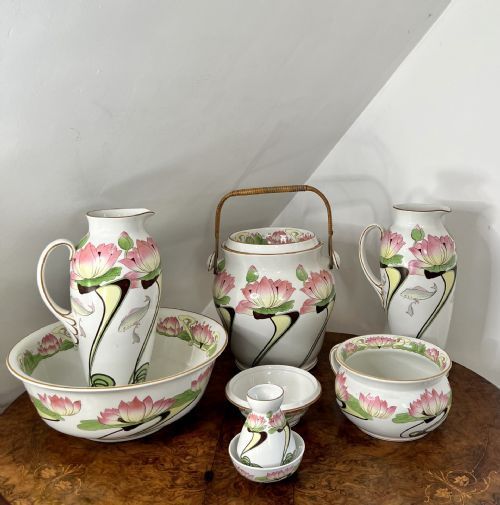


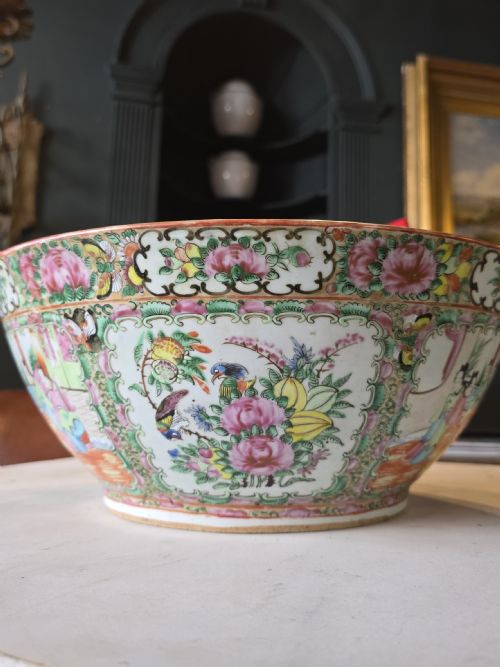


Pink Ceramic Bowl
A pink ceramic bowl brings colour and historic craftsmanship to a room, offering both decorative presence and practical utility.
Pink Ceramic Bowl
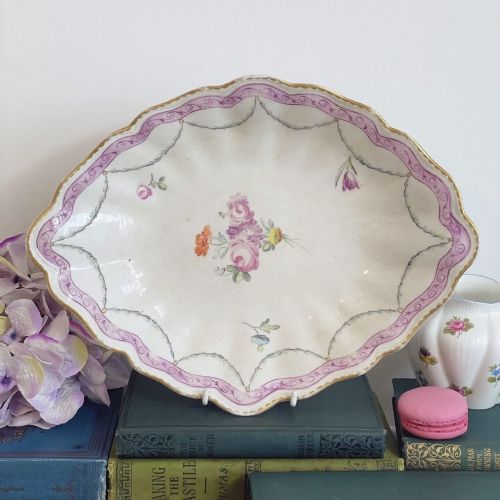
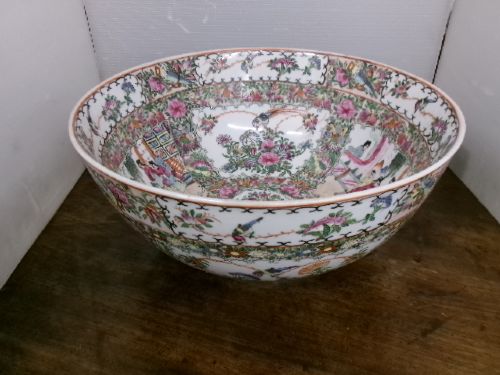
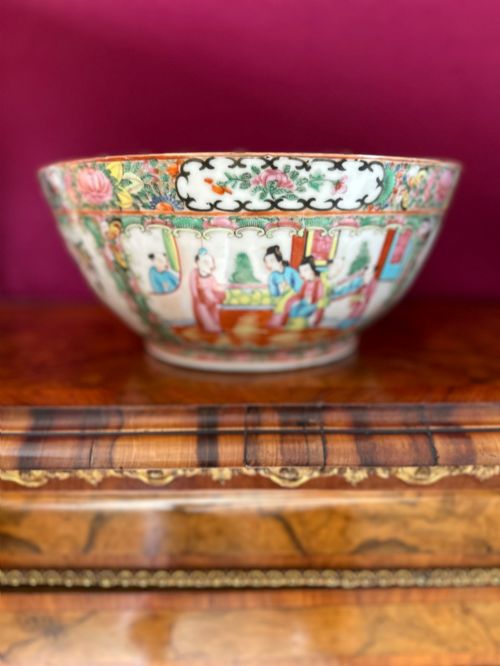
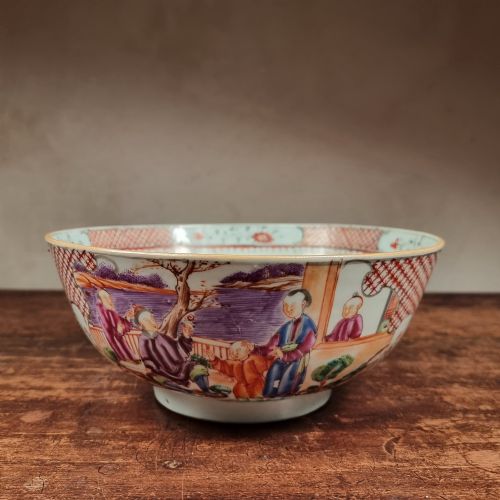
When searching for a pink ceramic bowl, buyers encounter a diverse selection ranging from eighteenth-century export porcelain to twentieth-century earthenware vessels. These pieces include large punch bowls, jardinieres, centrepieces, and everyday serving dishes spanning multiple decorative traditions.
The selection on this page leans heavily toward nineteenth-century Chinese Canton productions and eighteenth-century European manufactories. Pieces ornamented with Famille Rose palettes, overglaze enamels, and handpainted floral motifs dominate the available forms.
Materials and Techniques
Potters and porcelain painters utilised high-fired porcelain, earthenware, and felspar porcelain as the foundational bases for these vessels. Artisans applied coloured glazes and overglaze enamels directly to the fired body to achieve the characteristic pink tones.
Decoration often involved detailed handpainting, sometimes supplemented by gold leaf and gilt accents. Workshops in both Europe and China fired these pigments multiple times to fix the enamel colours permanently onto the ceramic surface.
Several bowls feature acrobats and circus scenes, proving that antique dining tables once doubled as ringside seats.
Assessing Quality
Quality rests upon the precision of the handpainting and the crispness of the enamel work across the bowl. Finer examples display meticulous brushwork in polychrome scenes, whereas simpler domestic wares exhibit repetitive or heavier stencilled patterns.
The translucency of the porcelain body and the preservation of any gilt or overglaze highlights dictate the upper tier of the range. Maker attribution and documented export periods also elevate specific pieces above standard utilitarian vessels.
Derby·Spode·Royal Worcester·Moorcroft·Samson Of Paris
The Pink Ceramic Bowl Glossary
- Famille Rose
- A major palette of Chinese ceramic glazes introduced during the Qing dynasty, distinguished by its predominant opaque pink enamel colour. The style took its name from the French classification system for Chinese porcelain decorations.
- Overglaze enamel
- A decorative technique where coloured pigments are applied on top of a previously fired and glazed ceramic body. The piece undergoes a subsequent low-temperature firing to fuse the colours.
- Canton
- A major Chinese port city that served as the primary export hub for porcelain decorated locally for Western markets during the eighteenth and nineteenth centuries. Canton bowls typically feature crowded, colourful figural and floral motifs.
- Centrepiece
- A large decorative vessel placed in the middle of a dining table or sideboard. These objects function as focal points within an interior scheme.
- Earthenware
- Porous pottery fired at lower temperatures than porcelain. It requires an impervious glaze to hold liquids effectively.
Pink Ceramic Bowl: Frequently Asked Questions
How do I date a Chinese Canton bowl?
Dating relies on examining the iron-red tones, the thickness of the porcelain body, and the complexity of the Famille Rose palette. Earlier pieces often display finer brushwork and thinner walls compared to heavier late-nineteenth-century exports.
Secondary indicators include baseline characteristics, reign marks where present, and the specific style of the rose medallion or figural panels adorning the exterior.
What is a punch bowl used for?
Historical punch bowls served alcoholic mixed drinks at large gatherings during the eighteenth and nineteenth centuries. Their generous capacity accommodated liquid refreshments shared amongst company.
Today, collectors utilise these substantial vessels as decorative centrepieces, fruit bowls, or standalone display items on tables and sideboards.
How should I clean an antique ceramic bowl?
Antique ceramics with overglaze enamels or gilt details require gentle hand washing in warm water using mild soap. Harsh detergents and abrasive sponges must be avoided to protect the historic pigments.
Soaking should be avoided, particularly if the piece exhibits hairline cracks or historical repairs that moisture could compromise.
What distinguishes European porcelain from Chinese export porcelain?
European manufactories like Worcester and Derby developed distinct paste formulas, such as felspar porcelain, and applied local neoclassical or rococo aesthetic traditions. Their forms often reflected Western dining habits of the Georgian and Regency periods.
Chinese export porcelain utilised indigenous kaolin clays and traditional imperial palettes like Famille Rose, tailored specifically for trade with Western merchants.