

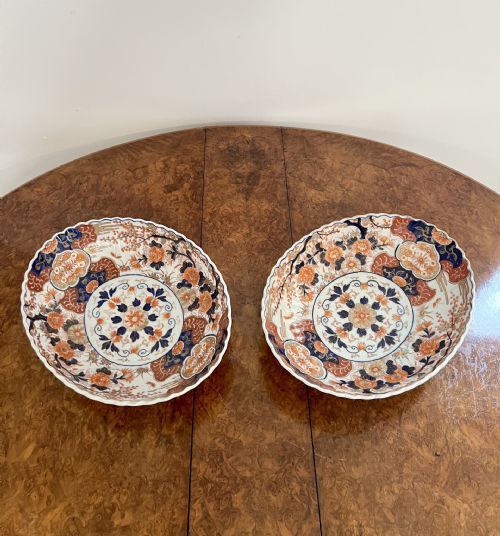


Decorative Ceramic Display Bowl
A decorative ceramic display bowl brings centuries of artistry to a room, offering rich colour and pattern.
Decorative Ceramic Display Bowl
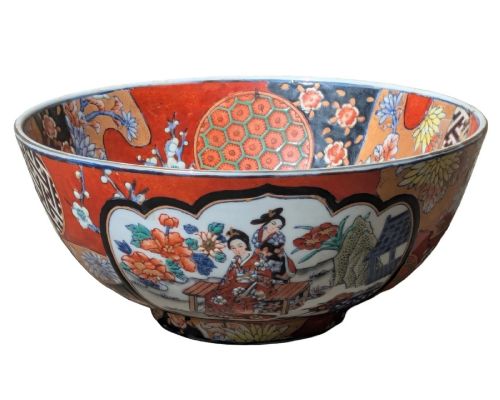
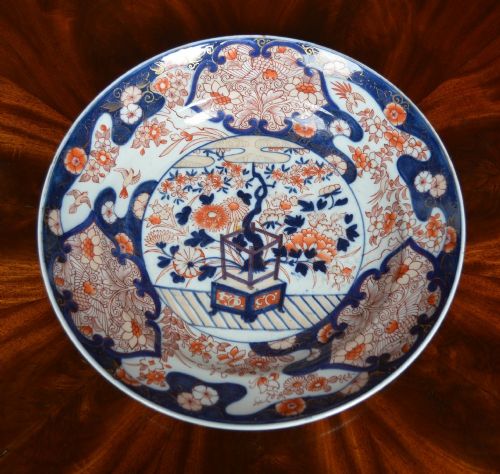
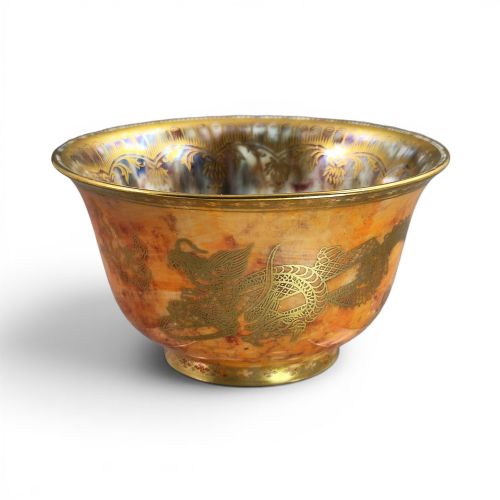
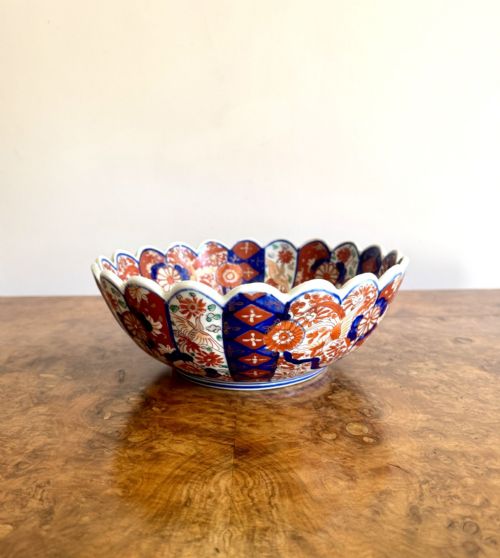
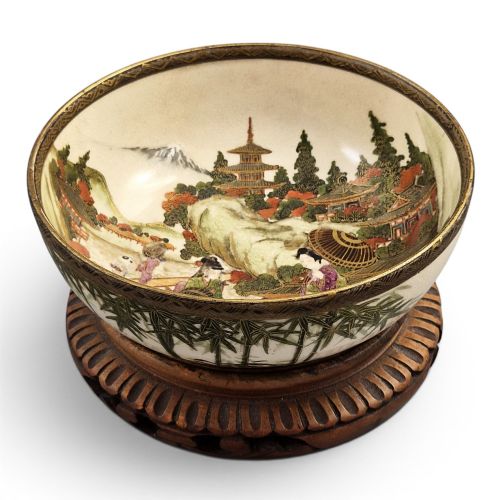
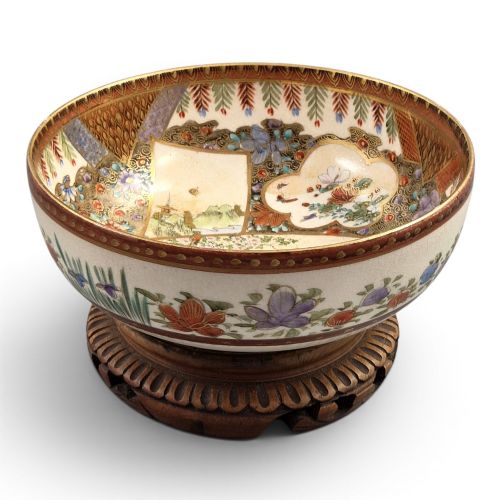
A decorative ceramic display bowl serves primarily as an ornamental piece rather than tableware, drawing the eye with complex patterns and rich glazes. When searching for a decorative ceramic display bowl, the version most frequently encountered on this page is the Japanese Imari bowl from around nineteen hundred, typically featuring scalloped edges and intricate cobalt and iron-red designs.
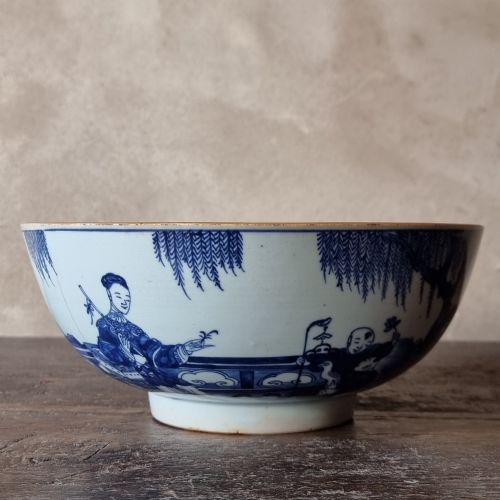
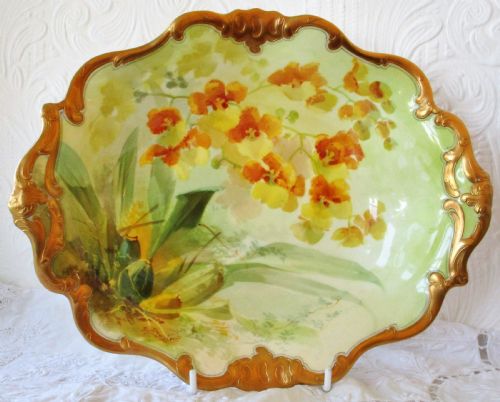
Beyond Japanese Imari production, the selection incorporates Chinese export pieces from the eighteenth century, including large punch bowls and famille rose vessels. English porcelain cabinet dishes from the Edwardian era and pieces featuring lustre glazes also appear, expanding the stylistic range.
Forms vary from shallow dishes and tripod bowls to deep conical shapes and large punch bowls. Origins stretch from seventeenth-century Arita wares to twentieth-century studio productions.
What varies in quality
Quality separates through the precision and complexity of the hand-painted brushwork, alongside the clarity of the glaze and the richness of the gilding. Pieces bearing artist signatures or attributed to known makers demonstrate a higher grade of artistry.
The crispness of moulded forms, particularly on scalloped or hexagonal edges, marks the distinction between standard production and exceptional studio output.
Listings span multiple centuries of ceramic production, incorporating earthenware and porcelain across Japanese, Chinese, and English traditions.
David Dewsberry·Daisy Makeig-Jones·Kozan·Shozo·Wedgwood·Royal Doulton
The Decorative Ceramic Display Bowl Glossary
- Imari
- A style of Japanese export porcelain characterised by a palette of underglaze blue, iron red, and gold, named after the port from which it was shipped.
- Famille rose
- A Chinese ceramic palette dominated by opaque pink enamel, introduced in the Qing dynasty and used for floral and figural scenes.
- Cabinet dish
- An ornamental plate or bowl intended for display in a cabinet or on a shelf rather than for dining use.
- Lustre
- A type of ceramic glaze that imparts a metallic sheen, achieved through the reduction of metallic oxides during firing.
- Punch bowl
- A large deep bowl traditionally used for mixing and serving punch at social gatherings.
Decorative Ceramic Display Bowl: Frequently Asked Questions
How were antique punch bowls used?
Antique punch bowls served as large communal vessels for mixing and serving alcoholic punches at gatherings and banquets.
Their substantial size allowed hosts to combine spirits, fruit, and spices in the centre of the table before ladling the drink into individual cups.
What distinguishes Japanese Imari porcelain?
Japanese Imari porcelain stands out through its distinct palette combining underglaze blue with rusty iron red and gold leaf highlights.
Potters in Arita produced these wares primarily for export, utilising robust porcelain bodies and dense decorative patterns.
How should I display a cabinet dish?
A cabinet dish is traditionally shown upright on a specialised display stand or mounted securely on a wall to protect its painted surface.
Placing the piece away from direct sunlight preserves the vibrancy of the enamel colours and any applied gilding.
How do I identify the period of a ceramic bowl?
Period identification relies on examining the characteristics of the paste, the formulation of the glaze, and the specific style of the painted motifs.
Signatures, potter marks, and historical firing techniques also provide reliable clues to the exact era of manufacture.