

Staffordshire Blue White Ceramic
Staffordshire blue white ceramic pieces bring the bold cobalt landscapes and figures of the nineteenth century straight to the table and mantelpiece.
Staffordshire Blue White Ceramic
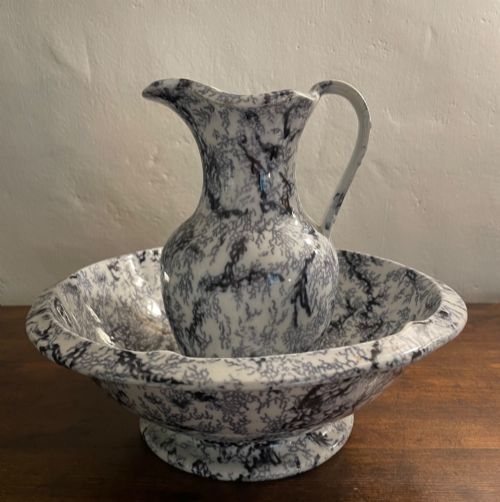
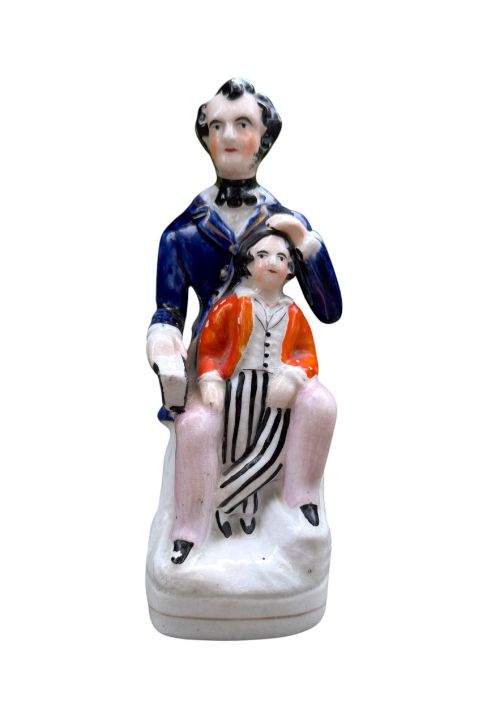
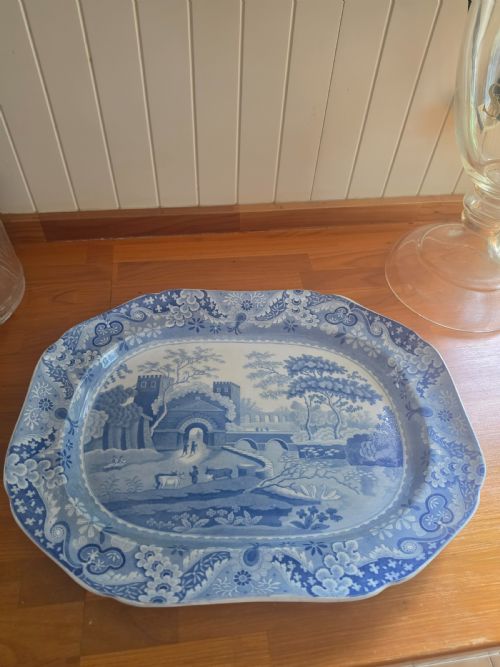
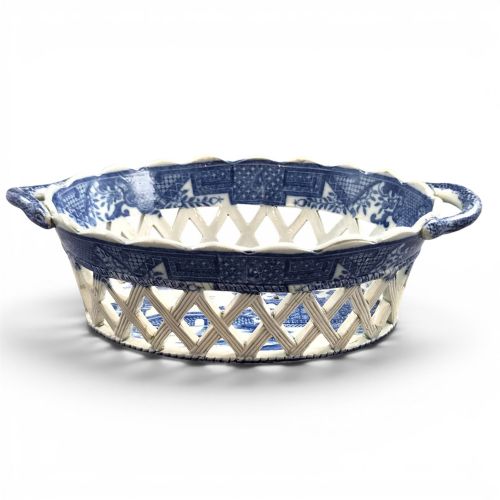
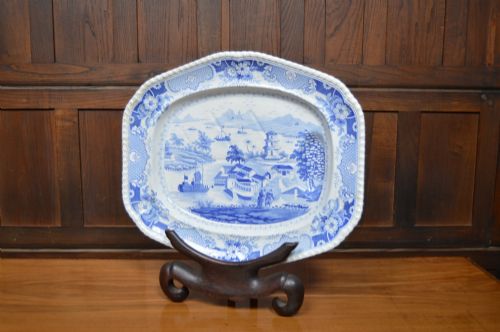
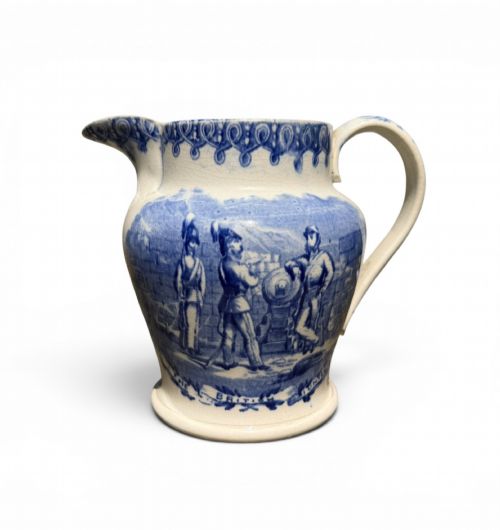
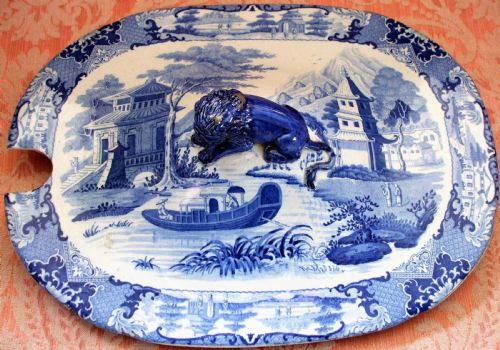
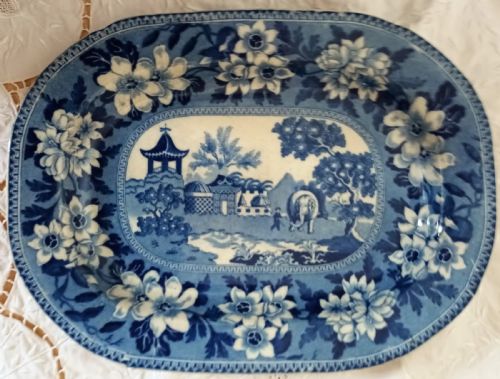
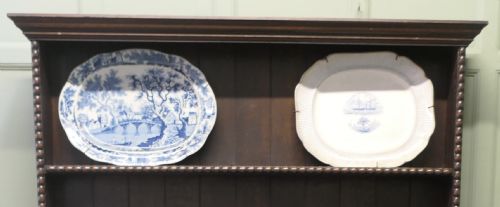
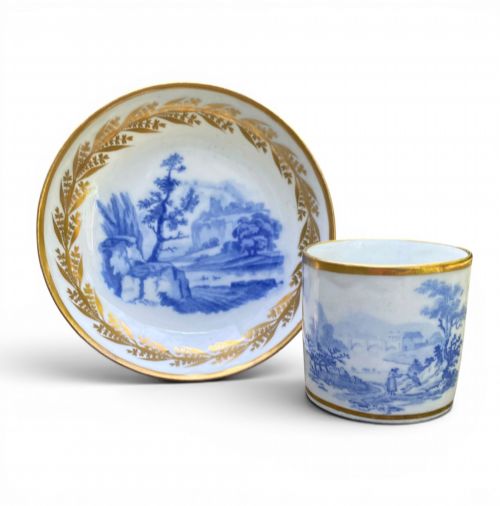
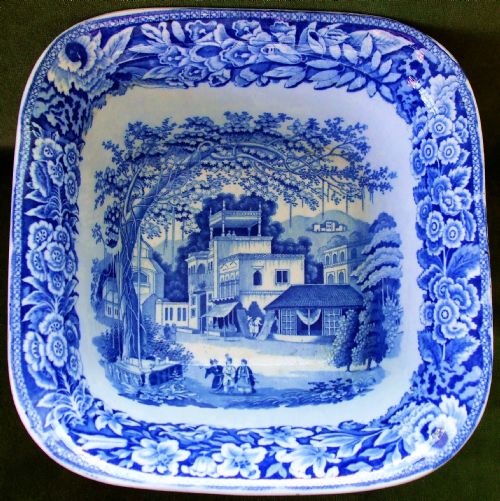
Staffordshire blue white ceramic encompasses a wide variety of utilitarian and decorative forms produced across the nineteenth century, including large meat platters, vegetable tureens, footbaths, and figural groups. These items record the domestic and decorative ambitions of Georgian and Victorian households through printed topographical scenes and figural subjects.
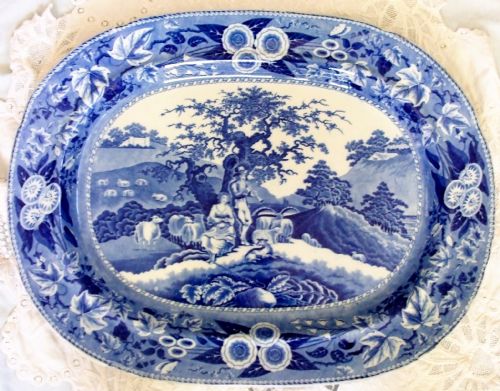
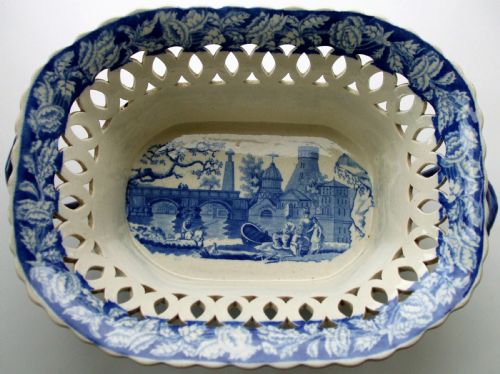
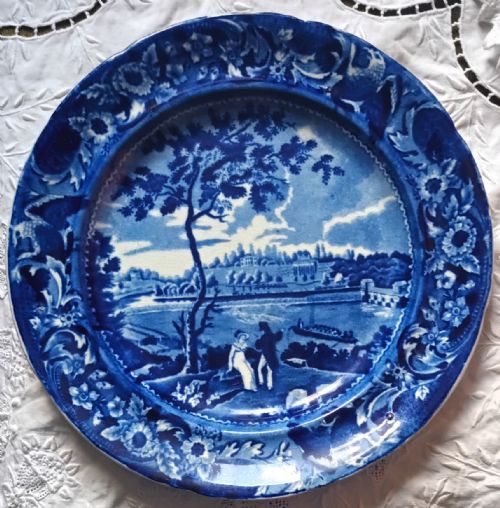
Buyers will most frequently encounter transfer-printed plates, platters, and footbaths decorated with scenes ranging from eastern streetscapes to rural English river views. Figures such as poodles, historical portraits, and animal creamers also appear regularly among the available pottery.
The selection spans periods from the Regency era through to the late Victorian decades, reflecting shifts in ceramic bodies from pearlware and early earthenware to ironstone and denser stoneware. Makers utilised deep cobalt blue transfer printing to achieve remarkable tonal depth on functional vessels.
How They Were Made
Potters formed these items using earthenware, pearlware, ironstone, or stoneware bodies, which were shaped on wheels or pressed into moulds to create hollowware, flatware, and sculptural figures. Artisans then applied transfer prints from engraved copper plates onto the ceramic surface before glazing.
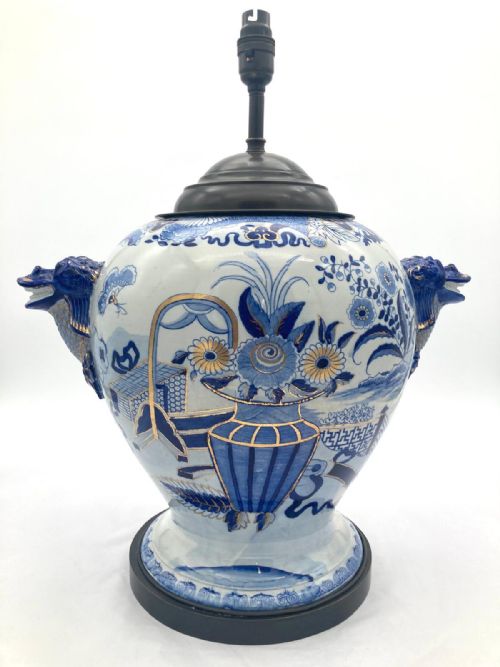
A transparent lead glaze sealed the cobalt transfer print during firing, producing the characteristic glossy finish and protecting the pigment from wear during daily use. Gilt highlights were sometimes added by hand over the glaze on select decorative pieces.
Staffordshire Blue White Ceramic Retail Price Guide 2026
Typical asking prices for staffordshire blue white ceramic among the pieces listed under this phrase on Sellingantiques today, from the lower quarter to the upper quarter. They describe what is for sale here now, not the wider market.
Ceramic frogs and newts gaze up from the bottom of nineteenth-century drinking mugs, startling unwary drinkers.
What Varies in Quality
The crispness of the transfer print dictates much of the visual success, with finer pulls from copper plates showing sharp architectural details and clean lines without blurring. Muddy printing or smudged cobalt under the glaze lowers the visual impact.
Spode·J. & R. Clews·John Rogers and Son·John and Richard Riley·William Adams and Sons·Mintons·Hicks and Meigh·John Ridgway
The Staffordshire Blue White Ceramic Glossary
- Transferware
- Earthenware or porcelain decorated by applying a paper transfer printed with a copperplate engraving onto the biscuity ceramic body. This technique allowed intricate topographical and narrative scenes to be replicated reliably across mass production.
- Pearlware
- A refined earthenware body developed in the late eighteenth century featuring a subtle bluish glaze that pooled in recesses to mimic Chinese export porcelain. It served as the primary canvas for early nineteenth-century blue and white printing.
- Flow Blue
- A style of Staffordshire pottery where cobalt oxide intentionally blurred or bled into the surrounding white glaze during firing. This effect created a soft, hazy aesthetic popular in the mid-nineteenth century.
- Ironstone
- A dense, durable type of feldspathic stoneware patented in the early nineteenth century to resist chipping and heavy use. It provided a sturdy white ground for large platters, footbaths, and pitchers.
- Tureen
- A deep covered serving dish designed for soups, sauces, or vegetables at the dining table. Staffordshire potters produced these in varied sizes, often matching the transfer patterns of accompanying meat platters.
Staffordshire Blue White Ceramic: Frequently Asked Questions
How do I date staffordshire blue white ceramic?
Dating relies on identifying the ceramic body, such as pearlware versus ironstone, along with registry marks and documented transfer patterns.
Potters often changed their partnership names or address stamps on the base over time, which helps narrow down the production decade.
Were these blue and white platters used for dining?
Large platters and tureens served joints of meat and hot dishes at grand dining tables throughout the nineteenth century.
Footbaths were similarly utilised for washing feet or chilling wine rather than strictly for ornamental display.
What is the difference between ironstone and earthenware?
Ironstone is a heavier, vitrified stoneware developed to withstand rigorous daily kitchen and dining use without easily cracking.
Standard earthenware remains more porous and lighter in weight, forming the base for many delicate figures and early plates.
How should I clean antique transferware?
Wash pieces gently by hand in warm water using a mild, non-abrasive detergent to protect the old glaze.
Avoid dishwashers and harsh scrubbing, which can dull the surface gloss and damage delicate gilt or painted highlights.