
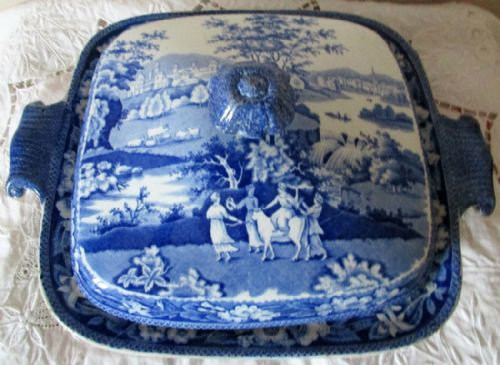


Earthenware Vegetable Dish
An earthenware vegetable dish brings nineteenth-century transfer-printed scenes directly to the table, offering a robust centrepiece for daily dining or display.
Earthenware Vegetable Dish
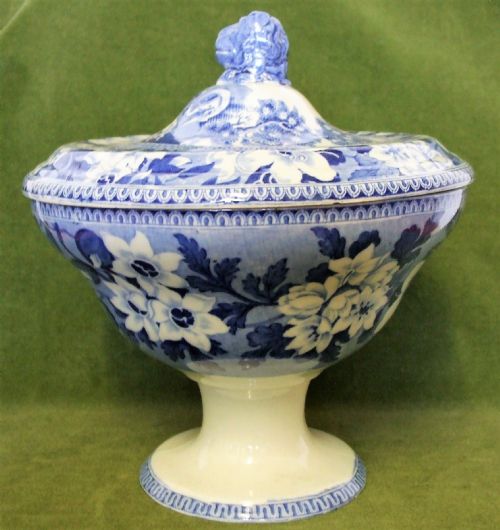
An earthenware vegetable dish takes the form of a lidded tureen or serving bowl designed for nineteenth-century dining tables. These pieces frequently appear with covers, handles, and occasionally ladles intended for serving vegetables or supper courses.
Most examples found in this selection date from the Georgian and Victorian periods, showcasing traditional British pottery forms. Makers structured these vessels to retain warmth and present food with considerable aesthetic charm.
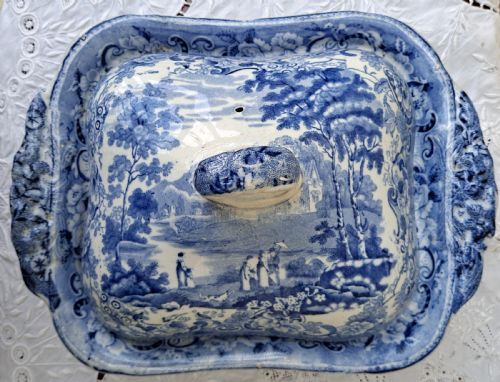
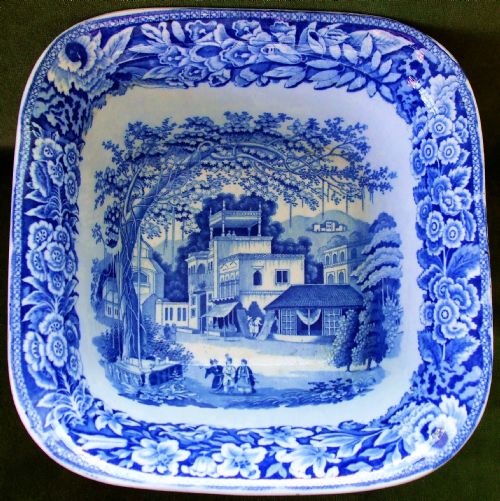
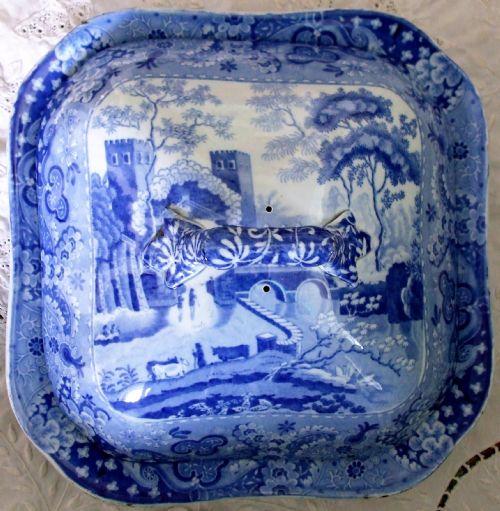
The objects combine practical kitchen utility with elaborate transfer-printed decoration depicting pastoral views, oriental street scenes, and classical subjects. Buyers encounter these serving pieces in various configurations, including standalone bowls and multi-piece supper sets.
How they were made
Potters formed these items from porous earthenware clay before applying a smooth glaze to seal the surface. Cobalt oxide provided the rich blue colour used in the prevalent transfer-printed patterns.
Makers transferred intricate engraved designs onto the ceramic body using specialised paper pulls prior to firing. A clear lead glaze was then added to fix the print and impart a glossy protective finish.
Nineteenth-century diners used these deep lidded bowls to keep peas hot while debating the Corn Laws.
What varies in quality
The clarity of the blue and white transfer print defines the visual standard of each piece, distinguishing sharp, detailed architectural or pastoral motifs from blurred impressions. Precision in the copperplate engraving directly influences how crisp the final image appears on the curved ceramic surface.
Manufacturing refinement shows in the evenness of the glaze application and the balanced weight of the tureen body and cover. Superior pieces maintain a harmonious proportion between the vessel, handles, and lid without warping during the kiln firing.
James Wallace & Co.·J. & R. Riley·J. & R. Clews·John Rogers & Son·John and Richard Riley·Doulton Burslem·Ridgways·Copeland & Garrett
The Earthenware Vegetable Dish Glossary
- Transfer printing
- A method of decorating ceramics by applying an engraved paper pattern dusted with metallic oxide onto the biscuit or glazed surface. This technique allowed potteries to produce consistent, highly detailed scenes across multiple production runs.
- Tureen
- A deep, covered vessel designed for serving soups, vegetables, or main dishes at the dining table. These pieces often feature fitted lids and paired side handles for lifting.
- Earthenware
- A type of porous pottery fired at lower temperatures than stoneware or porcelain, requiring a vitreous glaze to become watertight. It forms the structural base for traditional nineteenth-century blue and white tableware.
- Cobalt glaze
- A colourant derived from cobalt oxide mixed into ceramic glazes to achieve deep blue tones during high-temperature firing. It remains the defining pigment of nineteenth-century transferware.
- Biscuit
- Unglazed pottery that has undergone its initial kiln firing to harden the clay body before decoration and glazing. This state absorbs the printed colour application prior to the final gloss firing.
Earthenware Vegetable Dish: Frequently Asked Questions
What is an earthenware vegetable dish used for?
These vessels served historical dining tables as lidded containers for hot vegetables, stews, and supper dishes. Their deep bodies and fitted covers helped keep food warm during lengthy meals.
Today, collectors utilise them as decorative serving pieces, centrepieces, or display items in dining rooms and kitchens. They add traditional character to modern tables while retaining their original functional capacity.
How do I care for antique earthenware?
Antique earthenware requires gentle hand washing with mild soap and warm water to protect the historic glaze and ceramic body. Modern dishwashers and harsh detergents can damage the surface and underlying material.
Store these tureens safely away from extreme temperature fluctuations and heavy stacking to prevent chipping. Careful handling preserves the transfer-printed decoration for continued enjoyment.
How can I tell Georgian pieces from Victorian ones?
Georgian examples often display bold transfer patterns featuring romantic ruins, classical motifs, and distinctive cobalt blue tones characteristic of early nineteenth-century Staffordshire production. The forms tend to reflect Regency and Georgian aesthetic preferences.
Victorian pieces frequently incorporate registration marks, varied maker stamps, and refined floral or pastoral scenes developed as industrial techniques advanced. Comparing the backstamp styles and glaze characteristics helps determine the specific era.
Did these dishes originally come with covers?
Most vegetable tureens from this period were manufactured with matching lids to keep food warm and protect the contents at the table. Surviving sets frequently pair the original cover with the main bowl.
Some pieces also included matching ladles or bases depending on the specific serving function. Finding a complete matched set of base and cover represents a well-preserved example of nineteenth-century tableware.