


Blue White Ceramic Tureen
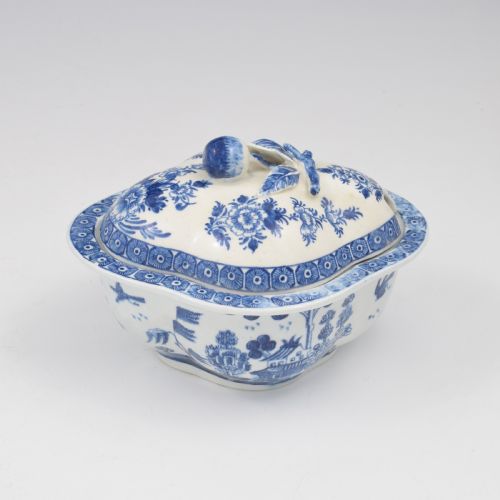
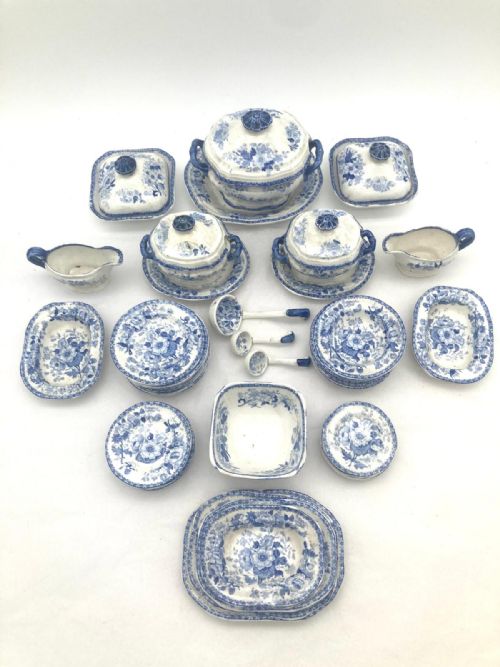
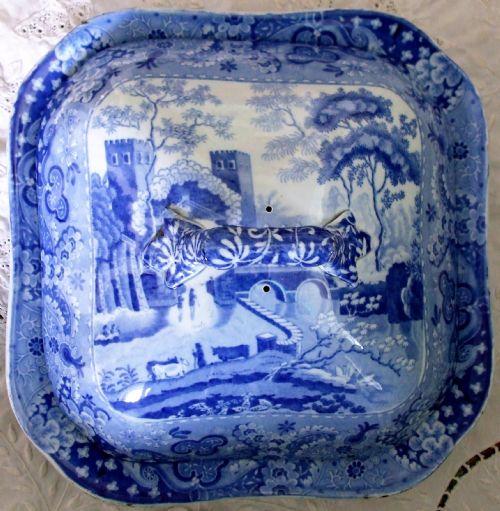
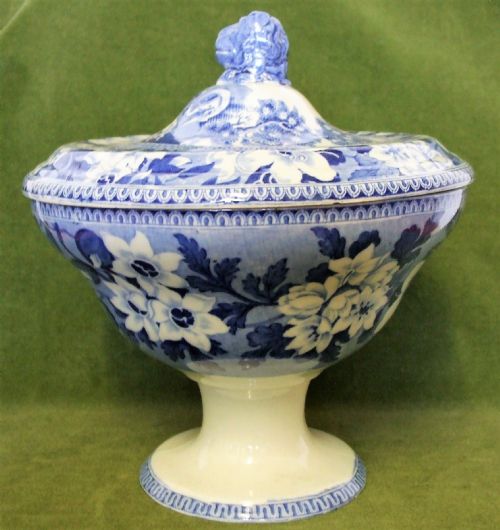
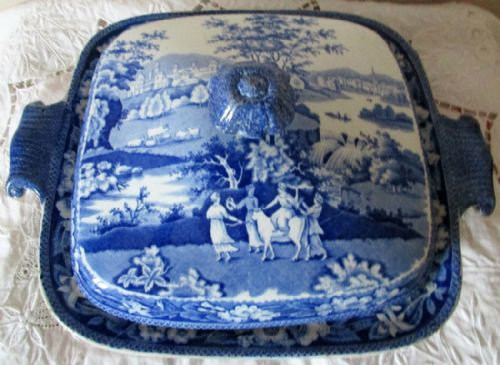
These blue white ceramic tureen pieces bring transfer-printed scenes and earthenware form straight to the dining table.
What these pieces are
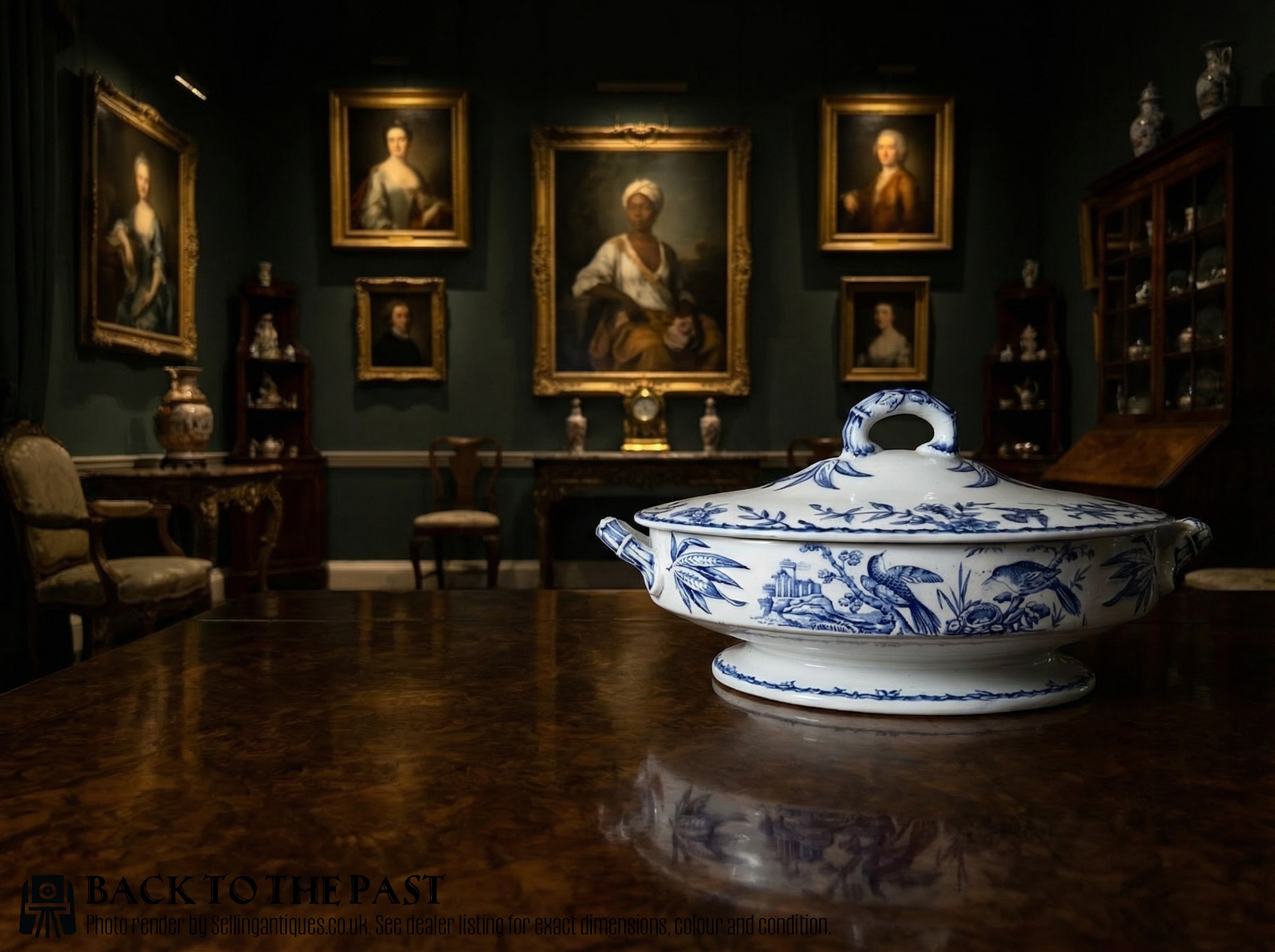
A blue white ceramic tureen serves as a covered vessel for vegetables or table service, appearing across Georgian and Victorian periods. The pieces on this page span the nineteenth century, including specific dates such as 1870, 1880, and circa 1830.
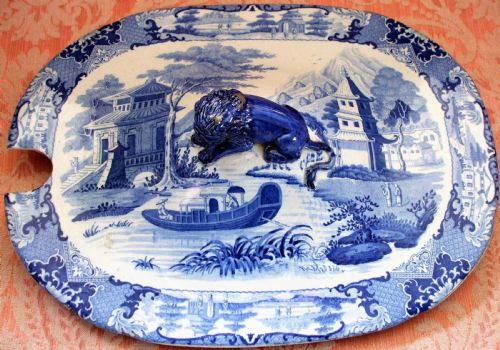
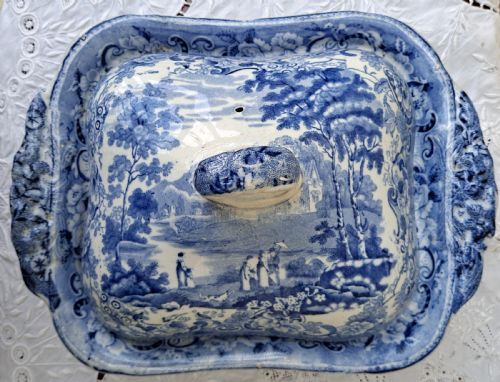
Most examples take the form of vegetable tureens complete with matching covers, often featuring named patterns like Rural Scenery, Castle, and Elephant. Staffordshire potteries and English makers produced these servingware items in earthenware and pearlware.
Makers such as James Wallace and Co., J. and R. Clews, Ridgways, and John Rogers and Son dominate the output. Buyers will encounter both Georgian and Victorian stylistic influences within this selection.
How they were made
Potters shaped these objects from earthenware and pearlware, applying a glaze over the ceramic body to seal the porous clay. The blue transfer printing technique transferred intricate pictorial designs onto the surface before firing.
Covered vegetable tureens required thrown or moulded bodies fitted with bespoke lids and handles. Artisans executed detailed pictorial transfers, including patterns inspired by artists like E. Landseer alongside architectural and pastoral subjects.
Retail Price Guide 2026
Typical UK retail prices for blue white ceramic tureen, calculated from the Sellingantiques database of over a million retail prices indexed since 2003. This retail price guide relies exclusively on Sellingantiques data; no external sources or auction records are used, so the figures do not describe the wider market.
What varies in quality
The crispness of the transfer print and the registration of the blue pigment against the glaze distinguish finer production. Clarity in detailed patterns like Castle or Elephant separates standard utility vessels from superior examples.
The survival of the matching cover alongside the tureen body affects the integrity of the piece. The skill of the originating Staffordshire pottery, from established firms to smaller manufacturers, dictates the refinement of the ceramic form.
James Wallace and Co.·J. and R. Clews·Ridgways·John Rogers and Son
The Blue White Ceramic Tureen Glossary
- Pearlware
- A refined earthenware developed in the late eighteenth century with a bluish glaze that pooled in recesses to mask the cream-coloured body. It forms the foundation for many early blue and white items.
- Transfer printing
- A decoration method where an engraved copper plate applied an ink design onto tissue paper, which was then pressed onto the ceramic surface before glazing. This technique allowed for consistent and detailed pictorial scenes.
- Earthenware
- A porous pottery fired at lower temperatures, requiring a vitreous glaze to hold liquids. It served as the primary body for nineteenth-century domestic vessels.
- Servingware
- Dining table items designed for holding and presenting food rather than individual consumption. Tureens sit squarely within this functional category.
Frequently Asked Questions
What were tureens used for?
These vessels held vegetables, soups, and sauces at the dining table during the Georgian and Victorian eras. The matching covers kept the contents warm between the kitchen and the dining room.
Today, they function as decorative centrepieces or storage vessels in domestic settings, retaining their original servingware purpose.
How do I date a tureen?
Dating relies on identifying the pottery mark, stylistic markers of the Georgian or Victorian periods, and the type of ceramic body. Pearlware generally points towards earlier nineteenth-century production, while later Victorian pieces show distinct stylistic shifts.
Looking at the transfer pattern and registered maker names provides further chronological context.
Are lids usually included?
Many surviving examples retain their original matching covers, as recorded in the listings for vegetable tureens. Finding a complete tureen and cover set remains common across nineteenth-century Staffordshire output.
Buyers should check individual listings to confirm whether the lid accompanies the base.
How do I clean blue and white ceramics?
Gentle washing with warm water and mild soap preserves the historical glaze and transfer-printed decoration. Avoid abrasive scrubbers that might harm the nineteenth-century surface.
Hand washing is essential for maintaining the integrity of earthenware and pearlware pieces.