




Victorian Soup Tureen
These Victorian soup tureen pieces bring heavy ironstone, silver plate, and earthenware to the table for serious dining.
Victorian Soup Tureen
A Victorian soup tureen is a heavy serving vessel designed for the centre of the table, built to hold large quantities of broth or soup during formal nineteenth century meals. Buyers searching for a victorian soup tureen will encounter robust ironstone examples, blue and white transfer printed earthenware, and silver plated metal versions.
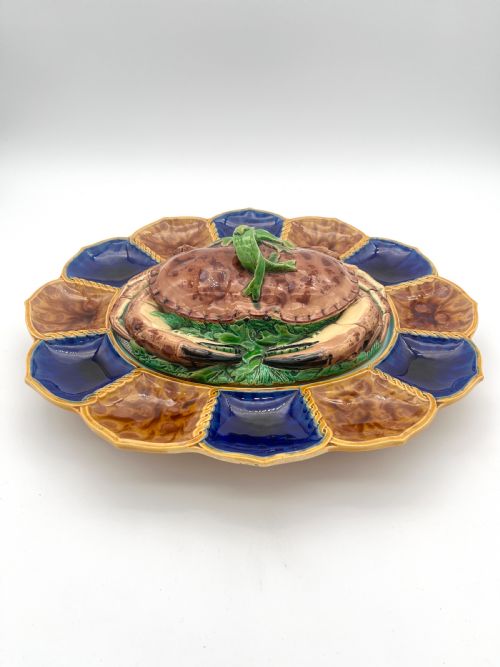
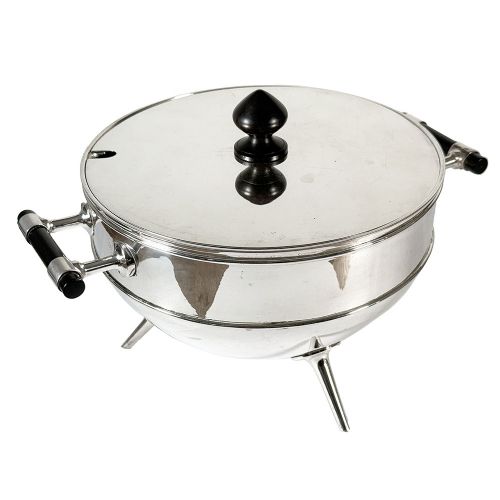
The pieces appearing on this page span the nineteenth century, including specific dates from the eighteen forties through to the eighteen nineties. Forms range from utilitarian ironstone bodies decorated with bamboo patterns to elaborate majolica crab designs and silver plated two handled bowls.
Most examples arrive with matching lids and occasionally include original ceramic or silver plated ladles for serving. The physical presence of these vessels reflects the scale of Victorian dining, where large dinner services demanded substantial serving pieces.
Materials and construction
Potters built these vessels using dense earthenware, ironstone, and creamware bodies designed to withstand heat and daily use. Blue and white transfer printing applied intricate patterns directly to the ceramic surface before glazing and firing.
Silver plated versions utilised base metals coated with a layer of silver, often combined with details like ebonised wood handles or cast metal animal figures. Majolica pieces employed coloured lead glazes over moulded earthenware to create vivid, naturalistic textures like cabbage leaves or marine life.
Listings feature ceramics from the nineteenth century alongside silver plated metalwork, spanning earthenwares, ironstone, and specialised glazes.
Assessing quality in service vessels
Quality in a Victorian soup tureen rests on the crispness of the moulding and the depth of the glaze or silver plating. Pieces from established potteries display sharply defined transfer prints and well balanced handles that remain secure under weight.
The presence of matching elements, such as original lids and ladles, elevates the integrity of the piece. Superior examples maintain the crispness of their decorative details, whether applied transfers, hand painted elements, or cast metal relief work.
Minton·Wedgwood·Hukin and Heath·Doulton Burslem·Daniel and Arter·Mason·Ridgways·Copeland and Garrett·Turner
The Victorian Soup Tureen Glossary
- Ironstone
- A dense, heavy type of ceramic patented in the nineteenth century for its durability. It resists chipping far better than standard earthenware.
- Transfer printing
- A decoration technique where an engraved copper plate transfers a design onto tissue paper, which is then pressed onto the ceramic body before glazing. This method allowed for consistent, detailed blue and white patterns across large production runs.
- Silver plate
- A manufacturing process where a thin layer of silver is bonded to a base metal core, such as copper or nickel silver. It provided the appearance of solid silver at a lower cost for large domestic items.
- Majolica
- A Victorian earthenware pottery type covered with colourful lead glazes that pool in relief details. It frequently mimics natural forms like foliage, fruit, and animals.
Victorian Soup Tureen: Frequently Asked Questions
How were soup tureens used?
These vessels sat at the centre of the dining table to hold and serve hot soup during formal nineteenth century meals. Servants brought the filled tureen from the kitchen before the host ladled portions into individual plates.
The heavy ceramic and metal walls kept the contents warm throughout the course, while the tight fitting lid trapped steam and aromas until the moment of service.
Are silver plated tureens difficult to clean?
Silver plated pieces require gentle washing with warm water and mild soap, followed by immediate drying to prevent water spots. A standard silver polish helps maintain the shine on the metal surface without wearing down the plating.
Harsh abrasive cleaners will strip the silver layer entirely, exposing the base metal underneath. Regular, gentle maintenance keeps the finish bright.
Can I use these antique tureens for serving food?
Most ceramic and silver plated pieces remain functional for serving food today, provided the glaze and interior are intact. Ironstone and heavy earthenware handle warm liquids well.
Buyers should inspect the interior surfaces for heavy crazing or old repairs before using them with wet foods. Many collectors choose to display them as decorative objects rather than risking damage during daily use.
How do I date a Victorian tureen?
Dating relies on maker marks stamped into the ceramic base, registration numbers, and stylistic clues like transfer print patterns. Potteries often altered their printed stamps during specific decade ranges, allowing for precise identification.
Material choices also help narrow the timeframe, as silver plated modernist designs point toward the eighteen eighties, while heavy ironstone and blue transfer prints frequently date from the eighteen forties.